
Rotorua & Central North Island
Geothermal wonders and Middle-earth magic 🌋🧙♂️
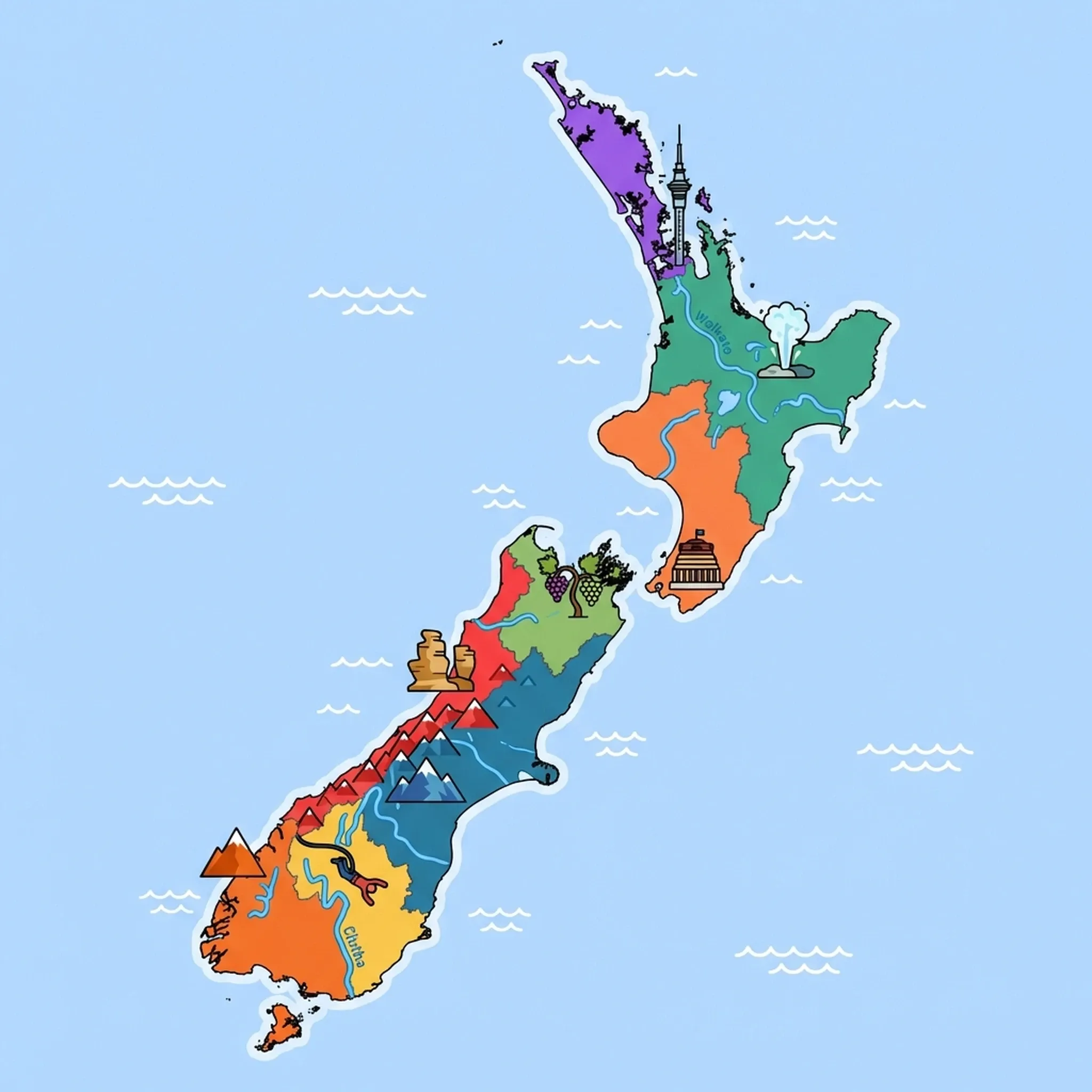
Click a region to explore
Rotorua is a place that assaults the senses in the best way possible. As you arrive, the first thing you notice is the scent of sulphur—a reminder that the earth crust here is thin and alive. Steam vents rise from roadside drains, and mud pools bubble in public parks. This geothermal activity powers the region's famous tourism industry, from relaxing hot springs to dramatic geysers. Beyond the geology, Rotorua is the heartland of Māori culture in New Zealand. It offers the most accessible and authentic opportunities for families to learn about indigenous history, watch cultural performances, and experience the warm hospitality known as manaakitanga.
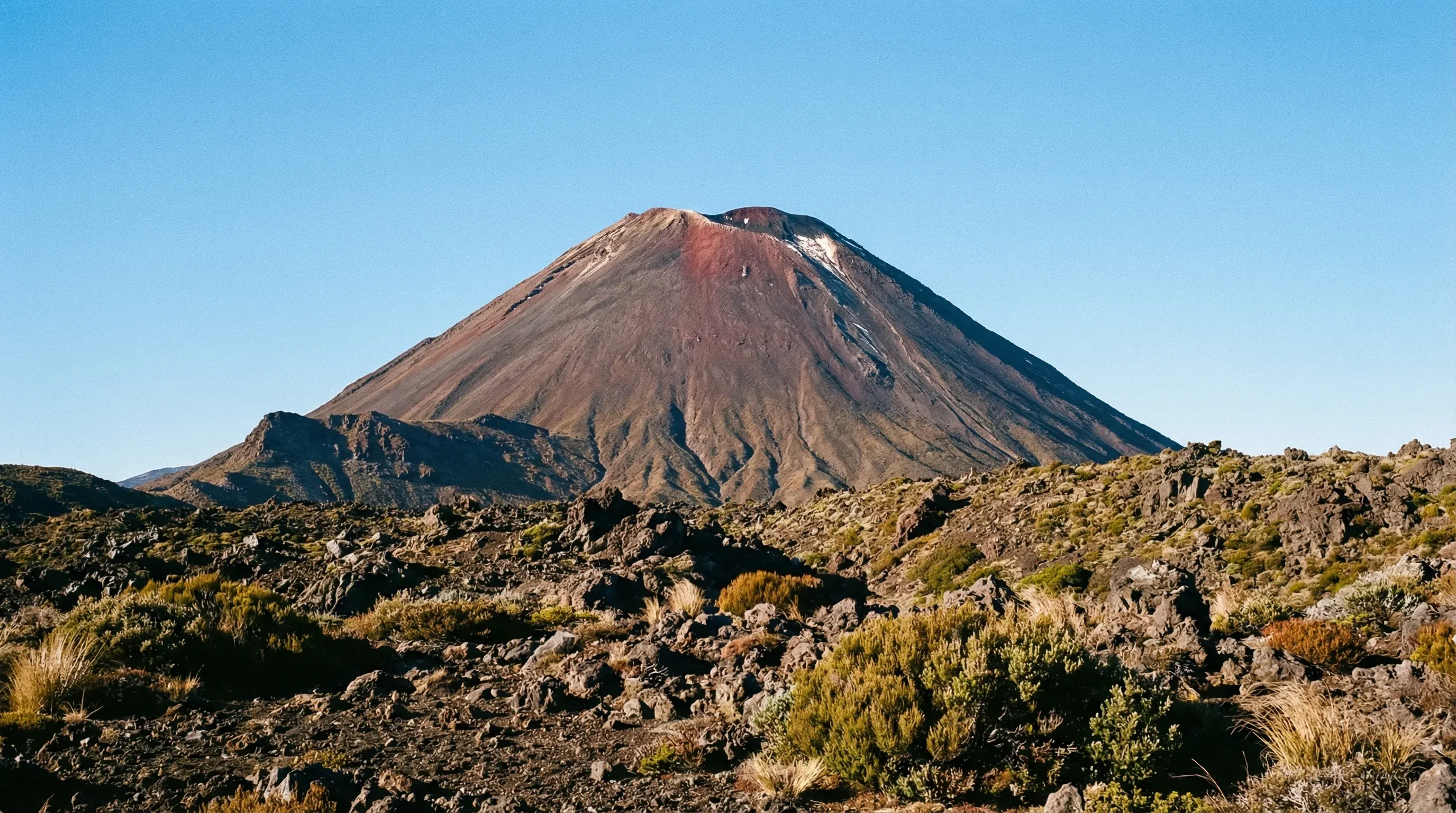
A short drive south leads to Lake Taupo, a massive crater lake created by a super-volcanic eruption. It's a summer playground for boating and fishing. Nearby, the Tongariro National Park offers a starkly different landscape of active volcanoes and alpine deserts, famous as the setting for Mordor in *The Lord of the Rings*. Speaking of movies, the lush farmland near Matamata hosts the Hobbiton Movie Set. Walking through the Shire is a magical experience that transcends the films; the attention to detail in the vegetable gardens and hobbit holes delights children and adults alike. This region combines education, culture, and fantasy like nowhere else.
Key Attractions
In Rotorua, Te Puia is essential. It is home to the Pohutu Geyser (the largest in the southern hemisphere) and the National Kiwi Hatchery, where you can see the national bird. It also houses the NZ Māori Arts and Crafts Institute. For pure fun, the Skyline Rotorua offers the original Luge tracks which wind through the Redwoods—great family competition.
Geology fans will love Wai-O-Tapu Thermal Wonderland, where the "Champagne Pool" glows with surreal orange and green colours. Animal lovers should visit the Agrodome for a classic kiwi farm show featuring sheep shearing and farm dogs. Further south, the Huka Falls near Taupo are a thundering display of hydropower that costs nothing to view. For adventurous families with older teens, the Tongariro Alpine Crossing is often rated the best day hike in the world, though it is physically demanding.
Practical Advice
Rotorua is a year-round destination. The geothermal activity keeps things warm, but winters can be frosty. The sulphur smell is harmless but can be strong; it tends to be less intense inside hotels and attractions. Book Hobbiton well in advance as tours sell out daily.
Food & Drink
Typical meal times: Lunch 12:00 pm–2:00 pm. Dinner 6:00 pm–8:30 pm. Eat Street in Rotorua is a covered dining precinct open late.
Typical meal costs: Mid-range. Family dinner NZ$100–140 (approx. $60–85 USD / €55–75 EUR). Hangi feasts (cultural dinner shows) are pricier, around NZ$120–150 per adult (approx. $72–90 USD / €65–82 EUR).
Dietary requirements: Good options in Rotorua and Taupo. Cultural Hangi meals typically involve meat and root vegetables, naturally gluten-free but check with operators.
Signature dishes:
- Hāngī – Food cooked in an earth oven using heated rocks. The result is tender, smoky meat and vegetables (kumara/sweet potato).
- Fry Bread – Deep-fried dough, often served with golden syrup or butter, a staple of Māori cuisine.
- Trout – You cannot buy trout in restaurants (it's illegal to sell wild trout), but if you catch one in Lake Taupo, many local chefs will cook it for you.
Why this score?
Adventure here is well-organized and largely accessible, focusing on mountain biking in the Whakarewarewa Forest and geothermal park walks. Tongariro National Park offers more rugged alpine trekking (the Alpine Crossing), but much of the regional tourism is centered around managed sites like Te Puia. It provides a moderate level of physical activity without the extreme isolation found in the South Island.
Why this score?
Rotorua and Taupo have solid regional hospitals and many private medical centers that are very experienced with international travelers. The staff are accustomed to handling visitors from diverse backgrounds, and the facilities are modern and efficient. Given the high tourist volume, the medical infrastructure is well-funded and easily accessible to families.
Why this score?
Rotorua and the nearby Hobbiton Movie Set are massive international draws, making this the primary cultural and geothermal tourism hub of the North Island. The region benefits from its location within the 'Golden Triangle' and attracts millions of international visitors annually for its unique Maori experiences and volcanic landscapes. It is a highly developed destination with a significant hotel and hospitality footprint.

Good value compared to Queenstown. Accommodation is plentiful, with family motels costing NZ$160–240 (approx. $95–145 USD / €90–130 EUR). Cultural shows and Hobbiton are the big ticket items (NZ$90+ per adult), but many natural sights like <a data-attraction-id="52754">Huka Falls</a> and vibrant parks are free.

Getting Here & Around
Getting Here
- Driving – Rotorua is a 3-hour drive from Auckland or 1 hour from Taupo. The roads are good but can be winding.
- Airports – Rotorua Airport (ROT) has domestic links. Taupo Airport (TUO) also serves the region.
- Bus – InterCity buses connect all major towns. Shuttle tours to Hobbiton Movie Set run from Rotorua.
Getting Around
- Car – The best way to link the spread-out attractions like Wai-O-Tapu Thermal Wonderland and the lakes.
- Walking – Rotorua city is compact, but the geothermal parks are on the outskirts.
- Bike – Rotorua is a mountain biking mecca with trails for all ages in the Whakarewarewa Forest.
Nearby Airports (7 airports)
Gisborne
GISGisborne
Hamilton
HLZHamilton
Napier
NPENapier
Rotorua
ROTRotorua
Tauranga City Airport
TRGTauranga
Taupo
TUOTaupo
Whakatane
WHKWhakatane
View full flight map for New Zealand →
Official Links

Packing List
Mineral-rich thermal waters can discolour and weaken fabric; don't wear your best expensive togs.
Sulphur fumes can tarnish silver jewellery and affect electronics over time; keep them sealed when not in use.
Very useful if you plan to tackle the loose scoria on the Tongariro Alpine Crossing.
If visiting natural mud pools or hot springs, white towels will be stained orange/brown forever.
Essential for 'sandflies' (biting midges) in the South Island, which are immune to natural repellents.
The ozone layer is thin here; burn times are 10-15 mins. European/US sunscreens often aren't strong enough.
Single-use plastic bags are banned in all supermarkets and shops. Bring lightweight foldable ones.
Roads are exceptionally winding and hilly, often causing car sickness even in those who rarely suffer from it.
Weather changes instantly ('four seasons in one day'). A light rain shell is vital even in summer.

Activities & Best Times

Hiking, wildlife, outdoor exploration, ecotourism
Home to the world-renowned Tongariro Alpine Crossing and unique geothermal reserves like Te Puia, this region provides rare volcanic immersion. The summer months offer optimal conditions for exploring high-altitude craters and wilderness trails before winter snow limits access.

Urban tourism, museums, historical sites, architecture
Rotorua is the global epicenter for authentic Maori heritage and living culture, complemented by the world-class Hobbiton Movie Set. While cultural centers operate year-round, the outdoor village settings are best experienced during the warmer, drier months.

Sport tourism, fitness activities, active recreation
Features world-class mountain biking in Whakarewarewa Forest and unique activities like ZORB and Skyline luging. While the volcanic soil allows for great drainage, the shoulder months are preferred by athletes to avoid the mid-summer heat and winter rains.

Spa retreats, wellness centers, peaceful getaways
Rotorua's historic Polynesian Spa and Hell's Gate offer globally recognized thermal bathing experiences. Winter is particularly atmospheric for hot spring visits, while the summer tourism peak ensures all luxury spa facilities are fully operational.

Scenic drives, countryside tours, route-based travel
The Thermal Explorer Highway and Desert Road offer dramatic landscapes ranging from steaming vents to alpine plateaus. Winter travel can be restricted by snow and ice on high-altitude passes, making the summer and autumn months ideal for scenic touring.

Winter sports, ski resorts, snow activities
Whakapapa and Turoa on Mt Ruapehu provide the North Island's premier alpine sports experience with a long season that often stretches into October. Conditions are most reliable in late winter, though the terrain is more rugged than southern counterparts.

Learning experiences, scientific sites, historical education
Offers unique scientific insight into geothermal energy and trout conservation through dedicated visitor centers. These facilities serve as excellent educational supplements for families during the peak travel season, though they are rarely standalone destination-level draws.

Amusement parks, family entertainment venues
While lacking traditional mega-parks, the region offers specialized entertainment like Agrodome and geothermal water parks like DeBretts. These provide high-quality family engagement but are best visited during school holidays when all interactive shows and splash zones are active.

Attractions (23 total)



Public Holidays & Calendar Next 12 months
Public holidays, festivals, cultural celebrations, and seasonal natural phenomena coming up in Rotorua & Central North Island over the next 12 months.
Loading holidays and events...

Travel Advisory
All major international agencies categorize New Zealand as a low-risk destination where standard safety awareness is sufficient for travellers.
Safety Topics
Traveller Advice (4 groups)

Outdoor conditions and alpine weather can change violently and without warning. Hikers (trampers) should register their plans with the Department of Conservation and carry a Personal Locator Beacon (PLB) when heading into remote areas.

Ensure you have a valid NZeTA or visa before departure. Complete the digital New Zealand Traveller Declaration (NZTD) prior to arrival. Comprehensive travel insurance is highly recommended even with reciprocal healthcare agreements.

The social and legal environment is highly inclusive, with no specific safety warnings for sexual or gender minorities.

While generally safe, solo female travellers should follow standard safety protocols and remain vigilant when out at night in less populated urban areas.
Agency Summaries
Safety conditions are comparable to Australia. Travellers must complete the mandatory New Zealand Traveller Declaration (NZTD) before arrival. There is a noted increased risk of measles, and visitors are encouraged to be up-to-date on vaccinations.
Standard vigilance is recommended. Visitors must obtain a New Zealand Electronic Travel Authority (NZeTA) before arriving. Practical advice focuses on emergency contacts and precautions against petty theft.
Travellers should maintain standard safety awareness. Key concerns include petty crime like pickpocketing in urban and tourist areas, as well as natural hazards such as seismic and volcanic activity. The terrorism threat level is monitored but considered a general risk.
The country is considered safe for travel with standard precautions. Information is provided regarding volcanic hazards, specifically at Whakaari/White Island, and geological monitoring through local services like GeoNet.
No major travel warnings are in place. The advice highlights environmental risks such as tsunamis and earthquakes, alongside strict biosecurity regulations and entry requirements for British nationals.
Information is provided for general guidance only and does not constitute travel, safety, medical, or legal advice. Conditions may change. Users are responsible for independently verifying information before travel.