
Northern Nigeria (Kano, Kaduna)
Ancient cities and durbar traditions on the edge of the Sahel
Click a region to explore
⚠️ SAFETY WARNING: Due to the severe threat of terrorism, kidnapping, and banditry, government agencies (including the USA, UK, Canada, and Australia) have issued 'Do Not Travel' (L3) advisories for these northern states. The Abuja-Kaduna highway is a known high-risk zone for attacks. Travel to this region is dangerous and strongly discouraged for tourists. Families with essential reasons to travel must use air transport only, maintain a low profile, and consult their government's official advisory immediately.
Overview
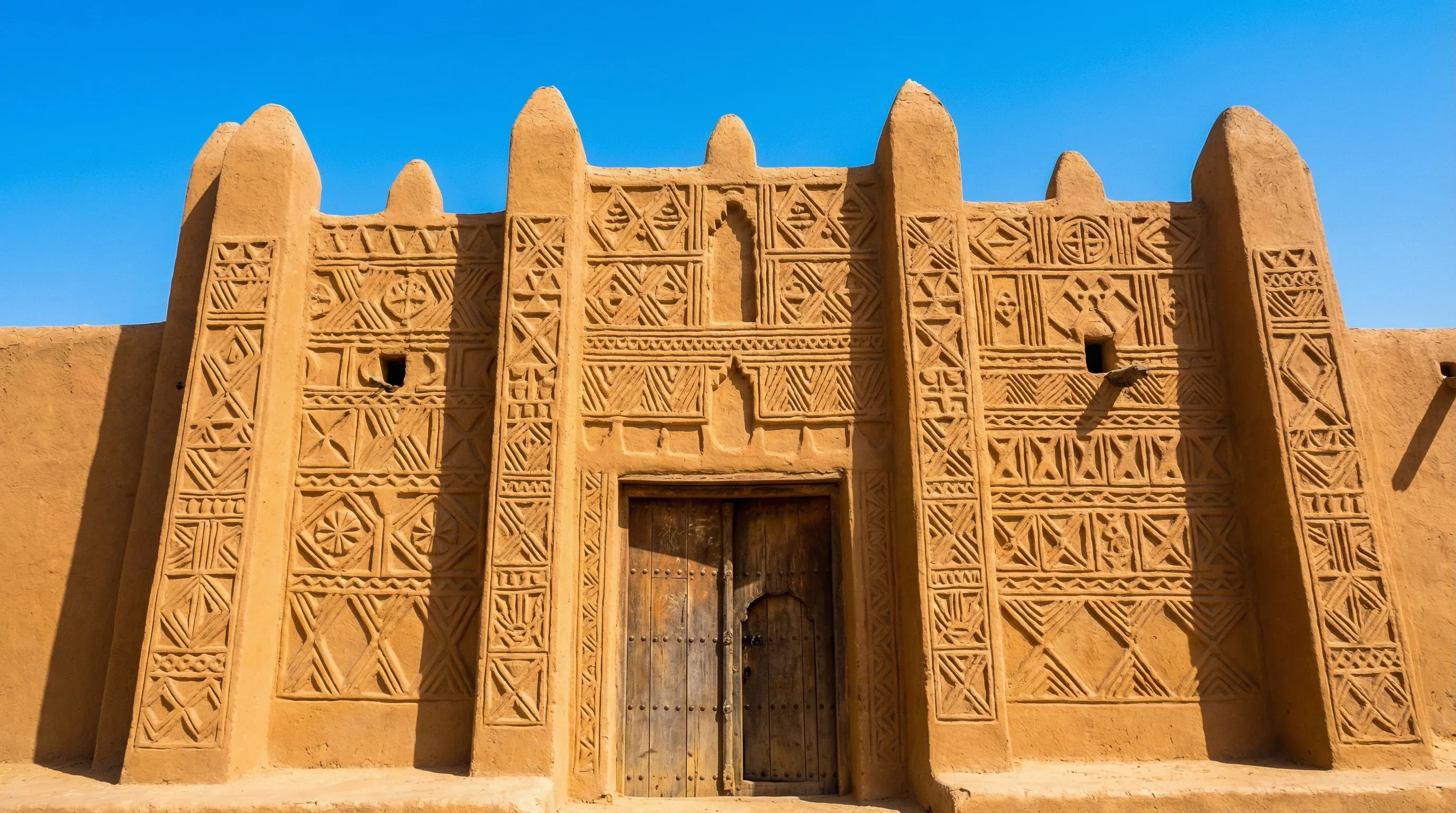
Northern Nigeria offers a landscape and culture distinct from the south. This is the land of the Hausa and Fulani peoples, dominated by the Sahel savanna's flat, arid terrain. The history here runs deep; Kano is one of the oldest continuously inhabited cities in West Africa, historically a key terminus of the trans-Saharan trade. The architecture features traditional mud-brick designs with intricate engravings.
The culture is conservative and deeply Islamic. Visitors will notice the call to prayer echoing across the cities and a slower, more traditional pace of life. The region is famous for the Durbar, a horsemanship festival, though attending requires careful security planning. For families, the heat can be intense, and the dry air is a sharp contrast to the coastal humidity.
Key Attractions
In Kano, the Kofar Mata Dye Pits are a fascinating living history site. Founded over 500 years ago, these pits still use natural indigo to dye cloth in deep underground holes. It is a chemistry lesson and history tour in one, where children can see the raw methods of fabric production. Nearby, the Emir of Kano's Palace (Gidan Rumfa) is a symbol of traditional authority, displaying Hausa architectural excellence.
Remnants of the Ancient Kano City Walls can still be seen, hinting at the city's medieval fortification. In Kaduna, the National Museum Kaduna holds archaeological treasures, including the famous Nok terracottas, which are some of the oldest sculptures in sub-Saharan Africa. However, access to these sites depends heavily on the current security situation.
Practical Advice
Dress modestly; women should cover shoulders and knees, and men should avoid short shorts. Alcohol is prohibited in most public places due to Sharia law. The hottest months are March to May, often reaching 40°C (104°F).
Food & Drink
Typical meal times: Breakfast is early (6:30 am to 8:30 am), lunch 1:00 pm to 2:30 pm, and dinner 7:00 pm to 9:00 pm.
Typical meal costs: Prices are lower than the south. A family meal in a safe venue costs ₦30,000–50,000 (approx. $19–31 USD / €17–29 EUR).
Dietary requirements: The diet is grain and dairy-heavy. Gluten-free is easier here due to rice and corn dishes. Cow's milk (Fura) is a staple.
Signature dishes:
- Tuwo Shinkafa – A soft, mashed rice pudding served as a swallow with soups like Miyan Kuka (baobab leaf soup).
- Masa – Fermented rice cakes, fried until crispy on the outside and sour-sweet on the inside, often eaten for breakfast.
- Fura da Nono – A drink made from fermented cow's milk (Nono) and millet balls (Fura), a traditional Fulani refreshment.
Why this score?
The semi-arid Sahelian climate and vast distances between historical sites create a rugged travel experience. The combination of limited tourist infrastructure and the physical challenges of the terrain makes it a high-adventure, off-the-beaten-path destination.
Why this score?
Healthcare infrastructure in the North is significantly more limited than in the southern cities. While Kano and Kaduna have regional hospitals, they often face shortages of specialized equipment and supplies, making them less suitable for foreign families with complex needs.
Why this score?
While home to significant historical sites like the Ancient Kano City Walls and the Kofar Mata Dye Pits, current regional instability has severely limited international visitor numbers. It remains an emerging or niche destination mostly for intrepid cultural travelers and researchers.

Northern Nigeria is significantly cheaper than Lagos or Abuja. A decent hotel room costs ₦60,000–100,000 (approx. $38–62 USD / €35–58 EUR). Local food is very affordable, with street snacks costing pennies, though tourists should stick to established restaurants for hygiene.

Getting Here & Around
Getting Here
- Airports – Mallam Aminu Kano International Airport (KAN) serves Kano. Kaduna International Airport (KAD) serves Kaduna. Flying is the ONLY recommended method of entry.
- Train – The Abuja-Kaduna train has suffered high-profile security attacks and is not recommended for tourists despite being operational.
Getting Around
- Car – Use hotel-arranged drivers only. Tricycles (Keke Napep) are common for locals but unsafe for tourists due to lack of protection.
Nearby Airports (4 airports)
Katsina Airport
DKAKatsina
Kaduna
KADKaduna
Kano Mallam Aminu International
KANKano
Sadiq Abubakar Iii International
SKOSokoto
View full flight map for Nigeria →

Packing List
Essential for women to cover heads/shoulders in respect of local conservative Islamic culture.
The dry desert wind cracks lips very quickly.
Dust from the Sahara is omnipresent and can irritate children's eyes.
Tight clothing is culturally inappropriate; loose cotton helps with both heat and modesty.
Strictly required for entry; you may be refused boarding or entry without this physical yellow card.
Power outages are a daily occurrence; keep phones and fans charged when the grid goes down.
Voltage fluctuations can destroy sensitive electronics when charging in hotels.
Heat and humidity can be stifling, especially if the air conditioning cuts out during a power switch.
Dusty harmattan winds and eating finger foods (swallow) make frequent hand cleaning essential.
POS machines often fail; cash is king for tips and small vendors.

Activities & Best Times

Urban tourism, museums, historical sites, architecture
Home to the ancient Kano city walls and Gidan Makama Museum, the region offers deep immersion into Hausa history and Islamic architecture. The cool, dry Harmattan season is most comfortable for exploring markets and heritage sites, whereas the extreme pre-monsoon heat makes urban exploration difficult.

Hiking, wildlife, outdoor exploration, ecotourism
Features scenic landmarks like Kagoro Hills and Kufena Hill, providing authentic savanna trekking and rural experiences for active families. Conditions are optimal in the dry winter months; however, heavy monsoon rains in July and August can make trails inaccessible and rural roads challenging.

Events, celebrations, seasonal attractions
The world-renowned Kano Durbar is a spectacular display of equestrian skill and Hausa culture, though its timing shifts annually with the lunar calendar. While the event itself is world-class, the region's overall festival classification remains marginal based on the limited number of major international events currently cataloged.

Scenic drives, countryside tours, route-based travel
The Kano-Katsina segment of the Trans-Saharan Highway and scenic drives through the Kagoro region offer unique Sahelian landscapes. Travel is best during the early dry season when road conditions are most reliable and visibility is not yet fully obscured by heavy Harmattan dust.

Sport tourism, fitness activities, active recreation
Established trekking routes in the Kagoro Hills provide rugged, authentic outdoor challenges for families with older children. Participation is strictly seasonal, requiring the cooler temperatures of the dry season to ensure safety and comfort during physically demanding climbs.

Amusement parks, family entertainment venues
Local entertainment hubs like Hills and Valleys Adventure Family Resort serve regional travelers but lack international-scale infrastructure. Best visited during the cooler, dry months to avoid the oppressive heat of April or the torrential summer rains.

Attractions (8 total)



Public Holidays & Calendar Next 12 months
Public holidays, festivals, cultural celebrations, and seasonal natural phenomena coming up in Northern Nigeria (Kano, Kaduna) over the next 12 months.
Loading holidays and events...

Travel Advisory
All major agencies maintain a baseline advisory to reconsider travel or avoid non-essential trips to Nigeria. While some major cities have slightly lower warnings, the country-wide assessment is driven by widespread threats of kidnapping, terrorism, and violent crime.
Safety Topics
Traveller Advice (3 groups)

Female travelers should dress conservatively and avoid moving alone, particularly after dark. Street harassment and localized violence are significant risks.

Visitors should maintain a low profile, vary their travel routes and times, and establish proof-of-life protocols with family. Comprehensive medical insurance including emergency evacuation is essential due to unreliable local health services.

Personnel working for aid organizations are frequently targeted for kidnapping in northern states, particularly Borno. Infrastructure and supply convoys may also be subject to armed attack.
Agency Summaries
Australia advises a high degree of caution nationwide, suggesting that travelers reconsider their need to visit due to terrorism, kidnapping, and violent crime. Severe 'Do Not Travel' warnings are in place for 26 states. Consular assistance is extremely limited in high-risk regions.
Irish authorities advise against non-essential travel to Nigeria, citing a high threat of domestic terrorism and unpredictable security. Specific northern and Delta states are under a complete 'Do Not Travel' advisory. Citizens are encouraged to register with the embassy upon arrival.
New Zealand recommends avoiding non-essential travel to Nigeria, with the exception of Abuja, Lagos, and Calabar, where travelers should instead exercise increased caution. The threat from extremist groups and banditry is persistent throughout the country.
The FCDO warns against traveling to 21 states across Nigeria due to escalating insecurity. There is a severe threat of kidnapping and terrorist attacks, particularly in the northeast and northwest. Urban areas like Abuja and Lagos experience rising violent crime and volatile protests.
The Canadian government recommends avoiding all travel to most northern, central, and Niger Delta states due to extreme threats of terrorism and kidnapping. For the rest of the country, including Abuja, non-essential travel should be avoided. Visitors to Lagos and Calabar must exercise high vigilance.
U.S. officials urge travelers to reconsider trips to Nigeria because of widespread crime, terrorism, and civil unrest. Specific states in the north and south carry a 'Do Not Travel' warning due to kidnapping and armed gangs. Healthcare services are noted as being inconsistent and unreliable.
Information is provided for general guidance only and does not constitute travel, safety, medical, or legal advice. Conditions may change. Users are responsible for independently verifying information before travel.