
Mavrovo & Western Mountains
Alpine peaks, submerged churches, and wild horses 🌲🐴
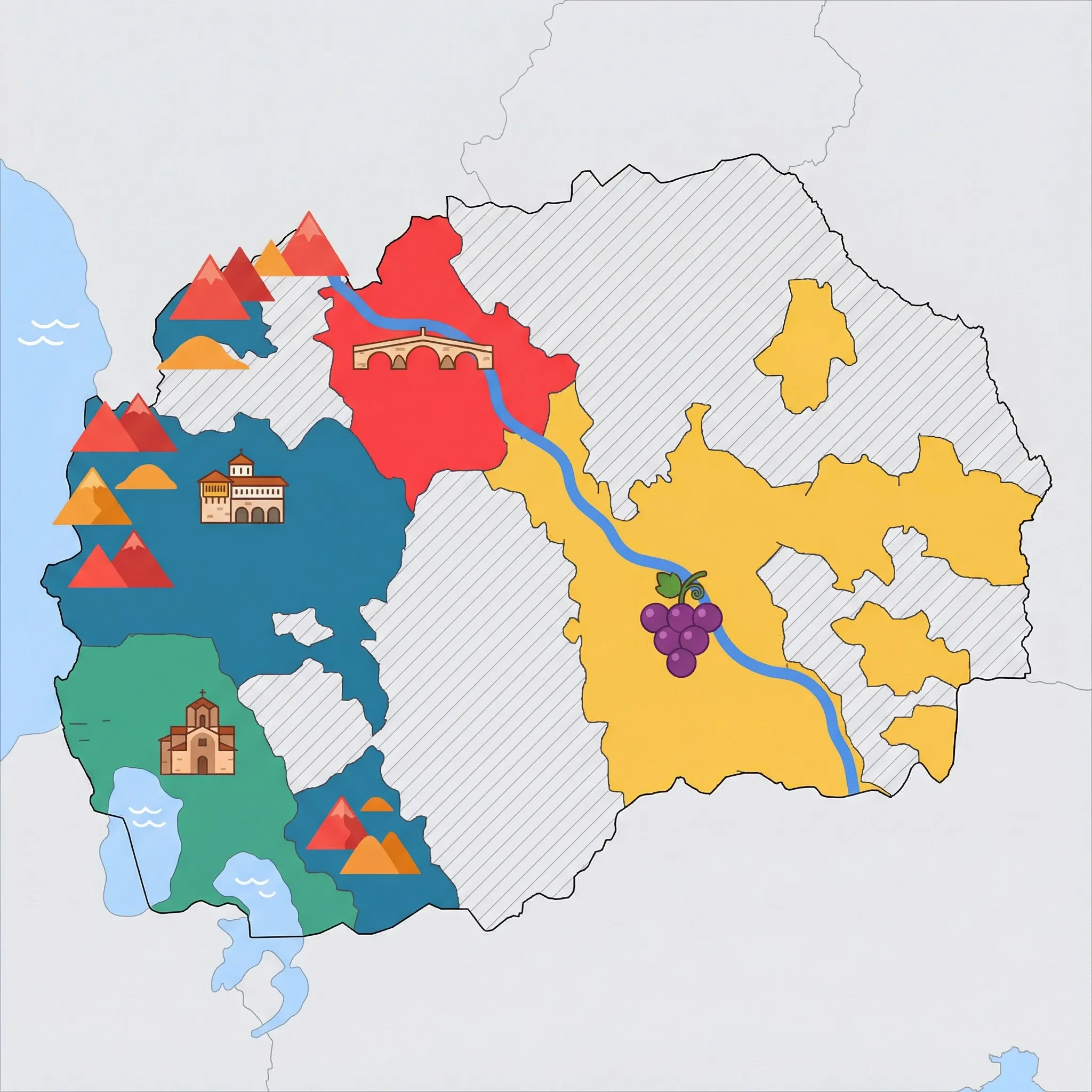
Click a region to explore
The Mavrovo and Western Mountains region is a dramatic shift from the rest of the country—a landscape of deep river canyons, high alpine pastures, and dense beech forests that feel like a fairy tale. Home to the country's largest national park, this area is the premier destination for active families. In winter, it transforms into a snow-covered wonderland for skiing and snowball fights; in summer, it becomes a cool refuge from the Balkan heat, where wild horses roam the hills of Mount Bistra and shepherds still tend to their flocks in traditional ways. The air here is famously clean, and the nights are quiet and starry, offering a peaceful break from city life.
The region is culturally distinct, home to the Mijak people known for their intricate woodcarving, cheese-making, and unique architecture. Villages like Galichnik and Janče cling to steep mountainsides, offering stone houses with slate roofs that look like they have grown out of the rock. For families, the vibe is rustic and adventurous. It’s about putting on hiking boots, eating hearty mountain food, and disconnecting from screens. The sheer scale of the Radika River Canyon can be humbling, and the sight of the half-submerged Church of St. Nicholas in Mavrovo Lake is an image children rarely forget. It is safe, wild, and incredibly scenic.
Key Attractions
The heart of the region is Mavrovo National Park. Families can drive the perimeter of the lake, stop for picnics, or take easy hikes through the woods. The famous "sunken church" in the lake is a must-see photo stop. For winter visits, or summer chairlift rides, the Mavrovo Ski Resort (Zare Lazareski) is the hub of activity. The slopes are generally gentle, making them suitable for children learning to ski, and in summer, the grassy slopes are perfect for running.
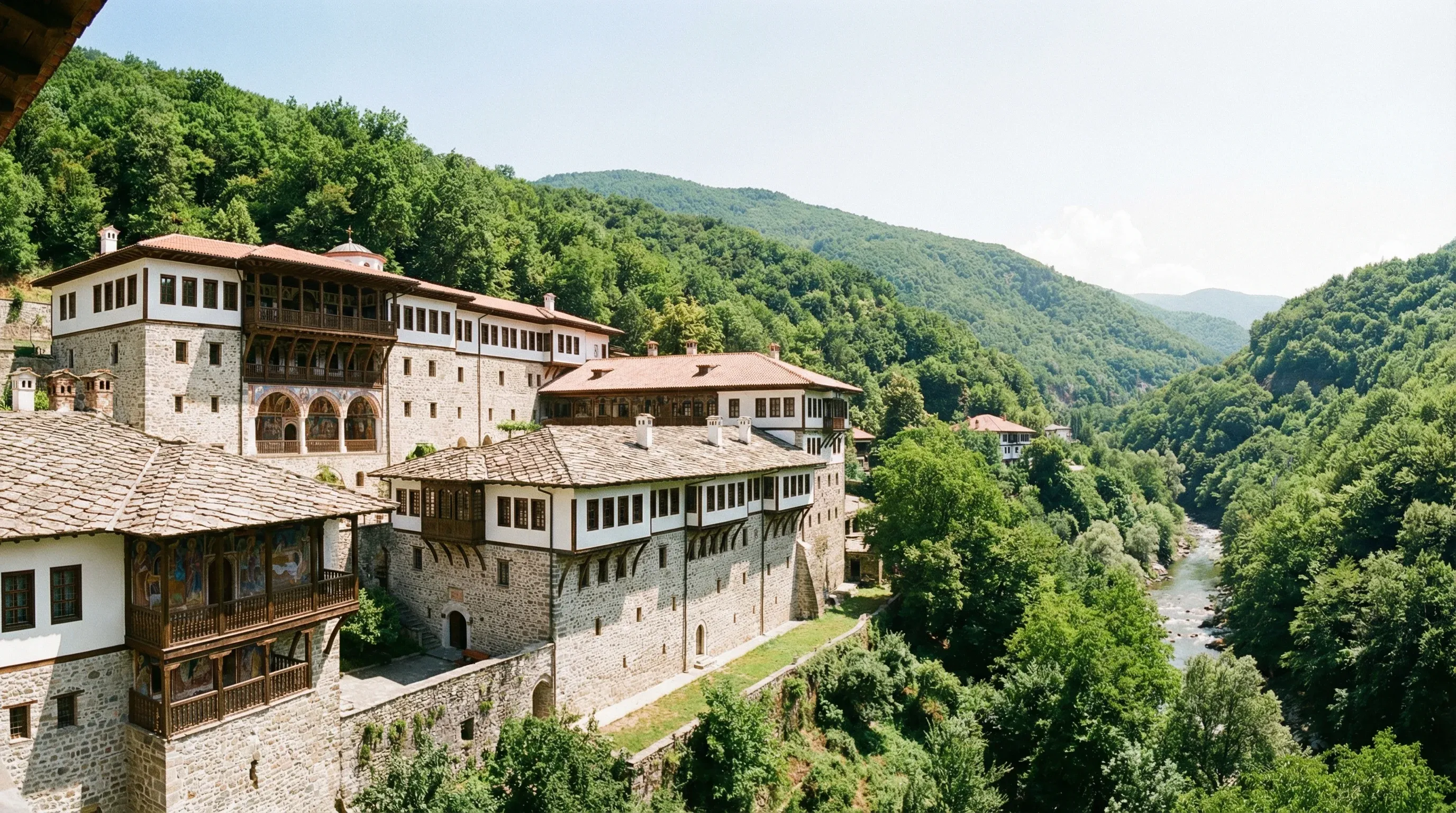
Cultural exploration peaks at Saint Jovan Bigorski Monastery. Perched precariously on a cliffside, this complex is awe-inspiring. The monks are welcoming, and the intricate wood-carved iconostasis is one of the finest in the world—a great "I spy" game for kids to find the hidden figures in the wood. Just down the road, the Banja Kosovrasti thermal baths offer a look at the region's geothermal activity, though the facilities are often more therapeutic/medical than recreational.
Practical Advice
Best time to visit: January–March for snow sports. June–September for hiking and festivals (the Galichnik Wedding Festival in July is famous). Note that even in August, evenings can be chilly (10-15°C / 50-60°F), so warm layers are essential.
Logistics: A car is vital. Public transport will get you to the Mavrovo dam, but not to the scattered villages or trailheads. The roads are paved but twisty; the drive through the Radika Canyon is scenic but requires concentration. Gas stations are sparse once you leave the main lake area.
Food & Drink
Typical meal times: Mountain air builds an appetite. Lunch is hearty and served 1:00 pm to 4:00 pm. Dinner is typically 7:00 pm to 9:00 pm.
Typical meal costs: Prices are moderate. A substantial dinner costs 600–1,200 MKD (approx. $10–21 USD / €9.50–19 EUR) per person.
Dietary requirements: This is dairy and meat country. Vegetarians will love the local cheeses and pies (burek/zelnik). Vegans will struggle, as butter, cheese, and eggs are staples.
Signature dishes:
- Galichki Sir (Cheese) – A hard, yellow sheep cheese produced in the high pastures of Galichnik. It is salty, tangy, and world-class.
- Kačamak / Bakrdan – A hearty cornmeal porridge (polenta style) often served with sour milk and chunks of feta cheese; perfect fuel for hiking.
- Slow-roasted Lamb – The region is famous for lamb roasted in clay ovens, tender enough to fall off the bone.
Why this score?
Home to the country's highest peaks and Mavrovo National Park, the region offers rugged terrain for trekking, mountain biking, and skiing. Remote villages like Galichnik provide a sense of isolation and traditional mountain living that appeals to adventurous families.
Why this score?
Healthcare is limited to basic clinics in mountain villages, with the nearest standard hospitals located in Tetovo or Gostivar. Most visitors are several hours away from the comprehensive medical infrastructure found in the capital, making emergency logistics challenging.
Why this score?
This region is a popular seasonal retreat for locals and Balkan neighbors for skiing and hiking, but it remains niche for most global travelers. Its international appeal is limited to outdoor enthusiasts and those visiting the iconic Saint Jovan Bigorski Monastery.

Accommodation prices spike during the ski season (Dec-Feb) and the Galichnik Wedding (July). Expect to pay 3,000–6,000 MKD (approx. $53–105 USD / €48–97 EUR) for a family apartment or cabin. Ski passes are cheaper than the Alps but cost around 1,200 MKD (approx. $21 USD / €19 EUR) per day. Food remains good value year-round.

Getting Here & Around
Getting Here
- Car – From Skopje, take the Tetovo-Gostivar highway, then the scenic mountain road towards Mavrovo. The drive takes about 1.5 hours to the park entrance.
- Bus – Buses from Skopje to Debar stop at Mavrovi Anovi (by the dam), but frequency is limited (3-4 times daily). From there, you are stranded without a taxi.
- Transfer – Many hotels in Mavrovo Ski Resort offer shuttle services from Skopje Airport if booked in advance.
Getting Around
- Car – The only viable way to explore the Mavrovo National Park thoroughly. The road from Mavrovo to Debar (along the Radika) is one of the most scenic drives in the Balkans.
- Cycling – Mountain biking is huge here. You can rent bikes at the ski resort or local hotels to ride the trail around the lake (approx. 30km flat-ish loop).
- Walking – Excellent for hiking, but distances between villages like Galichnik and Janče are too far to walk for casual tourists with kids.
No airports in this region. See the country flight map for nearby connections.
Official Links

Packing List
Legally required in winter and absolutely necessary for accessing Galichnik or the ski center.
Temperatures drop sharply at night due to high altitude; it can be 12°C while Skopje is 35°C.
The road to the monastery and villages is extremely winding.
ATMs are scarce outside Mavrovi Anovi; village shops often don't take cards.
Beaches at Lake Ohrid are often pebbly or rocky; these protect feet and prevent slipping.
Required for women to cover shoulders (and sometimes heads) when entering orthodox monasteries.
The roads to Ohrid and Mavrovo are scenic but very winding; essential for sensitive kids.
You may need to remove shoes frequently when visiting mosques or private guesthouses.

Activities & Best Times

Hiking, wildlife, outdoor exploration, ecotourism
While Mount Korab and the High Scardus Trail are significant, this rating places North Macedonia on par with globally elite adventure destinations like the Alps or Patagonia. The region offers strong adventure tourism but lacks the international recognition and infrastructure density for 'excellent' by global standards.

Urban tourism, museums, historical sites, architecture
The presence of the Saint Jovan Bigorski Monastery and the Galichnik Architectural Reserve provides world-class heritage immersion. Peak season coincides with the Galichnik Wedding Festival in July and optimal access to remote mountain villages before winter snows isolate them.

Scenic drives, countryside tours, route-based travel
The notes describe 'spectacular scenic drives' through Radika Canyon and Mount Bistra. This contradicts the 'marginal' rating and is inconsistent with similar road trip offerings in Ohrid and Eastern Macedonia which are rated 'good'.

Winter sports, ski resorts, snow activities
As North Macedonia's premier ski destination with established resort infrastructure, Mavrovo should be differentiated from basic/marginal facilities. While not world-class by Alpine standards, it offers solid winter sports infrastructure suitable for a national ski holiday destination.

Sport tourism, fitness activities, active recreation
Purpose-built infrastructure for horse riding and the Mavrovo Adventure Park support high-quality active family tourism. These facilities operate primarily during the dry summer window when high-altitude trails are safe for riding and cycling.

Spa retreats, wellness centers, peaceful getaways
The thermal bath complexes at Banjishte and Kosovrasti provide authentic medicinal and restorative experiences in a dramatic canyon setting. While the pools are indoor, the overall experience is best in warmer months when travelers can enjoy the surrounding natural scenery.




Public Holidays & Calendar Next 12 months
Public holidays, festivals, cultural celebrations, and seasonal natural phenomena coming up in Mavrovo & Western Mountains over the next 12 months.
Loading holidays and events...

Travel Advisory
All major agencies agree that North Macedonia is safe for travel with standard safety awareness. No significant security or safety warnings are currently active for the country.
Safety Topics
Traveller Advice (3 groups)

Female travellers should follow standard safety precautions, particularly when travelling alone at night in less populated areas.

While same-sex relations are legal, social acceptance varies and public displays of affection might attract negative attention in some areas.
Infrastructure for accessibility can be limited; travellers are encouraged to research specific facilities and transport options in advance.
Agency Summaries
No specific travel restrictions are in place. Guidance focuses on administrative requirements like police registration, driving regulations, and seasonal environmental risks like wildfires.
Visitors should follow typical safety protocols. It is essential to comply with local police registration rules and maintain awareness of surroundings at night.
Standard safety measures are recommended. Be alert for petty crime and follow local updates regarding political rallies or environmental hazards such as summer forest fires.
The country is considered generally safe for visitors, similar to safety standards in Canada. Travellers should focus on securing personal items and being mindful in crowded urban settings.
There is no specific travel warning for this destination. Travellers are advised to maintain standard security awareness and ensure they have comprehensive insurance.
North Macedonia is overall safe for travel. Visitors should maintain standard awareness, particularly regarding pickpocketing in Skopje and occasional political demonstrations.
Information is provided for general guidance only and does not constitute travel, safety, medical, or legal advice. Conditions may change. Users are responsible for independently verifying information before travel.