
Rota
The Friendly Island: Unspoiled nature and crystal-clear swimming holes 🌴🌊
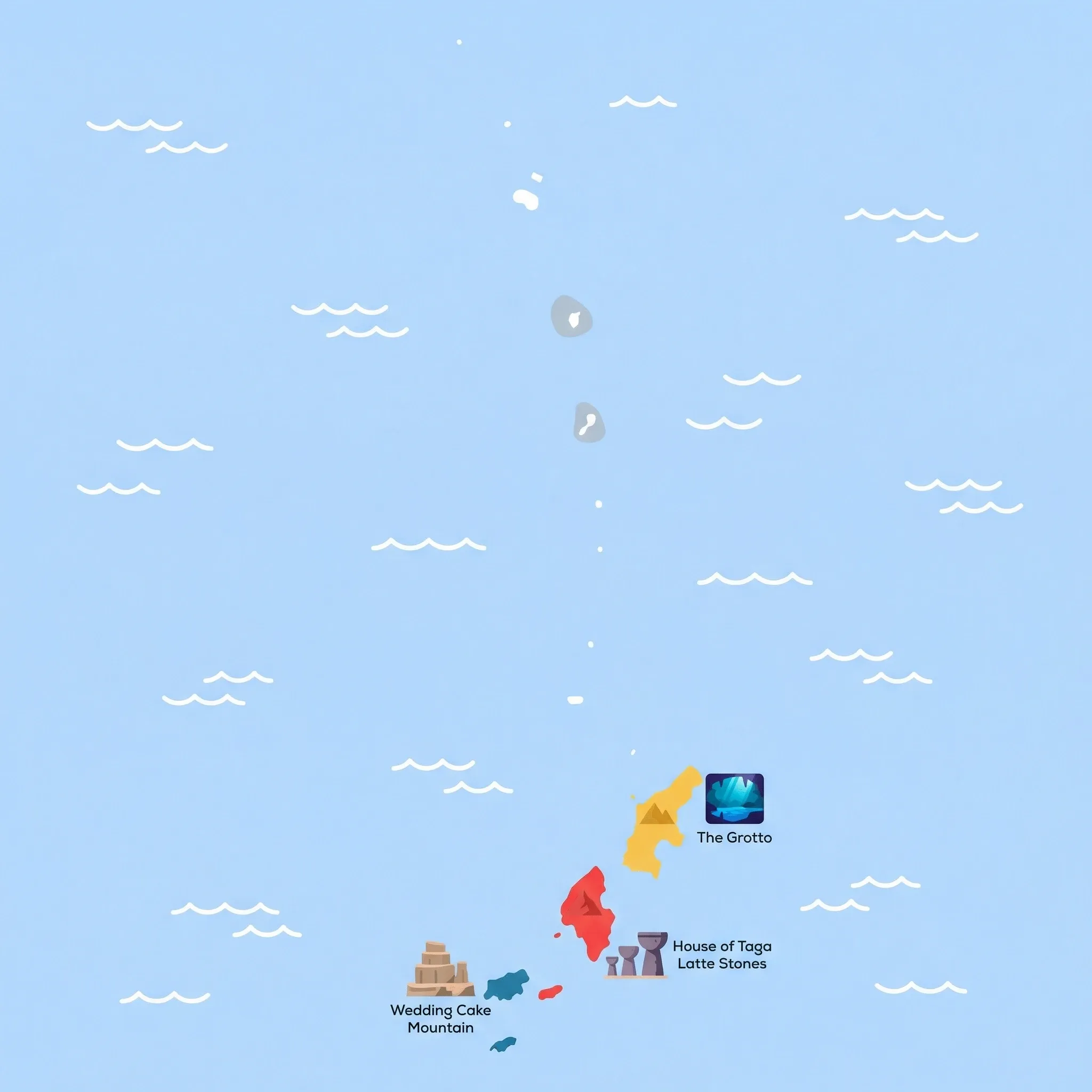
Click a region to explore
Overview
Rota is often described as the jewel of the Northern Marianas, a place where time seems to slow down and nature takes centre stage. For families seeking an escape from the bustle of resort-heavy destinations, Rota offers a genuine "island life" experience. The island is small, friendly, and incredibly safe, making it a relaxing playground for parents and children alike. Geographically, it is defined by its limestone terraces and lush tropical vegetation, distinct from the volcanic peaks of the northern islands. The climate is tropical and warm year-round, with refreshing trade winds that make outdoor exploration pleasant even in the heat of the day.
Culturally, Rota is the heartland of Chamorro hospitality. The locals are famous for their warmth—hence the moniker "The Friendly Island"—and visitors are often treated like extended family. Unlike the busier Saipan, Rota has fewer commercial distractions, allowing families to connect through simple pleasures: picnic lunches on deserted beaches, discovering hidden caves, and watching the sunset over Songsong Village. The island's lack of major development means light pollution is minimal, offering children a dazzling view of the Milky Way after dark. It is a destination that teaches young travellers to appreciate raw nature, from the distinct calls of the endangered Mariana Crow (Aga) to the gentle rustle of coconut palms at Tweksberry Park.
Key Attractions
While Rota does not have the large-scale theme parks of major tourist hubs, its natural attractions are world-class. The Rota Swimming Hole is the island's most iconic spot for families. This natural limestone coral pool, fed by the ocean waves crashing over a barrier reef, provides a protected, aquarium-like environment where children can snorkel safely in calm, translucent water. It is a magical spot for introducing little ones to marine life without the currents of the open sea.
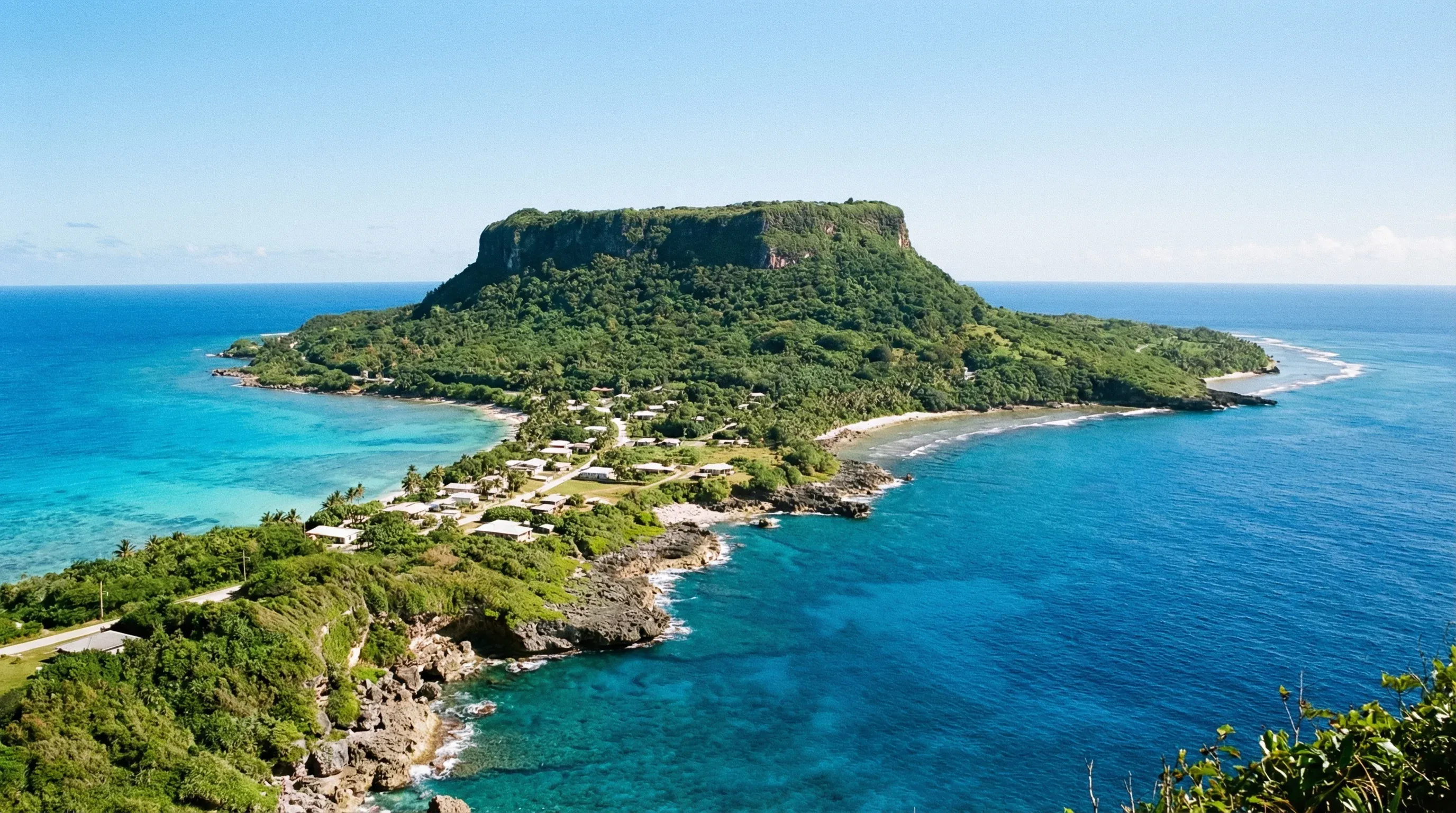
Another must-visit is the As Nieves Latte Stone Quarry. Here, families can walk among the largest latte stones (ancient megalithic pillars) ever quarried, some remaining unfinished in the ground. It is a fascinating history lesson that sparks the imagination about how ancient Chamorro people carved and moved these massive structures. For a scenic drive, the overlook at Songsong Village offers a perfect view of Mount Taipingot, affectionately known as "Wedding Cake Mountain" due to its layered shape—a fun landmark for kids to spot.
Practical Advice
The best time to visit Rota is during the dry season, roughly from December to June, when rainfall is lower and the seas are calmer. However, the island is a year-round destination. Families should be aware that tourism infrastructure is modest; there are only a few hotels and limited shops. Renting a car is absolutely essential as there is no public transport system. Bring cash (USD), as some smaller mom-and-pop stores may not accept cards, though the main hotels do.
Food & Drink
Typical meal times: Lunch is generally served from 11:00 am to 1:30 pm, and dinner from 6:00 pm to 8:30 pm. Restaurants close early compared to major cities.
Typical meal costs: A casual meal costs around $12–18 USD (approx. €11–16 / £9–14). A nicer dinner at a hotel restaurant runs $25–40 USD (approx. €23–37 / £20–32).
Dietary requirements: Options are somewhat limited. Fresh fish and vegetables are abundant, but strict vegan or gluten-free menus are rare. It is advisable to communicate allergies clearly and perhaps bring specific snacks for children with strict dietary needs.
Signature dishes:
- Ayuyu – The coconut crab, a local delicacy often prepared in coconut milk, though consumption is regulated to protect the species.
- Kadon Pika – A spicy chicken stew braised in soy sauce, vinegar, and hot peppers (ask for a non-spicy version for kids).
- Titiyas – Flatbread made from flour or corn, similar to a tortilla but thicker and sweeter, often served as a side dish.
- Apigigi – A sweet treat children love, made of grated cassava and coconut, wrapped in banana leaves and grilled.
Why this score?
The island offers a rugged escape with limestone caves, the Sagua'gaga Seabird Sanctuary, and the undeveloped Wedding Cake Mountain. Its lack of mass tourism infrastructure requires visitors to be more self-sufficient, though the terrain itself is manageable for active families.
Why this score?
Medical services are very limited, consisting primarily of a small public health center for basic care. Any serious medical emergencies or specialized pediatric needs require an expensive and time-consuming medevac flight to Saipan or Guam.
Why this score?
Rota is a very niche destination receiving only a tiny fraction of the Northern Mariana Islands' already modest visitor count. While known for its 'friendly island' atmosphere and the Rota Hole, its limited flight connectivity and lack of large-scale resort infrastructure keep international arrival numbers extremely low.

Rota is moderately priced, largely due to the cost of importing goods. Accommodation is limited but generally affordable compared to luxury resort destinations. A standard hotel room costs $100–160 USD (approx. €92–148 / £78–125) per night. Car rentals are pricier than the mainland, often $50–70 USD (approx. €46–65 / £39–55) per day. Dining is reasonable, with generous portions.

Getting Here & Around
Getting Here
- Airports – Rota International Airport (ROP) is the only entry point.
- Flights – Small commuter aircraft (Star Marianas Air) fly daily from Saipan (approx. 30 mins) and Guam (approx. 30 mins). These are small propeller planes, which can be an exciting adventure for children.
Getting Around
- Car Rental – Essential. There is no public transport, taxis are rare, and attractions are spread out. The roads are generally paved but can be bumpy in remote areas.
- Driving – Traffic is virtually non-existent. Drivers are courteous and slow-paced. Watch out for local wildlife crossing the roads.
No airports in this region. See the country flight map for nearby connections.
Official Links

Packing List
The swimming hole and beaches have sharp coral and limestone rocks.
Rental shops are scarce; bring your own masks for the kids.
Many small local vendors and snack stands do not accept credit cards.
Street lighting is minimal; useful for evening walks or power fluctuations.
CNMI law bans toxic sunscreens to protect coral; buy zinc/titanium-based brands.
Many beaches have sharp coral rubble near the shore that cuts bare feet.
UV intensity is extreme here; clothing protects better than sunscreen for long swims.
Essential for keeping drinks cold on remote beaches in Tinian/Rota with no vendors.
Protects electronics during the small boat transfer to Managaha Island.

Activities & Best Times

Hiking, wildlife, outdoor exploration, ecotourism
Features unique geological sites like the Rota Hole and the bird sanctuaries of the Sabana Plateau, offering authentic immersion in Micronesian ecosystems. Travel is best during the drier months to ensure trail accessibility and optimal wildlife viewing.

Urban tourism, museums, historical sites, architecture
While the Taga Stone Quarry is archaeologically significant, a single megalithic site does not justify very_good on international calibration standards. Good is appropriate for a notable but singular cultural attraction.

Sport tourism, fitness activities, active recreation
The island's perimeter route and technical trails up Wedding Cake Mountain are popular for cycling and hiking. The dry season provides the most stable conditions for these physically demanding outdoor activities.
Beach resorts, marine activities: diving, snorkelling, kite surfing, wind surfing, sailing
Rota Blue water clarity is notable, but limited beach infrastructure and variety compared to international good-tier beach destinations (Thailand, Caribbean, Mediterranean). Marginal better reflects authentic visitor experience.

Scenic drives, countryside tours, route-based travel
While small, the island offers a charming coastal loop and a scenic drive to the Sabana Plateau with views of Wedding Cake Mountain. Heavy tropical rains and potential typhoon conditions from July to November make driving less favorable during the wet season.

Attractions (7 total)



Public Holidays & Calendar Next 12 months
Public holidays, festivals, cultural celebrations, and seasonal natural phenomena coming up in Rota over the next 12 months.
Loading holidays and events...

Travel Advisory
All major agencies agree that the Northern Mariana Islands are a safe destination requiring only standard travel safety awareness. No elevated security warnings are currently in place.
Safety Topics
Traveller Advice (2 groups)

Women traveling independently may experience occasional verbal abuse or harassment; maintaining awareness in unpopulated areas after dark is recommended.

Maintain standard personal security vigilance, secure valuables on beaches and in vehicles, and obtain comprehensive travel insurance that includes medical evacuation coverage.
Agency Summaries
British nationals should follow standard precautions similar to those in the United States. Entry requirements follow U.S. federal laws, including ESTA or specific island-based travel authorizations.
The environment is stable with a security situation comparable to Australia. Travelers are advised to be mindful of petty theft and monitor weather during the storm season.
Travelers should maintain standard safety awareness. Petty crime is the primary concern, while seasonal typhoons and active volcanoes in the north pose natural risks.
As a U.S. territory, the Northern Mariana Islands do not have an international travel advisory level; however, the region is generally considered safe for visitors with standard vigilance.
New Zealand currently has no specific travel warning for the islands, suggesting a safe environment. Emphasis is placed on health precautions and having comprehensive insurance.
Ireland advises standard safety measures. Entry follows U.S. rules, and visitors should ensure their travel insurance covers the Pacific region, including medical evacuations.
Information is provided for general guidance only and does not constitute travel, safety, medical, or legal advice. Conditions may change. Users are responsible for independently verifying information before travel.