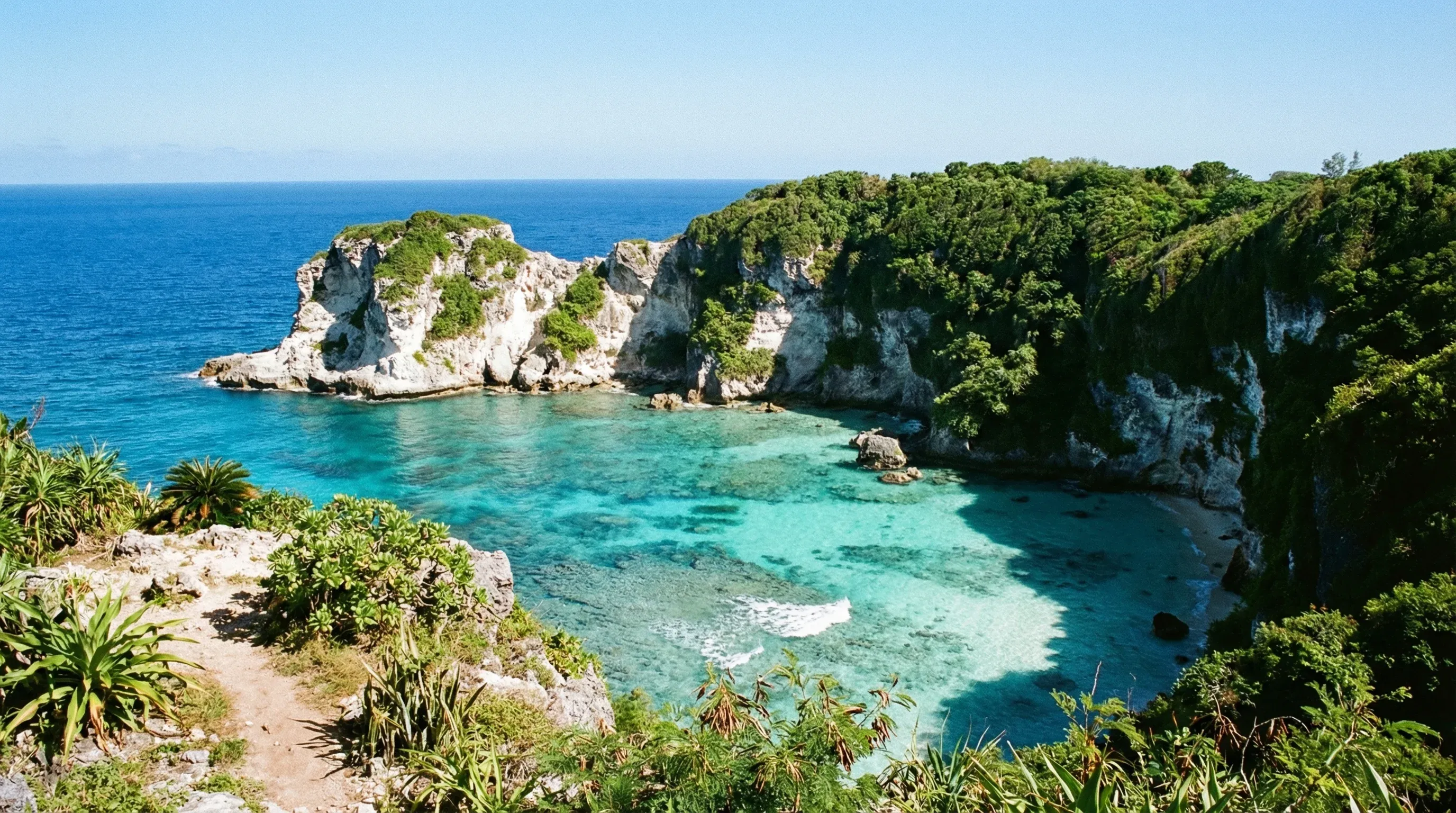

Saipan
Tropical adventures and living history in the Pacific 🌺⚓
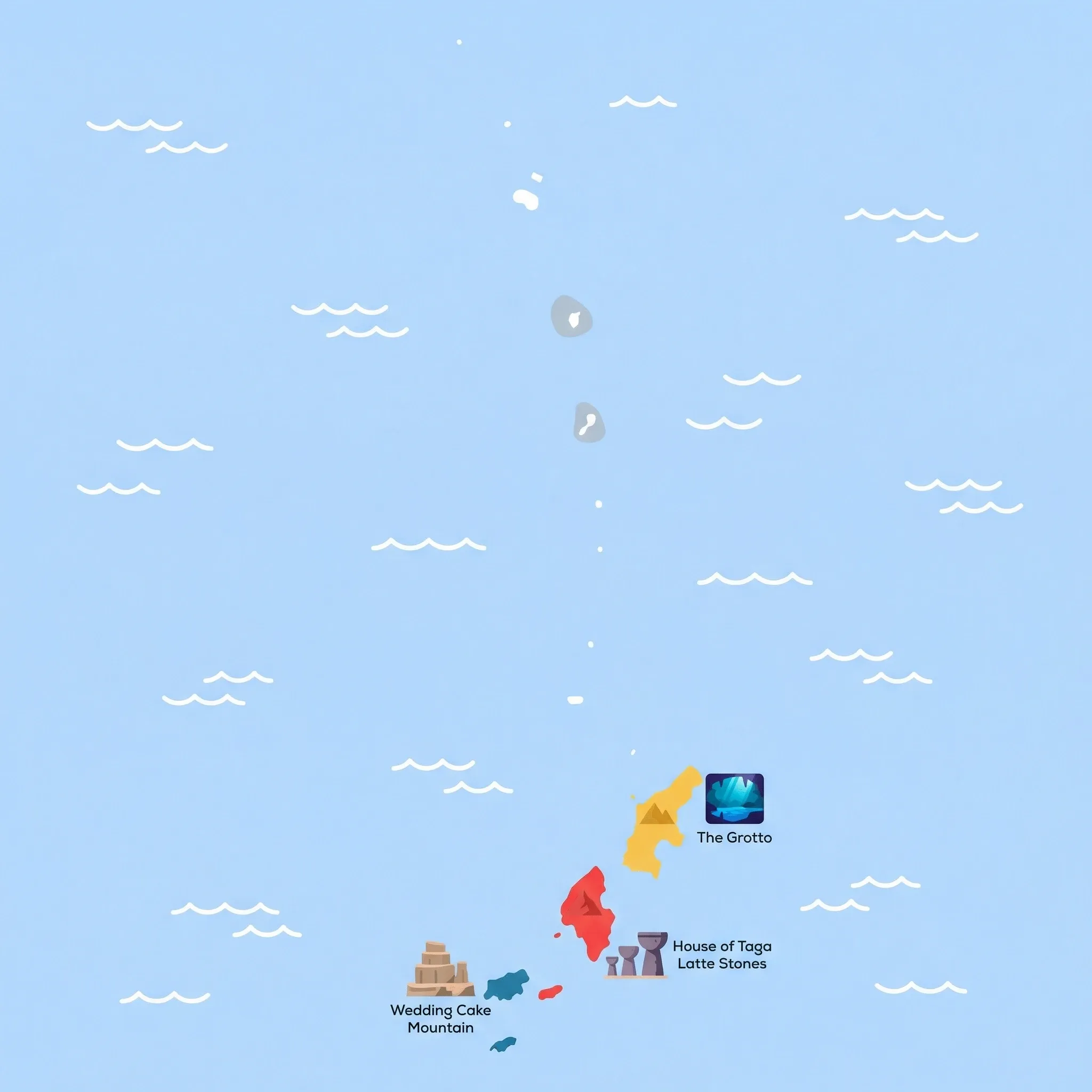
Click a region to explore
Overview
Saipan offers the perfect blend of modern comfort and raw island beauty, making it the most accessible and family-friendly destination in the archipelago. The island's geography is a dramatic mix of limestone cliffs, lush jungle interiors, and calm western lagoons protected by barrier reefs. For families, this means you can hike a mountain in the morning and float in a placid turquoise ocean in the afternoon. The climate is equable and warm, known by the Guinness Book of World Records for having the most consistent temperature in the world, hovering around 84°F (29°C) year-round.
The island is a melting pot of Chamorro, Carolinian, and American cultures, with influences from its Spanish, German, and Japanese colonial past. This rich tapestry is visible everywhere, from the architecture to the food festivals. Families will find Saipan welcoming and easy to navigate, with English universally spoken and the US dollar as currency. Unlike more remote islands, Saipan has full-service resorts, supermarkets, and a hospital, providing peace of mind for parents travelling with younger children. Whether you are exploring the poignant history of the Pacific War or simply building sandcastles on Micro Beach, Saipan delivers a stress-free tropical escape.
Key Attractions
No family trip to Saipan is complete without a short boat ride to Managaha Island. This tiny islet within the lagoon is a postcard-perfect slice of paradise with shallow, calm waters ideal for toddlers and beginner snorkelers. The centre of the island has facilities, shade, and places to eat, allowing for a comfortable full day of sun and sea. Back on the main island, active families should drive to the summit of Mount Tapochau. As the highest point on the island, it offers a 360-degree view that is breathtaking; on a clear day, you can see the neighbouring islands of Tinian and Rota.
For a dose of history that is accessible to children, visit the American Memorial Park. The visitor centre has excellent interactive exhibits explaining the strategic importance of the island during WWII, and the surrounding parkland is perfect for a gentle family stroll. Further north, the dramatic cliffs of Banzai Cliff and Suicide Cliff offer sobering but spectacular viewpoints where older children can learn about the island's wartime past in a respectful, open-air setting.
Practical Advice
Saipan is a year-round destination, though typhoon season (July to November) can bring storms; always check the forecast. Car rental is highly recommended to reach the northern cliffs and hidden beaches, though shuttle buses run between major hotels and the shopping district in Garapan. Sun protection is critical here as the UV index is extreme—bring high-SPF reef-safe sunscreen and hats for the kids.
Food & Drink
Typical meal times: Breakfast 7:00 am to 10:00 am, lunch 11:30 am to 2:00 pm, and dinner 6:00 pm to 9:30 pm. Some resort restaurants stay open later.
Typical meal costs: Street food or local lunch plates cost $10–15 USD (approx. €9–14 / £8–12). A sit-down dinner in a mid-range restaurant costs $25–45 USD (approx. €23–42 / £20–35) per person.
Dietary requirements: Vegetarian and gluten-free options are available in Garapan and major resorts, which cater to international tourists (especially from Japan and Korea). Smaller local eateries may rely heavily on meat and soy sauce.
Signature dishes:
- Chicken Kelaguen – Chopped chicken cooked in lemon juice, fresh coconut, and spicy peppers (similar to ceviche), served with tortillas.
- Red Rice (Hineksa Agaga) – Rice coloured with achote (annatto) seeds, a staple side dish at every fiesta and BBQ.
- Beef Tinaktak – Thinly sliced beef cooked in coconut milk with vegetables, a mild and creamy comfort food kids usually love.
- Saison – A light, refreshing fish soup often cooked with vinegar and vegetables.
Why this score?
Saipan offers a mix of developed resort life and outdoor adventure, with world-class diving at the Grotto and hiking on Forbidden Island. While the Marpi region and Mount Tapochau provide rugged terrain, the island's paved roads and accessible historical sites make it more comfortable than adventurous.
Why this score?
Saipan is home to the Commonwealth Healthcare Corporation, a full-service hospital that provides the highest level of care in the CNMI. While it follows U.S. standards and has English-speaking staff, it may lack the highly specialized equipment and sub-specialists found in major global medical hubs.
Why this score?
As the primary gateway and capital, Saipan hosts the vast majority of the territory's 96,000 annual visitors, mostly from East Asian markets. It features established resort districts like Garapan and famous landmarks such as the Grotto, though it remains a small-scale destination compared to regional hubs like Guam.

Saipan is comparable to a mid-range US beach destination. A family resort room costs $180–300 USD (approx. €165–275 / £140–235) per night. Budget hotels are available for $80–120 USD (approx. €75–110 / £60–95). Dining varies widely; you can find affordable bento boxes for $8 USD (approx. €7 / £6) or spend $80 USD (approx. €75 / £60) at a hotel buffet.

Getting Here & Around
Getting Here
- Airports – Saipan International Airport (SPN) is the main gateway.
- Flights – Direct flights arrive from Seoul, Tokyo, and Guam. Visitors from the US mainland or Europe typically connect via Seoul (Incheon) or Guam.
Getting Around
- Car Rental – The most convenient way for families to explore. Parking is generally free and easy.
- Taxis & Shuttles – Taxis can be expensive. Many hotels in Garapan offer free shopping shuttles, but they don't cover the northern attractions like Banzai Cliff.
- Walking – The Garapan tourist district is walkable, with shops, restaurants, and American Memorial Park close by.
Nearby Airports (1 airport)
Saipan
SPNSaipan
View full flight map for Northern Mariana Islands →
Official Links

Packing List
The tropical sun is very strong; UV protective clothing is better than just sunscreen.
Outlets are US standard (Type A/B); visitors from UK/EU will need adapters.
Essential for capturing photos during boat trips to Managaha.
Car rental is the best way to see the island; don't forget your license.
CNMI law bans toxic sunscreens to protect coral; buy zinc/titanium-based brands.
Many beaches have sharp coral rubble near the shore that cuts bare feet.
UV intensity is extreme here; clothing protects better than sunscreen for long swims.
Essential for keeping drinks cold on remote beaches in Tinian/Rota with no vendors.
Protects electronics during the small boat transfer to Managaha Island.

Activities & Best Times

Hiking, wildlife, outdoor exploration, ecotourism
Excellent rugged exploration through trails like Forbidden Island and marine sanctuaries that offer authentic island wilderness experiences. Best visited from January to May when trails are dry and accessible, avoiding the high risk of tropical storms and heavy mud during the wet season.

Beach resorts, marine activities: diving, snorkelling, kite surfing, wind surfing, sailing
Managaha Island's pristine beaches, combined with northern coastal areas and exceptional marine environment (snorkeling, diving infrastructure) justify very_good. The Grotto itself is diving-focused, but the overall beach/sea offering is strong.

Urban tourism, museums, historical sites, architecture
Saipan is a premier global destination for WWII Pacific history, featuring poignant landmarks like the Last Command Post and Banzai Cliff. Tourism peaks in the dry months when these significant outdoor memorial sites are comfortable to visit without the disruption of intense tropical downpours.

Learning experiences, scientific sites, historical education
The NMI Museum, American Memorial Park, and extensive WWII historical sites provide substantial educational value. This is underrated at marginal.

Sport tourism, fitness activities, active recreation
The island's rugged topography provides challenging trekking infrastructure, particularly on the Mount Tapochau and Forbidden Island trails. Activity peaks from January to May to ensure safe footing and more manageable humidity levels for physically demanding exploration.

Scenic drives, countryside tours, route-based travel
The Marpi Scenic Drive is attractive but represents a single coastal route on a small island. This does not meet the threshold for good (which implies multiple routes, variety, destination complexity).




Public Holidays & Calendar Next 12 months
Public holidays, festivals, cultural celebrations, and seasonal natural phenomena coming up in Saipan over the next 12 months.
Loading holidays and events...

Travel Advisory
All major agencies agree that the Northern Mariana Islands are a safe destination requiring only standard travel safety awareness. No elevated security warnings are currently in place.
Safety Topics
Traveller Advice (2 groups)

Women traveling independently may experience occasional verbal abuse or harassment; maintaining awareness in unpopulated areas after dark is recommended.

Maintain standard personal security vigilance, secure valuables on beaches and in vehicles, and obtain comprehensive travel insurance that includes medical evacuation coverage.
Agency Summaries
British nationals should follow standard precautions similar to those in the United States. Entry requirements follow U.S. federal laws, including ESTA or specific island-based travel authorizations.
The environment is stable with a security situation comparable to Australia. Travelers are advised to be mindful of petty theft and monitor weather during the storm season.
Travelers should maintain standard safety awareness. Petty crime is the primary concern, while seasonal typhoons and active volcanoes in the north pose natural risks.
As a U.S. territory, the Northern Mariana Islands do not have an international travel advisory level; however, the region is generally considered safe for visitors with standard vigilance.
New Zealand currently has no specific travel warning for the islands, suggesting a safe environment. Emphasis is placed on health precautions and having comprehensive insurance.
Ireland advises standard safety measures. Entry follows U.S. rules, and visitors should ensure their travel insurance covers the Pacific region, including medical evacuations.
Information is provided for general guidance only and does not constitute travel, safety, medical, or legal advice. Conditions may change. Users are responsible for independently verifying information before travel.