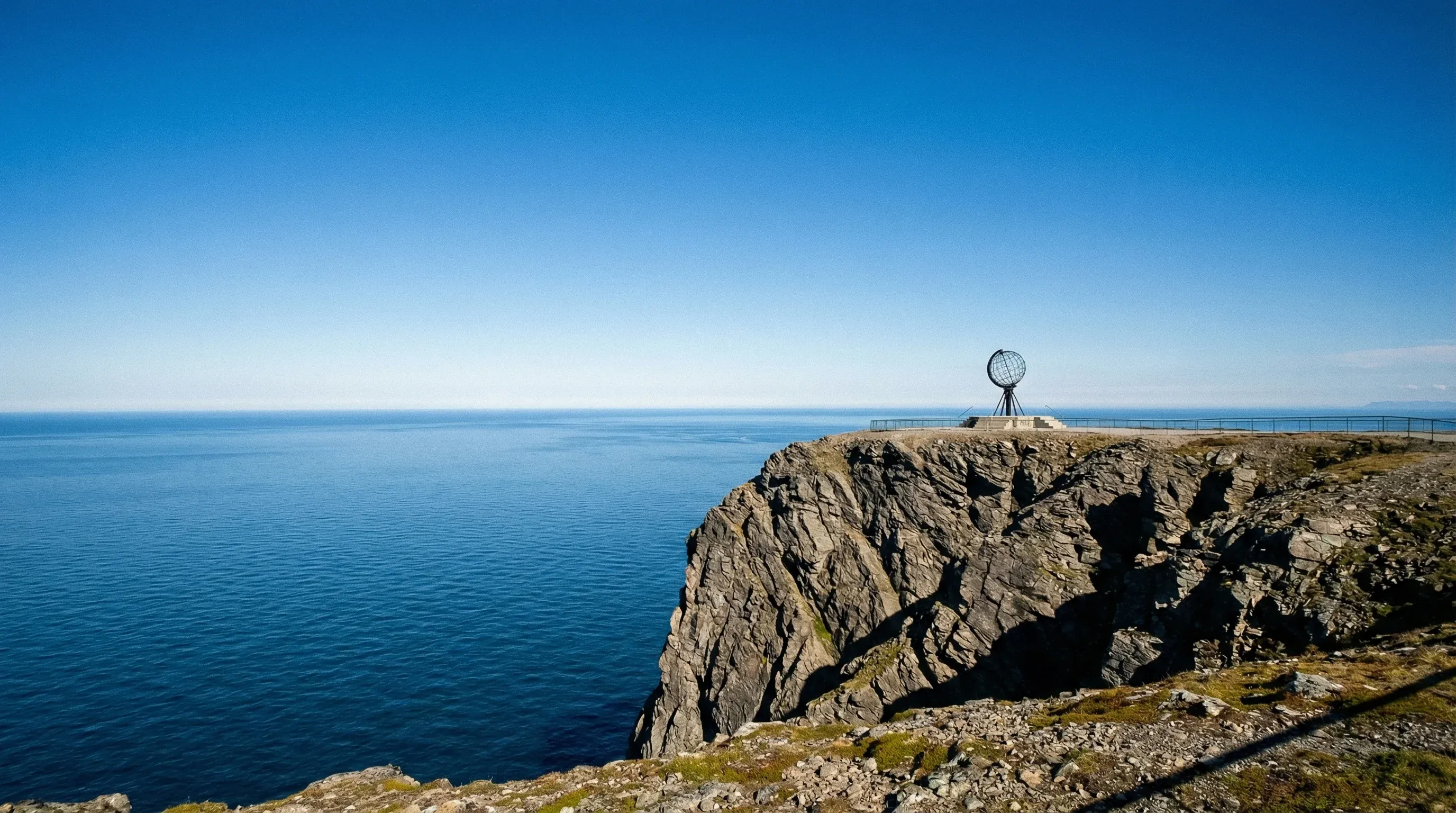

Northern Norway (Tromsø, North Cape)
Arctic adventures under the Aurora and Midnight Sun 🌌❄️
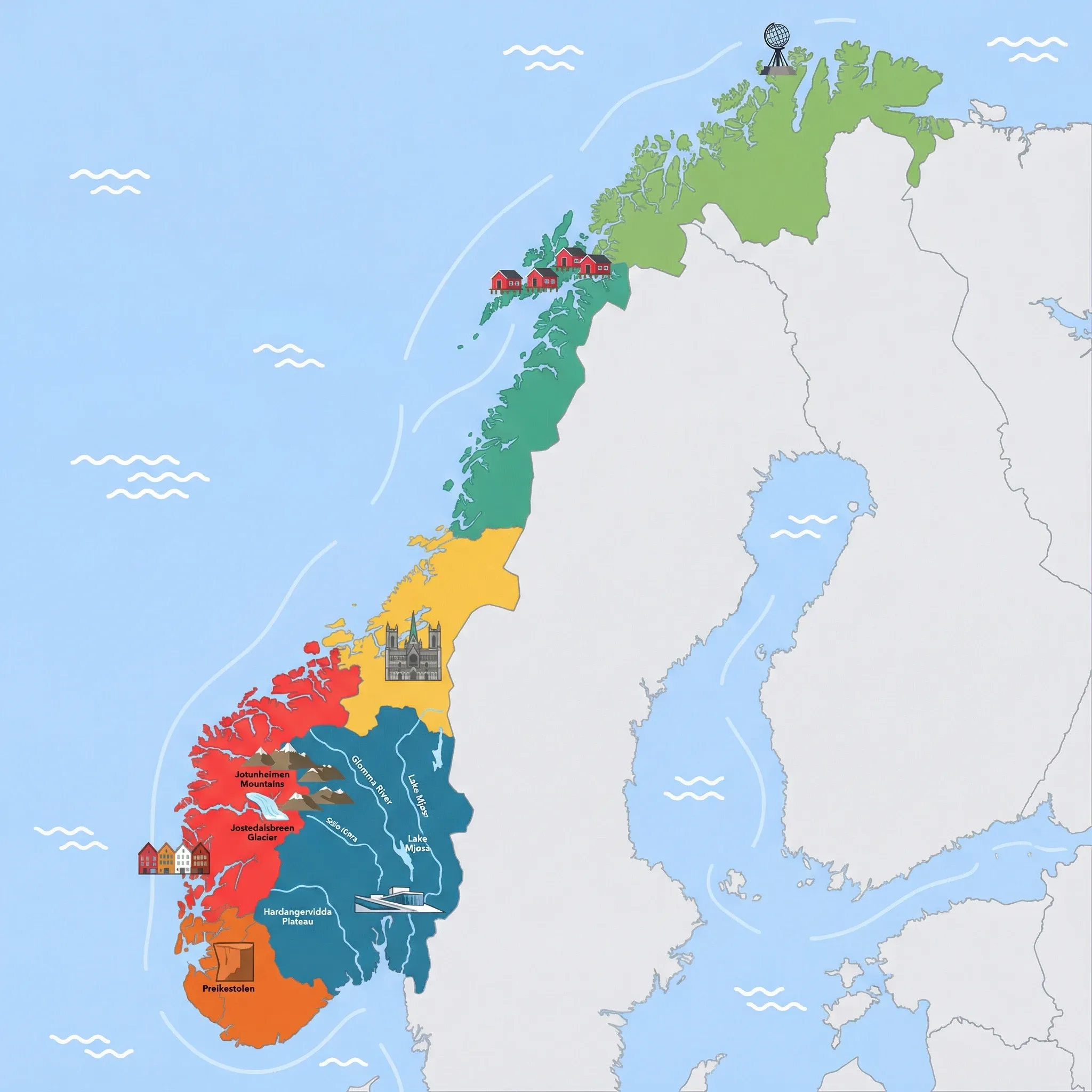
Click a region to explore
Northern Norway is vast, wild, and spectacularly beautiful. Dominated by the Arctic climate, this region covers the counties of Troms and Finnmark, stretching all the way to the Russian border. For families, this is the place to chase the Aurora Borealis (Northern Lights) in winter or enjoy endless play during the Midnight Sun in summer. The 'capital' of the north, Tromsø, is a surprisingly cosmopolitan city often called the 'Paris of the North', while further north lies the barren, dramatic plateau of the North Cape. The culture here is a unique blend of Norwegian, Sami (indigenous people), and Kven history.
The region is perfect for families who love animals and nature. You can go whale watching to see orcas and humpbacks, visit reindeer farms to learn about Sami herding, or go dog sledding through snowy forests. Unlike the steep fjords of the west, much of the north features wide horizons, plateaus, and jagged alpine peaks in the Lyngen area. It feels remote and adventurous, yet the infrastructure is modern and safe. The Sami culture is particularly engaging for children, offering chances to sleep in a lavvu (traditional tent) and learn lasso throwing.
Key Attractions
In Tromsø, Polaria is a must-visit aquarium housed in a building that looks like collapsing ice floes. It focuses on Arctic biology and features bearded seals that are very entertaining for kids. Just across the bridge is the The Arctic Cathedral, an architectural icon that glows in the dark winter nights. For a hands-on history lesson, the The Polar Museum tells exciting (and sometimes gruesome) tales of trappers and explorers like Amundsen; it's great for older kids fascinated by survival stories.
Travelers heading further north should visit the Alta Museum - Rock Art of Alta. This UNESCO World Heritage site features thousands of prehistoric carvings showing hunters, reindeer, and boats. Wooden walkways make it stroller-accessible and very pleasant. The ultimate destination for many is the North Cape (Nordkapp). Standing on the cliff edge looking out at the Barents Sea feels like standing at the end of the world. The visitor center there has a panoramic film and cave lights that children enjoy. For animal lovers, the Polar Park Arctic Wildlife Center allows you to see wolves, bears, and lynx in large natural enclosures.
Practical Advice
Winter (November–March) is dark and cold but offers Northern Lights and snow activities. Summer (June–August) offers 24-hour daylight. Distances are huge; do not underestimate driving times between Tromsø, Alta, and North Cape. In winter, driving requires experience on ice; flights or coastal steamers are safer alternatives.
Food & Drink
Typical meal times: Lunch 11:00 am to 1:00 pm. Dinner 4:00 pm to 7:00 pm. Kitchens in small towns often close early (around 8:00 pm).
Typical meal costs: Expensive. A pizza costs 200–300 NOK (approx. $18–27 USD / €17–25 EUR). Main meat dishes 350–500 NOK (approx. $32–46 USD / €30–42 EUR).
Dietary requirements: Tromsø has excellent vegan/allergy-friendly options. In remote Finnmark, options are more traditional (meat/fish/potatoes), but staff are usually helpful if you ask.
Signature dishes:
- Reinsdyrskav (Sautéed Reindeer) – Thinly sliced reindeer meat stewed in cream sauce, served with mashed potatoes and lingonberry jam. A mild, gamey flavor kids often like.
- King Crab – Huge crabs caught in the Barents Sea, often served simply with bread and mayonnaise.
- Møsbrømlefse – A sweet, warm flatbread filled with brown cheese sauce and sour cream (specific to Salten/Nordland but found in the north).
Why this score?
The region offers deep Arctic wilderness experiences, including dog sledding, reindeer encounters, and trekking in the Lyngen Alps. The environment is harsh and remote, though Tromsø serves as a highly civilized base for these excursions.
Why this score?
Tromsø features the University Hospital of North Norway, providing excellent specialized care. However, the score is tempered by the extreme distances between settlements in Finnmark, where emergency response times can be significantly longer than in the south.
Why this score?
Tromsø is a premier global hub for Northern Lights tourism, while the North Cape is a major summer milestone for European road-trippers. The region sees high seasonal spikes in international visitors, though the vast geography prevents extreme overcrowding.

Northern Norway is pricey due to transport costs. Hotel rooms range from 1,500–2,500 NOK (approx. $135–230 USD / €125–210 EUR). Activities are the biggest budget killer: a dog sledding tour for a family of four can easily cost 6,000+ NOK (approx. $550 USD / €510 EUR). Visiting nature (hiking, Northern Lights spotting on your own) is free.

Getting Here & Around
Getting Here
- Airports – Tromsø (TOS) and Alta (ALF) are the main gateways. Direct flights run from Oslo (approx. 2 hours).
- Ferry – The Hurtigruten or Havila coastal voyages call at all major ports (Tromsø, Alta, Honningsvåg) and are a relaxing way to travel between towns.
- Driving – The E6 runs the length of the country, but the drive from Oslo to Tromsø takes approx. 22 hours non-stop.
Getting Around
- Car – Necessary for flexibility outside Tromsø. Be aware of reindeer on the roads. In winter, studded tires are mandatory on rentals.
- Bus – Long-distance buses connect major towns, but frequencies are low (sometimes only one per day).
- Boat – Express boats connect Tromsø to nearby islands and towns like Harstad.
Nearby Airports (11 airports)
Alta
ALFAlta
Bardufoss
BDUBardufoss
Batsfjord
BJFBatsfjord
Hasvik
HAAHasvik
Hammerfest Airport
HFTHammerfest
Kirkenes Hoybuktmoen
KKNKirkenes
Lakselv
LKLLakselv
Airport
MEHMehamn
Sorkjosen
SOJSorkjosen
Vardoe
VAWVardoe
Airport
VDSVadso
View full flight map for Norway →
Official Links

Packing List
In winter, it is pitch black by 2pm. Locals always wear reflectors to be seen by cars.
Cotton kills in the Arctic. You need wool next to the skin for kids, even in summer evenings.
Pavements in Tromsø are often covered in sheet ice in winter. Essential for safety.
The Arctic air is incredibly dry; children's skin will crack without heavy barrier cream.
The sun does not set in summer (Midnight Sun), making it very difficult for children to sleep without total darkness.
A small foam or wool mat to sit on. Every Norwegian family carries these for breaks on cold rocks or wet grass.
Essential year-round. Thin merino wool tops/leggings regulate temperature better than cotton in the changeable Nordic weather.
Ticks (flått) are common in coastal brush and grassy areas in southern Norway; having a remover handy is wise.
Tap water is glacier-pure and free. Buying bottled water is expensive and culturally frowned upon.

Activities & Best Times

Hiking, wildlife, outdoor exploration, ecotourism
A world-class destination for Northern Lights, Midnight Sun, and Arctic wildlife encounters in major centers like Polar Park. Dual peak seasons cover prime Aurora viewing in winter and high-altitude hiking and fjord exploration in summer.

Urban tourism, museums, historical sites, architecture
Tromsø offers a sophisticated urban experience with world-class art museums, botanical gardens, and a vibrant Arctic culinary scene. The city thrives during the snowy winter festival season and the bright summer months, while late spring and autumn can be dark and transitional.

Sport tourism, fitness activities, active recreation
Boasts world-class long-distance hiking trails like the Nordkalottruta and Arctic trekking routes near the North Cape. The short summer window provides optimal conditions for these physically demanding and internationally recognized outdoor pursuits.

Learning experiences, scientific sites, historical education
Home to major institutions like Polaria and the North Cape Hall, providing internationally significant insights into Arctic biology and history. Peak interest aligns with summer access to the North Cape, while winter remains a strong period for science-based Aurora tourism.

Scenic drives, countryside tours, route-based travel
Traverses spectacular National Scenic Routes like Senja and Varanger, plus the iconic drive to the North Cape. Peak travel is restricted to summer months when roads are clear and daylight is continuous, as winter driving often requires convoys and specialized skills.

Winter sports, ski resorts, snow activities
Features unique Arctic skiing environments with solid infrastructure at Målselv Fjellandsby and Tromsø Alpinpark. Peak conditions occur in late winter when daylight returns alongside reliable snow cover, while early winter is limited by the Polar Night.

Beach resorts, marine activities: diving, snorkelling, kite surfing, wind surfing, sailing
Offers unique Arctic beach experiences with turquoise waters and white sands like Sommarøy, though water temperatures remain extremely low. Best visited during the Midnight Sun in July and August for visual appeal rather than traditional swimming.

Events, celebrations, seasonal attractions
Host to the internationally recognized Tromsø International Film Festival and Sami Week, both significant cultural events. These festivals are highly specific to January and February, making the region a destination-level draw during these months only.
Amusement parks, family entertainment venues
Features specialized attractions like the Tromsø Ice Domes and high-quality aquatic centers suitable for families. These provide structured entertainment primarily during the core winter and summer tourism windows.

Attractions (25 total)



Public Holidays & Calendar Next 12 months
Public holidays, festivals, cultural celebrations, and seasonal natural phenomena coming up in Northern Norway (Tromsø, North Cape) over the next 12 months.
Loading holidays and events...

Travel Advisory
All major agencies agree that Norway is a safe destination where standard personal security measures are sufficient. There are no significant travel warnings or regional restrictions.
Safety Topics
Traveller Advice (4 groups)

Norway is generally considered safe for solo female travelers, with low rates of harassment reported in public areas.

Norway is highly progressive regarding sexual orientation and gender identity, with strong legal protections and a generally welcoming social climate.

Maintain standard situational awareness, especially in crowded urban centers and transit hubs. Ensure you have comprehensive insurance that covers all planned activities.
When visiting remote regions like Svalbard, prepare for extreme cold and potential encounters with polar bears. Helicopter rescue services may be limited, so specialized insurance is essential for mountainous or arctic exploration.
Agency Summaries
Visitors should maintain standard safety awareness as they would in their home country, though petty crime is a risk in urban areas.
Irish citizens are advised to use standard common sense and personal security measures while traveling throughout the country.
Norway is considered very safe for international visitors, requiring only standard safety measures and awareness of local conditions.
Travelers are encouraged to stay informed of local security alerts and maintain typical vigilance in public spaces and major cities.
No specific travel restrictions are in place, though travelers should be aware of the general threat of terrorism that exists across Europe.
General safety levels are high, with a moderate national terror threat level and very low crime rates outside of seasonal petty theft.
Information is provided for general guidance only and does not constitute travel, safety, medical, or legal advice. Conditions may change. Users are responsible for independently verifying information before travel.