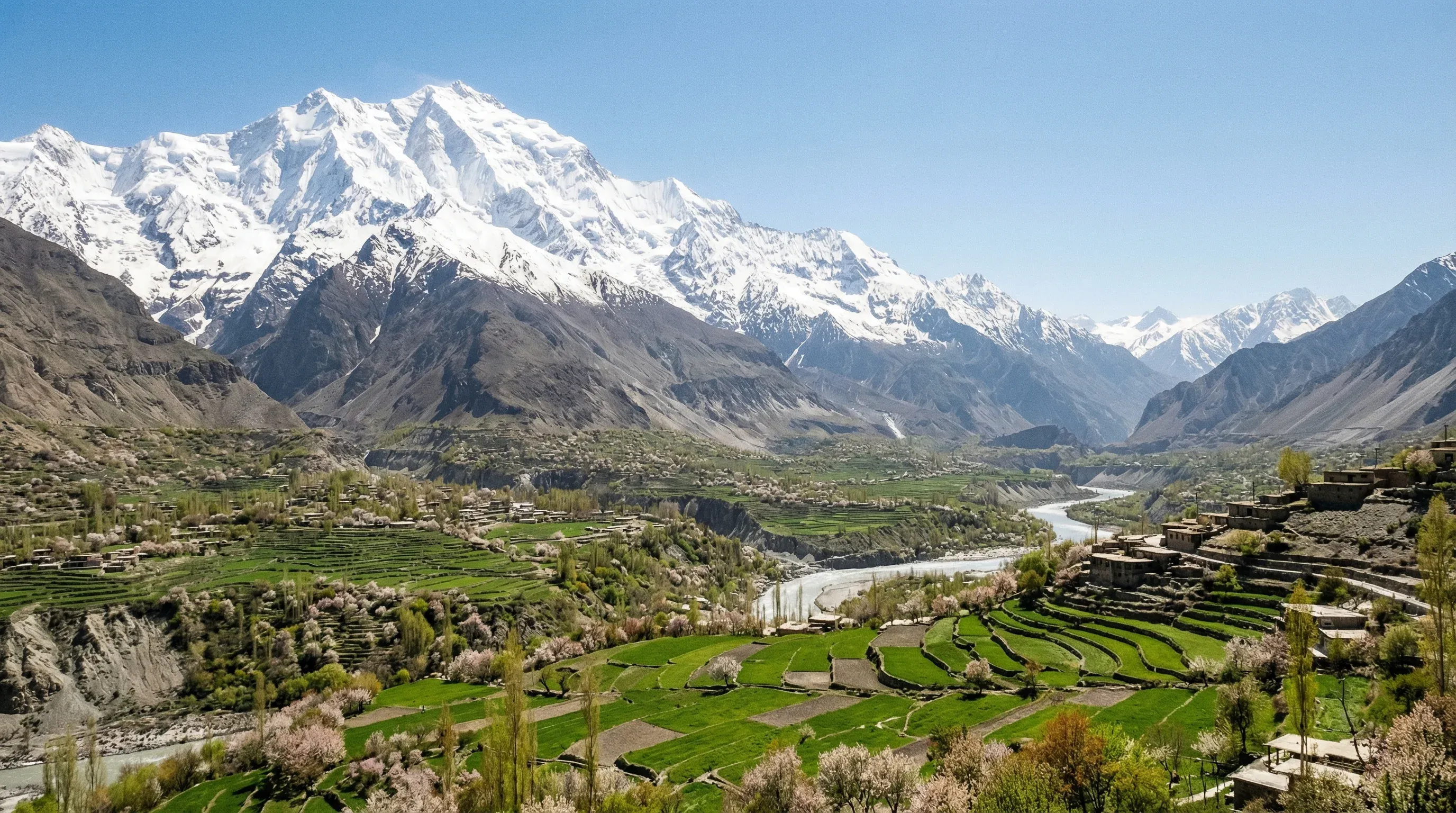

Karakoram & Northern Areas (Hunza, Gilgit)
Peaks, glaciers, and the legendary Shangri-La 🏔️🦅
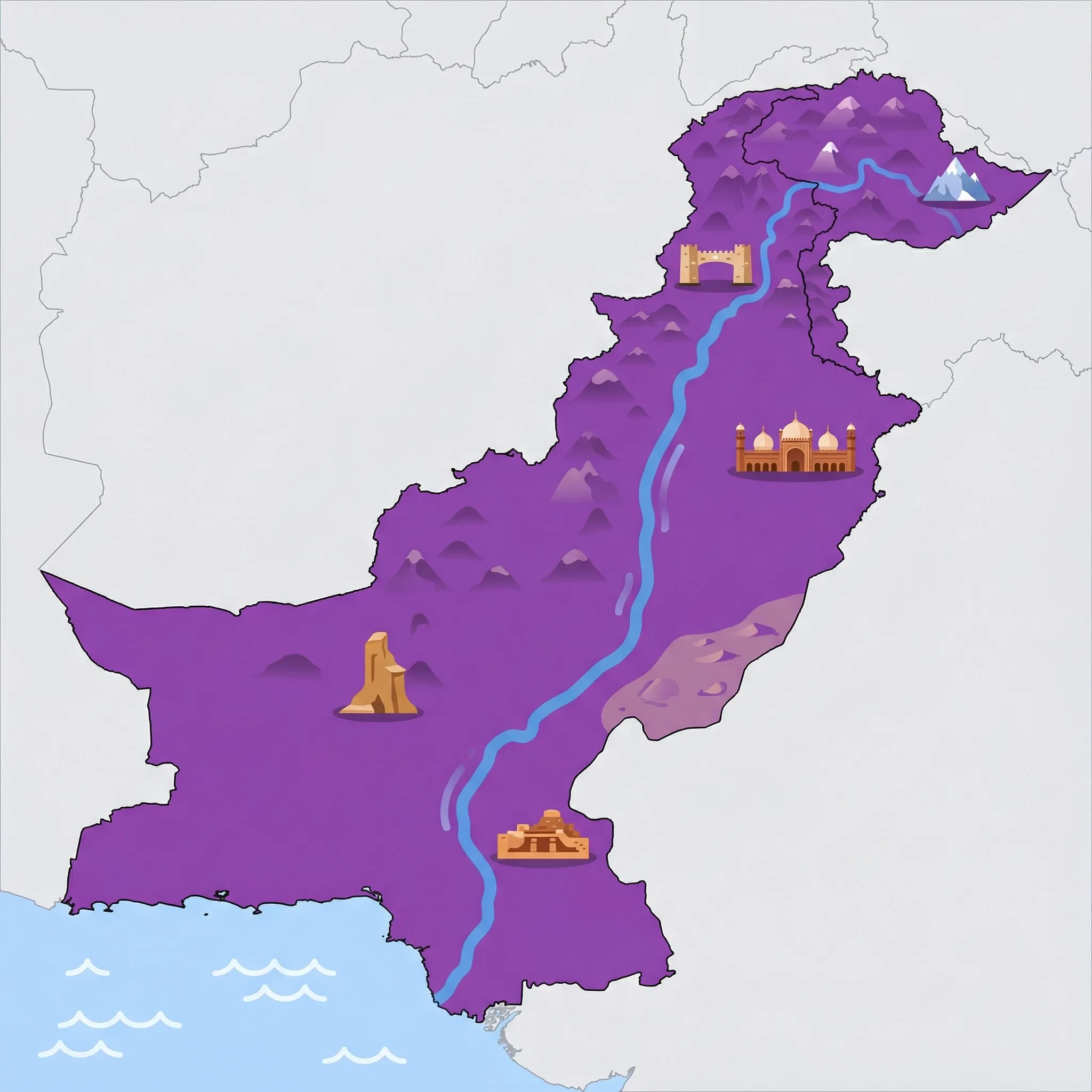
Click a region to explore
⚠️ SAFETY WARNING: Due to remote conditions, risk of landslides, and proximity to sensitive borders, government agencies (including UK and USA) advise travelers to reconsider travel to this region. While Hunza and Gilgit are generally peaceful and welcoming, the Karakoram Highway (N-35) is prone to closures, and medical facilities are limited. Families should travel with reputable operators and consult their government's official travel advisory.
Overview
The Karakoram and Gilgit-Baltistan region is often described as 'Shangri-La' and is arguably the most spectacular mountain landscape on the planet. For families, the Hunza Valley is the star attraction: a lush, green oasis surrounded by jagged, snow-capped peaks like Rakaposhi and Ladyfinger. Unlike the more chaotic south, the pace here is slow, the literacy rate is high, and the Ismaili community is renowned for their warmth and liberal hospitality. It feels distinct from the rest of Pakistan, both culturally and topographically.
Children will be awestruck by the sheer scale of the nature here—glaciers that touch the road and rivers that rage through deep gorges. The air is crisp and clean, and the valleys are filled with apricot and cherry orchards. While the journey here is long, the reward is a safe, serene environment where kids can learn about mountain life, walk across suspension bridges, and eat fresh fruit straight from the trees.
Key Attractions
The Baltit Fort in Karimabad is a beautifully restored 700-year-old fort with fairytale views; it's a great history lesson for kids. A boat ride on the stunningly turquoise Attabad Lake, formed by a massive landslide, is a must-do adventure. For a scenic drive, the Karakoram Highway (N-35) offers views of the jagged Passu Cones (Cathedral Ridge). More adventurous families can take a jeep to Deosai National Park, a high-altitude plateau known as the 'Land of Giants' where you might spot Himalayan brown bears.
Practical Advice
Best time to visit: April to October. The apricot blossom season (April) and autumn color season (October) are magical. Winter is harsh and many hotels close.
Food & Drink
Typical meal times: Lunch 12:30 pm to 2:00 pm, Dinner 7:00 pm to 9:00 pm. Restaurants close earlier here than in the cities.
Typical meal costs: Prices are moderate. A family meal costs PKR 3,000–5,000 (approx. $11–18 USD / €10–16 EUR). Ingredients are often organic and locally grown.
Dietary requirements: Excellent for vegetarians as local diets rely heavily on vegetables, dried fruits, and nuts. Gluten-free is harder as wheat bread is a staple.
Signature dishes:
- Chapshuro – A 'Hunza Pizza' or meat pie: bread stuffed with minced yak or beef, onions, and local herbs, baked in a wood-fired oven.
- Mamtu – Steamed dumplings filled with spiced minced meat, similar to manta or momos.
- Apricot Cake – Made from the valley's famous sweet apricots, often served warm with fresh cream.
- Tumoro Tea – A herbal tea made from wild thyme, believed to have medicinal properties and very soothing at high altitude.
Why this score?
Home to five of the world's 14 'eight-thousanders' and the dramatic Karakoram Highway, this region offers world-class trekking and mountaineering challenges. The terrain is exceptionally rugged, featuring massive glaciers, high-altitude plateaus like Deosai, and unpredictable mountain weather.
Why this score?
Healthcare is extremely limited in this remote mountain terrain, with only basic district headquarters hospitals in Gilgit and Skardu. Any serious injury or high-altitude sickness typically requires a complex and weather-dependent helicopter evacuation to the capital, Islamabad.
Why this score?
This is Pakistan's premier international destination, famous among mountaineers and backpackers for the Hunza Valley and K2. While it is a bucket-list item for global adventure travelers, the total volume of visitors is limited by seasonal accessibility and the niche nature of high-altitude tourism.

Transport is the biggest cost here due to fuel and jeep requirements. A private jeep/prado rental with driver costs PKR 12,000–18,000 (approx. $43–65 USD / €40–60 EUR) per day. Hotels range from budget guest houses at PKR 4,000 to luxury resorts like Serena at PKR 35,000+ (approx. $125 USD / €115 EUR) per night.

Getting Here & Around
Getting Here
- Airports – Flights to Gilgit (GIL) and Skardu (KDU) from Islamabad are spectacular but weather-dependent. Cancellations are common.
- Driving – The drive from Islamabad via the Karakoram Highway (N-35) takes 14–18 hours. It is an epic road trip but tiring for young children. Break the journey in Naran or Chilas.
- Bus – Faisal Movers and NATCO run overnight buses from Islamabad, but the journey is grueling (18+ hours).
Getting Around
- Jeep Rental – Essential for side valleys and reaching places like Fairy Meadows.
- Private Driver – The best option for families. Renting a Toyota Corolla or Prado with a local driver ensures safety and flexibility on mountain roads.
- Walking – Towns like Karimabad are best explored on foot, though the streets are steep and cobblestoned (not stroller friendly).
Nearby Airports (12 airports)
Gilgit
GILGilgit
Gwadar
GWDGwadar
Islamabad International Airport
ISBIslamabad
Skardu Airport
KDUSkardu
Jinnah International
KHIKarachi
Allama Iqbal International
LHELahore
Faisalabad International
LYPFaisalabad
Multan International
MUXMultan
Peshawar
PEWPeshawar
Sialkot Airport
SKTSialkot
Sukkur
SKZSukkur
Quetta
UETQuetta
View full flight map for Pakistan →
Official Links

Packing List
The roads are incredibly winding and long; essential for kids sensitive to car sickness.
UV radiation is extreme at high altitudes (2500m+), and sunburn happens quickly even when it feels cool.
The air is very dry and cold; chapped lips are a common complaint within 24 hours.
Power outages (load shedding) are frequent in mountain towns; keep devices charged.
Even in summer, temperatures drop significantly at night and near glaciers.
Bathtubs or sinks in budget guesthouses often lack plugs; useful for washing kid's clothes.
Essential for women and girls for modesty in bazaars and mandatory for entering mosques.
Power outages (load shedding) are frequent nationwide; keep devices charged.
Hygiene standards vary; soap is not always available in public restrooms.
You will frequently remove shoes at mosques, shrines, and some traditional homes.

Activities & Best Times

Hiking, wildlife, outdoor exploration, ecotourism
Home to K2 and world-class trekking routes like Fairy Meadows, offering unparalleled high-altitude wilderness and authentic mountain immersion. Peak summer months provide the only reliable window for high-pass access and stable conditions for exploring national parks.

Urban tourism, museums, historical sites, architecture
Features ancient Silk Road heritage and impeccably restored forts like Baltit and Shigar, offering a unique Tibeto-Dardic cultural experience. Spring blossom and autumn harvest months are peak for cultural vibrancy, while mid-summer can be hot in Gilgit and Skardu.

Sport tourism, fitness activities, active recreation
Offers world-class high-altitude mountaineering and trekking infrastructure for serious athletes, alongside growing adventure centers for water sports. Activity is strictly seasonal due to extreme terrain, with peak months aligning with the mountaineering climbing window.

Spa retreats, wellness centers, peaceful getaways
Features authentic natural hot springs in remote mountain settings, providing a rustic but restorative experience for wellness-minded travelers. The best conditions coincide with the mild spring and autumn seasons when the surrounding scenery enhances the relaxation experience.

Scenic drives, countryside tours, route-based travel
The Karakoram Highway is a globally recognized scenic drive, though technical road conditions require experienced drivers or guides. Peak months offer the best visibility and access to high passes like Babusar, while winter snow and monsoon landslides pose significant off-season risks.

Learning experiences, scientific sites, historical education
Features unique institutions like the Italian K2 Museum and park visitor centers focusing on high-altitude glaciology and mountain conservation. Access is limited to the warmer months when regional transport infrastructure is fully operational for international visitors.

Events, celebrations, seasonal attractions
Known for the unique Shandur Polo Festival and spectacular blossom/autumn foliage seasons which attract international photography enthusiasts. These are highly specific temporal events that define the peak visiting windows for seasonal tourism.

Winter sports, ski resorts, snow activities
Provides an authentic, rugged winter sports experience at Rattu and Naltar, though facilities are basic compared to international alpine standards. The season is short and limited by winter access challenges, appealing primarily to adventurous, self-sufficient travelers.

Attractions (19 total)



Public Holidays & Calendar Next 12 months
Public holidays, festivals, cultural celebrations, and seasonal natural phenomena coming up in Karakoram & Northern Areas (Hunza, Gilgit) over the next 12 months.
Loading holidays and events...

Travel Advisory
The country presents serious safety and security risks. While major urban centers may have established security, the overall threat from terrorism, kidnapping, and regional conflict necessitates a careful evaluation of the necessity of travel.
Safety Topics
Traveller Advice (5 groups)

Ensure you carry valid identification at all times and stay away from political rallies or religious processions. Individuals with dual citizenship should be aware that local authorities may treat them exclusively as local citizens, potentially restricting access to foreign consular services.

Same-sex relationships are not legally recognized and can lead to criminal prosecution. Discretion is strongly advised as public displays of affection or advocacy may provoke hostile reactions.

Aid workers and those involved in humanitarian projects, such as health initiatives, are frequently targeted by extremist groups. Enhanced security protocols and armored transport are often necessary for movement in high-risk provinces.

Those visiting religious sites should check the status of specific corridors and border crossings, as many official routes for pilgrims are currently closed due to regional tensions.

Female visitors are advised to dress conservatively in accordance with local customs and to avoid traveling unaccompanied, particularly after sunset or in less populated areas.
Agency Summaries
The security environment is considered unpredictable with a high potential for terrorist activity and civil disorder. Australians are advised to avoid large gatherings and be aware that consular assistance is severely limited in many regions.
Travelers are urged to re-evaluate their plans because of persistent threats from terrorism, sectarian violence, and organized crime. Non-essential government personnel have been ordered to depart certain areas, and extreme risks exist in Balochistan and Khyber Pakhtunkhwa.
Significant regional escalations and border tensions have led to heightened security measures. Authorities advise against visiting most border areas and specific high-conflict districts, while warning of sudden disruptions to air travel and restricted movement for diplomatic staff.
Visitors should maintain extreme vigilance due to a volatile security landscape characterized by terrorist threats, civil unrest, and the risk of kidnapping. While the national level remains elevated, strict 'do not travel' warnings are in place for border regions and several provinces.
A heightened state of alert is recommended due to the threat of cross-border violence and internal political instability. Travelers should avoid traditional protest sites and remain updated on rapidly changing local conditions.
Due to a pervasive risk of terrorism and kidnapping, travelers should only visit for critical reasons. Security operations are ongoing in several provinces, and there is no resident New Zealand diplomatic representation to provide direct aid.
Information is provided for general guidance only and does not constitute travel, safety, medical, or legal advice. Conditions may change. Users are responsible for independently verifying information before travel.