
Pacific Beaches
Sun-drenched beaches and family resorts just an hour from the city 🏖️☀️
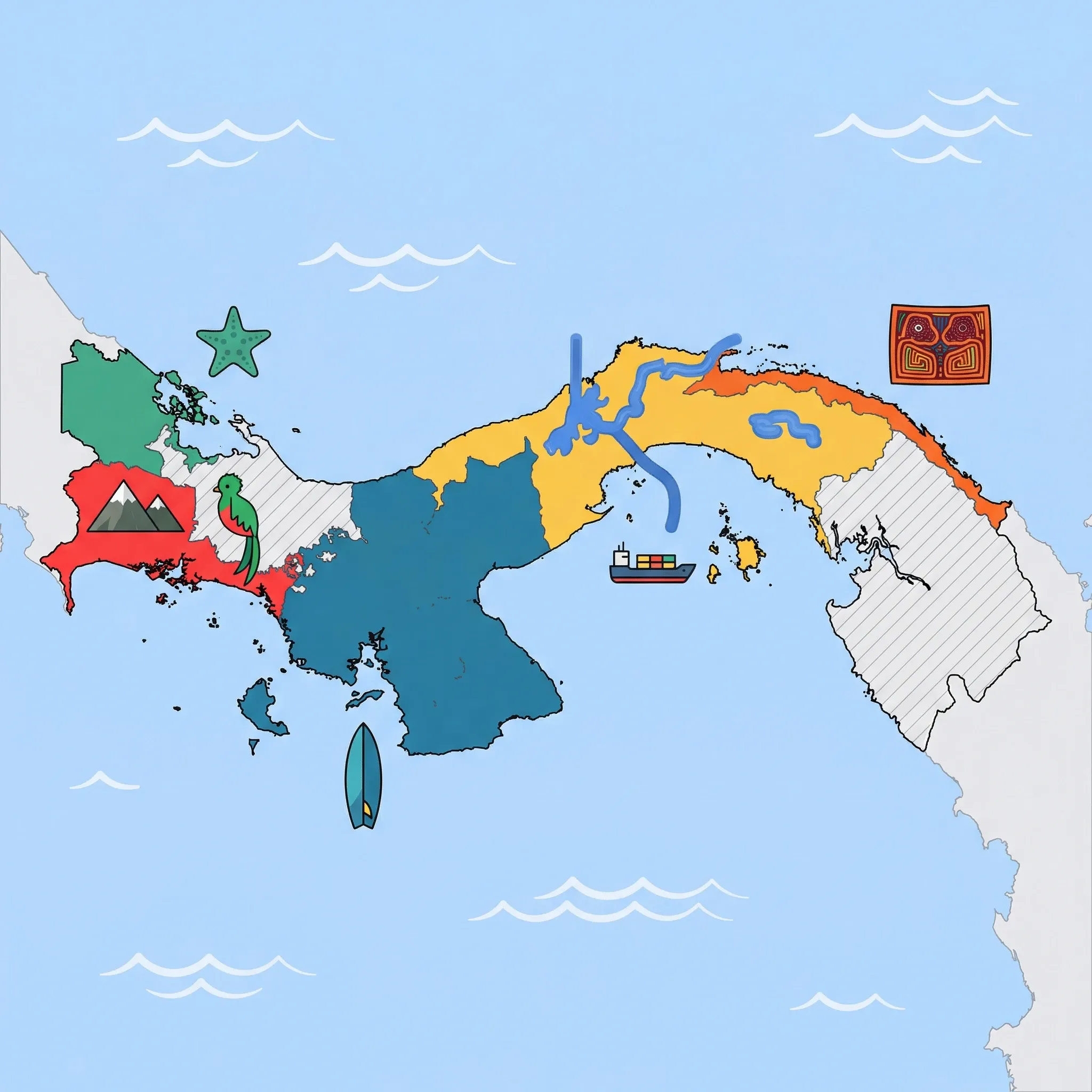
Click a region to explore
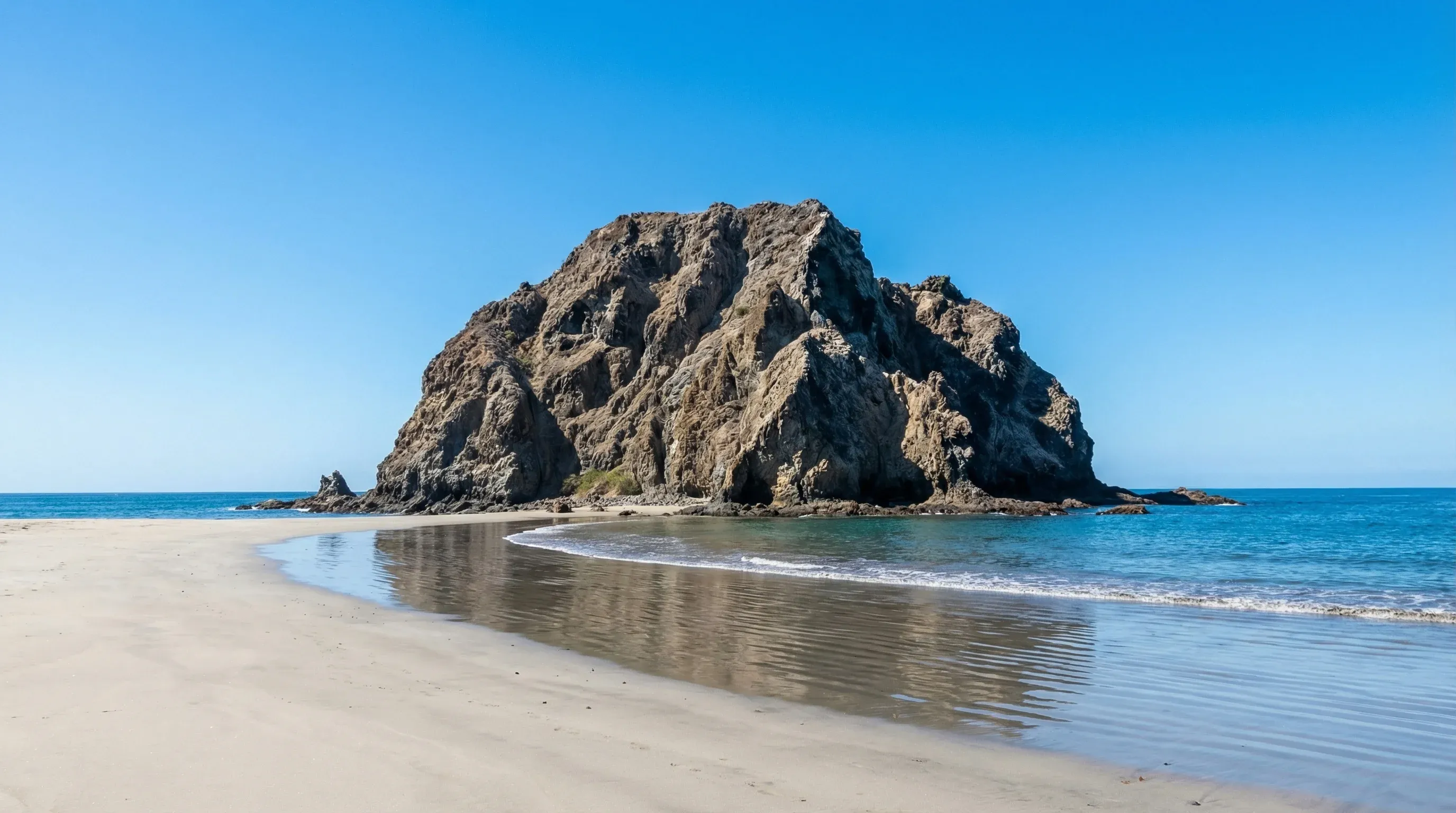
The Pacific Beaches region, often referred to as the "City Beaches" or the "Riviera Pacifica," is the go-to weekend playground for Panama City residents and international families alike. Its geography is defined by a long, sweeping coastline of volcanic sands that range from glittering black to salt-and-pepper and golden beige. One of the region's biggest selling points for families is the climate; it sits within the "Arco Seco" (Dry Arc), a meteorological phenomenon that grants this specific stretch of coast significantly less rainfall and more sunny days than the rest of the country. For parents planning a holiday, this reliability is a huge asset.
The vibe here is less about remote exploration and more about relaxation and convenience. The infrastructure is well-developed, with large supermarkets, modern 24-hour medical clinics, and familiar amenities in the hub town of Coronado. Families can choose between self-catering condos in high-rise towers or sprawling all-inclusive resorts in Playa Blanca where kids' clubs and pools are the main attraction. While the Pacific ocean here can have strong tides (surfers love it), many beaches like Santa Clara offer calmer sections perfect for swimming. It’s an easy, low-stress destination where you don't need to worry about logistics—you can have a morning swim in the ocean, a lunch of fresh fish with your feet in the sand, and be back in air-conditioned comfort for a nap. It bridges the gap between a raw tropical experience and a comfortable suburban vacation.
Key Attractions
While the beaches are the main draw, the region has stunning nature just minutes from the highway. Altos de Campana National Park is the first national park created in Panama and sits at the eastern edge of this region. It offers spectacular viewpoints over the mangroves of Chame and easy hiking trails through pine trees and tropical moss—a surprising alpine feel just minutes from the hot coast. The cooler air here is a great break if the beach heat gets too intense for the little ones.
For beach time, Santa Clara and Farallón are the top picks for families. These wide, white-sand beaches have plenty of "ranchos" (thatched huts) for rent with hammocks, and the water is generally cleaner and clearer than beaches closer to the city. Valle de Antón (El Valle) is also technically part of the Coclé province nearby; while often considered a separate highland destination, it is an easy day trip from the beach resorts to see the famous square trees and golden frogs.
Practical Advice
Weekends are significantly busier than weekdays as city dwellers flood the coast. Traffic returning to Panama City on Sundays can be brutal—plan to leave late or very early. The sun here is intense; UV protective clothing for kids is a must. riptides can occur, so always swim near others or where flags indicate safety.
Food & Drink
Typical meal times: Lunch is strictly 12:00 pm to 2:00 pm. Dinner is 6:00 pm to 9:00 pm.
Typical meal costs: Moderate. Beachside "fonda" meals cost $8–12 USD (approx. €7.50–11 EUR / £6–9.50 GBP). Resort dining or upscale restaurants in Coronado will be $20–35 USD (approx. €18–32 EUR / £15–27 GBP) per person.
Dietary requirements: Good in the main hubs. Coronado has large supermarkets with imported American brands, gluten-free products, and specialized health food stores. Beach shacks (ranchos) mostly serve fried food, so options there are limited for strict diets.
Signature dishes:
- Corvina Frita – Whole fried sea bass (corvina), usually served with a side of lime and salad. It is the quintessential beach lunch.
- Ceviche de Camarón – Shrimp cured in lime juice with onions and cilantro, served in a cup with crackers. A refreshing snack sold by vendors on the sand.
- Bollos de Maíz – Rolls of ground corn dough wrapped in corn husks and boiled. You will see roadside vendors selling these "Nuevo Maíz" (fresh corn) treats along the highway.
Why this score?
The area is mostly characterized by developed beachfronts and golf resorts, offering a lower adventure profile. Some moderate hiking and canopy tours are available in the nearby El Valle de Anton, but the focus is primarily on leisure and relaxation.
Why this score?
The beach corridor, particularly around Coronado, features modern private clinics and 24-hour emergency services. Its proximity to Panama City (within 1.5 to 2 hours) ensures that high-level trauma care is relatively accessible via the Pan-American Highway.
Why this score?
The 'Riviera Pacifica' is dominated by domestic tourism from Panama City and guests at a few large all-inclusive resorts. While it receives international charter flights at Rio Hato, it is more of a regional vacation spot than a world-famous coastal destination.

Accommodation varies wildly from budget hostels ($40/night) to luxury resorts ($300+/night). A typical family apartment rental is $100–180 USD (approx. €90–165 EUR / £80–140 GBP) per night. Grocery prices are similar to the US. Beach chair rentals cost $10–20 USD (approx. €9–18 EUR / £8–15 GBP) for the day.
Family Travel Notice
Be aware that local authorities strictly enforce curfews for unaccompanied minors. Minors found out late at night may be detained until parents are contacted and potentially fined.

Getting Here & Around
Getting Here
- Driving – The primary way to arrive. It is a 1 to 2-hour drive (depending on traffic) from Panama City on the Pan-American Highway. Renting a car gives you the most freedom.
- Airports – Scarlet Martinez International Airport (RIH) in Río Hato receives charter flights from Canada, landing directly in the beach resort area. Otherwise, fly into Panama City (PTY) and drive.
- Bus – Frequent buses leave Albrook Terminal in Panama City heading to San Carlos, Anton, or Penonomé. You can hop off at the entrance to beach towns, but you will need a taxi to reach the shore.
Getting Around
- Car – Essential. The "beach towns" are often gated communities or spread out over several kilometers from the main highway to the ocean. Taxis are available but not always convenient to flag down.
- Walking – Only viable within specific resort complexes or along the beach itself. The distances between towns are too great for walking.
Nearby Airports (3 airports)
Panama Pacifico Airport
BLBBalboa
Chitre
CTDChitre
Scarlett Martinez International Airport
RIHRio Hato
View full flight map for Panama →
Official Links

Packing List
The sun in the 'Dry Arc' is exceptionally intense; sunscreen alone often isn't enough for kids.
Black volcanic sand gets scorching hot at midday, making it impossible to walk barefoot.
Useful for keeping drinks cold on the beach if you aren't staying at an all-inclusive resort.
Almost guaranteed necessity after a day at these equator-adjacent beaches.
Essential for keeping phones and snacks dry during open boat rides (lanchas) in Bocas or San Blas.
The best hack for removing sticky wet sand from children's legs before getting back in the car.
Malls, cinemas, and long-distance buses blast freezing air conditioning; also needed for Boquete evenings.
Sandflies (chitras) on beaches are tiny but fierce; they ignore nets but dislike oily repellents.
Older hotels may have few outlets; thunderstorms can cause power flickers.
Wildlife like sloths and monkeys are often high in the canopy; kids will miss them without these.

Activities & Best Times

Hiking, wildlife, outdoor exploration, ecotourism
The classification claims 'exceptional access to cloud forests and volcanic landscapes of El Valle de Anton' but the attraction evidence shows Gulf of Chiriqui (coastal/marine). El Valle should be added as an attraction if it's truly in this region, but without that evidence, 'very_good' overstates the adventure/nature credentials. Downgrade to 'good' to reflect the coastal adventure opportunities that ARE evidenced.

Beach resorts, marine activities: diving, snorkelling, kite surfing, wind surfing, sailing
Offers expansive white-sand beaches and high-end resort communities such as Buenaventura and Playa Blanca, suitable for discerning families. The dry season (Dec–Mar) provides the most consistent sunshine, while the 'Veranillo' in July and August offers a secondary window of drier weather.

Urban tourism, museums, historical sites, architecture
Home to the internationally significant El Caño Archaeological Park and colonial landmarks in Penonomé that provide authentic insight into Panama's heritage. Best visited during the drier months to comfortably explore open-air sites and rural historic districts.

Scenic drives, countryside tours, route-based travel
The scenic drive through the Altos de Campana National Park and the Riviera Pacifica corridor offers sophisticated travelers dramatic mountain-to-ocean vistas. Peak season ensures clear visibility from coastal miradors and safer driving conditions on mountain routes.

Sport tourism, fitness activities, active recreation
Claims 'robust infrastructure for active families, including world-class canopy adventures' but no canopy/adventure park attractions are in the database. Without evidence of internationally significant sports/active infrastructure, 'very_good' is inflated. Downgrade to 'good'.

Spa retreats, wellness centers, peaceful getaways
Localized wellness experiences centered around the natural thermal springs of El Valle de Anton and San Carlos. While authentic and restorative, facilities are rustic compared to global spa hubs, making this a pleasant secondary activity during the drier months.

Attractions (5 total)



Public Holidays & Calendar Next 12 months
Public holidays, festivals, cultural celebrations, and seasonal natural phenomena coming up in Pacific Beaches over the next 12 months.
Loading holidays and events...

Travel Advisory
While most of the country is relatively safe, major international agencies are split between recommending standard precautions and heightened vigilance. The primary risks involve street crime in urban areas and civil unrest. Extreme danger persists in specific border regions like the Darien Gap, though these do not dictate the country-wide level.
Safety Topics
Traveller Advice (5 groups)

Exercise high caution when walking alone after dark, particularly in poorly lit areas. Instances of harassment and sexual assault have been reported in tourist destinations.

Review guidance on accessibility standards and the availability of specialized support services in Panama prior to departure.

Be aware that local authorities strictly enforce curfews for unaccompanied minors. Minors found out late at night may be detained until parents are contacted and potentially fined.

Stay alert in crowded areas and transport hubs. Avoid all travel to the Darien Gap and the Mosquito Gulf due to severe security risks including drug trafficking and violent crime.

Consult dedicated government safety guides for detailed information on local attitudes and legal protections before travelling.
Agency Summaries
A high level of caution is advised nationwide because of the threat of crime. The border area with Colombia is extremely hazardous due to guerrilla activity and drug trafficking; travel there is strongly discouraged.
Visitors should be cautious regarding street crime and periodic protests. Specific areas near the Colombian border are considered highly dangerous and are subject to travel warnings due to the presence of armed groups.
Travellers are encouraged to follow the guidance of local authorities and stay informed of current events via local media. Ensure all entry requirements, including passport validity and proof of funds, are met before arrival.
Heightened vigilance is recommended due to crime and the potential for civil unrest. Serious safety threats, including kidnapping and violence, make the Darien Region and parts of the Mosquito Gulf off-limits to visitors.
Travellers should maintain standard safety awareness throughout most of the country. However, extreme danger exists in border regions like the Darien Gap and the Mosquito Gulf due to organized crime and drug smuggling, where all travel must be avoided.
New Zealanders should be vigilant due to the risks of violent crime and civil disturbances. Protests can occur without warning, and certain remote regions are extremely unsafe for tourists.
Information is provided for general guidance only and does not constitute travel, safety, medical, or legal advice. Conditions may change. Users are responsible for independently verifying information before travel.