
Panama City & Canal
Where skyscrapers meet the jungle and the world's greatest canal 🏙️🚢
Click a region to explore
Panama City is a place of startling contrasts that will fascinate curious children. It is a skyline of glittering skyscrapers rising directly out of the tropical jungle, reminiscent of Miami but with sloths in the trees and toucans flying overhead. For families, this is the country's cultural and logistical heart, offering world-class museums, historic ruins, and modern malls side-by-side. The city wraps around the Bay of Panama, connected by the Cinta Costera—a miles-long waterfront park perfect for biking, skating, and letting kids burn off energy while parents admire the view. Unlike many Central American capitals, Panama City is safe, modern, and boasts drinkable tap water and a shiny, efficient metro system.
The city's character is defined by its three distinct eras: the ruins of the original city sacked by pirates (Panamá Viejo), the colonial walled city (Casco Viejo), and the modern business district. But the star of the show is the integration of nature. You don't have to leave the city to see wildlife. In the Metropolitan Natural Park, families can hike easy trails and spot monkeys, coatis, and anteaters just minutes from their hotel. The Amador Causeway offers a breezy break from the city heat, a road built from Canal excavations that links four islands, offering safe sidewalks and playgrounds surrounded by the ocean.
Key Attractions
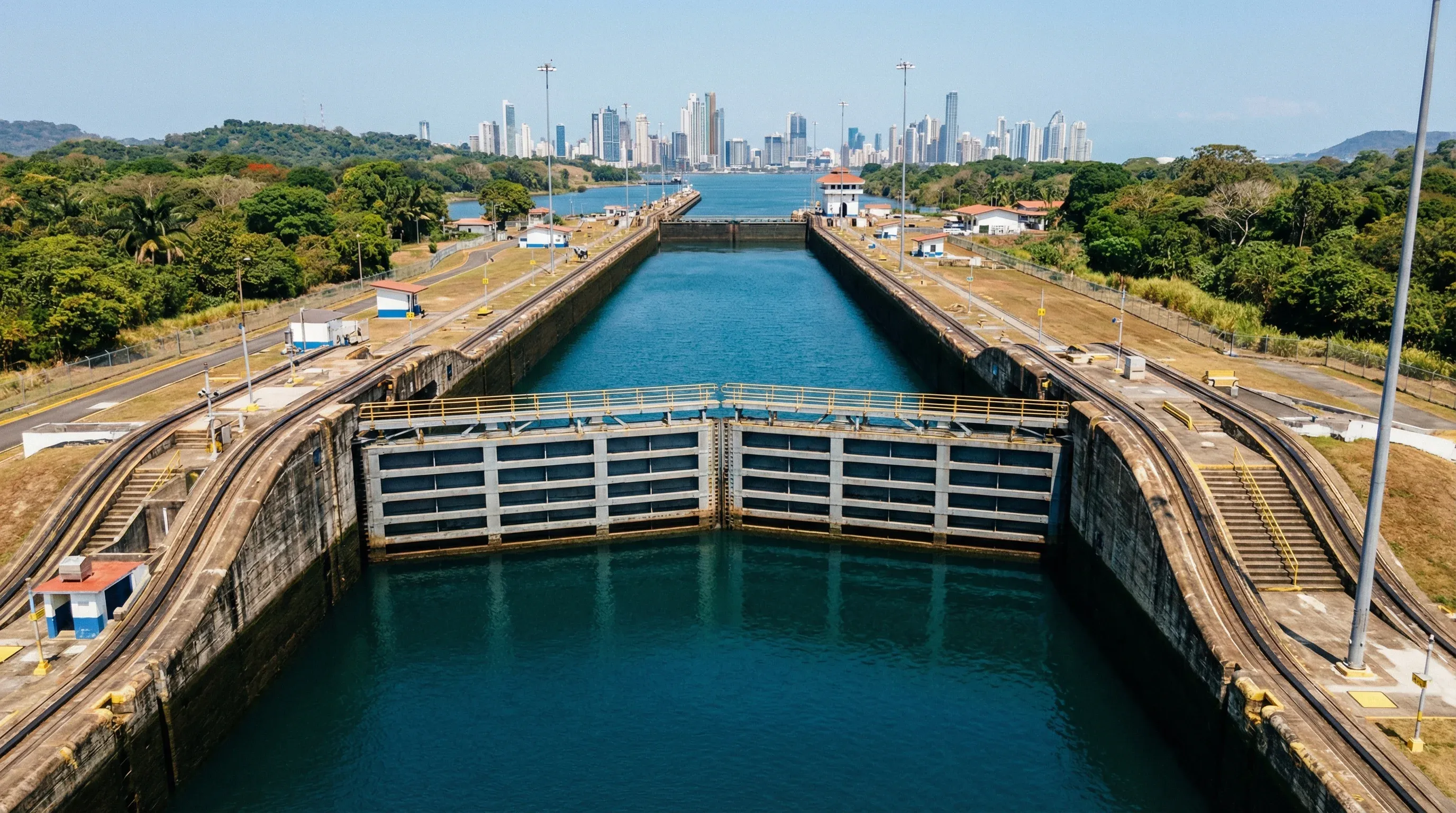
No visit is complete without seeing the Panama Canal (Miraflores Locks). The Miraflores Visitor Center is designed with families in mind, featuring observation decks where you can watch 100,000-ton ships rise and fall in the locks—real-life engineering magic. The accompanying 3D movie creates a fun context for kids. Afterward, head to the Interoceanic Canal Museum in Casco Viejo for the deeper history.
For a splash of color and science, the BioMuseo on the Amador Causeway is unmissable. Designed by Frank Gehry, this chaotic, colorful building tells the story of how the Isthmus of Panama rose from the sea and changed the world's biodiversity. The exhibits are tactile and visual, perfect for keeping young minds engaged. Just north of the city, Soberanía National Park offers the famous Pipeline Road, one of the best birdwatching spots on Earth, accessible for a family day trip.
Practical Advice
Traffic in Panama City can be gridlocked; use the Metro or travel outside rush hours (7-9 am, 4-7 pm). The heat and humidity are intense year-round. Plan outdoor activities for the early morning (before 10:00 am) or late afternoon. Most museums are closed on Mondays. Uber is widely available, safe, and cheap for families.
Food & Drink
Typical meal times: Lunch is 12:00 pm to 2:00 pm. Dinner is later than in the US/UK, typically 7:00 pm to 9:30 pm.
Typical meal costs: Highly variable. Street food/local cafeterias cost $6–10 USD (approx. €5.50–9 EUR / £4.50–8 GBP). Mid-range restaurants cost $20–40 USD (approx. €18–37 EUR / £15–30 GBP) per person. High-end dining matches NYC prices.
Dietary requirements: Excellent. As an international hub, you will find ample vegan, gluten-free, and allergy-aware restaurants, especially in Casco Viejo and San Francisco neighborhoods.
Signature dishes:
- Sancocho – The national dish; a chicken soup with "ñame" (yam), culantro (a stronger cousin of cilantro), and corn. It is mild, comforting, and perfect for kids.
- Raspados – Shaved ice sold by street carts, topped with sweet fruit syrup and condensed milk. A mandatory treat in the heat of Casco Viejo.
- Ceviche – Fresh raw fish cured in lime juice. The Seafood Market (Mercado de Mariscos) sells cups of it for just a few dollars.
Why this score?
This is a highly developed metropolitan area with world-class skyscrapers and paved infrastructure. While the Metropolitan Natural Park offers urban hiking and sloth spotting, the overall experience is distinctly urban and lacks ruggedness.
Why this score?
Panama City boasts some of the best medical facilities in Latin America, including hospitals like Punta Pacifica which is affiliated with Johns Hopkins Medicine. English-speaking staff are common, and the city is a regional leader in medical services and insurance acceptance.
Why this score?
As the country's main gateway and home to the world-famous Panama Canal, this region sees the vast majority of Panama's 1.5 million annual visitors. It is a well-recognized international hub with significant business and leisure tourism flows.

Panama City is the most expensive part of the country. A modern hotel room for a family costs $100–250 USD (approx. €90–230 EUR / £80–195 GBP). While local food is cheap, dining in tourist areas like Casco Viejo is pricey, with mains often $20–30 USD (approx. €18–28 EUR / £15–23 GBP). Museums generally charge $10–20 USD per adult.
Family Travel Notice
Be aware that local authorities strictly enforce curfews for unaccompanied minors. Minors found out late at night may be detained until parents are contacted and potentially fined.

Getting Here & Around
Getting Here
- Airports – Tocumen International Airport (PTY) is the "Hub of the Americas" with direct flights from major global cities. It is about 30-40 minutes from the city center.
- Train – The Panama Canal Railway runs a scenic passenger train between Panama City and Colón once a day, but it is primarily a tourist experience rather than transit.
- Driving – Not recommended for arriving in the city due to traffic, but it is the hub for driving out to the rest of the country.
Getting Around
- Metro – The Panama Metro is clean, safe, and modern. Line 1 and 2 connect major areas. It's the fastest way to skip traffic.
- Uber / Taxi – Uber is excellent for families—safer and often cheaper than yellow taxis. Yellow taxis do not use meters; you must negotiate zones (complicated for tourists).
- Walking – Great in Casco Viejo and on the Cinta Costera. In other districts, sidewalks can be missing or blocked.
Nearby Airports (2 airports)
Marcos A Gelabert International
PACPanama City
Tocumen International
PTYPanama City
View full flight map for Panama →
Official Links

Packing List
Sudden, heavy tropical downpours are common in the afternoon, even in the 'dry' season.
Malls, cinemas, and the Metro are air-conditioned to freezing temperatures.
The Cinta Costera and Amador Causeway are very stroller-friendly, but fully exposed to the sun.
The humidity in the concrete jungle can be stifling while waiting for transport.
Essential for keeping phones and snacks dry during open boat rides (lanchas) in Bocas or San Blas.
The best hack for removing sticky wet sand from children's legs before getting back in the car.
Malls, cinemas, and long-distance buses blast freezing air conditioning; also needed for Boquete evenings.
Many beaches have rocky or coral bottoms, and sea urchins can be present in Caribbean shallows.
Sandflies (chitras) on beaches are tiny but fierce; they ignore nets but dislike oily repellents.
Older hotels may have few outlets; thunderstorms can cause power flickers.
Wildlife like sloths and monkeys are often high in the canopy; kids will miss them without these.

Activities & Best Times

Urban tourism, museums, historical sites, architecture
A world-class destination featuring the iconic Panama Canal and the historic UNESCO-listed Casco Viejo district. The dry season offers vibrant street life and breezy evenings, though the most significant rainfall in Oct-Nov can disrupt walking tours.

Hiking, wildlife, outdoor exploration, ecotourism
Proximity to world-class birding at Pipeline Road and accessible rainforests like Gamboa makes this unique for a capital city. The dry season ensures trail accessibility, whereas the intense humidity and mud of the wet season can hinder jungle exploration.

Beach resorts, marine activities: diving, snorkelling, kite surfing, wind surfing, sailing
Access to Taboga Island and the Amador Causeway offers pleasant coastal recreation and island day trips for families. The dry season (Jan-Apr) provides the necessary sun and calm sea conditions, while the heavy rainy season often diminishes beach appeal.

Learning experiences, scientific sites, historical education
Internationally significant learning at the Miraflores Visitor Center and the BioMuseo provides deep insights into global trade and biodiversity. While these are mostly indoor facilities, peak travel aligns with the broader regional dry season and school holidays.

Scenic drives, countryside tours, route-based travel
The Cinta Costera and Amador Causeway offer scenic drives with world-class urban skyline and marine views. Visibility and road conditions are optimal during the dry months, providing clear vistas across the Pacific entrance of the Canal.

Sport tourism, fitness activities, active recreation
Features excellent urban infrastructure for cycling on the Amador Causeway and structured hiking in the Metropolitan Natural Park. January through April offers the most comfortable climate for outdoor activity before the peak humidity and rainfall arrive.

Attractions (12 total)



Public Holidays & Calendar Next 12 months
Public holidays, festivals, cultural celebrations, and seasonal natural phenomena coming up in Panama City & Canal over the next 12 months.
Loading holidays and events...

Travel Advisory
While most of the country is relatively safe, major international agencies are split between recommending standard precautions and heightened vigilance. The primary risks involve street crime in urban areas and civil unrest. Extreme danger persists in specific border regions like the Darien Gap, though these do not dictate the country-wide level.
Safety Topics
Traveller Advice (5 groups)

Exercise high caution when walking alone after dark, particularly in poorly lit areas. Instances of harassment and sexual assault have been reported in tourist destinations.

Review guidance on accessibility standards and the availability of specialized support services in Panama prior to departure.

Be aware that local authorities strictly enforce curfews for unaccompanied minors. Minors found out late at night may be detained until parents are contacted and potentially fined.

Stay alert in crowded areas and transport hubs. Avoid all travel to the Darien Gap and the Mosquito Gulf due to severe security risks including drug trafficking and violent crime.

Consult dedicated government safety guides for detailed information on local attitudes and legal protections before travelling.
Agency Summaries
A high level of caution is advised nationwide because of the threat of crime. The border area with Colombia is extremely hazardous due to guerrilla activity and drug trafficking; travel there is strongly discouraged.
Visitors should be cautious regarding street crime and periodic protests. Specific areas near the Colombian border are considered highly dangerous and are subject to travel warnings due to the presence of armed groups.
Travellers are encouraged to follow the guidance of local authorities and stay informed of current events via local media. Ensure all entry requirements, including passport validity and proof of funds, are met before arrival.
Heightened vigilance is recommended due to crime and the potential for civil unrest. Serious safety threats, including kidnapping and violence, make the Darien Region and parts of the Mosquito Gulf off-limits to visitors.
Travellers should maintain standard safety awareness throughout most of the country. However, extreme danger exists in border regions like the Darien Gap and the Mosquito Gulf due to organized crime and drug smuggling, where all travel must be avoided.
New Zealanders should be vigilant due to the risks of violent crime and civil disturbances. Protests can occur without warning, and certain remote regions are extremely unsafe for tourists.
Information is provided for general guidance only and does not constitute travel, safety, medical, or legal advice. Conditions may change. Users are responsible for independently verifying information before travel.