
Click a region to explore
Madang is a place of visual splendour. Sitting on a peninsula surrounded by deep-water harbours and studded with small islands, the town itself feels like a park. For families, Madang offers a gentler introduction to Papua New Guinea. The town is famous for its large trees which, at dusk, fill with thousands of flying foxes—a sight that will captivate children. The coastline here is rugged and beautiful, with dark volcanic sand beaches and crystal-clear waters perfect for snorkeling just minutes from the shore. The atmosphere is sleepy and tropical, a sharp contrast to the bustle of the Highlands or the capital.
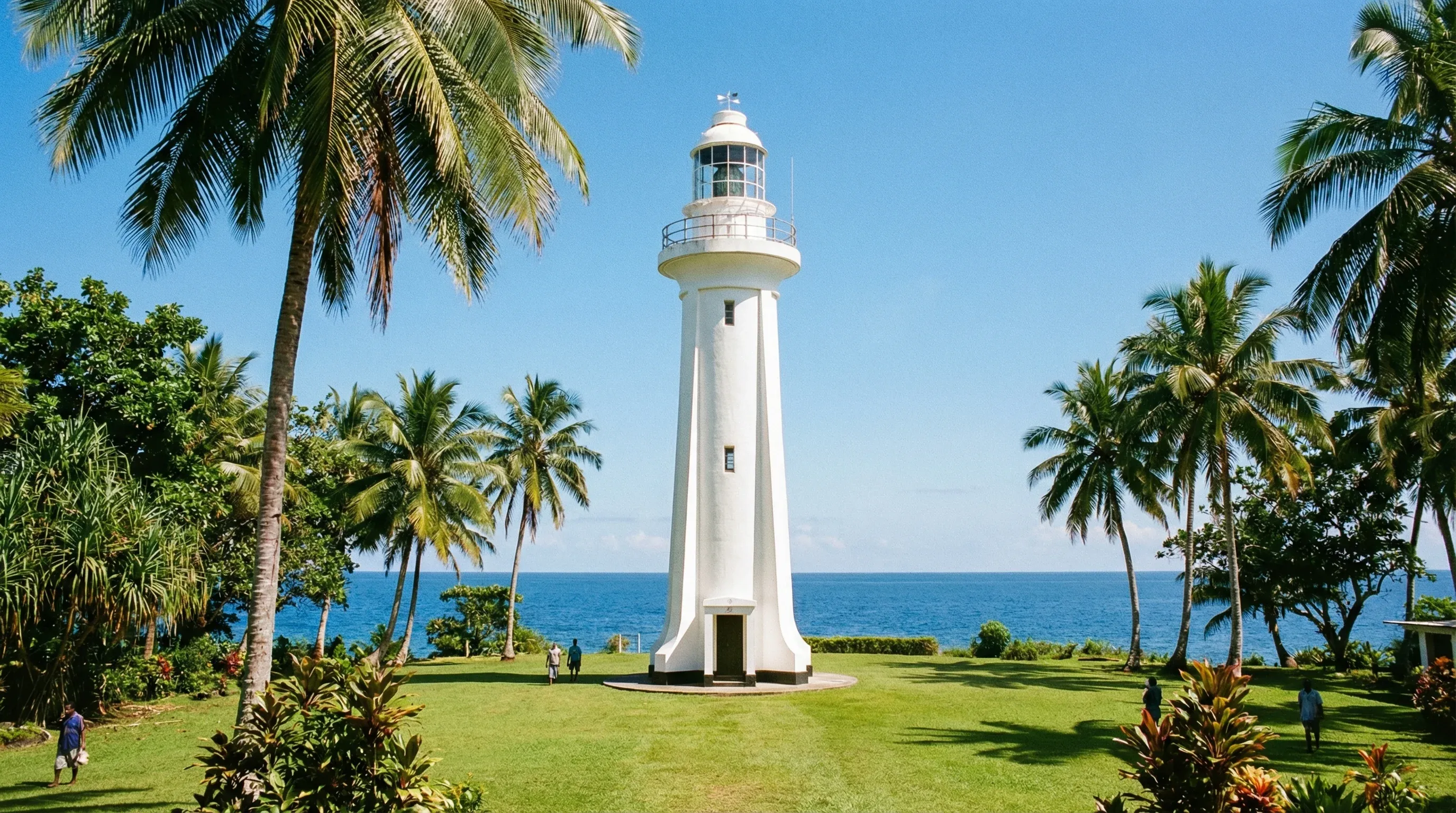
Beyond the town, the North Coast Highway stretches past coconut plantations and traditional villages. The region is a diver's paradise, but for non-divers, the harbour cruises and village visits offer plenty of entertainment. The Kalibobo Lighthouse (a local icon) stands as a coastwatcher memorial, and the surrounding resort grounds are safe places for children to run and play. The culture here is diverse, drawing people from the Sepik and the islands, making the local markets vibrant and colourful.
Key Attractions
While specific major landmarks are fewer, the Coastwatchers Memorial Light is the town's most iconic structure, a white pylon that guides ships and honours WWII heroes. Pig Island is a short boat ride away and offers superb snorkeling and picnic spots for families. The Madang Museum is small but packed with artifacts from the region's diverse tribes. For a nature fix, the Balek Wildlife Sanctuary was famously a filming location for the movie 'Robinson Crusoe' and features a sulfur creek filled with eels and turtles that children can feed.
Practical Advice
Madang is hot and humid year-round. The wet season (November to April) can be very rainy. Security in town is generally better than in larger cities, but walking at night is still not advised. Malaria prophylaxis is essential for this coastal region.
Food & Drink
Typical meal times: Breakfast 7:00 am to 9:00 am. Lunch 12:00 pm to 2:00 pm. Dinner 6:30 pm to 9:00 pm.
Typical meal costs: Resort meals cost PGK 50–90 (approx. $13–23 USD / €12–21 EUR). Local markets sell cheap fruit and coconuts for under PGK 2 ($0.50 USD).
Dietary requirements: Fresh fish is the highlight here. Vegetarians will rely on side dishes of vegetables and rice, which are readily available.
Signature dishes:
- Kulau (Young Coconut) – Drink the water and eat the soft meat; sold everywhere for pennies.
- Reef Fish – Usually served grilled or steamed with ginger and greens.
- Sago Pancakes – Chewy pancakes made from sago palm flour, a staple of the nearby swamps.
Why this score?
The region offers good outdoor recreation including reef diving and jungle treks to the Balek Wildlife Sanctuary. While less extreme than the Highlands, the lack of modern transport and the wild nature of the Bismarck Sea coast provide a moderate adventure level.
Why this score?
Madang's Modilon Hospital is the primary facility, but it faces frequent shortages of supplies and specialized staff. International travelers would find the facilities very basic compared to Western standards, making medical evacuation a likely necessity for serious issues.
Why this score?
Once the center of PNG's tourism, Madang still attracts a small number of divers and birdwatchers but lacks the volume of a recognized international destination. The visitor infrastructure is aging and caters primarily to domestic business travelers and niche foreign divers.

Madang caters to a range of budgets, but secure family accommodation is still mid-to-high range. Expect to pay PGK 350–600 (approx. $90–155 USD / €80–140 EUR) per night. Boat hire for island trips can cost PGK 100–200 (approx. $25–50 USD / €23–47 EUR).

Getting Here & Around
Getting Here
- Air – Madang Airport (MAG) has daily connections to Port Moresby. It is located very close to the town center.
- Road – The highway from Lae is scenic but can be in poor condition and subject to washouts. Flying is recommended for families.
Getting Around
- Hotel Shuttle – Most resorts provide shuttles to and from the airport and into town.
- Boat – Small boats are the best way to explore the harbour islands; arrange these through your hotel for safety.
Nearby Airports (1 airport)
Nadzab
LAELae
View full flight map for Papua New Guinea →
Official Links

Packing List
Madang's lush vegetation and water make mosquitoes very active
The harbour has excellent snorkeling spots accessible by short boat rides
Rain showers are frequent and heavy, even on sunny days
Great for spotting flying foxes and seabirds around the harbour
School supplies (pencils, books) or balloons are appreciated if visiting tribal villages, where reciprocity is culturally important.
Power outages are frequent even in towns, and rural village stays often have no electricity at all.
You will frequently remove shoes when entering guest houses, village homes, or custom areas.
Essential for protecting feet from sharp coral and stonefish if exploring the coastal islands and beaches.
Medical facilities are basic; carrying a sterile kit is a wise precaution for remote adventure travel.
Consider buying a local string bag on arrival; it's durable, supports women, and helps you blend in slightly better.

Activities & Best Times

Hiking, wildlife, outdoor exploration, ecotourism
The region offers authentic wilderness immersion, from the Balek wildlife sanctuary to the Adelbert Mountains. Peak season for trekking and wildlife viewing aligns with the drier months (June-September), whereas trails become impassable during the peak monsoon (December-April).

Beach resorts, marine activities: diving, snorkelling, kite surfing, wind surfing, sailing
Madang is PNG's premier diving destination with colorful lagoons and offshore reefs. It should be differentiated from other regions and elevated to very_good to reflect its nationally recognized status for marine tourism.

Urban tourism, museums, historical sites, architecture
Visitors can explore meaningful WWII history and traditional pottery villages like Bilbil, offering rare cultural authenticity. Exploration is most comfortable during the lower-humidity months (June-September), with the heavy rains of December-April making navigation and village visits difficult.

Scenic drives, countryside tours, route-based travel
Scenic coastal drives provide access to rugged landscapes and remote communities, though road conditions are rudimentary. The June-September dry season offers the safest driving conditions, while the wet season (December-April) is prone to landslides and road closures.

Sport tourism, fitness activities, active recreation
Challenging mountain treks like Shaggy Ridge provide world-class physical trials for fit, adventurous families. These specialized routes are only recommended during the drier months (June-September) for safety; the monsoon period (December-April) makes these tracks too hazardous.

Attractions (3 total)



Public Holidays & Calendar Next 12 months
Public holidays, festivals, cultural celebrations, and seasonal natural phenomena coming up in Madang & North Coast over the next 12 months.
Loading holidays and events...

Travel Advisory
The majority of international agencies advise exercising a high degree of caution or increased vigilance across Papua New Guinea. While Canada and the US maintain higher 'Reconsider' ratings, the consensus baseline for the country is L1, heavily augmented by L2/L3 regional warnings for the Highlands and Bougainville.
Safety Topics
Traveller Advice (5 groups)

If trekking the Kokoda Track or other trails, always hire a guide from a reputable company. Be aware of unexploded ordnance from WWII in remote areas and monitor local security conditions for the risk of robberies at trailheads.

Do not walk alone or after dark, particularly in Port Moresby, Lae, and Mount Hagen. Use pre-arranged private transport and avoid displaying valuables or using ATMs in public areas.

Be aware of kidnapping risks for ransom or political purposes in remote regions and near industrial mining or logging sites.

Exercise extreme caution as sexual assault and harassment are significant risks. It is strongly recommended to travel in groups rather than alone.

Research local laws and cultural norms thoroughly, as social attitudes toward sexual and gender minorities can be conservative.
Agency Summaries
Maintain high vigilance across the country due to serious crime. Higher risk levels apply to the Highlands region where tribal clashes are frequent.
The security environment remains very challenging. Violent crime is a major concern in both urban centers like Port Moresby and rural provinces.
While general caution is advised nationwide, specific warnings against all but essential travel are in place for Hela, Southern Highlands, and most districts in Enga Province due to tribal violence.
Heightened safety awareness is necessary throughout PNG because of violent crime and the risk of civil disturbances. Regional warnings apply to the Hela and Enga provinces.
Travellers are urged to avoid non-essential trips to Papua New Guinea due to severe levels of violent crime, civil instability, and ethnic conflict.
Reconsider travel plans because of persistent crime, civil unrest, and maritime piracy. Particular areas, including parts of Bougainville and the Highlands, carry even higher risk levels.
Information is provided for general guidance only and does not constitute travel, safety, medical, or legal advice. Conditions may change. Users are responsible for independently verifying information before travel.