
Asunción
Colonial charm and subtropical rhythms in South America's greenest capital 🌿🏛️
Click a region to explore
Overview
Asunción is a city that defies the frantic stereotype of a capital. Built on rolling hills overlooking the Paraguay River, it is one of the oldest cities in South America, known affectionately as the "Mother of Cities." For families, the immediate impression is one of overwhelming greenery; lapacho trees burst with pink and yellow blossoms (in season), and mango trees line the residential streets, dropping fruit on the sidewalks. The climate is subtropical and humid, meaning life moves at a slower, more manageable pace, which is ideal for traveling with children. While the summer heat (December to March) can be intense, the city comes alive in the cooler evenings when families gather on the Costanera promenade to watch the sunset over the river.
Culturally, Asunción is a fascinating blend of the indigenous Guaraní heritage and Spanish colonial influence. You will hear Guaraní spoken as often as Spanish, giving the city a unique auditory texture. While the historic center features grand 19th-century architecture, modern neighborhoods like Villa Morra offer slick shopping malls and air-conditioned respite. Safety is generally good in tourist areas during the day, though visitors should be cautious of "motochorros" (motorbike snatch-theft) and avoid walking in deserted areas of the downtown center at night. The family atmosphere is welcoming; children are adored here, and you will find that restaurants and public spaces are very tolerant of young ones.
A distinct feature of local life is the ubiquitous tereré (cold herbal mate tea). You will see locals carrying large thermos flasks everywhere they go. For a family visit, Asunción offers a mix of educational history and outdoor freedom. It isn't a city of high-octane theme parks, but rather a place to explore open-air museums, run in massive parks, and experience a genuine, unpretentious South American culture that has not yet been overrun by mass tourism.
Key Attractions
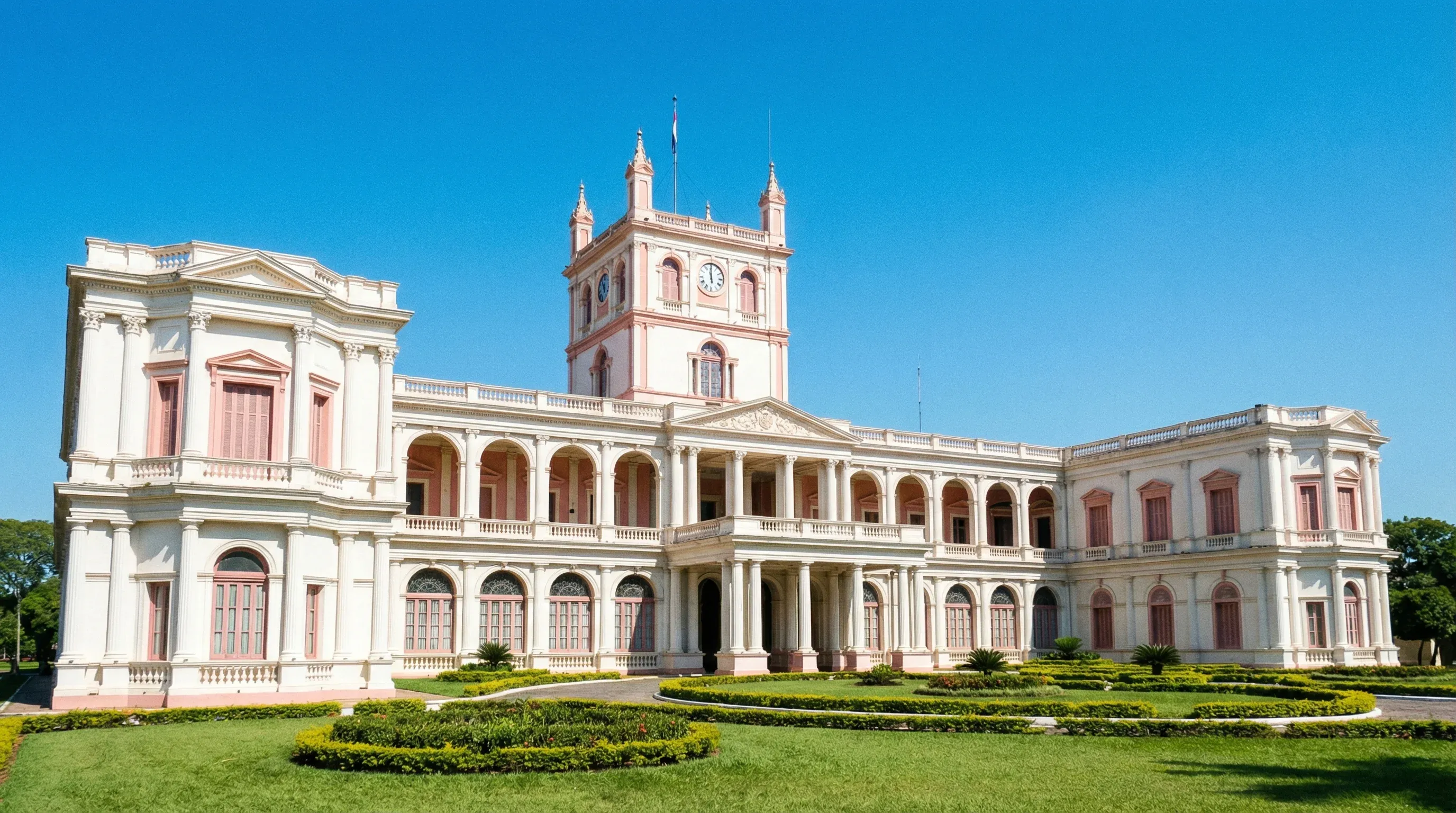
Start your exploration at the riverfront. The Palacio de los López is the seat of government and the city's most iconic building; while you generally cannot tour the interior, the illuminated exterior at night and the surrounding gardens are spectacular. Just a short walk away is the Panteón Nacional de los Héroes, a small but significant mausoleum guarded by soldiers in dress uniform—watch the changing of the guard, which children usually find fascinating.
For a day of nature, head to the Asunción Botanical Garden and Zoo. While the zoo facilities are older, the botanical gardens themselves are sprawling and beautiful, historically belonging to the former president Carlos Antonio López. It is a great spot for a picnic. If you need to burn off energy, Parque Ñu Guasú near the airport is the city's green lung. It features miles of walking paths, playgrounds, and sculpture gardens, making it the premier spot for local families on weekends. Art-loving families might enjoy a quieter moment at the Museo Nacional de Bellas Artes, which houses a modest but interesting collection of paintings that tell the story of the nation's turbulent history.
Practical Advice
Best time to visit: The most pleasant weather is during the winter and spring months (May to September), when temperatures are mild and humidity is lower. Summers (December to February) can see temperatures exceeding 40°C (104°F).
Logistics: The "siesta" is real here. Many shops and smaller museums close between 12:00 pm and 3:00 pm. Plan your indoor activities or lunches for this time.
Food & Drink
Typical meal times: Lunch is the main meal of the day, typically served from 12:00 pm to 2:30 pm. Dinner is eaten late, usually starting from 8:30 pm to 10:30 pm.
Typical meal costs: A meal for a family of four at a mid-range restaurant costs around 180,000–300,000 PYG (approx. $24–40 USD / €22–37 EUR). Street food snacks are very cheap, often under 10,000 PYG (approx. $1.30 USD / €1.20 EUR).
Dietary requirements: Paraguayan diet is heavy on meat and starch (cassava/manioc). Vegetarians can rely on corn-based dishes (see below) and salads. Gluten-free is surprisingly easy for traditional snacks as many are made from cassava or corn flour, but cross-contamination in kitchens is a risk.
Signature dishes:
- Sopa Paraguaya – Paradoxically not a soup, but a dense, savory cornbread made with cheese, onions, and milk. It is the national dish and children usually love it.
- Chipa – A chewy, bagel-like ring made from manioc starch and cheese, sold on street corners everywhere. Perfect for a quick, gluten-free travel snack.
- Vorí Vorí – A thick, comforting chicken soup containing small balls made of corn flour and cheese.
- Mbeju – A pan-fried starch cake made of manioc flour and cheese, crispy on the outside and gooey on the inside.
Why this score?
The region is predominantly urban and developed, focused on shopping malls, historic districts, and the paved Costanera waterfront. Most tourist activities are low-impact, such as walking tours of the historic center or visiting the Botanical Garden. There is very little rugged terrain or physical challenge involved in visiting this metropolitan area.
Why this score?
Asunción hosts the country's most advanced medical facilities, including high-quality private hospitals like Sanatorio La Costa and Migone. While medical staff at top-tier clinics are highly skilled, English proficiency is not universal, and the public health system lags behind international standards. It serves as the primary medical hub for the entire country and is capable of handling most emergencies for foreign visitors with insurance.
Why this score?
As the national capital and primary gateway, Asunción receives the highest volume of international arrivals, though much is for business or regional transit. While it features cultural landmarks like the Palacio de los López and Museo del Barro, it remains a niche destination for global leisure travelers. The infrastructure is well-developed for its size, but it lacks the iconic 'bucket-list' attractions found in neighboring South American capitals.

Asunción is one of the most affordable capitals in South America. A comfortable 3-star hotel family room costs around 300,000–550,000 PYG (approx. $40–73 USD / €37–68 EUR). High-end dining is significantly cheaper than in Europe or the US, with luxury meals rarely exceeding 200,000 PYG (approx. $26 USD / €24 EUR) per person. Public transport is negligible in cost.

Getting Here & Around
Getting Here
- Airports – Silvio Pettirossi International Airport (ASU) is the main gateway, located in Luque, about 30 minutes from the center. It receives flights from major South American hubs like São Paulo, Buenos Aires, and Panama City.
- Bus – The Asunción Terminal offers long-distance connections to all parts of Paraguay and neighboring countries (Argentina, Brazil). It is a busy hub, so keep a close eye on luggage.
- Driving – If entering from Argentina, you will likely cross the Falcón-Clorinda border. From Brazil, the main entry is via the Friendship Bridge in the east, followed by a 4-5 hour drive on Route 2 to the capital.
Getting Around
- Ride-sharing & Taxis – Uber and Bolt are widely used, safe, and very affordable for families. They are generally recommended over hailing street taxis, especially at night.
- Bus – The local bus system is colorful and chaotic. While cheap, the buses can be old and lack air conditioning. It is an "adventure" for older kids but can be stressful with toddlers or strollers.
- Walking – The historic center (near Palacio de los López and the Panteón) is walkable, but sidewalks can be uneven. The Costanera is excellent for walking and has wide, paved paths.
Nearby Airports (1 airport)
Silvio Pettirossi International
ASUAsuncion
View full flight map for Paraguay →
Official Links

Packing List
The heat is intense and constant; keeping water cold is a daily necessity.
Dengue fever is a real risk in the city; aggressive protection is needed day and night.
Air conditioning isn't guaranteed in small shops or while waiting for transport.
If coming from 110V countries; Paraguay uses 220V.
Essential for the extreme heat; locals carry large thermos flasks everywhere for ice water.
The humidity is intense; it's common practice to carry a small cloth to wipe sweat from your face.
Dengue fever is a genuine risk in cities and rural areas; local brands may differ in strength.
Paraguay uses a mix of Europlug (Type C) and the unique Type L (three pins in a row).
English is rarely spoken outside luxury hotels; basic phrases are necessary for daily interactions.

Activities & Best Times

Urban tourism, museums, historical sites, architecture
Asunción offers a rich tapestry of colonial history and authentic South American urban culture through sites like the Palacio de los López and Museo del Barro. The cooler, drier months of May to September are essential for exploring the historic center on foot, as summer temperatures frequently become oppressive for international travelers.

Hiking, wildlife, outdoor exploration, ecotourism
The region features unique riverfront environments and large urban parks like Ñu Guasú that offer a blend of outdoor recreation and local biodiversity. Peak visitation occurs during the mild winter when humidity is lower and trails are most accessible, while the peak of summer is generally avoided due to extreme heat and tropical rainfall.

Learning experiences, scientific sites, historical education
The region hosts significant scientific and natural history museums, including MuCi, which offer high-quality engagement with Paraguayan ecology and history. While these are indoor attractions, the peak travel window aligns with the general tourist season when regional transport and guided services are most reliable.

Scenic drives, countryside tours, route-based travel
As the gateway to the Circuito de Oro and the Jesuit Missions Route, Asunción serves as an excellent base for sophisticated cultural driving tours. Travel is best from May to September to avoid the heavy summer storms that can affect road conditions and visibility on rural routes.

Sport tourism, fitness activities, active recreation
Facilities like Rakiura Resort and the dedicated cycling circuits at Parque Ñu Guasú provide high-quality infrastructure for active families. Outdoor sporting activities are most enjoyable during the cooler months, as the intense summer heat from November to March presents significant discomfort and health risks for vigorous activity.

Attractions (11 total)



Public Holidays & Calendar Next 12 months
Public holidays, festivals, cultural celebrations, and seasonal natural phenomena coming up in Asunción over the next 12 months.
Loading holidays and events...

Travel Advisory
While several agencies maintain a baseline level for the country as a whole, half of the reporting agencies advise increased caution due to a significant rise in violent crime. A split consensus exists between standard precautions and elevated vigilance, with specific warnings consistently issued for border regions and northern departments.
Safety Topics
Traveller Advice (3 groups)

Carry identification at all times as police may request it. Avoid displaying wealth or using expensive mobile phones in public. In the event of a robbery, do not resist as assailants are likely to be armed.

Female travellers should exercise standard safety protocols, particularly when travelling alone. While major cities are generally safe during the day, extra caution is needed in poorly lit areas or when using public transport at night.

While there are no legal restrictions on same-sex relationships, Paraguay is a socially conservative country where public displays of affection may attract negative attention or discrimination outside of specialized venues in Asunción.
Agency Summaries
Travellers should be more vigilant than usual due to rising crime rates across the country. Violent crime incidents, often involving armed groups, have been noted more frequently in recent years. Specific risks exist in the Tri-border region and northern areas near Brazil where drug and weapons trafficking is prevalent.
Heightened vigilance is recommended due to the prevalence of violent crimes such as armed robbery and kidnapping. Crime is especially concentrated in northern departments and border cities. Public protests can occur and may lead to transport disruptions.
Most visits are incident-free, but caution is advised in specific regional 'hotspots' near the Brazilian border. Armed groups and criminal networks operate in departments like Concepción and Amambay. Petty theft is common in major urban centers.
General safety awareness is advised. Visitors should be conscious of their personal belongings and monitor local media for potential civil unrest or demonstrations in the capital and other large cities.
There is no specific high-level travel advisory, but travellers should maintain standard security awareness. Comprehensive medical insurance is essential as local medical facilities vary greatly in quality and accessibility.
While general travel is considered safe under normal safety protocols, certain departments including Alto Paraná, Amambay, and San Pedro carry a higher risk. In these border zones, transnational criminal groups are active, and the police presence is noticeably weaker.
Information is provided for general guidance only and does not constitute travel, safety, medical, or legal advice. Conditions may change. Users are responsible for independently verifying information before travel.