
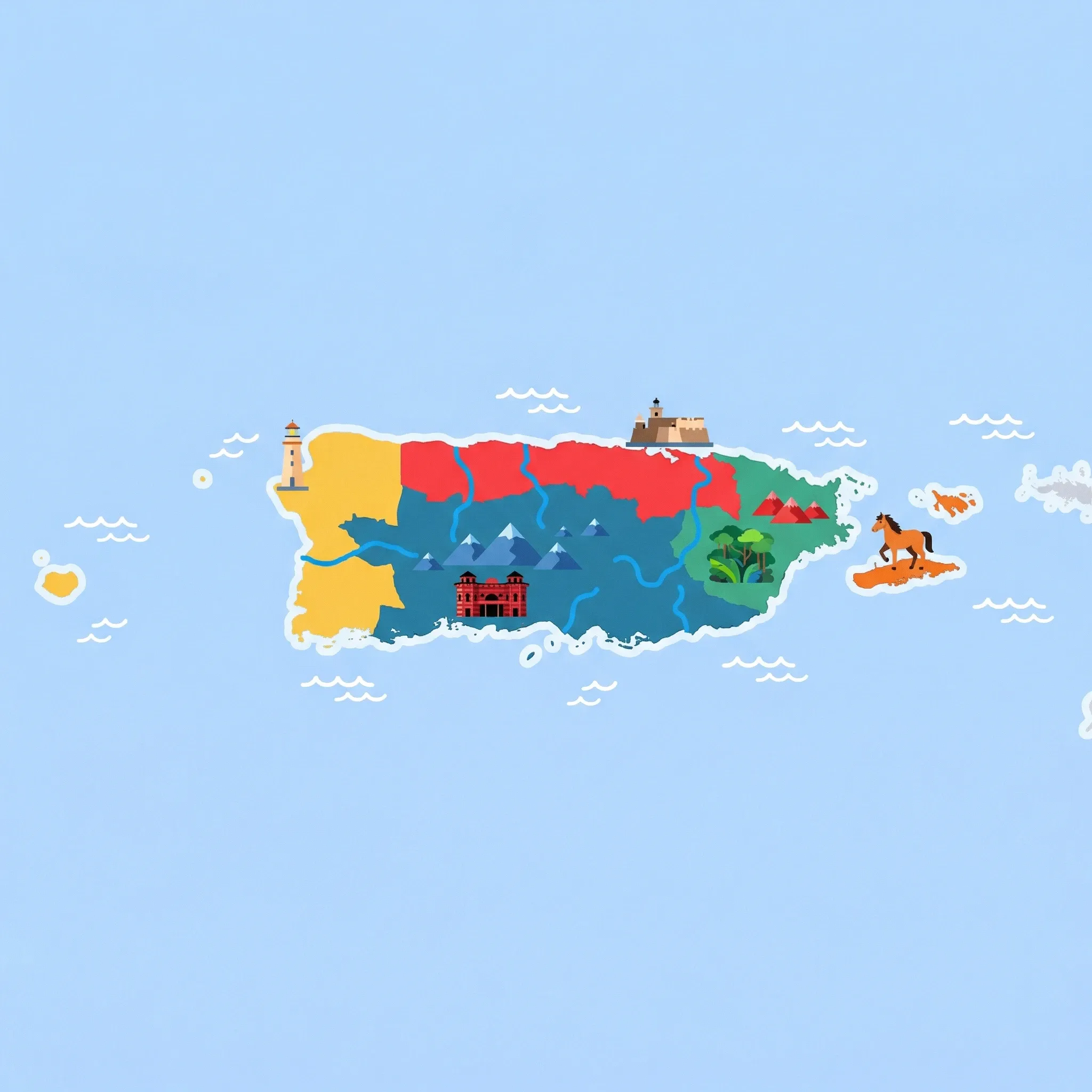
Click a region to explore
Overview
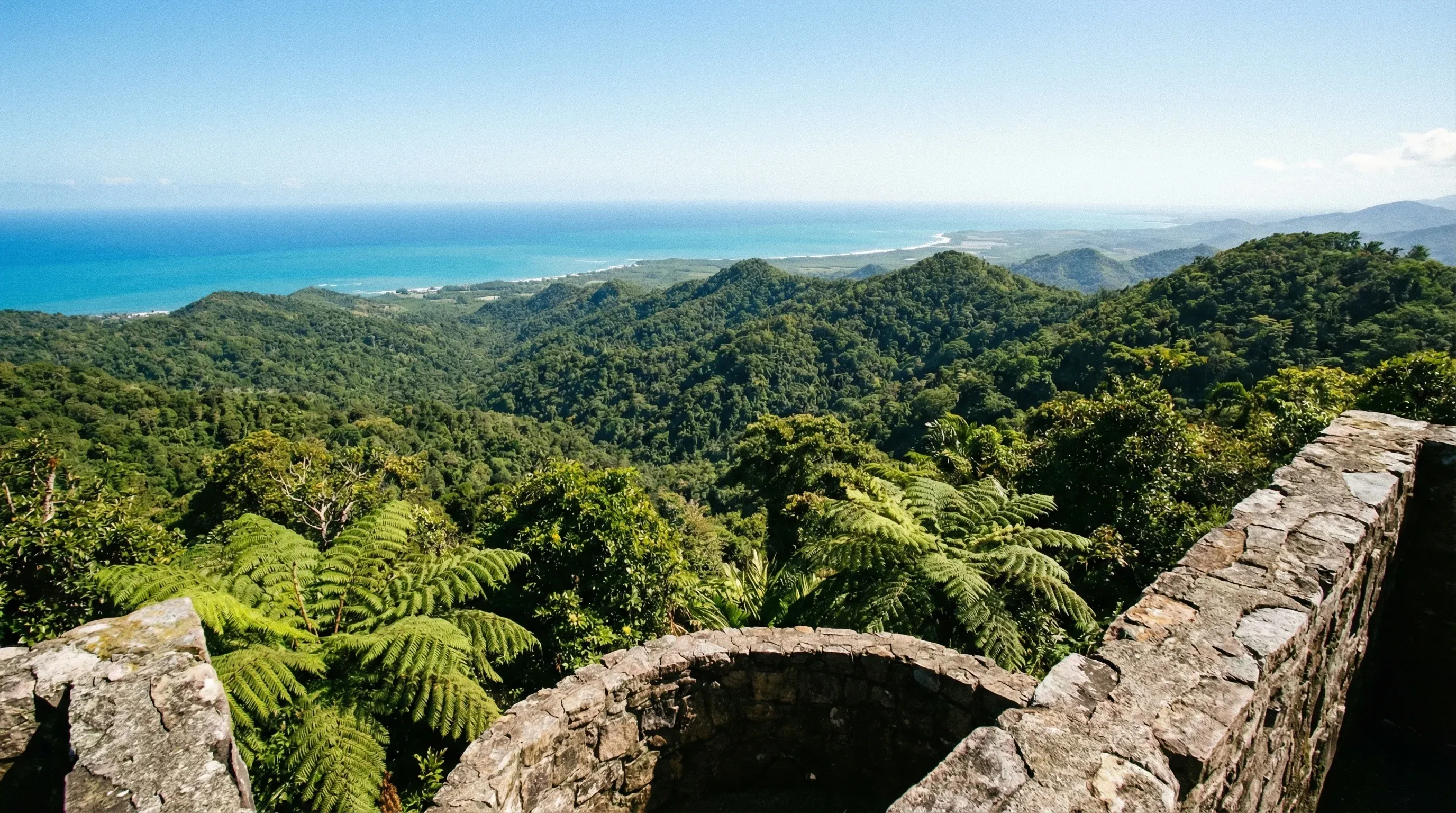
The eastern region of Puerto Rico is a playground of ecological diversity that serves as the perfect introduction to the island's natural wonders for families. Dominated by the majestic peaks of the rainforest, the skyline here is a wall of deep emerald green that seems to rise straight out of the Atlantic Ocean. For children, this area feels like stepping into a jungle adventure movie; the air is thick with the sound of coqui frogs, and the vegetation is prehistoric in scale, with giant ferns and bamboo groves lining the winding roads. Unlike the dry south, the east is lush, wet, and teeming with life, offering a climate that stays humid and tropical year-round.
Culturally, the east is laid-back and centered around nature and coastal living. The town of Luquillo is known as the "Sun Capital," while Fajardo serves as the boating capital of the island. Families here will find a rhythm that dictates early mornings exploring the mountains before the afternoon rains, followed by relaxed evenings sampling fried fritters at roadside kiosks. It is an area where you don't need to choose between a hiking trip and a beach holiday—you get world-class versions of both within a 20-minute drive of each other. The accessibility of the rainforest, with its paved trails and visitor centers, makes it uniquely suited for traveling with children of all ages, allowing even toddlers to experience the magic of a tropical cloud forest safely.
Key Attractions
The undisputed jewel of the region is El Yunque National Forest, the only tropical rainforest in the U.S. National Forest system. Families should start their journey at the El Portal Visitor Center to learn about the local ecosystem before driving up the El Yunque Scenic Drive (PR-191). This winding road takes you past observation towers like Yokahú Tower, which offers panoramic views that children love climbing to see. For a refreshing dip, the Juan Diego Falls offer accessible natural pools where kids can splash safely under the jungle canopy.
After the mountains, the coast calls. Balneario La Monserrate (Luquillo Beach) is widely considered one of the best family beaches in the Caribbean due to its crescent shape that blocks rough waves, creating a giant, shallow saltwater pool perfect for young swimmers. For a more adventurous day trip, families can take a water taxi from Fajardo to Cayo Icacos. This uninhabited cay offers pristine white sand and incredibly clear water for snorkeling, where kids can spot colorful fish right off the shore.
Practical Advice
The east is prone to brief, heavy showers, particularly in the afternoon; pack quick-drying clothes and plan hikes for the morning (8:00 am to 12:00 pm). Rental cars are essential here as public transport is non-existent. If visiting El Yunque, check if a reservation is required for entry, as this system changes seasonally. The area is generally very safe, but avoid leaving valuables in cars at beach parking lots.
Food & Drink
Typical meal times: Lunch is typically served from 11:30 am to 2:30 pm, and dinner from 5:30 pm to 9:00 pm. On weekends, the famous kiosks stay open later.
Typical meal costs: Street food is cheap, but sit-down meals are mid-range. A family dinner costs around $60–100 (approx. €55–92 / £47–79).
Dietary requirements: The area is accustomed to tourists. Vegetarian options (like mofongo with vegetables) are easy to find. Gluten-free travelers should be careful with fried items due to shared oil, but fresh seafood is abundant.
Signature dishes:
- Mofongo – Mashed fried green plantains with garlic and pork cracklings, often stuffed with seafood or chicken; a hearty must-try staple.
- Arepas de Coco – Fried bread made with coconut flour, slightly sweet and savory, often eaten plain or stuffed with seafood salad.
- Bacalaitos – Crispy salt cod fritters that look like giant savory pancakes, a classic snack found at the Kioskos de Luquillo.
Why this score?
The region offers significant outdoor adventure for families, ranging from hiking to rainforest waterfalls like La Mina to kayaking in the Laguna Grande bioluminescent bay. While infrastructure like the El Portal visitor center provides comfort, the terrain in the rainforest and the rugged coastal nature reserves offer a notable level of physical engagement.
Why this score?
Medical services are robust in this area, particularly in Fajardo and Rio Grande, which host several modern clinics and regional hospitals. Its proximity to the San Juan metropolitan area ensures that specialized emergency care is reachable within an hour's drive for most visitors.
Why this score?
This region is a cornerstone of Puerto Rican tourism, drawing millions of visitors annually to El Yunque, the only tropical rainforest in the US National Forest System. Fajardo serves as a primary hub for catamaran tours and bioluminescent bay excursions, making it a well-known international destination, though slightly less visited than the capital.

The east offers a mix of luxury resorts and budget guesthouses. Entrance to the National Forest is affordable (approx. $2 reservation fee per vehicle), and public beaches have low parking fees ($4–5). Dining at the famous kiosks is great value, with heavy snacks costing $3–8 (approx. €2.75–7.35 / £2.35–6.30) each. Resort dining is significantly more expensive.

Getting Here & Around
Getting Here
- Airports – The region is easily accessible from Luis Muñoz Marín International Airport (SJU) in San Juan, approximately a 30–45 minute drive to Rio Grande and Luquillo.
- Driving – Renting a car is the standard way to arrive. Take Route 66 (toll road) east from San Juan for the fastest route, or the scenic Route 3 for a slower drive with local color.
- Transfers – Private shuttles and tour vans operate from San Juan hotels to El Yunque National Forest, but these limit your flexibility to explore hidden beaches afterwards.
Getting Around
- Car – Essential. Attractions like the El Yunque Scenic Drive (PR-191) are spread out and not walkable from accommodation areas. GPS works well, but signal can be spotty deep in the forest.
- Walking – Only viable within specific resort complexes or once you have parked at a destination like Balneario La Monserrate.
- Boat – Private catamarans and water taxis from Fajardo are the only way to reach offshore cays like Cayo Icacos.
Nearby Airports (1 airport)
Jose Aponte de la Torre Airport
NRRCeiba
View full flight map for Puerto Rico →

Packing List
Essential for waterfall selfies in El Yunque and boat trips to Icacos.
Rainforest trails are often muddy even on sunny days; dry feet for the drive home are a lifesaver.
Strictly required if you plan to swim in the delicate ecosystems near the coral reefs.
It rains almost daily in the rainforest; heavy jackets are too hot for the humid climate.
The native Coquí frogs are beloved but incredibly loud at night (up to 90 decibels), which can keep light sleepers awake.
Essential for protecting feet from sharp rocks and sea urchins when swimming in waterfalls or hiking river beds.
Puerto Ricans love aggressive air conditioning; malls, cinemas, and hotel rooms can be freezing despite the tropical heat outside.
Chemical sunscreens can damage coral reefs; mineral-based options are better for the environment and often required for bio bay tours.

Activities & Best Times

Hiking, wildlife, outdoor exploration, ecotourism
Home to El Yunque, the only tropical rainforest in the U.S. National Forest System, offering world-class biodiversity and unique hiking trails like Mount Britton. Peak visitation aligns with the drier winter months and summer family holidays, while the peak hurricane season (Aug-Oct) presents significant risks for trail closures and flash floods.

Beach resorts, marine activities: diving, snorkelling, kite surfing, wind surfing, sailing
Seven Seas Beach and Luquillo Beach are Caribbean-class destinations with exceptional water quality and infrastructure. While not quite at Flamenco level, these beaches are nationally significant and internationally recognized. The addition of bioluminescent Laguna Grande further elevates the coastal experience.

Sport tourism, fitness activities, active recreation
Features dedicated infrastructure for active tourism, including the expansive Carabalí Rainforest Adventure Park and extensive managed trail networks for high-intensity hiking. Optimal conditions for outdoor activities occur from December through April when humidity is lower and rainfall is less likely to disrupt operations.

Urban tourism, museums, historical sites, architecture
Offers a distinct blend of maritime history at Cape San Juan and authentic local gastronomy at the Luquillo Kiosks. The atmosphere is most vibrant during the high winter season and local festivals, though summer heat and autumn rain can dampen the urban exploration experience.

Scenic drives, countryside tours, route-based travel
Renowned for scenic routes like the El Yunque Scenic Drive and the coastal Piñones route, providing stunning vistas and easy access to diverse ecosystems. Visibility and road safety are best in the drier months, as heavy tropical downpours in late summer can lead to landslides and hazardous driving conditions.

Amusement parks, family entertainment venues
Sector Sixty6 provides a modern indoor entertainment option for families, though it remains a secondary attraction for international travelers. Peak months correspond to school holidays when local family attendance is highest, while the peak of the hurricane season sees a general dip in regional tourism.

Attractions (11 total)



Public Holidays & Calendar Next 12 months
Public holidays, festivals, cultural celebrations, and seasonal natural phenomena coming up in El Yunque & East over the next 12 months.
Loading holidays and events...

Travel Advisory
The destination is considered generally safe. All major reporting agencies classify the territory at their lowest risk level, requiring only standard safety awareness.
Safety Topics
Traveller Advice (3 groups)

Puerto Rico is generally welcoming to LGBTQ+ visitors, but travelers should research specific local attitudes if visiting more remote or conservative rural areas.

Maintain standard vigilance against petty crime in tourist districts and ensure you have comprehensive travel insurance that includes emergency medical evacuation.

Standard personal security measures for solo travelers are advised, particularly when navigating urban centers or using public transport late at night.
Agency Summaries
Standard precautions are recommended. Travelers should be mindful of violent crime risks common in urban areas and monitor for seasonal tropical storms.
There is currently no specific restrictive travel advisory. Visitors are encouraged to have medical insurance covering evacuation and to take health precautions against insects.
The security environment is considered stable. Irish citizens must comply with US entry requirements and should monitor hurricane forecasts during the active season.
Travelers should maintain a standard level of safety awareness similar to what they would in Canada. Be alert to petty theft and mosquito-borne illnesses.
British nationals should exercise normal caution. Puerto Rico is covered under the general USA advisory, emphasizing awareness of urban crime and extreme weather.
As an unincorporated US territory, Puerto Rico is subject to domestic travel guidelines. No international travel advisory is issued for this destination.
Information is provided for general guidance only and does not constitute travel, safety, medical, or legal advice. Conditions may change. Users are responsible for independently verifying information before travel.