
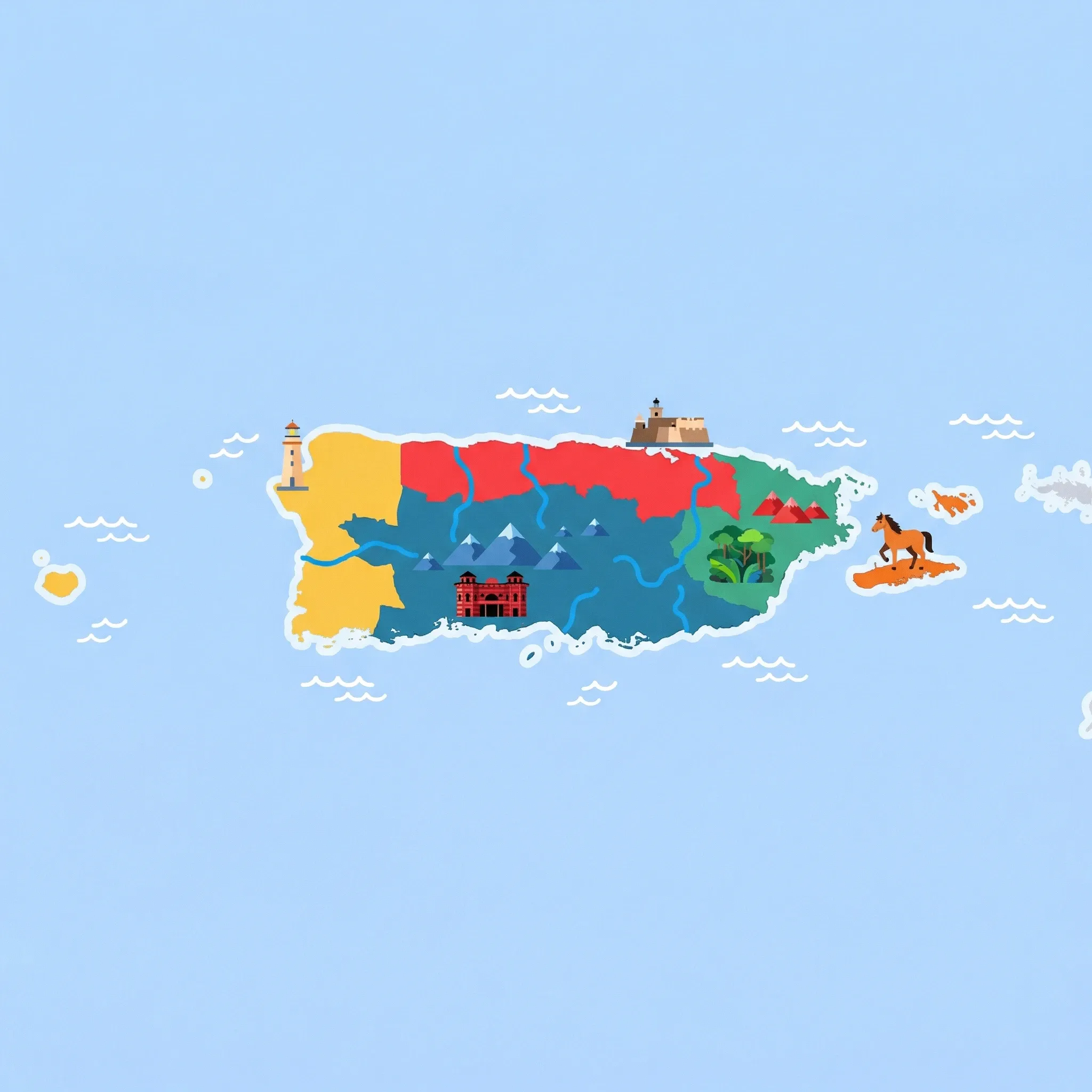
Click a region to explore
Overview
San Juan is one of the most unique cities in the Caribbean, offering a seamless blend of Old World Europe and New World tropics. For families, the primary draw is Old San Juan (Viejo San Juan), a walled city of blue cobblestone streets, pastel-colored colonial buildings, and massive fortifications that spark the imagination of children. It feels like a living museum, but one where you can eat gelato on every corner and chase pigeons in historic plazas. The atmosphere is vibrant, safe, and incredibly walkable, making it easy to navigate even with strollers (though the cobblestones can be bumpy!).
Beyond the historic walls, the Metro area transforms into a modern resort destination. Areas like Condado and Isla Verde offer high-rise hotels with pool complexes right on the beach, providing the classic "resort" experience just minutes from the airport. For a more local vibe, the nearby area of Piñones offers a rustic strip of mangrove forests and beach kiosks. San Juan is busy, sometimes loud, and full of energy, offering families the convenience of US infrastructure (Walgreens, hospitals, Uber) with the exotic feel of a foreign destination.
Key Attractions
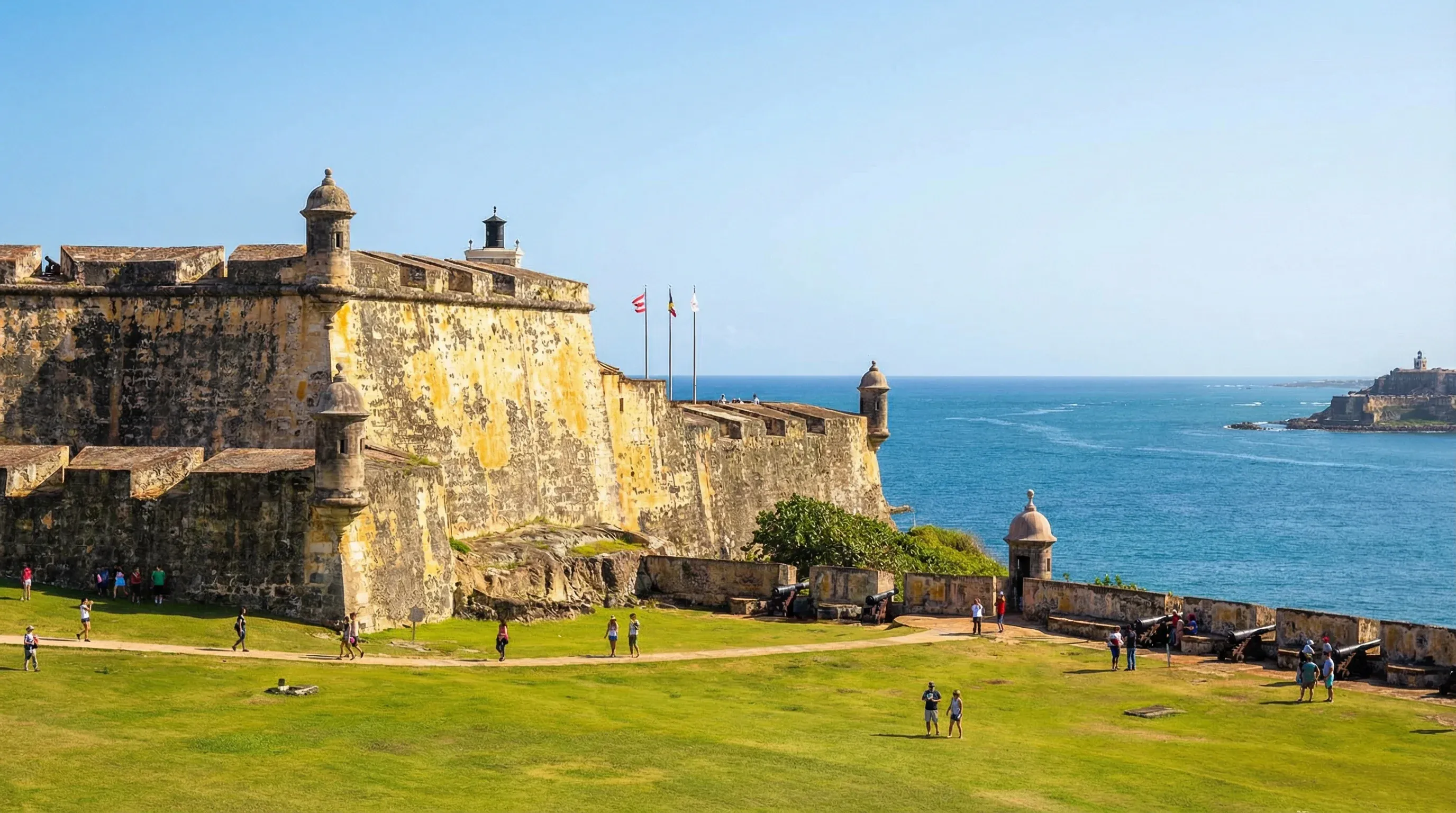
History comes alive at the San Juan National Historic Site. The most iconic stop is Castillo San Felipe del Morro (El Morro), a six-level fortress guarding the bay. The massive lawn in front is traditionally used for kite flying, a magical experience for kids. A short walk away is Castillo San Cristóbal, the largest fortification built by the Spanish in the New World, featuring "garitas" (sentry boxes) that kids love to hide in.
For a change of pace, walk the Paseo del Morro, a scenic coastal path that hugs the city walls right by the water—perfect for spotting iguanas and cats. Culture-loving families should visit the Museo de Arte de Puerto Rico in Santurce, which has an exquisite sculpture garden. For a true taste of local life, drive to the PR-187 Piñones Coastal Road to cycle on the boardwalk and eat fritters by the ocean.
Practical Advice
Traffic in San Juan can be heavy, especially during rush hour (4:00 pm to 6:30 pm). If you are staying in Old San Juan, you do not need a car; parking is expensive and scarce. Use Uber or taxis. The heat in the stone city can be intense; explore the forts in the morning, rest in the afternoon, and walk the streets in the evening.
Food & Drink
Typical meal times: Lunch 12:00 pm to 2:30 pm. Dinner is late, typically 7:00 pm to 9:30 pm. Reservations are recommended for popular spots on weekends.
Typical meal costs: This is the most expensive region. Dinner for four in a nice restaurant: $120–180 (approx. €110–165 / £95–142). Casual dining: $60–90.
Dietary requirements: Excellent. San Juan is cosmopolitan with many options for vegan, gluten-free, and allergy-aware dining, especially in Condado and Calle Loíza.
Signature dishes:
- Mallorcas – Sweet, eggy bread rolls dusted with powdered sugar, often sliced and used for ham and cheese sandwiches; a breakfast classic.
- Alcapurrias – Deep-fried fritters made of grated yucca or green banana, stuffed with savory beef or crab; best eaten fresh in Piñones.
- Mofongo – The city offers high-end versions of this plantain dish, often served with creamy garlic sauce and shrimp.
Why this score?
This is a heavily developed urban environment where tourism centers on history, shopping, and resort beaches. Outside of walking the city walls or flying kites at El Morro, there is very little rugged or off-the-beaten-path activity, making it a low-adventure destination suited for urban convenience.
Why this score?
San Juan offers world-class medical facilities, including the Centro Médico trauma center and several JCI-accredited private hospitals like Ashford Presbyterian. English-speaking staff are standard, and the quality of care matches high-level international standards, making it the safest region for medical peace of mind.
Why this score?
As the primary gateway to the island and a major cruise ship port, San Juan is a top-tier Caribbean destination with millions of annual visitors. Old San Juan’s historic forts and the high-rise resort districts of Condado and Isla Verde represent the island's most concentrated international tourism presence.

San Juan is the most expensive part of Puerto Rico. Hotel prices in Condado rival Miami or New York ($250–400+ per night). Food and drinks in tourist hubs are priced for the US market. However, walking around the historic sites is cheap—the <a data-attraction-id="54576">San Juan National Historic Site</a> pass is approx. $10 for adults and free for children under 15.

Getting Here & Around
Getting Here
- Airports – Luis Muñoz Marín International Airport (SJU) is the main hub of the Caribbean. It is located right in the city, just 10–15 minutes from Isla Verde and 20 minutes from Old San Juan.
- Cruise Port – Many families arrive via cruise ship; the piers are located directly in Old San Juan, walking distance to La Fortaleza and the forts.
Getting Around
- Walking – The best way to see Old San Juan. The blue cobblestones are iconic but can be uneven.
- Uber/Taxi – Widely available and reliable for moving between the Old City, Condado, and the airport.
- Car – Useful only if you plan to leave the city to visit PR-187 Piñones Coastal Road or the rainforest. Avoid driving into the Old City if possible.
Nearby Airports (2 airports)
Fernando Luis Ribas Dominicci
SIGSan Juan
Luis Munoz Marin International
SJUSan Juan
View full flight map for Puerto Rico →

Packing List
The blue cobblestones in Old San Juan are slippery when wet and uneven; flip-flops are a tripping hazard.
Flying a kite on the lawn of El Morro is a rite of passage; buying one there is 3x the price.
The walled city blocks the sea breeze in the narrow streets; it gets stiflingly hot for toddlers.
City hotels, especially in Old San Juan, can be noisy at night due to vibrant nightlife and street festivals.
Essential for protecting feet from sharp rocks and sea urchins when swimming in waterfalls or hiking river beds.
Puerto Ricans love aggressive air conditioning; malls, cinemas, and hotel rooms can be freezing despite the tropical heat outside.
Chemical sunscreens can damage coral reefs; mineral-based options are better for the environment and often required for bio bay tours.
Crucial for capturing photos in the rainforest, during bioluminescent bay kayak tours, or on boat trips without water damage.

Activities & Best Times

Urban tourism, museums, historical sites, architecture
Old San Juan is a UNESCO-caliber destination featuring Spanish colonial architecture, world-class art museums, and a sophisticated culinary scene. Peak months offer the most comfortable temperatures for walking the historic blue-cobbled streets, while late summer carries hurricane risks.

Hiking, wildlife, outdoor exploration, ecotourism
The region offers unique coastal ecosystems like the Piñones mangrove forests and high-quality urban adventure centers like ToroVerde. Peak season coincides with the driest months, ensuring trails and outdoor adventure parks are accessible and safe for family exploration.

Learning experiences, scientific sites, historical education
With the Museum of Art of Puerto Rico, Manatee Conservation Center, multiple historic military fortifications with interpretive programs, and strong university research facilities, San Juan offers nationally significant educational tourism that approaches international standards.

Sport tourism, fitness activities, active recreation
With major adventure parks and coastal recreation trails, San Juan is a hub for active families seeking organized sport and outdoor infrastructure. Conditions are optimal from December to April when humidity is lower and rainfall is minimal, facilitating consistent outdoor activity.

Beach resorts, marine activities: diving, snorkelling, kite surfing, wind surfing, sailing
Major balnearios like Escambrón and Carolina provide high-quality urban beach experiences with excellent facilities for families. The winter and spring months offer the most stable sea conditions and pleasant water temperatures for swimming and coastal relaxation.

Amusement parks, family entertainment venues
While not home to global mega-parks, the region's specialized aquatic and children's amusement centers are high-quality options for family entertainment. Peak timing aligns with school holiday windows when these parks are most active and fully operational.

Events, celebrations, seasonal attractions
The San Sebastian Street Festival in January is an internationally significant event that draws massive crowds for Puerto Rican music and art. Shoulder months include the traditional holiday festivities in December and the unique Noche de San Juan beach celebrations in June.

Scenic drives, countryside tours, route-based travel
Short coastal routes like PR-187 through Piñones offer authentic scenic drives with spectacular ocean views and local food kiosks. These drives are best during the drier peak season when road conditions are most reliable and skies are clear for coastal photography.

Attractions (14 total)



Public Holidays & Calendar Next 12 months
Public holidays, festivals, cultural celebrations, and seasonal natural phenomena coming up in San Juan & Metro over the next 12 months.
Loading holidays and events...

Travel Advisory
The destination is considered generally safe. All major reporting agencies classify the territory at their lowest risk level, requiring only standard safety awareness.
Safety Topics
Traveller Advice (3 groups)

Puerto Rico is generally welcoming to LGBTQ+ visitors, but travelers should research specific local attitudes if visiting more remote or conservative rural areas.

Maintain standard vigilance against petty crime in tourist districts and ensure you have comprehensive travel insurance that includes emergency medical evacuation.

Standard personal security measures for solo travelers are advised, particularly when navigating urban centers or using public transport late at night.
Agency Summaries
Standard precautions are recommended. Travelers should be mindful of violent crime risks common in urban areas and monitor for seasonal tropical storms.
There is currently no specific restrictive travel advisory. Visitors are encouraged to have medical insurance covering evacuation and to take health precautions against insects.
The security environment is considered stable. Irish citizens must comply with US entry requirements and should monitor hurricane forecasts during the active season.
Travelers should maintain a standard level of safety awareness similar to what they would in Canada. Be alert to petty theft and mosquito-borne illnesses.
British nationals should exercise normal caution. Puerto Rico is covered under the general USA advisory, emphasizing awareness of urban crime and extreme weather.
As an unincorporated US territory, Puerto Rico is subject to domestic travel guidelines. No international travel advisory is issued for this destination.
Information is provided for general guidance only and does not constitute travel, safety, medical, or legal advice. Conditions may change. Users are responsible for independently verifying information before travel.