
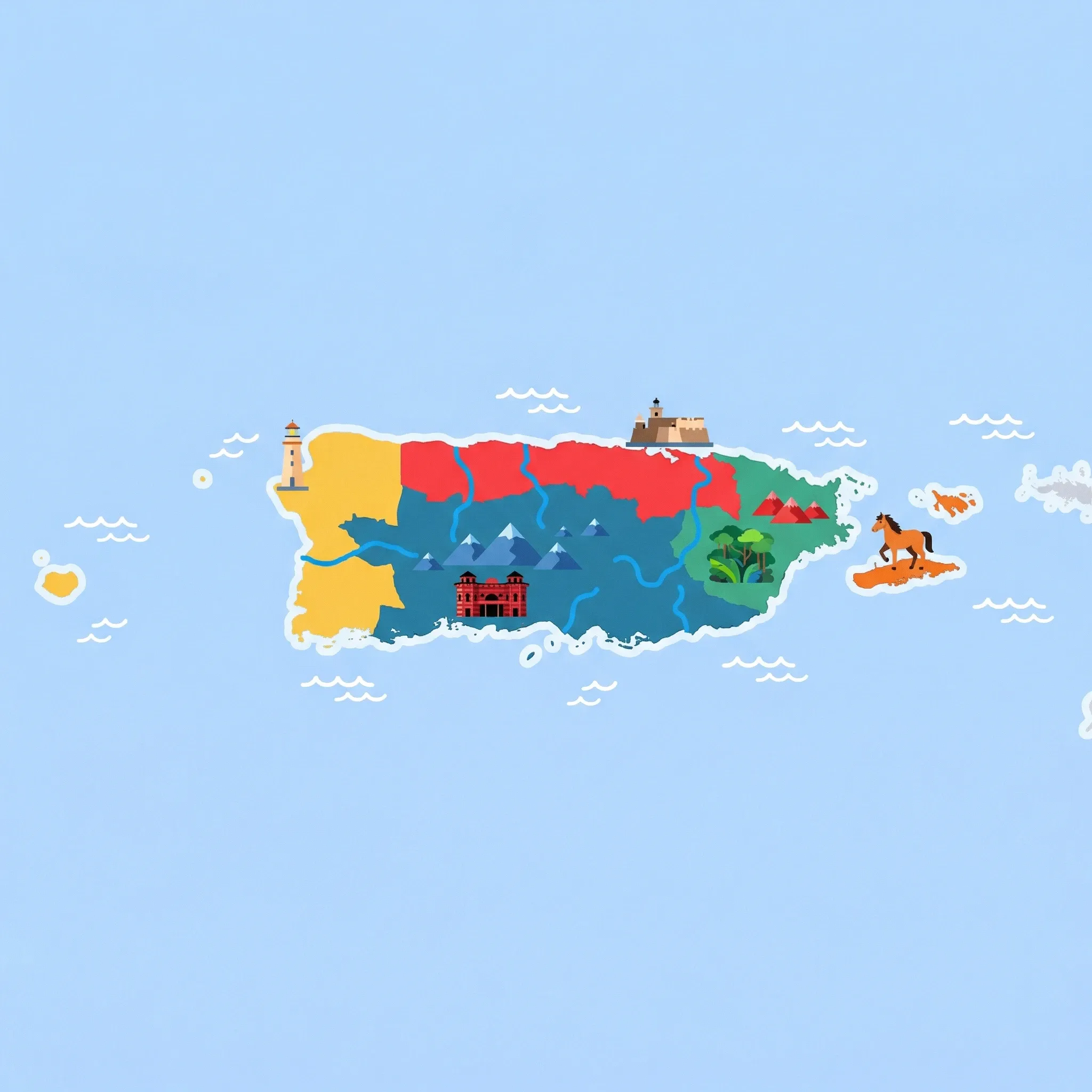
Click a region to explore
Overview
Vieques and Culebra offer a version of the Caribbean that has largely disappeared elsewhere: untouched, uncrowded, and delightfully rustic. There are no traffic lights, no high-rise hotels, and (mostly) no chains. For families, this is an adventure into nature. Vieques, the larger island, is famous for having the brightest bioluminescent bay in the world (Mosquito Bay) and for the semi-wild horses that roam freely through the towns and beaches—a sight that delights children endlessly. It has a "jungle-meets-beach" vibe with a funky, eclectic style.
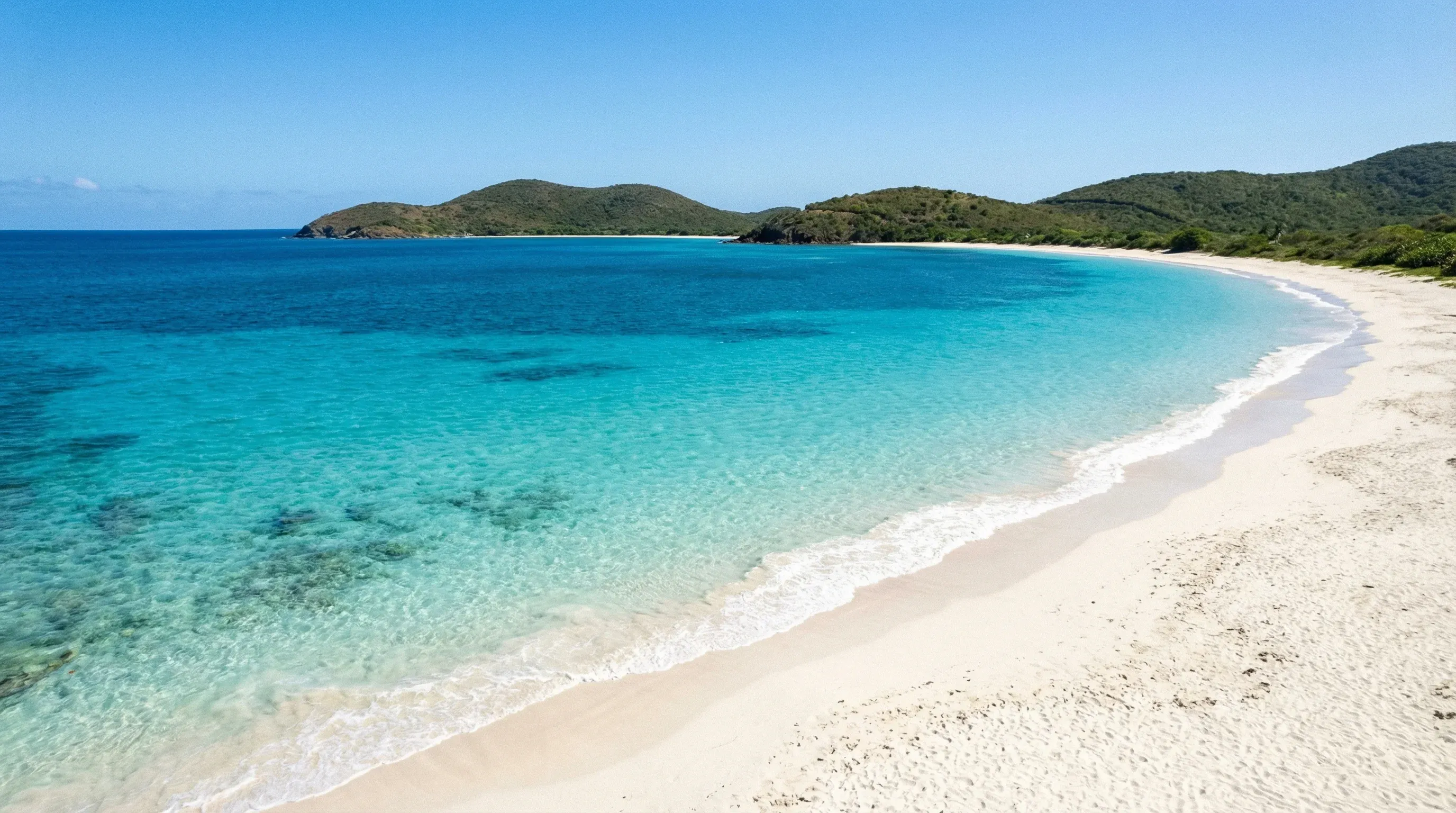
Culebra is smaller, drier, and focused almost entirely on its spectacular water. The beaches here, particularly Flamenco, are consistently ranked among the top 10 in the world. The sand is white powder, and the water is a kaleidoscope of blues. These islands require a bit more logistical planning to reach, which keeps the mass crowds away. They are perfect for families who are happy to trade resort pools for natural ones and who enjoy renting a Jeep or golf cart to find their own private slice of paradise.
Key Attractions
On Culebra, Flamenco Beach is mandatory. Beyond its beauty, it is famous for "The Tank"—an old rusted military tank left on the sand, now covered in colorful graffiti, which serves as a unique photo op and climbing frame for kids. Snorkeling with turtles at Tamarindo Beach is another highlight. The Culebra National Wildlife Refuge ensures the coastline remains undeveloped.
On Vieques, the Vieques National Wildlife Refuge covers much of the island, offering dozens of secluded beaches like La Chiva and Caracas. The Fortín Conde de Mirasol is the last Spanish fort built in the Americas and offers great views and history. While not in the table ID list, a kayak tour of the Bio Bay is the primary night activity for families with older children.
Practical Advice
Getting here is the hardest part. The ferry from Ceiba is cheap ($2) but can be unreliable and crowded; booking tickets online weeks in advance is essential. Flying from San Juan (Isla Grande or SJU) is more expensive but saves hours of stress. Once on the islands, credit cards are accepted many places, but Cash is King for taxis and small kiosks. Bring enough cash.
Food & Drink
Typical meal times: Island time applies. Lunch 12:00 pm to 3:00 pm. Dinner 6:00 pm to 9:00 pm. Service can be slow—relax and enjoy the view.
Typical meal costs: Prices are higher than the mainland due to import costs. A simple burger or fish taco plate can run $18–25. Family dinner: $80–120 (approx. €73–110 / £63–95).
Dietary requirements: Surprisingly good. Both islands attract expats and yoga tourists, so fresh smoothies, salads, and vegetarian options are common in the main towns (Esperanza in Vieques, Dewey in Culebra).
Signature dishes:
- Caribbean Spiny Lobster – Freshly caught and grilled; the local specialty on both islands.
- Arepas – In Vieques, these are often fried dough pockets stuffed with seafood salad or beans.
- Bushwacker – A chocolatey, frozen alcoholic cocktail for the parents, famous in the Virgin Islands region.
Why this score?
The islands offer a significant adventure for families due to their unpaved roads, free-roaming wild horses, and lack of large-scale resort infrastructure. Navigating the remote wildlife refuges and finding secluded beaches requires a more rugged and self-sufficient approach than anywhere else in Puerto Rico.
Why this score?
Medical infrastructure is very limited on the islands, consisting primarily of small health clinics for basic needs. Serious medical emergencies or trauma typically require an expensive and time-consuming medevac flight or boat transport to the mainland, which is a major consideration for visitors.
Why this score?
These offshore islands are home to world-renowned beaches like Flamenco, which consistently rank on global top-ten lists. Despite their fame, their popularity is capped by limited transport capacity via small planes and ferries, giving them a more exclusive, niche feel compared to the mainland.

While the vibe is rustic, the costs can add up. Accommodation is limited and commands a premium ($150–300/night for basic rentals). Jeep rentals are expensive ($80–120/day). However, the beaches are free, and nature is the main entertainment. Food costs are higher than the mainland (approx. $20–30 per main dish / €18–28 / £16–24) because almost everything must be shipped in.

Getting Here & Around
Getting Here
- Ferry – Runs from the town of Ceiba on the east coast of the main island. Takes 30–45 minutes. Tickets are very cheap ($2) but sell out fast.
- Plane – Small prop planes fly from San Juan (SJU or SIG) and Ceiba (RVR) directly to Vieques (VQS) and Culebra (CPX). This offers spectacular views of Flamenco Beach from the air and is much faster.
Getting Around
- Jeep / Golf Cart – The standard mode of transport. Essential for reaching beaches inside the Vieques National Wildlife Refuge. Book these months in advance; they run out.
- Publicos – Shared vans serve as taxis on both islands, mostly running between the ferry dock and main towns/beaches.
Nearby Airports (2 airports)
Benjamin Rivera Noriega Airport
CPXCulebra
Vieques
VQSVieques
View full flight map for Puerto Rico →
Official Links

Packing List
The ferry ride from Ceiba can be notoriously choppy ('The Vomit Comet'); essential for kids even on calm days.
ATMs are scarce and often empty; many taxis and beach kiosks are cash-only.
Mandatory for renting golf carts or Jeeps, which are the only way to really see the islands.
For viewing the Bioluminescent Bay or turtles at night without disturbing the wildlife.
The native Coquí frogs are beloved but incredibly loud at night (up to 90 decibels), which can keep light sleepers awake.
Essential for protecting feet from sharp rocks and sea urchins when swimming in waterfalls or hiking river beds.
Puerto Ricans love aggressive air conditioning; malls, cinemas, and hotel rooms can be freezing despite the tropical heat outside.
Chemical sunscreens can damage coral reefs; mineral-based options are better for the environment and often required for bio bay tours.
Crucial for capturing photos in the rainforest, during bioluminescent bay kayak tours, or on boat trips without water damage.

Activities & Best Times

Beach resorts, marine activities: diving, snorkelling, kite surfing, wind surfing, sailing
Flamenco Beach consistently ranks in top 10 Caribbean beaches globally. Combined with Mosquito Bay (world's brightest bioluminescent bay) and pristine national wildlife refuge beaches, this region offers internationally outstanding beach experiences that rival the Seychelles or Maldives for natural beauty.

Hiking, wildlife, outdoor exploration, ecotourism
Extensive national wildlife refuges cover over half the islands, featuring unique tropical dry forests and protected marine habitats. The dry winter months offer the most comfortable climate for nature exploration, avoiding the extreme heat and storm activity of late summer.

Urban tourism, museums, historical sites, architecture
Authentic historic sites like Fortín Conde de Mirasol and the iconic painted tanks provide a distinctive island perspective on Caribbean history. These open-air heritage sites are best explored during the cooler, drier months from December through April.

Sport tourism, fitness activities, active recreation
Features established coastal cycling routes and rugged hiking trails that appeal to active families seeking authentic exploration. The winter season provides ideal temperatures for outdoor exertion, whereas August to October is often too humid for strenuous activity.

Learning experiences, scientific sites, historical education
Dedicated conservation trusts and historical museums offer insights into the islands' unique bioluminescent ecosystems and naval history. Visiting during the peak winter season ensures maximum facility availability and the best weather for associated field tours.

Scenic drives, countryside tours, route-based travel
Scenic coastal routes through the wildlife refuges provide access to remote beaches and panoramic Caribbean vistas. Travel is most recommended during the dry season when dirt access roads are most stable and visibility is highest.




Public Holidays & Calendar Next 12 months
Public holidays, festivals, cultural celebrations, and seasonal natural phenomena coming up in Vieques & Culebra over the next 12 months.
Loading holidays and events...

Travel Advisory
The destination is considered generally safe. All major reporting agencies classify the territory at their lowest risk level, requiring only standard safety awareness.
Safety Topics
Traveller Advice (3 groups)

Puerto Rico is generally welcoming to LGBTQ+ visitors, but travelers should research specific local attitudes if visiting more remote or conservative rural areas.

Maintain standard vigilance against petty crime in tourist districts and ensure you have comprehensive travel insurance that includes emergency medical evacuation.

Standard personal security measures for solo travelers are advised, particularly when navigating urban centers or using public transport late at night.
Agency Summaries
Standard precautions are recommended. Travelers should be mindful of violent crime risks common in urban areas and monitor for seasonal tropical storms.
There is currently no specific restrictive travel advisory. Visitors are encouraged to have medical insurance covering evacuation and to take health precautions against insects.
The security environment is considered stable. Irish citizens must comply with US entry requirements and should monitor hurricane forecasts during the active season.
Travelers should maintain a standard level of safety awareness similar to what they would in Canada. Be alert to petty theft and mosquito-borne illnesses.
British nationals should exercise normal caution. Puerto Rico is covered under the general USA advisory, emphasizing awareness of urban crime and extreme weather.
As an unincorporated US territory, Puerto Rico is subject to domestic travel guidelines. No international travel advisory is issued for this destination.
Information is provided for general guidance only and does not constitute travel, safety, medical, or legal advice. Conditions may change. Users are responsible for independently verifying information before travel.