
Brazzaville
A vibrant, riverfront capital of art and history 🇨🇬
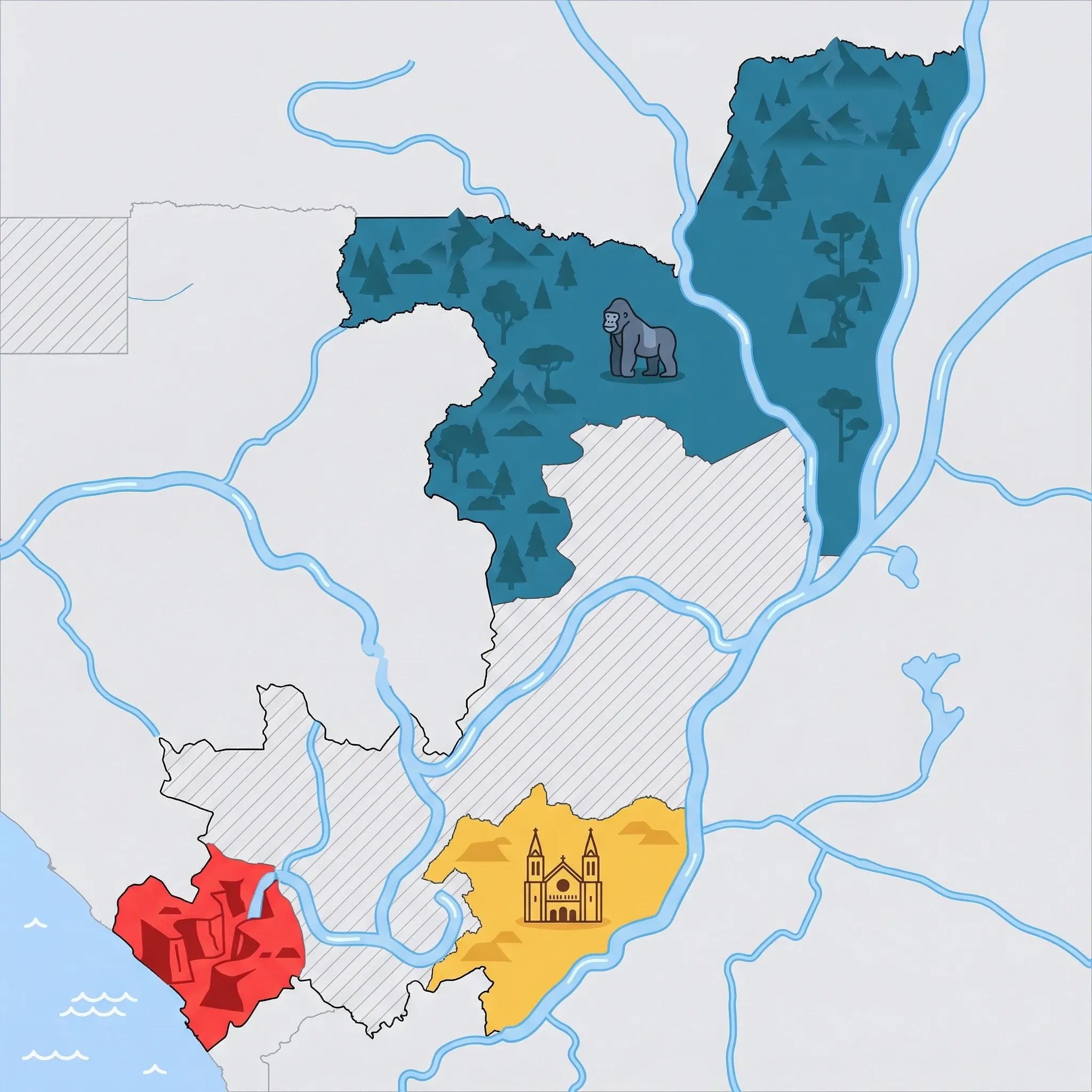
Click a region to explore
⚠️ SAFETY WARNING: Due to crime rates and limited emergency infrastructure, government agencies (including the US, UK, and Canada) advise travelers to exercise increased caution in Brazzaville. While the city center is generally stable, the nearby Pool region has a history of instability. Families are strongly urged to consult their own government's official travel advisory before considering a trip, as circumstances and risk assessments vary.
Overview
Brazzaville is often cited as one of the more pleasant and greener capital cities in Central Africa. Separated from Kinshasa by the immense Congo River, it moves at a slower, more approachable pace that families often find manageable. The city is defined by its colonial history, artistic spirit—particularly the famous Poto-Poto Painting School—and the omnipresent river. For children, the sight of the water hyacinths floating down the Congo River and the bustle of the local markets provide a sensory introduction to Central African culture without the overwhelming chaos found in larger neighbors.
The city center is relatively compact, featuring wide boulevards and leafy streets. Families can explore the history of French Equatorial Africa while enjoying fresh baguettes in local patisseries, a lingering legacy of the colonial era. While precautions are necessary, the city offers a unique cultural immersion where music, art, and river life intersect.
Key Attractions
The crown jewel of the city's architecture is the Basilique Sainte-Anne-du-Congo. Its striking green tiled roof, designed to resemble reptilian scales, and its spear-shaped columns make it a fascinating structure for children to examine; it is a masterclass in blending European modernism with local African motifs. Nearby, the Poto-Poto Painting School allows families to see artists at work creating the famous "Mickey" style paintings—vivid, stick-figure scenes of village life that make for excellent, durable souvenirs.
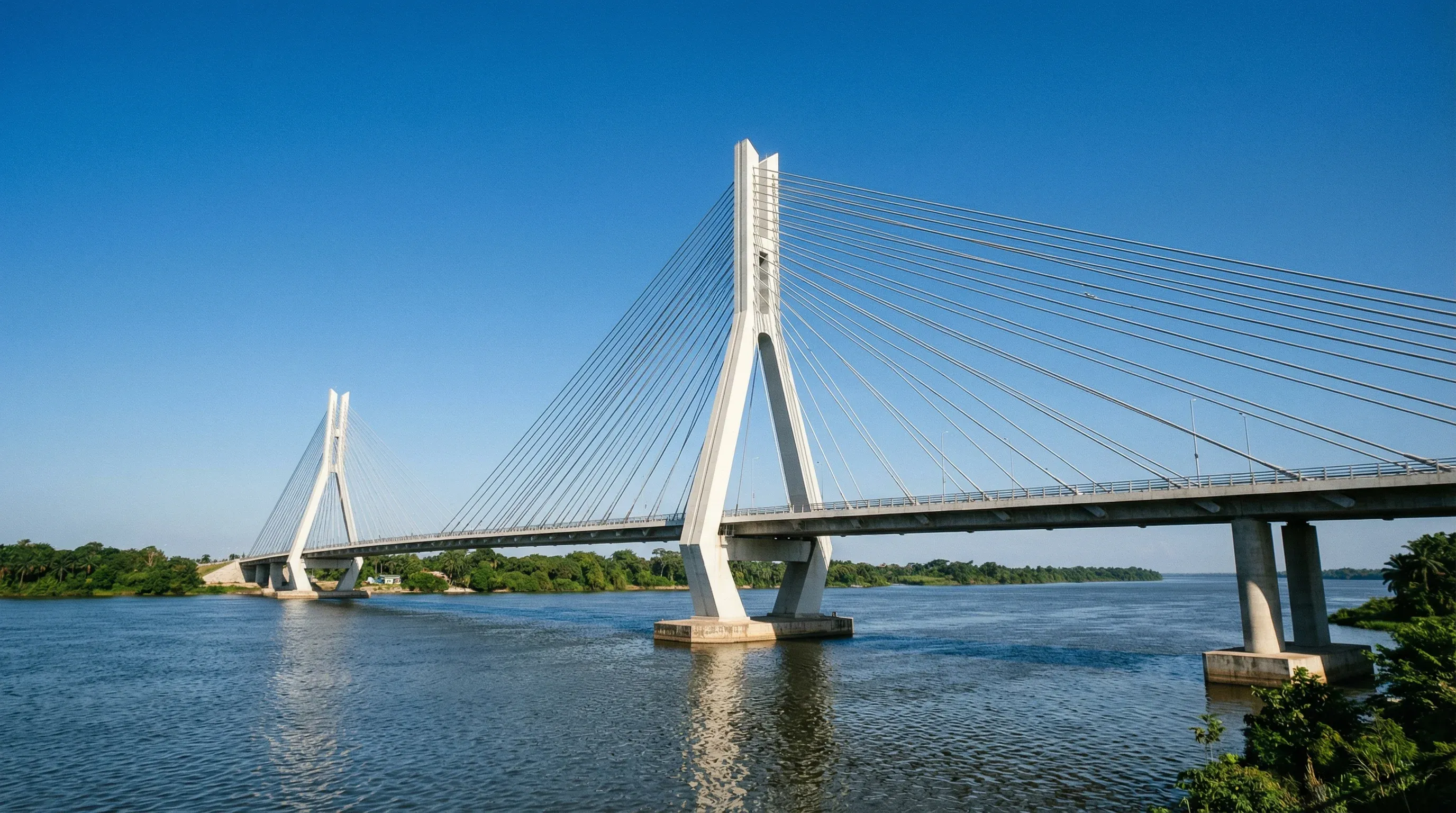
For a break from the heat, the Corniche offers a paved walkway along the river where you can look across to Kinshasa—the only place in the world where two national capitals face each other across a river. On weekends, the rapids at the Djoué bridge provide a dramatic backdrop for a family picnic spot, often bustling with locals enjoying the view.
Practical Advice
The best time to visit is during the dry season, from June to September, when temperatures are milder and humidity is lower. French is the official language; very little English is spoken outside top-tier hotels, so a phrasebook or translation app is essential. Families should stick to official taxis and avoid walking alone at night.
Food & Drink
Typical meal times: Lunch is a major affair, typically 12:00 pm to 2:30 pm. Dinner is usually served from 7:00 pm to 9:30 pm.
Typical meal costs: Restaurant prices vary, but a family meal in a decent city restaurant costs around 25,000–45,000 XAF (approx. $40–75 USD / €38–68 EUR). Street food is much cheaper but requires caution regarding hygiene.
Dietary requirements: Vegetarian options like beans and cassava leaves are common, but often cooked with fish stock or smoked fish. Vegan travelers must specify "no fish/meat stock." Peanuts are a staple ingredient.
Signature dishes:
- Saka-Saka – Cassava leaves stewed for hours with palm oil, garlic, and sometimes peanut paste; the national vegetable dish.
- Liboké – Freshwater fish (often catfish) marinated with peppers and tomato, wrapped in banana leaves, and grilled over charcoal.
- Poulet à la Moambé – Chicken stewed in a rich, savory palm nut cream sauce, usually served with rice or fufu.
Why this score?
While primarily an urban environment, the city offers moderate adventure through the powerful rapids of the Congo River and the navigating of bustling local markets. The lack of standardized western tourism infrastructure and the rugged nature of Central African urban transit provide a more adventurous experience than typical European or Asian capitals. However, most activities are accessible and do not require specialized physical preparation.
Why this score?
Brazzaville hosts the country's most advanced medical facilities, including private clinics that cater to the expatriate and diplomatic communities. Despite this, specialized care and emergency services are limited, and English-speaking staff are not guaranteed outside of specific high-end facilities. For serious conditions, medical evacuation to Europe or South Africa is frequently required and recommended.
Why this score?
As the national capital and primary gateway, Brazzaville receives the majority of the country's modest international arrivals, many of whom are business travelers or transit passengers. While it features cultural landmarks like the Basilique Sainte-Anne, it remains a niche destination with limited leisure tourism infrastructure compared to global hubs. The city's total visitor numbers are very low on a global scale, reflecting the country's overall emerging tourism status.

Brazzaville is expensive for Central Africa due to the reliance on imported goods. A comfortable mid-range hotel suitable for families costs 90,000–150,000 XAF (approx. $150–250 USD / €135–225 EUR) per night. Supermarket goods (cheese, cereal) are priced at a premium. Local transport and market produce are cheap, but tourist-standard dining is comparable to European prices.

Getting Here & Around
Getting Here
- Airports – Maya-Maya Airport (BZV) is the main international hub, located just 10–15 minutes from the city center. It receives flights from Paris, Addis Ababa, and regional African capitals.
- Ferry – The "Canot Rapide" passenger speedboat connects to Kinshasa (DRC) in about 15 minutes, though bureaucracy at the crossing can be intense and is not recommended for first-time visitors without a guide.
Getting Around
- Taxis – The best way for families to move around. Official taxis are painted green and white. Negotiate the price before getting in (usually 1,000–2,000 XAF for short city trips).
- Walking – The city center near the Basilique Sainte-Anne-du-Congo and the Corniche is walkable during the day, but heat and humidity can be tiring for children.
Nearby Airports (1 airport)
Brazzaville Maya Maya
BZVBrazzaville
View full flight map for Republic of the Congo →
Official Links

Packing List
English is rarely spoken outside luxury hotels; basic French is vital for taxis and markets.
Mandatory for entry and often checked at random checkpoints or domestic flights.
Hotel sinks often lack plugs, making hand-washing children's clothes difficult.
Power cuts can occur; street lighting is inconsistent in residential areas.
Absolutely mandatory for entry; you will be refused borders without the original card.
Sudden, heavy tropical downpours occur frequently, even in drier months.
Power cuts are common in cities and electricity can be limited in eco-lodges.
Essential for boat safaris to see gorillas and chimps on sanctuary islands from a distance.
Bright blues and blacks attract painful tsetse flies in forest areas; wear khaki or tan.

Activities & Best Times

Urban tourism, museums, historical sites, architecture
Brazzaville offers a sophisticated mix of French colonial architecture, the historic Basilique Sainte-Anne, and a thriving contemporary art scene at the Poto-Poto School of Painting. The dry winter months provide the most comfortable humidity and temperature levels for exploring the city's historic quarters and riverfront.

Events, celebrations, seasonal attractions
The Pan-African Music Festival (FESPAM) is described as 'a significant international cultural event' which contradicts the 'marginal' rating. If the festival has genuine international standing, it warrants 'good' classification.

Scenic drives, countryside tours, route-based travel
The scenic Corniche and the RN1 highway offer dramatic river views and routes toward the Batéké Plateaux. Traveling during the dry season is essential to ensure clear visibility of the Congo River landscape and reliable road conditions across the regional network.

Sport tourism, fitness activities, active recreation
Adventure centers like SFC Adventure and the Loufoulakari Falls trails offer structured active recreation including zip-lining and guided trekking. These facilities are most enjoyable and safest during the drier months when terrain is stable and outdoor infrastructure is fully operational.

Hiking, wildlife, outdoor exploration, ecotourism
Brazzaville is described as a 'gateway' to gorilla reserves and Diosso Gorges, which are located in other regions. A gateway city should not be rated very_good for activities that occur elsewhere. The city itself lacks primary nature/adventure attractions.




Public Holidays & Calendar Next 12 months
Public holidays, festivals, cultural celebrations, and seasonal natural phenomena coming up in Brazzaville over the next 12 months.
Loading holidays and events...

Travel Advisory
The majority of international agencies advise travellers to exercise a high degree of caution in the Republic of the Congo. While the capital Brazzaville is generally stable, risks from crime and regional insecurity in border areas require increased vigilance.
Safety Topics
Traveller Advice (3 groups)

Female travellers should review general safety guidelines for solo or group travel in the region.

While homosexuality is not illegal, social attitudes may be conservative, and travellers should be aware of local sensitivities.

Infrastructure for individuals with disabilities is limited; travellers should prepare for significant accessibility challenges.
Agency Summaries
Visitors should maintain high vigilance due to general crime levels and unstable security conditions near certain borders. Specific warnings advise avoiding travel to the Pool region and areas bordering the Central African Republic.
Travellers are urged to be more careful due to the presence of crime. Violent incidents like armed robbery occur, and the government has a limited capacity to assist citizens outside the capital.
There are notable safety concerns, particularly regarding violent crime and regional instability. Specific areas like the Pool department and the border with the CAR have higher risk levels and should be avoided.
The advisory recommends high vigilance due to the threat of violent crime and the potential for rapid changes in the local security environment, especially in rural areas and near border zones.
Irish citizens are advised to be very cautious regarding personal safety. Travel to areas within 50km of the border with the Central African Republic is strongly discouraged due to security concerns.
Authorities recommend avoiding all travel to regions within 50km of the border with the Central African Republic. Safety and security risks vary, and travellers should ensure they have proper insurance and documentation.
Information is provided for general guidance only and does not constitute travel, safety, medical, or legal advice. Conditions may change. Users are responsible for independently verifying information before travel.