
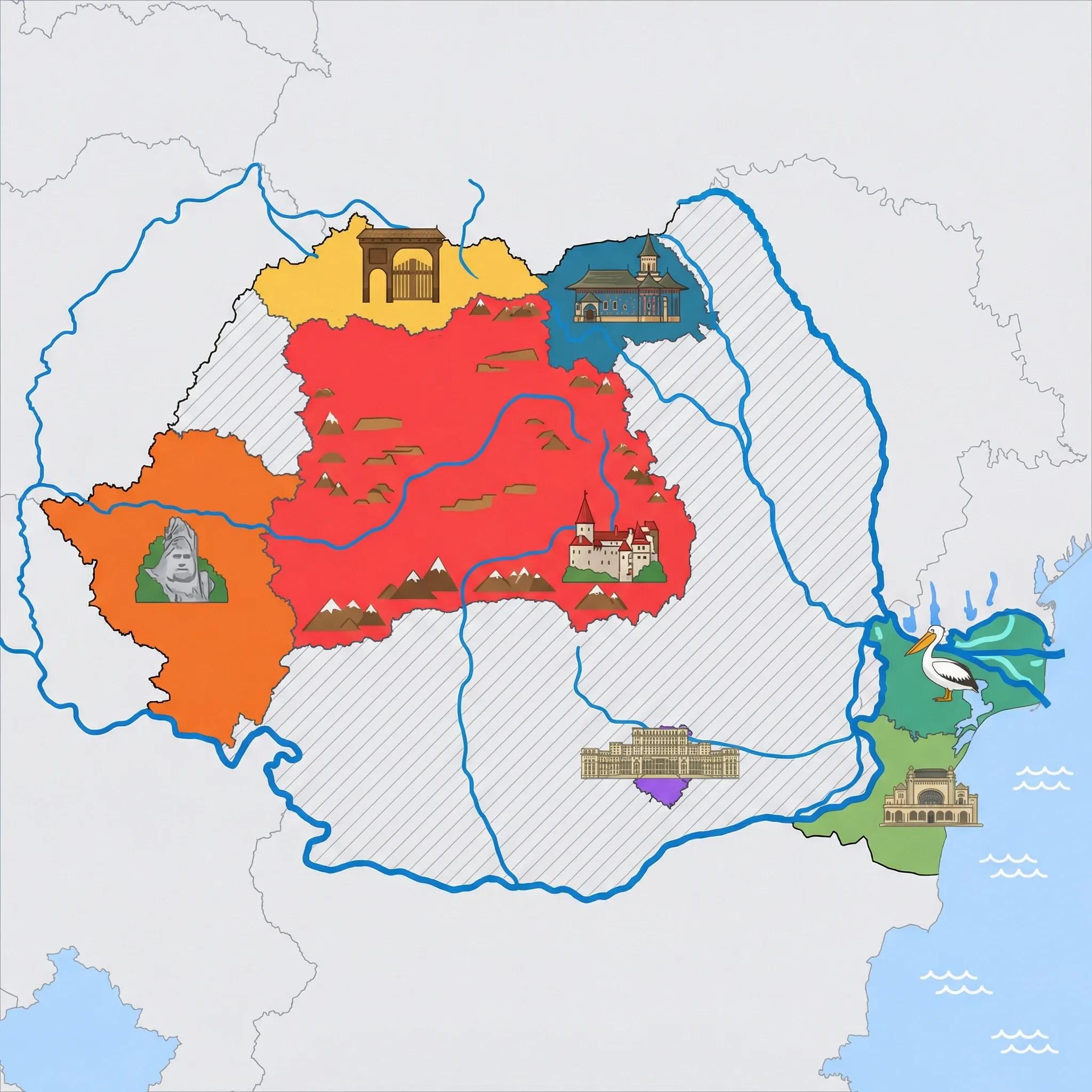
Click a region to explore
Overview
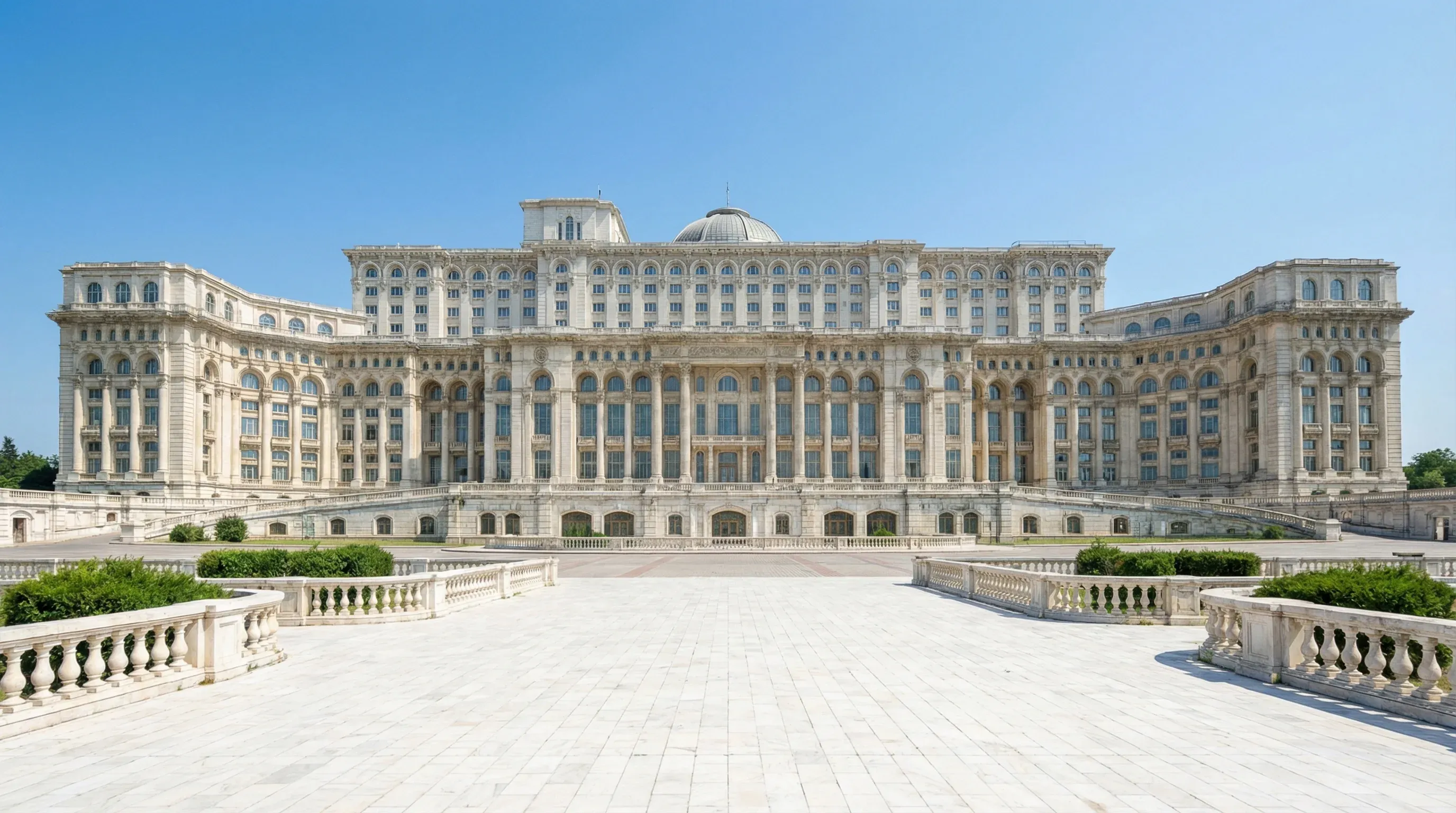
Bucharest is a city that surprises. Often misunderstood as just a post-communist concrete jungle, it is actually one of the greenest capitals in Europe, teeming with parks that are true urban forests. For families, Bucharest offers a compelling mix of high-energy urban activities and relaxing green spaces. The city is massive, dominated by the colossal Palace of Parliament, but the real charm lies in its diverse neighborhoods where 19th-century French villas sit next to modernist blocks. The energy here is fast-paced, the traffic can be chaotic, but the welcome is warm.
The climate is continental, meaning summers can be scorching hot (often over 35°C/95°F) while winters can see snow. The best family strategy is to explore the city's museums and architecture in the morning and retreat to the shaded parks or indoor pools in the afternoon. Bucharest is the country's best hub for dining and entertainment, with world-class facilities like Therme tailored specifically for family fun. While the sidewalks can sometimes be uneven for strollers, the extensive metro system and cheap ride-sharing apps make navigating the city with kids manageable.
Key Attractions
No family trip to Bucharest is complete without visiting the Grigore Antipa National Museum of Natural History. It is world-class, featuring incredible dioramas and a skeleton of a Deinotherium (huge prehistoric elephant) that leaves kids in awe. Just across the street, you can enter the Dimitrie Gusti National Village Museum. Located on the shores of Herăstrău Lake, this open-air museum lets children run freely among authentic peasant houses transported from every region of Romania—it’s a history lesson that feels like a walk in the park.
For pure recreation, Therme Bucharest (located just north of the city near the airport) is a must-do. The "Galaxy" zone is designed entirely for families, with indoor waves, dozens of slides, and warm water year-round. Back in the city center, Cișmigiu Gardens offers a romantic, old-world atmosphere where you can rent rowboats in summer or ice skate in winter. If you have older kids interested in wildlife, the Văcărești Nature Park is a unique "urban delta"—a former reservoir reclaimed by nature, now home to otters and birds right in the middle of the city.
Practical Advice
Avoid August if you struggle with heat, as the concrete retains warmth. The city is very safe, but keep an eye on traffic—drivers can be aggressive. Use Uber or Bolt rather than hailing taxis off the street to avoid scams.
Food & Drink
Typical meal times: Lunch is 12:30 pm to 2:30 pm. Dinner is standard European time, 7:00 pm to 10:00 pm. Old Town restaurants stay open very late.
Typical meal costs: Prices vary from budget to luxury. A standard family meal in a nice restaurant is 200–350 RON (approx. $45–77 USD / €40–70 EUR). Business lunch menus in the city center are great value at 30–50 RON (approx. $6.50–11 USD / €6–10 EUR).
Dietary requirements: Bucharest is the most vegan-friendly place in Romania. Most restaurants label allergens clearly. Gluten-free options are available in supermarkets and trendy bistros.
Signature dishes:
- Mici – Small, skinless grilled sausages made of beef, lamb, and pork, served with mustard and bread. The "Cocoșatu" or "Obor" market stalls are legendary for these.
- Sarmale – Cabbage rolls stuffed with minced meat and rice, usually served with polenta and sour cream.
- Papanași – A decadent dessert: fried doughnuts made with cow cheese, smothered in sour cream and blueberry jam. One portion is often enough for two people.
Why this score?
The metropolitan area is almost entirely urbanized, with tourism centered on museums, parks, and historical architecture. While large parks like Herăstrău offer outdoor space, the region lacks the rugged terrain or wilderness required for a higher adventure rating.
Why this score?
Bucharest hosts the best healthcare facilities in Romania, including world-class private hospital networks like Regina Maria and Sanador that cater specifically to international standards. Families will find a high concentration of English-speaking specialists and modern emergency care that matches major Western European cities.
Why this score?
As the national capital and primary international gateway, Bucharest receives the highest volume of foreign visitors in the country for both business and leisure. It features world-famous landmarks like the Palace of the Parliament and a vibrant Old Town that serves as a well-known hub in Eastern Europe.

Bucharest is more expensive than the rest of Romania but remains one of the cheapest capitals in the EU. A modern apartment rental or mid-range hotel costs 250–450 RON (approx. $55–100 USD / €50–90 EUR) per night. Public transport is incredibly cheap; a metro trip is 3 RON (approx. $0.65 USD / €0.60 EUR). High-end dining can reach Western prices.
Family Travel Notice
Minors who are Romanian citizens or travelling with Romanian parents may require notarized parental consent and specific documentation to exit the country. There is also a noted history of complex international parental child abduction cases.

Getting Here & Around
Getting Here
- Airports – Henri Coandă International Airport (OTP) in Otopeni is Romania's main gateway, receiving flights from all over Europe and the Middle East.
- Train – Gara de Nord is the main railway station, connecting Bucharest to Vienna, Budapest, and Sofia, as well as all major domestic cities.
- Driving – Bucharest is the hub of the road network, but entering the city during rush hour (8-10 am, 5-7 pm) can result in significant delays.
Getting Around
- Public Transport – The Metro is the fastest way to move around. It is cheap, clean, and avoids surface traffic. Stations are generally safe but not always elevator-accessible.
- Ride-sharing – Bolt and Uber are ubiquitous, cheap, and safe. Highly recommended for families over regular taxis.
- Walking – The Old Town and areas like King Mihai I Park (Herăstrău) are best explored on foot, though sidewalks in residential areas can be cluttered with parked cars.
Nearby Airports (1 airport)
Henri Coandă International Airport
OTPBucharest
View full flight map for Romania →
Official Links

Packing List
Rich, heavy Romanian food (sour cream, garlic, pork) can surprise sensitive stomachs.
Metro elevators are inconsistent; you may need to carry the stroller up stairs.
Tap water is safe, but old pipes can taste metallic; many parks have fresh drinking fountains.
Essential for Therme Bucharest, which is a year-round attraction.
Essential for the Danube Delta and rural lakes where mosquitoes can be aggressive in summer.
Ticks are common in the Carpathian tall grass and forests; check kids after every hike.
Street lighting in rural villages is often minimal or non-existent after dark.
Mountain roads like the Transfăgărășan are incredibly winding and can affect children.
Required for women and girls to cover heads/shoulders when entering painted monasteries.
Many rural guesthouses and village shops do not accept cards; small change is vital.

Activities & Best Times

Urban tourism, museums, historical sites, architecture
A vibrant capital blending historic 'Little Paris' charm with significant art museums and green spaces. Optimal in spring and autumn when temperatures are pleasant for exploring its varied neighborhoods.

Hiking, wildlife, outdoor exploration, ecotourism
Văcărești Delta is a notable urban nature reserve but insufficient to justify very_good for adventure_nature. Bucharest lacks the wilderness depth or adventure infrastructure of rural regions. good is appropriate for an urban capital with one significant urban nature site.

Learning experiences, scientific sites, historical education
Significant natural history and technical museums offer destination-level learning for families. These indoor facilities are best visited during temperate months to balance museum time with city walking.

Scenic drives, countryside tours, route-based travel
The essential starting point for the Transfăgărășan and Transalpina scenic drives. Peak months are strictly limited to the high-summer window when mountain passes are cleared of snow.

Sport tourism, fitness activities, active recreation
Offers notable cycling infrastructure and extensive adventure park facilities on the city periphery. Peak periods occur in late spring and early autumn when conditions are dry and stable.

Amusement parks, family entertainment venues
Therme Bucharest is an internationally recognized facility, offering a massive tropical environment indoors. Peak visitation aligns with summer school holidays and the festive winter break.

Beach resorts, marine activities: diving, snorkelling, kite surfing, wind surfing, sailing
While lacking a coastline, Snagov Lake and Therme’s artificial sands provide managed aquatic recreation. These are highly seasonal, peaking during the hot summer months for family visitors.

Events, celebrations, seasonal attractions
Distinguished by the elite George Enescu Festival and central Christmas markets. These specific events determine the peak visitation windows for this category.

Spa retreats, wellness centers, peaceful getaways
Centered on traditional thermal bathhouses and the wellness zones of the modern Therme complex. Most appealing during the colder winter months for a restorative experience.

Attractions (19 total)



Public Holidays & Calendar Next 12 months
Public holidays, festivals, cultural celebrations, and seasonal natural phenomena coming up in Bucharest over the next 12 months.
Loading holidays and events...

Travel Advisory
All major agencies agree that Romania is generally safe for travellers, requiring only standard safety awareness and adherence to local regulations.
Safety Topics
Traveller Advice (3 groups)

Specialized safety guides are available for solo or independent female travellers to help manage general safety and personal security while visiting.

While legal, travellers should be aware of local social attitudes and refer to specialized government resources for detailed guidance on safety and rights within the country.
Minors who are Romanian citizens or travelling with Romanian parents may require notarized parental consent and specific documentation to exit the country. There is also a noted history of complex international parental child abduction cases.
Agency Summaries
No significant travel warnings are in effect. Irish citizens should ensure their passports are valid for the full length of their visit. Stays exceeding three months require formal registration with Romanian immigration authorities.
Security risks are comparable to those found in Australian cities. New European Entry/Exit System (EES) protocols require biometric registration for non-EU visitors. Standard vigilance against suspicious behavior and petty theft is recommended.
General safety conditions are stable. Travellers should be aware of seismic risks, particularly in Bucharest, which is prone to earthquakes. Legal complexities regarding dual nationality and parental child abduction cases are noted, particularly for those with Romanian heritage.
While the country is safe for visitors, awareness of the military situation in neighboring Ukraine is advised. Demonstrations occur occasionally in major cities and are typically peaceful. Petty street crime remains a concern in crowded tourist areas and on public transit.
Travellers should maintain standard safety awareness. Entry is governed by Schengen area rules, allowing 90 days of visa-free travel. Local laws require carrying valid photo identification at all times. Restrictions apply to photographing sensitive government or military sites.
General security is stable. Recent health notices advise ensuring vaccinations are up to date due to measles outbreaks. Comprehensive medical insurance that includes evacuation coverage is strongly encouraged for all visitors.
Information is provided for general guidance only and does not constitute travel, safety, medical, or legal advice. Conditions may change. Users are responsible for independently verifying information before travel.