

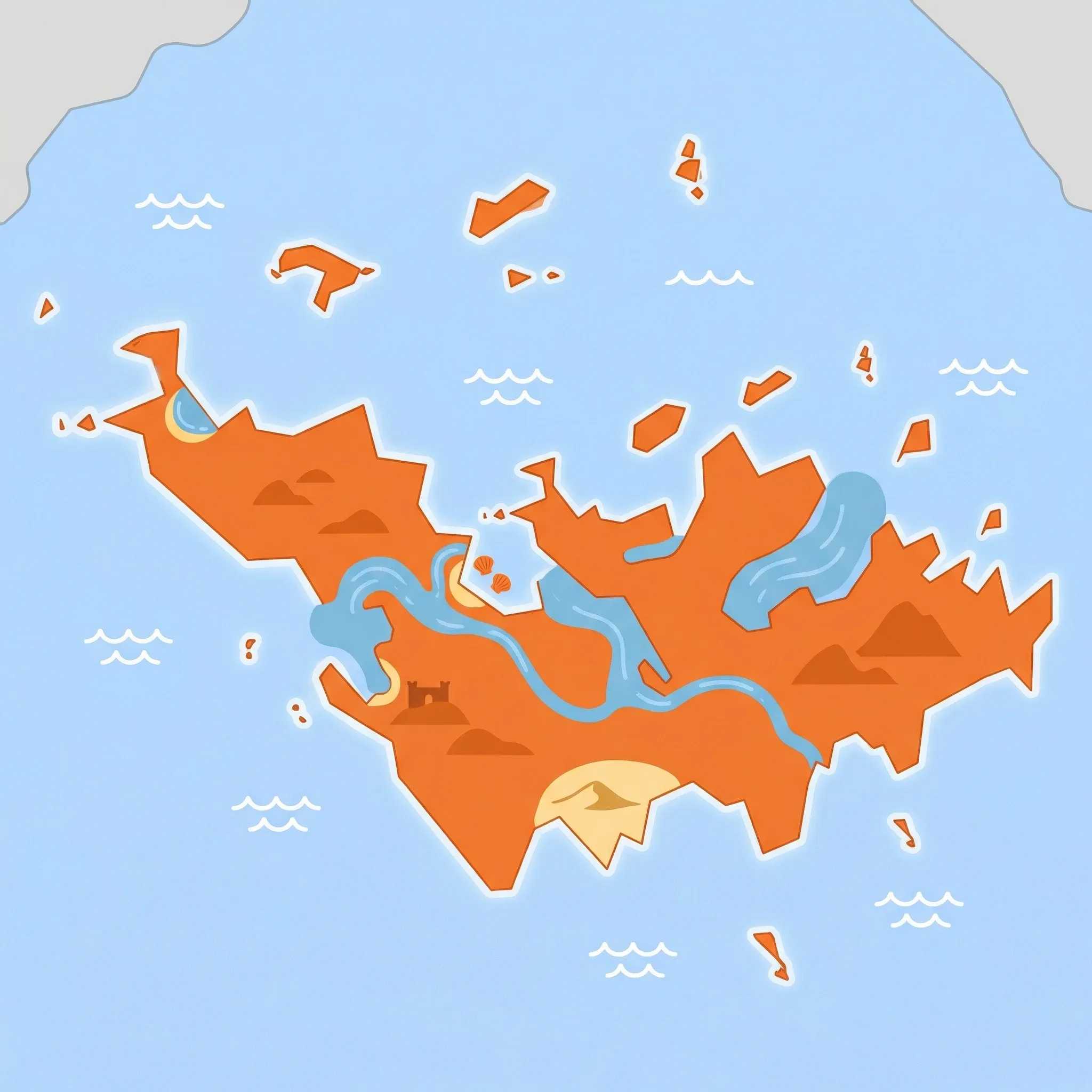
Saint Barthélemy, widely known as St. Barts, is a unique anomaly in the Caribbean: a French Overseas Collectivity that feels more like a tropical extension of the Côte d'Azur than a typical West Indian island. For families, this offers a distinct advantage-the island is exceptionally safe, impeccably clean, and offers high-quality healthcare and infrastructure. The landscape is dramatic, with steep green hills plunging into turquoise bays, and the atmosphere is one of relaxed sophistication. While it has a reputation for glitz and glamour, the underlying vibe is unpretentious and barefoot-chic, making it surprisingly welcoming for children who are treated with warmth in restaurants and hotels.
The island is small-just 25 square kilometers-which means you are never far from the sea. The beaches are the main draw, ranging from lively bays with calm waters perfect for toddlers to wild, undeveloped stretches of sand where older children can bodyboard. Beyond the beach, the culture is a fascinating blend of French elegance and Caribbean history. Families can spend mornings hiking goat paths to hidden coves and afternoons eating crêpes in the red-roofed capital of Gustavia. It is an expensive destination, but the quality of the food, the safety of the environment, and the beauty of the natural landscape make it a premier choice for families seeking a stress-free tropical escape.
Key Attractions
Saint Barthélemy is less about ticking off sightseeing lists and more about enjoying the natural environment, but there are two standout locations that define the island's character.
For a perfect example of the island's untouched natural beauty, families should visit Saline Beach (Anse de Grande Saline). Widely considered one of the most beautiful beaches in the Caribbean, it is completely devoid of development-no hotels, no restaurants, just rolling dunes and a wide expanse of soft white sand. The water here is generally calm enough for swimming, though parents should always check the surf conditions. It is an ideal spot for a family picnic, but because there are no facilities, you must bring your own shade, water, and snacks. The short walk from the car park over the dunes adds a sense of adventure for younger children.
To understand the island's surprising past, a visit to the Wall House Museum in Gustavia is essential. St. Barts is the only Caribbean island to have been a Swedish colony (from 1784 to 1878), and this museum, housed in a restored historic building on the harbor, tells that story. The exhibits are manageable for children and explain why the capital has Swedish street names and architecture. It provides a quick but meaningful cultural context to your visit, located right next to the library and the anchor-filled harbor where kids can watch mega-yachts dock.
Practical Advice
Best time to visit: Late April to June is the sweet spot for families-the weather is excellent, the winter crowds have dispersed, and accommodation prices dip slightly. December to April is peak season and very expensive. September and October are the peak of hurricane season, and many businesses close entirely.
Logistics: The island is hilly and sidewalks are rare outside Gustavia, so a rental car is essential for families. Small 4x4s are the standard choice. Tap water is safe but often desalinated, so bottled water is preferred by many for taste.
Food & Drink
Typical meal times: Lunch is a major event here, often taken leisurely on the beach between 12:00 pm and 2:30 pm. Dinner is typically served from 7:00 pm to 9:30 pm.
Typical meal costs: €30–60 (approx. $33–65 USD / £25–50 GBP) for lunch mains; €60–120 (approx. $65–130 USD / £50–100 GBP) for three-course dinners. Fine dining can easily exceed €150 per person.
Dietary requirements: Excellent. As a French territory, allergen awareness is high. Vegetarian and gluten-free options are available in almost all restaurants, and supermarkets stock familiar Western brands.
Family-friendly dining: Children are welcome everywhere, but the expectation is "French-style" dining-kids generally sit at the table with adults rather than running around. Most restaurants offer highchairs and a menu enfant (kids' menu) featuring grilled fish or steak haché (burger patty).
Signature dishes:
- Langouste – Spiny lobster, freshly caught and usually grilled simply with butter and lime-a luxurious local staple.
- Accras de Morue – Salt cod fritters, crispy on the outside and soft inside, a perfect kid-friendly starter found at local shacks.
- Mahi-Mahi – Also known as Dorado, this firm white fish is ubiquitous, often served grilled with a side of "sauce chien" (herb and onion sauce).
- Christophine Farcie – A gratin made from chayote squash (a local vegetable), typically stuffed with crab meat, pork, and spices.
- Tarte à la Coco – A traditional coconut tart sold in local bakeries, less sweet than American versions and very popular with children.

St. Barts is one of the world's most exclusive destinations. A family of four should budget at least €400–600 (approx. $435–650 USD / £340–510 GBP) per day for accommodation, car rental, and meals. Dining out is comparable to Paris or New York prices, though "snack" bars offer cheaper options.
Age Suitability





Why this score?
The island is highly developed and tailored toward luxury and comfort, featuring paved roads, upscale boutiques, and private villas. While the Colombier Nature Reserve and various hiking trails offer some outdoor engagement, the terrain is easily accessible and lacks the ruggedness or risk associated with true adventure destinations. Most activities are centered around calm lagoons and managed beaches, making it exceptionally safe but low on the adventure scale.
Why this score?
Medical services on the island are of a high standard due to its status as a French Overseas Collectivity, with the Hospital de Bruyn in Gustavia providing reliable primary and emergency care. However, the facility's small size means that specialized treatments or major surgeries often require medical evacuation to nearby Saint Martin, Guadeloupe, or the United States. While staff are professional and infrastructure is modern, the limited local capacity prevents a higher score compared to major urban medical hubs.
Why this score?
As a premier global luxury destination, Saint Barthélemy attracts a significant international crowd, particularly from North America and Europe, despite its small geographic footprint. Iconic locations like Gustavia Harbor and St. Jean Beach are world-renowned, though the island's high price point and limited capacity keep absolute visitor numbers below those of mega-destinations. It maintains a consistent, high-profile flow of seasonal tourists who come for its unique blend of Caribbean beauty and French sophistication.
St. Barts is one of the most expensive destinations in the Caribbean. Budget accommodation is virtually non-existent. A modest villa or hotel room can cost €400–800 (approx. $440–880 USD / £335–670 GBP) per night. Restaurant starters often begin at €20 (approx. $22 USD / £17 GBP). To save money, families often shop at supermarkets like Super U and cook meals at their rental.

Getting There & Around
Getting There
- By Air – The most common route is flying into St. Maarten (SXM) and taking a 15-minute connecting flight to St. Barts (SBH). The landing at SBH is famous for its steep descent between hills-an exciting start for older kids but potentially scary for nervous flyers.
- By Sea – High-speed ferries run from St. Martin (Marigot or Oyster Pond) to Gustavia. The crossing takes 45–60 minutes. Note that the channel can be very rough; sea-sickness is common, so prepare children accordingly.
- Entry Requirements – St. Barts is a French Overseas Collectivity. EU citizens need a valid ID or passport. US, Canadian, and UK citizens need a valid passport but no visa for stays up to 90 days. Check your government website for the latest visa requirements, or use the IATA Travel Centre entry-requirements checker.
Getting Around
- Car Hire – Essential for families. The terrain is mountainous with steep switchbacks, so renting a small car (like a Mini Cooper or Suzuki Jimny) is the best way to reach beaches like Saline Beach. Drive on the right.
- Taxis – Available but expensive and not always easy to flag down. It is better to book in advance for airport transfers if you aren't renting a car immediately.
- Walking – Only practical within the small capital of Gustavia. The roads elsewhere are narrow, steep, and lack sidewalks, making them unsafe for walking with children.

Packing List
The ferry crossing from St. Martin is notoriously rough and often causes nausea in children.
Beaches like Saline are wild with no vendors; cold water warms up instantly in the sun.
Dengue fever is a risk in the Caribbean; protection is needed day and night.
St. Barts uses standard French plugs (220V), not US or UK styles.
Strictly enforced to protect the coral; non-compliant brands may be frowned upon or restricted.
Many of the best family beaches are protected reserves with zero natural shade.

Activities & Best Times

Beach & Sea
ExcellentBeach resorts, marine activities: diving, snorkelling, kite surfing, wind surfing, sailing
St. Barths is internationally renowned for world-class Caribbean beaches (Saline, Colombier, St. Jean, Gouverneur). These pristine beaches attract luxury travelers globally and regularly appear in international 'best beaches' lists. The current 'good' rating severely underrepresents the island's primary tourism asset.

Sports & Active
Very GoodSport tourism, fitness activities, active recreation
The island is a premier destination for sailing, windsurfing, and trail running, supported by centers like CaribWaterplay. Steady trade winds and manageable temperatures from December to April provide the best conditions for active sports.

Adventure & Nature
GoodHiking, wildlife, outdoor exploration, ecotourism
While Colombier Nature Reserve and coastal trails exist, St. Barths is a small island (25 km²) with limited adventure infrastructure. It's not known internationally as an adventure destination. The 'very_good' rating is inflated compared to true adventure destinations.

City & Cultural
GoodUrban tourism, museums, historical sites, architecture
Gustavia is a charming French-Caribbean port town with boutiques and restaurants, but lacks globally significant cultural institutions, museums, or UNESCO heritage sites. 'Very_good' suggests international cultural significance that the island doesn't possess. 'Good' appropriately reflects its boutique French charm without overstating cultural depth.

Festivals & Seasonal
GoodEvents, celebrations, seasonal attractions
The notes describe the St. Barths Bucket Regatta as 'world-class' and mention a 'legendary' music festival. If these events are genuinely internationally significant (which they are - the Bucket Regatta is one of the Caribbean's premier sailing events), 'marginal' understates their importance. Upgrade to 'good' to reflect real international draw.

Road Trips & Scenic
MarginalScenic drives, countryside tours, route-based travel
Small island loops like the Grand Tour provide dramatic cliffside views and access to the rugged Wild Coast. Best driving conditions occur in the dry season (Dec-Apr) when visibility is clear and tropical downpours are infrequent.




Public Holidays & Calendar Next 12 months
Public holidays, festivals, cultural celebrations, and seasonal natural phenomena coming up in Saint Barthélemy over the next 12 months.
Loading holidays and events...

Travel Advisory
All major international agencies agree that Saint Barthélemy maintains a high level of safety and stability, requiring only standard traveler awareness.
Safety Topics
Traveller Advice (4 groups)

Travelers with mobility issues should review accessibility guides, as the island's steep and narrow terrain can present challenges.

The territory is governed by French law, which generally protects the rights of sexual minorities; travelers should feel comfortable but remain aware of local cultural norms.

General safety guidance for solo female travel is recommended, though the island is considered very safe.

Standard safety precautions apply. Secure your travel documents and valuables in hotel safes and remain vigilant in crowded tourist areas.
Agency Summaries
The security environment is comparable to that of a large Australian city. Standard precautions are sufficient for most travelers.
Travelers should maintain standard safety awareness. The territory is generally safe, though petty crimes like theft occur. Marine safety is a concern due to potentially dangerous coastal currents.
There are no significant travel warnings in place. While crime is low, travelers should avoid isolated areas after dark and keep a close eye on personal belongings.
The islands are considered safe with low crime rates. Visitors are advised to secure valuables and be mindful of petty street crime, which is the most common security issue.
The risk level is minimal. Travelers are encouraged to respect local laws and maintain standard personal security awareness.
Saint Barthélemy is rated as a low-risk destination. Visitors should practice the same safety measures they would at home.
Information is provided for general guidance only and does not constitute travel, safety, medical, or legal advice. Conditions may change. Users are responsible for independently verifying information before travel.