

Overview
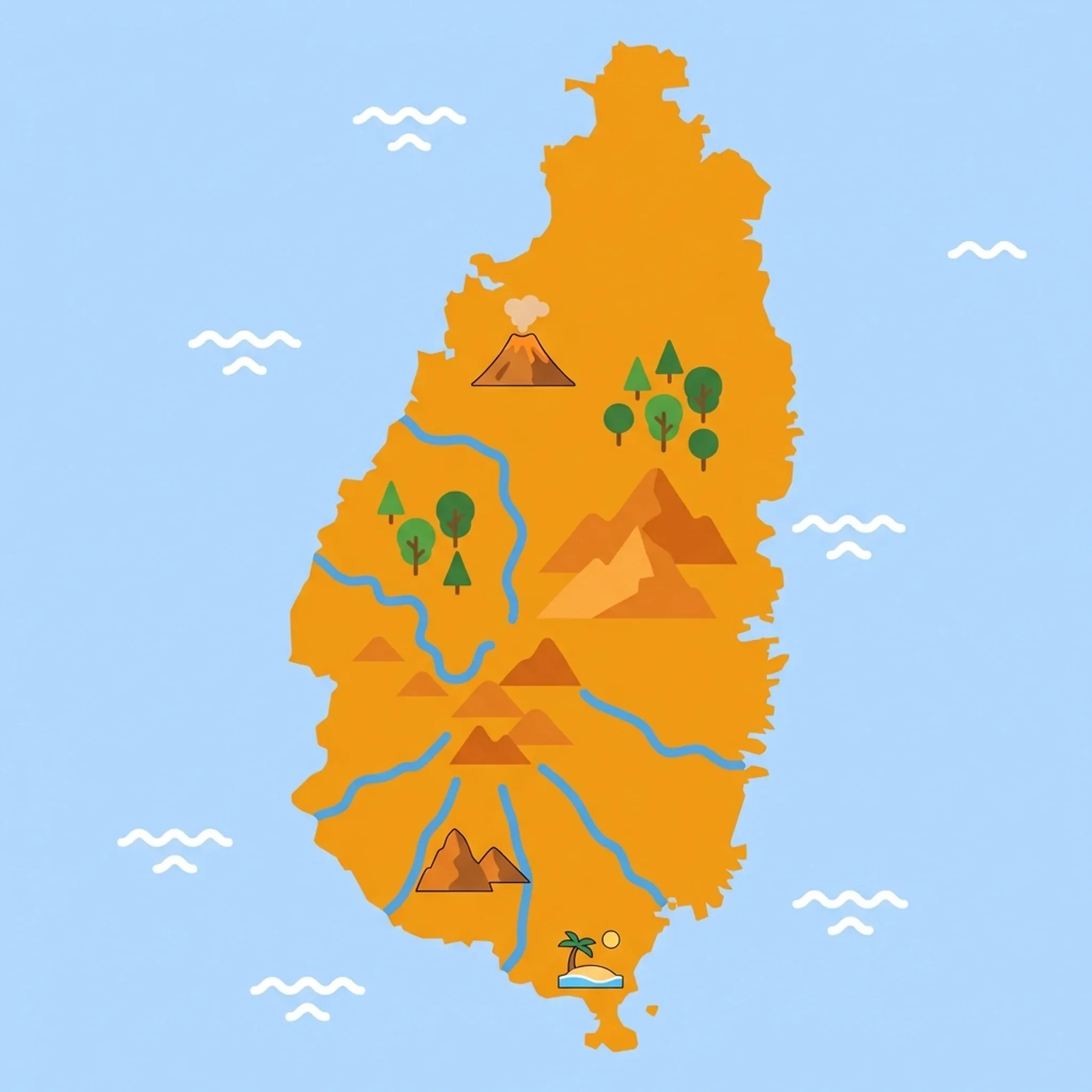
Saint Lucia is widely considered one of the most beautiful islands in the Caribbean, defined by its dramatic topography and lush rainforests. Unlike its flatter neighbours, this volcanic island offers a landscape of steep mountains, fertile valleys, and winding coastal roads that reveal breathtaking views at every turn. For families, the island provides a perfect mix of relaxation and high-energy exploration. The culture is a vibrant blend of African, French, and English influences, heard in the local Kwéyòl language and tasted in the Creole cuisine. While the island is famous for romance, its welcoming atmosphere and abundance of nature-based activities make it an exceptional classroom for children.
The vibe here is laid-back but adventurous. Families can spend mornings hiking nature trails or spotting parrots in the jungle, and afternoons cooling off in calm bays. The west coast, facing the Caribbean Sea, has the calmest waters suitable for swimming with younger children, while the Atlantic east coast is wilder and more scenic. Saint Lucia connects families with nature in a visceral way-from the smell of sulphur springs to the taste of fresh cocoa tea. It is a destination that encourages you to get active, get a little muddy, and soak up the warmth of the tropics.
Key Attractions
No trip to Saint Lucia is complete without witnessing The Pitons. These twin volcanic spires rise majestically from the sea and are the island's most famous landmark. While simply viewing them from a boat tour is magical for all ages, active families with older children (typically over 8-10 years old) might tackle the hike up Gros Piton (Pitons Management Area). This designated trail offers a challenging but rewarding adventure with guides, though it is steep and requires a good level of fitness-families with younger kids can enjoy the views from the base or a catamaran instead.
For a more relaxed day out, Diamond Falls Botanical Gardens & Mineral Baths in Soufrière is a must-visit. Children will be fascinated by the waterfall, which changes colour due to mineral deposits, and the easy walking paths through tropical flowers. Nearby, Sugar Beach (Anse des Pitons) offers some of the best family snorkeling on the island, situated dramatically between the two Pitons. The water here is protected and clear, making it safe for beginners to spot tropical fish.
In the north of the island, Pigeon Island National Landmark is a fantastic spot for history and play. Once a pirate hideout and military fort, this 44-acre reserve allows kids to run freely among 18th-century ruins, climb to the lookout point for panoramic views, and swim at two sheltered beaches within the park. It is the perfect place to combine a history lesson with a picnic and a dip in the ocean.
Practical Advice
The best time to visit is typically December to April, when the weather is driest and coolest. The wet season (June to November) brings higher humidity and frequent showers, though often in short bursts. Families should be aware that Saint Lucia's roads are famous for being steep and winding-if you or your children suffer from motion sickness, come prepared for airport transfers and day trips. English is the official language, making communication easy, though locals often speak a French Creole dialect among themselves.
Food & Drink
Typical meal times: Lunch is usually served from 12:00 pm to 2:00 pm, and dinner from 6:30 pm to 9:30 pm. Many local eateries close on Sundays, though resort restaurants remain open.
Typical meal costs: Street food and local lunches cost around $15–30 XCD (approx. $5.50–11 USD / €5–10 EUR). A mid-range three-course dinner for one is roughly $100–150 XCD (approx. $37–55 USD / €35–50 EUR). High-end resort dining can be significantly higher.
Dietary requirements: Vegetarian options are widely available due to the abundance of local fruits and root vegetables ("ground provisions"). Vegan and gluten-free options are common in hotels and tourist-focused restaurants but may be harder to find in small local canteens. Nuts and dairy are used, so always ask.
Family-friendly dining: Saint Lucian dining is generally casual and welcoming to children. Many restaurants offer kids' menus, but adventurous children can easily share manageable portions of grilled fish or chicken with mild Creole sauces. Highchairs are standard in hotels but less common in small local spots.
Signature dishes:
- Green Fig and Saltfish – The national dish, consisting of boiled unripe bananas (green figs) and sautéed salted cod with peppers and onions. Mild and filling for kids.
- Bouyon – A hearty, thick soup made with meats, dumplings, and root vegetables like yam and sweet potato.
- Accra – Deep-fried fish cakes made from salted cod and spices, perfect as a finger-food snack for children.
- Cocoa Tea – A warm, spiced chocolate drink made from local cocoa sticks, bay leaf, and cinnamon, often served at breakfast.
- Bakes – Fried dough discs, often served plain or stuffed with cheese or fish, similar to a savoury doughnut.

Saint Lucia caters to a mix of luxury and local budgets. A family of four can expect to spend around $800–1,200 XCD (approx. $300–445 USD / €280–415 EUR) per day for mid-range accommodation, meals, and car hire. While street food is cheap ($15–20 XCD), resort dining and guided tours can be expensive, pushing costs higher.
Age Suitability





Did you know? Saint Lucia welcomes approximately 356,000 international visitors per year. Most visitors come from Americas.
Why this score?
The island's dramatic volcanic landscape offers more rugged activities than many of its neighbors, including the steep Gros Piton hike and the world's only drive-in volcano at Sulphur Springs. Visitors can engage in rainforest zip-lining and mud baths, though these activities are typically supported by well-developed tourism infrastructure. It provides a good mix of accessible outdoor recreation without reaching the level of extreme or remote wilderness adventure.
Why this score?
Medical services are adequate for routine care and minor emergencies, with several hospitals such as the Owen King EU Hospital providing services in English. However, specialized medical infrastructure is limited, and serious or complex cases often necessitate expensive medical evacuation to Martinique, Barbados, or the United States. While facilities in tourist areas are accessible, they do not match the standards of high-tier international medical centers.
Why this score?
Saint Lucia is a well-established Caribbean destination known for its iconic Pitons and luxury resorts, attracting over 350,000 stay-over visitors and significant cruise traffic annually. While it is a premier choice for honeymoons and yachting, its total visitor volume remains moderate compared to global tourism hubs like the Canary Islands or Bali. The infrastructure is highly specialized for tourism but reflects the smaller scale of a mid-sized island nation.
Saint Lucia is an upscale destination, particularly in the resort areas. Accommodation and dining prices are comparable to the US or Western Europe. Budget options exist in the form of guesthouses and local street food. A mid-range family meal costs XCD 250–350 (approx. $92–130 USD / €85–120 EUR). Taxi fares are high; a transfer across the island can cost XCD 200–270 (approx. $75–100 USD / €70–90 EUR).

Getting There & Around
Getting There
- By Air – International flights arrive at Hewanorra International Airport (UVF) in the south. Regional island-hopper flights use George F.L. Charles Airport (SLU) near Castries in the north. The transfer from UVF to northern resorts takes about 90 minutes.
- By Sea – Cruise ships dock at Pointe Seraphine or La Place Carenage in Castries. Ferries connect Saint Lucia to Martinique, Dominica, and Guadeloupe.
- Entry Requirements – Visitors from the US, UK, and EU generally do not need a visa for short stays (typically up to 6 weeks or 90 days). You may need to complete an online immigration form prior to arrival. Check your government website for the latest visa requirements, or use the IATA Travel Centre entry-requirements checker.
Getting Around
- Minibuses – The most affordable way to travel. Look for vans with green "M" license plates. They are frequent and cheap ($2.50–8.00 XCD), but drive fast and can be crowded.
- Taxis – Reliable but expensive. Look for light blue "TX" plates. Fares are unmetered, so you must agree on a price before getting in. A trip from the south airport to the north can cost over $200 XCD.
- Car Hire – Gives families freedom but requires confidence. Roads are steep, winding, and often narrow. You must drive on the left. A 4x4 is recommended for exploring beyond the main highways.
- Water Taxis – A fun and scenic way to get between beaches, especially around Soufrière and Sugar Beach (Anse des Pitons). Negotiate the fare before boarding.

Packing List
The road from the international airport to resorts is famous for 90 minutes of winding hairpin turns.
Essential for protecting feet from sea urchins and hot volcanic sand on some beaches.
Required to protect the delicate coral ecosystems at snorkelling spots like Sugar Beach.
Saint Lucia uses the British standard 3-pin plug (230V), which US travelers often forget.
A local remedy for nausea that is very helpful for kids on winding roads or boat trips.
Crucial for boat excursions to the Pitons or mud baths where you will get wet and messy.

Activities & Best Times

Adventure & Nature
ExcellentHiking, wildlife, outdoor exploration, ecotourism
Home to the iconic UNESCO-listed Pitons and lush interior rainforests, Saint Lucia offers world-class hiking, zip-lining, and volcanic exploration. The dry season (December-April) provides the best trail conditions, while peak hurricane season (August-October) can make interior rainforest paths dangerously muddy.

Beach & Sea
Very GoodBeach resorts, marine activities: diving, snorkelling, kite surfing, wind surfing, sailing
Saint Lucia's beaches (Anse Chastanet, Sugar Beach) and dive sites are internationally renowned, competing with top Caribbean destinations. The note itself mentions 'world-class diving' which contradicts the 'good' rating. This should be 'very_good' to reflect international recognition.

Sports & Active
Very GoodSport tourism, fitness activities, active recreation
The island boasts high-quality infrastructure for active families, including rainforest adventure parks and the challenging Gros Piton climb. Facilities are best utilized during the dry season to ensure safe operating conditions and manageable humidity levels for strenuous activities.

City & Cultural
GoodUrban tourism, museums, historical sites, architecture
While Saint Lucia has colonial history (Pigeon Island, Morne Fortune), it lacks the cultural institution density (museums, galleries) expected for 'very_good'. Internationally, it's known for natural beauty rather than cultural tourism. 'good' better reflects its modest cultural offerings.

Relaxation & Wellness
GoodSpa retreats, wellness centers, peaceful getaways
Famous for the Sulphur Springs mud baths and historic mineral pools, the island offers a unique geothermal wellness experience. Drier months are preferred to avoid heavy tropical downpours while relaxing in the outdoor thermal springs.

Road Trips & Scenic
GoodScenic drives, countryside tours, route-based travel
The West Coast Road is celebrated globally for its dramatic coastal views and Piton vistas, making it a premier scenic driving route. Driving conditions are safest and visibility is clearest during the dry months, avoiding the heavy rains that can affect mountain roads in the autumn.

Educational & Exploratory
MarginalLearning experiences, scientific sites, historical education
The Maria Islands Interpretation Centre provides notable ecological insights but is a niche attraction for most international families. Access to the islands is seasonal and weather-dependent, with the best educational tours operating during the calmest and driest parts of the year.

Festivals & Seasonal
MarginalEvents, celebrations, seasonal attractions
International interest centers on the Saint Lucia Jazz & Arts Festival in May and the vibrant Carnival in July. While culturally significant, the major event calendar is concentrated in these windows, leaving the rest of the year relatively quiet for global festival seekers.




Public Holidays & Calendar Next 12 months
Public holidays, festivals, cultural celebrations, and seasonal natural phenomena coming up in Saint Lucia over the next 12 months.
Loading holidays and events...

Travel Advisory
All major international travel agencies consistently categorize Saint Lucia at their lowest risk level. The country is considered safe for tourism, with standard safety awareness recommended to mitigate minor risks like petty crime and environmental hazards.
Safety Topics
Traveller Advice (4 groups)

Maintain standard vigilance, secure valuables in hotel safes, and avoid carrying large amounts of cash. Monitor local weather reports, especially during the hurricane season from June to November.

While same-sex acts were recently decriminalized, social attitudes remain conservative. Public displays of affection are generally not socially accepted and may draw unwanted negative attention.

Exercise caution during water sports and follow safety guidelines from reputable operators. When hiking in the interior rainforests or volcanic areas, stay on marked trails and consider using local guides.

Solo female travellers may experience verbal harassment. It is advised to stay in secure accommodations and avoid walking alone in isolated areas or on beaches after sunset.
Agency Summaries
Travellers should maintain a standard level of safety awareness while visiting Saint Lucia. While the country is generally safe, visitors are advised to be cautious of petty crime and recent increases in violent incidents in specific areas like Vieux Fort. Following local news and respecting customs is recommended.
New Zealand does not have a specific travel warning for Saint Lucia, indicating a generally safe environment. Visitors are reminded to maintain comprehensive travel insurance and take basic health precautions, particularly regarding mosquito-borne illnesses.
The United States suggests that visitors to Saint Lucia practice standard safety measures. Although the island does not face major security threats, tourists should be mindful of opportunistic crimes and use common sense as they would in any metropolitan area. Enrolling in local embassy notification programs is encouraged for emergencies.
Ireland advises its citizens to use standard vigilance when travelling to Saint Lucia. The security environment is stable, but travellers should remain aware of their surroundings and safeguard personal documents. Researching local laws and conditions before departure is advised.
Australian authorities recommend that travellers follow normal safety protocols in Saint Lucia. This includes being vigilant in public places and monitoring local media for updates on weather and security conditions. Risks are considered comparable to those in Australian cities.
British nationals typically experience trouble-free visits to Saint Lucia. However, petty crime such as robbery can occur, particularly during major events and festivals. Travellers are advised to secure their accommodation and belongings, and to be aware of the seasonal hurricane risks.
Information is provided for general guidance only and does not constitute travel, safety, medical, or legal advice. Conditions may change. Users are responsible for independently verifying information before travel.