
Riyadh
Where futuristic skylines meet Arabian heritage 🎢🏙️
Click a region to explore
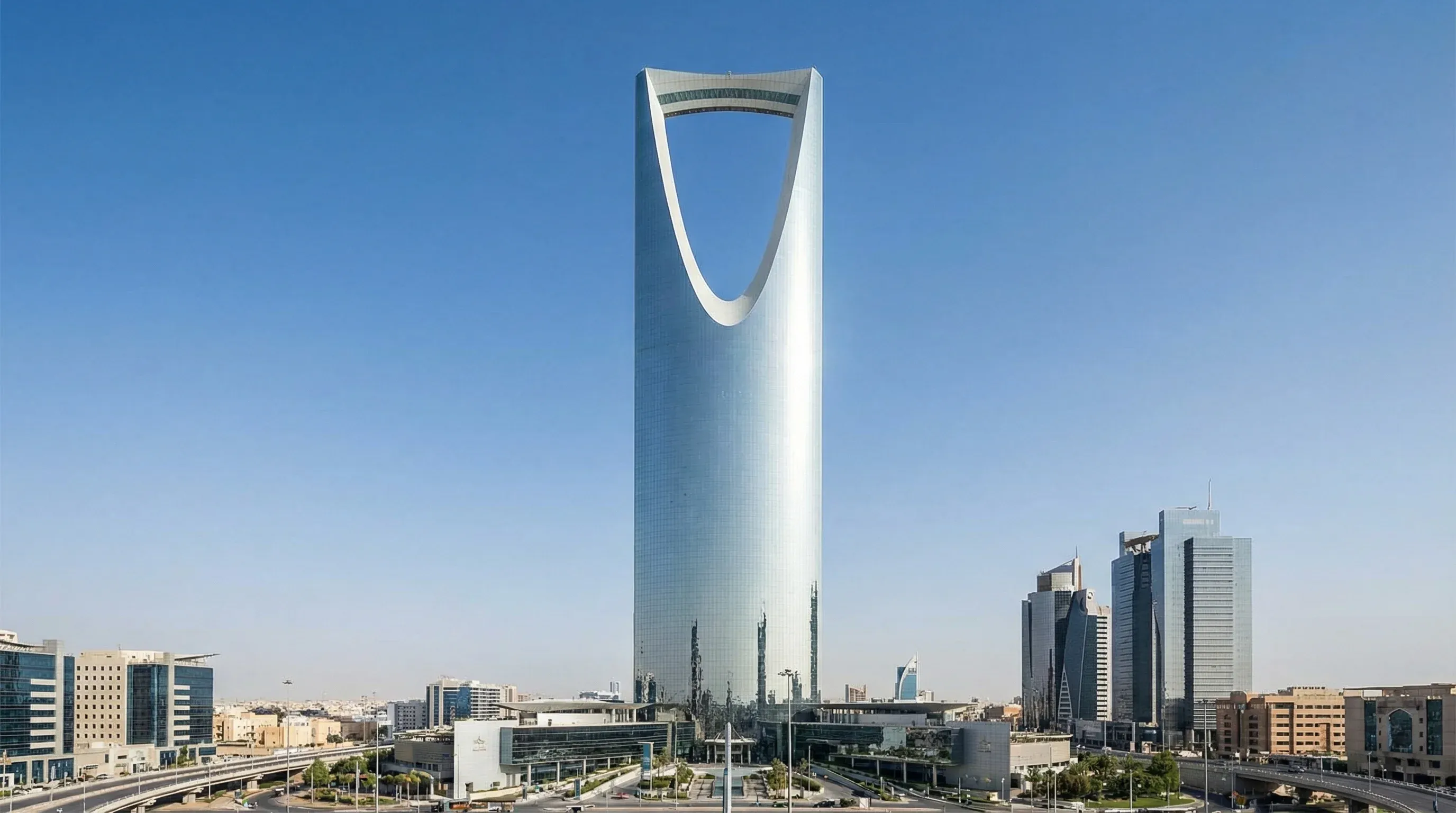
Riyadh is a city of rapid transformation, offering a glimpse into the future of Saudi Arabia while holding onto its Bedouin roots. For visiting families, the city is surprisingly green and incredibly active, particularly during the cooler winter months when the "Riyadh Season" festivals take over. The capital is vast and car-centric, characterized by wide boulevards and glittering skyscrapers like the Kingdom Centre. Beneath the modern veneer, however, lies a strong culture of family gatherings; you will see locals picnicking in parks late into the night, children playing soccer, and bustling souks selling incense and spices.
The city creates a unique environment for children—it is safe, clean, and increasingly filled with world-class entertainment districts designed specifically for families. While the summer heat can be intense, keeping everyone indoors during the day, the city comes alive after sunset. The contrast between the neon lights of the new entertainment zones and the mud-brick history of nearby Diriyah provides a rich educational experience, showing kids how a nation transitioned from desert tribes to a G20 power in less than a century.
Key Attractions
Modern Riyadh is defined by its entertainment mega-projects. Boulevard World is a massive hit with families, featuring recreated zones from countries around the world, a massive artificial lake, and endless rides. Nearby, Boulevard City offers cinemas, sports centers, and gaming arenas. These areas are vibrant, loud, and incredibly fun for older kids and teenagers.
For a change of pace, the Wadi Hanifa valley offers a 120km stretch of parks, wetlands, and walking paths. It is the perfect antidote to the city's concrete, where families can cycle and spot migratory birds. To understand the region's history, the National Museum of Saudi Arabia is essential. Its modern, interactive exhibits—including a meteorite and full-scale models of Nabataean tombs—are engaging for children and provide necessary context to the Saudi story.
Practical Advice
Winter (November to March) is the ideal time to visit, with pleasant daytime highs of 20°C–25°C. Summers are scorching (45°C+), limiting outdoor activities to night-time only. Traffic in Riyadh can be heavy; plan travel times accordingly.
Food & Drink
Typical meal times: Lunch is usually 1:00 pm to 3:30 pm. Dinner is late, often 8:30 pm to 11:00 pm, with restaurants bustling until midnight on weekends.
Typical meal costs: A mid-range family meal costs SAR 150–250 (approx. $40–66 USD / €37–62 EUR). Fast food combos are around SAR 25–35 (approx. $6.50–9 USD / €6–8.50 EUR).
Dietary requirements: International chains are everywhere, making vegetarian and allergy-friendly food easy to find. Local cuisine is meat-heavy, but hummus, salads, and fresh breads are safe vegetarian staples.
Signature dishes:
- Matazeez – Small discs of whole-wheat dough cooked in a rich vegetable and meat stew, a hearty Najdi classic.
- Kleija – A biscuit filled with date molasses and spices like cardamom and black lemon, perfect for a snack.
- Arabic Coffee (Gahwa) – A yellowish coffee brewed with cardamom and saffron, always served with dates to balance the bitterness.
Why this score?
Riyadh is primarily a highly developed urban environment with modern skyscrapers, wide highways, and indoor entertainment complexes. The main 'adventure' element is the day trip to the Edge of the World (Jebel Fihrayn), which offers dramatic cliffside views and hiking, but the city experience itself is low on ruggedness. For visiting families, the environment is controlled and luxurious rather than physically challenging or remote.
Why this score?
Riyadh serves as the medical heart of the country, featuring top-tier facilities such as King Faisal Specialist Hospital which attract patients from across the region. The city offers numerous private and public hospitals with international accreditation, high-tech diagnostic equipment, and a high density of English-speaking specialists. It is perfectly equipped to handle any medical need for foreign tourists with seamless insurance processing and emergency response.
Why this score?
As the capital city, Riyadh is a major hub for business travel and increasingly for leisure tourism through massive events like Riyadh Season and the development of Diriyah. It draws millions of visitors annually, though a significant portion is currently domestic or regional compared to global leisure giants like Dubai. Its world-class shopping, entertainment zones like Boulevard City, and historic sites make it a well-known international metropolitan destination.

Riyadh offers a wide range of price points. Luxury hotels are pricey, but many mid-range apartment hotels cater to families for SAR 350–600 (approx. $93–160 USD / €86–148 EUR) per night. Entry to <a data-attraction-id="55873">Boulevard World</a> varies by season but is typically around SAR 30–60 (approx. $8–16 USD / €7.50–15 EUR) per person, plus rides.

Getting Here & Around
Getting Here
- Airports – King Khalid International Airport (RUH) is the main gateway, located about 35km north of the city center.
- Train – The North-South Railway connects Riyadh to the northern regions, while the high-speed line focuses on the west.
- Driving – Riyadh is the central hub of the Kingdom's highway network, reachable by long desert drives from Dammam (4 hours) or Jeddah (10 hours).
Getting Around
- Car – Renting a car is highly recommended. The city is designed for driving, and attractions like Wadi Hanifa are spread out.
- Ride Hailing – Uber and Careem are ubiquitous, reliable, and reasonably priced for getting between the National Museum of Saudi Arabia and hotels.
- Metro – The Riyadh Metro is a major new infrastructure project; check current status as opening phases are rolling out gradually.
Nearby Airports (3 airports)
Dawadmi Airport
DWDDawadmi
King Khaled International
RUHRiyadh
Wadi Ad Dawasir
WAEWadi Ad Dawasir
View full flight map for Saudi Arabia →
Official Links

Packing List
Many upscale restaurants in Riyadh enforce a smart-casual dress code more strictly than other regions.
Essential for any outdoor walking, even during the shoulder seasons, due to dry heat.
The central plateau is incredibly dry; water-based moisturizers often evaporate too quickly.
Saudi uses UK-style plugs; many modern hotels have USBs, but older apartments do not.
You will frequently remove shoes at traditional restaurants, carpets, and when visiting local homes.
The desert air is extremely dry (often <10% humidity), which can cause nosebleeds and discomfort for kids.
While not mandatory for tourists, having a loose outer layer helps women blend in and feel more comfortable in traditional areas.
Saudi Arabia uses the British-style three-pin plug (Type G), not the European or American types.

Activities & Best Times

Hiking, wildlife, outdoor exploration, ecotourism
The dramatic Edge of the World escarpment and Wadi Hanifa offer high-quality desert trekking and geological exploration. Conditions are optimal during the cooler winter, whereas extreme desert heat from May to September makes outdoor nature exploration dangerous for families.

Urban tourism, museums, historical sites, architecture
Riyadh offers a sophisticated blend of UNESCO heritage at At-Turaif and world-class museums, appealing to discerning travelers. The city's cultural life is most vibrant and walkable in the winter, as extreme summer temperatures effectively halt outdoor heritage tourism.

Sport tourism, fitness activities, active recreation
Purpose-built trails in Wadi Hanifa and the Diplomatic Quarter provide excellent cycling and hiking infrastructure for active families. These activities are highly seasonal, as physical exertion becomes untenable once temperatures exceed 30°C in the spring.

Learning experiences, scientific sites, historical education
Specialized facilities like Mishkat and the King Salman Science Oasis offer destination-level discovery experiences for children. While these are climate-controlled indoor venues, the extreme heat of the mid-summer months significantly deters international family travel to the region.

Scenic drives, countryside tours, route-based travel
High-quality infrastructure facilitates scenic drives to the Edge of the World and the Najd heritage routes. These trips are best enjoyed when daytime temperatures allow for comfortable stops and photography, which is not feasible during the intense heat of the plateau summer.

Amusement parks, family entertainment venues
Zero theme parks or amusement parks listed in database. Boulevard complexes are entertainment districts, not theme parks. Without evidence of actual theme parks comparable to international standards (Disney, Universal, Europa-Park), this rating is inflated. Downgrade to marginal pending addition of actual theme park attractions.

Attractions (14 total)



Public Holidays & Calendar Next 12 months
Public holidays, festivals, cultural celebrations, and seasonal natural phenomena coming up in Riyadh over the next 12 months.
Loading holidays and events...

Travel Advisory
Due to a significant regional military escalation and the persistent threat of drone and missile attacks, all major agencies currently recommend reconsidering the need for travel to Saudi Arabia. Security conditions are volatile and may change without notice.
Safety Topics
Traveller Advice (4 groups)

Same-sex relations and transgender identity are illegal and can lead to severe legal penalties, including imprisonment. Travellers should exercise extreme discretion and be aware of the lack of legal protections.

Those attending Hajj or Umrah must follow specific health and safety regulations, including mandatory vaccinations and permit requirements. Crowds at holy sites present significant safety and health risks.

Strict regulations govern photography and social media posts. Critiquing the government or capturing images of sensitive buildings can lead to detention or exit bans.

Visitors should respect local customs by dressing modestly in public. While restrictions have eased, social norms remain conservative, and it is advisable to be aware of gender-specific expectations in traditional areas.
Agency Summaries
The safety rating has been raised due to a volatile regional security situation. Citizens are advised to shelter in place in major cities like Riyadh and Jeddah during security incidents and to avoid proximity to military or energy infrastructure which may be targeted.
Irish citizens are advised to avoid non-essential travel following regional military escalations and airspace disruptions. Those currently in the country should monitor local media and be prepared to shelter in place if instructed by authorities.
Guidance recommends against all but essential travel to the Riyadh and Eastern Provinces due to frequent missile and drone activity. Regional escalation has increased security risks across the country. A total travel ban is in place for areas within 10km of the Yemen border.
Increased caution is required nationwide, with a recommendation to avoid non-essential travel due to the deteriorating regional security situation. There is a high risk of cross-border attacks and terrorism, particularly near the southern border.
Officials advise against any non-essential trips to the country due to heightened regional tensions, the potential for airspace closures, and the threat of falling debris from intercepted missiles. Travel to the Yemen border region and Al Qatif governorate should be avoided entirely due to active conflict and security operations.
Travellers are urged to reconsider visiting due to the risks of armed conflict, terrorism, and strict local laws concerning social media. The departure of non-emergency government personnel has been authorized. Specific areas near the Yemen border and Qatif are under a Do Not Travel warning due to drone attacks and civil unrest.
Information is provided for general guidance only and does not constitute travel, safety, medical, or legal advice. Conditions may change. Users are responsible for independently verifying information before travel.