

Overview
To visit South Georgia and the South Sandwich Islands is to step into a world ruled entirely by nature. Located in the remote South Atlantic, this rugged, mountainous island chain is accessible only by sea, typically on expedition cruise ships departing from South America or the Falkland Islands. For adventurous families, it offers an experience unmatched anywhere else on Earth: beaches so densely packed with King Penguins and fur seals that you have to carefully navigate your way through the throng. The backdrop is equally dramatic, with glaciers tumbling into the sea and jagged peaks piercing the clouds. It is a place of raw beauty and profound isolation, where the only residents are visiting scientists, government officers, and millions of seabirds.
While Antarctica often gets the headline fame, South Georgia is the true jewel for wildlife viewing. The density of animals here is staggering, making it incredibly engaging for children who might otherwise tire of empty landscapes. Beyond the wildlife, the island is steeped in the heroic age of exploration. It was here that Sir Ernest Shackleton sought rescue during his ill-fated Endurance expedition, and his story adds a gripping layer of history to the visit. Travelling here requires commitment-crossing the Southern Ocean can be rough-but the reward is a life-changing family adventure that teaches resilience, conservation, and the sheer scale of the natural world.
Key Attractions
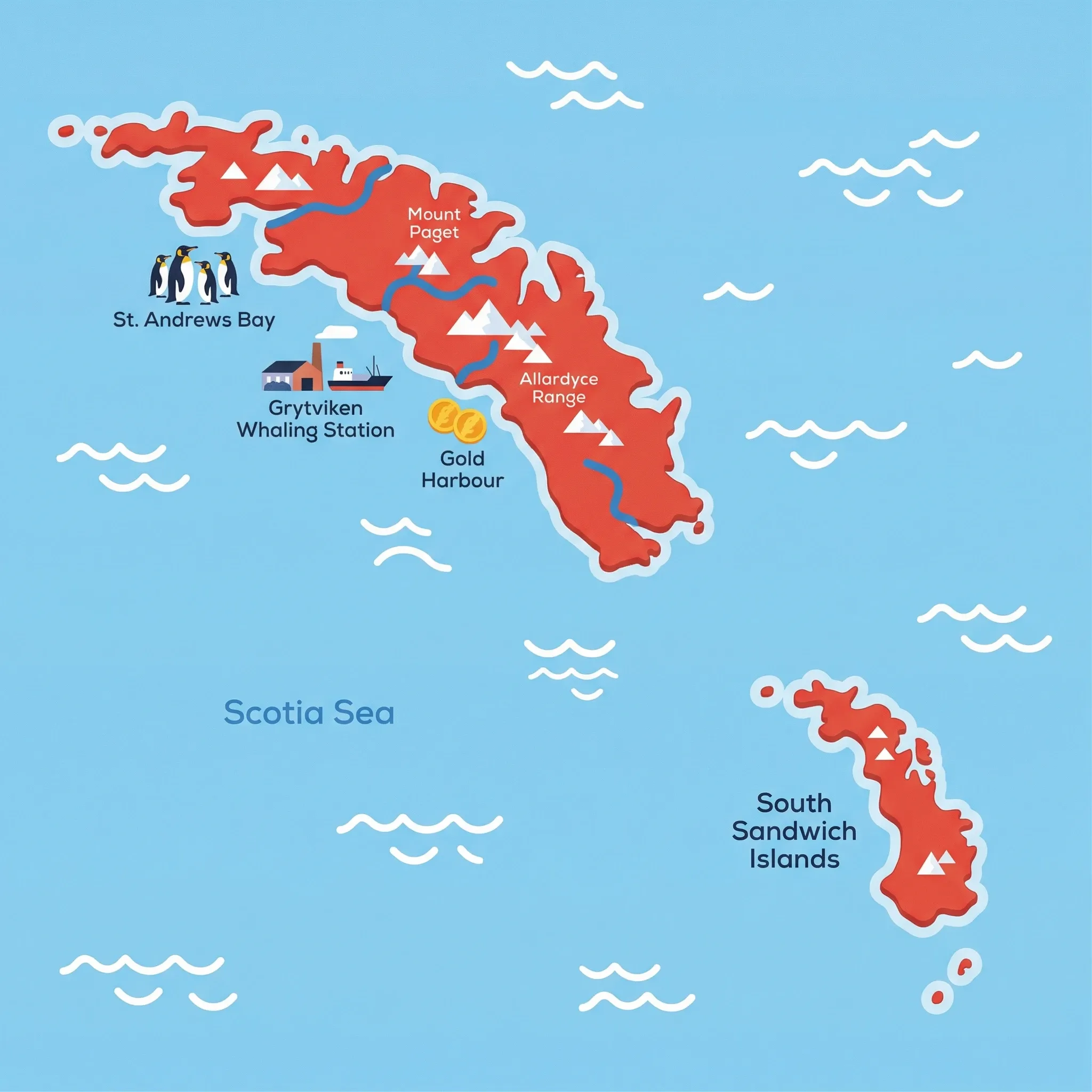
The absolute highlight of any trip is a visit to the Grytviken Whaling Station. Once a bustling industrial site, it is now a haunting open-air museum where families can walk among rusted whale oil tanks and abandoned ships. The excellent South Georgia Museum here captivates children with tales of whalers and explorers, and a short walk leads to the cemetery where Sir Ernest Shackleton is buried-a place of pilgrimage for travellers. The contrast between the rusted industrial ruins and the reclaiming fur seals makes for powerful photography and history lessons.
Beyond the settlement, the natural attractions are the landings at St Andrews Bay and Salisbury Plain (accessible by Zodiac boats). These beaches host King Penguin colonies numbering in the hundreds of thousands. The noise is deafening, the smell is memorable, and the sight of fluffy brown "oakum boy" chicks stretching to the horizon is something children will never forget. Gold Harbour is another family favourite, where hanging glaciers glow pink in the morning light and massive elephant seals battle on the beach. Every landing is a safari on foot, guided by naturalists who ensure safe and respectful interactions with the fearless wildlife.
Practical Advice
Best time to visit: The season runs from late October to March (austral summer). December and January are best for families, as the weather is mildest (around 0°C to 8°C) and penguin chicks are hatching. Visas: A Visitor Entry Permit is required (£200 per person), usually arranged by your cruise operator 14 days in advance. Health & Logistics: There are no hospitals or pharmacies; comprehensive medical evacuation insurance is mandatory. Sea sickness is common on the crossing, so pack medication. Age Limits: Most expedition ships have a minimum age requirement (often 8, 10, or 12 years old), so check carefully before booking.
Food & Drink
Typical meal times: 7:30 am to 9:00 am (Breakfast), 12:30 pm to 2:00 pm (Lunch), 7:00 pm to 9:00 pm (Dinner). All dining follows the ship's schedule.
Typical meal costs: £0 (approx. $0 USD / €0 EUR) – All meals are included in the price of your expedition cruise fare.
Dietary requirements: Expedition ships are excellent at catering to dietary needs (vegetarian, gluten-free, allergies) if notified in advance. Fresh produce may become scarcer towards the end of long voyages.
Family-friendly dining: Ships offer buffet-style breakfasts and lunches which are great for picky eaters. Dinners are often plated but usually include simple options like pasta or chicken.
Signature dishes:
- The Shackleton Toast – A shot of whisky raised at Shackleton's graveside in Grytviken. While adults drink the whisky, children often pour a drop on the grave to pay respects.
- Shipboard Afternoon Tea – A British tradition maintained on many vessels, featuring scones, clotted cream, and jam, perfect for warming up after a cold zodiac landing.
- Expedition Hot Chocolate – Often served on deck with a splash of rum (for adults) or marshmallows (for kids) as the ship navigates through icy fjords.
- Freshly Baked Bread – With no local bakeries, the ship's pastry chef becomes the most popular person on board; the smell of fresh bread is a staple of the voyage.
Age Suitability





Why this score?
This territory is the epitome of extreme wilderness, featuring rugged sub-Antarctic mountains, massive glaciers, and harsh, unpredictable weather. Activities like the Shackleton Hike and navigating remote shorelines by zodiac offer a high-intensity expedition experience in a region with no permanent residents. It is one of the most physically demanding and remote environments a traveling family can visit.
Why this score?
There are no civilian hospitals or accessible medical facilities on land for tourists, as the small clinic at King Edward Point is reserved for research and government staff. Visitors are entirely dependent on the limited medical capabilities of their expedition vessel's infirmary. A serious medical emergency requires a multi-day sea evacuation to the Falkland Islands or South America, making it one of the most medically isolated places on Earth.
Why this score?
With approximately 10,000 to 15,000 annual visitors arriving exclusively via expedition cruises, this region remains a niche destination with very low absolute visitor numbers. There is no traditional tourism infrastructure like hotels or airports, and access is restricted to those on specialized, high-cost maritime voyages. It is globally recognized by wildlife enthusiasts but lacks the volume of even minor mainland destinations.

South Georgia is one of the most exclusive travel destinations in the world. There is no budget option. A typical 15–20 day expedition cruise including the Falklands and Antarctica costs between £10,000–20,000 (approx. $12,500–25,000 USD / €11,500–23,000 EUR) per person. This fee covers accommodation, all meals, and guided activities. The only cash required is for souvenirs at the museum shop in Grytviken, which accepts GBP, USD, and EUR.

Getting There & Around
Getting There
- By Sea – There is no airport in South Georgia and the South Sandwich Islands. Access is exclusively by expedition cruise ship or private yacht. Most voyages depart from Ushuaia (Argentina), Punta Arenas (Chile), or Stanley (Falkland Islands). The sea crossing takes 2–3 days.
- Entry Requirements – A Visitor Entry Permit is mandatory for all travellers. This costs £200 and must be applied for at least 14 days before arrival, typically handled by your tour operator. Passports must be valid for 6 months beyond the visit. Check your government website for the latest visa requirements, or use the IATA Travel Centre entry-requirements checker.

Packing List
Biosecurity is strict; seeds stick to velcro. Buttons or zips save you hours of mandatory scrubbing.
Essential for Zodiac rides where freezing spray, wind, and sleet can hit your face horizontally.
Protect cameras and spare layers from saltwater spray during wet Zodiac landings and choppy seas.
The Southern Ocean is rough. Patches (like scopolamine) are often more effective than pills for multi-day crossings.
Cold weather drains batteries in minutes. Keep two spares warm inside your jacket close to your body.
The glare from glaciers and water is intense; polarization helps you spot whales and seals under the surface.

Activities & Best Times

Adventure & Nature
ExcellentHiking, wildlife, outdoor exploration, ecotourism
South Georgia is internationally recognized as one of the world's premier sub-Antarctic wildlife destinations, offering unparalleled concentrations of king penguins, Antarctic fur seals, elephant seals, and nesting albatross. St. Andrews Bay hosts one of the largest king penguin colonies globally. This is not merely 'good' - it is a bucket-list wildlife destination that ranks among the world's top nature experiences.

Sports & Active
Very GoodSport tourism, fitness activities, active recreation
The Shackleton Crossing is one of the world's most prestigious and challenging expeditionary trekking routes, internationally recognized among serious adventurers. While extremely limited in access, it represents a world-class active adventure opportunity. The current 'good' rating underrepresents its significance in global mountaineering and expedition circles.

City & Cultural
MarginalUrban tourism, museums, historical sites, architecture
While the Heroic Age heritage sites are historically significant, this is fundamentally NOT a cultural or city destination. There are no cities, no living cultural traditions, and minimal infrastructure beyond abandoned whaling stations and a small museum. The 'city_cultural' category is inappropriate for a wilderness territory. Travelers come for wildlife and expedition heritage in a remote wilderness context, not for cultural experiences. The historical sites add interest but do not constitute a cultural destination by international standards.




Public Holidays & Calendar Next 12 months
Public holidays, festivals, cultural celebrations, and seasonal natural phenomena coming up in South Georgia and the South Sandwich Islands over the next 12 months.
Loading holidays and events...

Travel Advisory
While no specific security threats exist, the destination is categorized as a low-risk environment regarding crime and conflict. However, the unique and extreme environmental conditions require advanced planning and high levels of self-sufficiency.
Safety Topics
Traveller Advice (2 groups)

The interior of the islands is not fully mapped and the terrain is treacherous. Expeditions must be entirely self-sufficient, as there are no search and rescue resources or public utilities available on land.

All visitors must secure an entry permit from the Commissioner's office before arrival. Travellers are advised to book through reputable tour operators and must possess comprehensive insurance that covers expensive sea-based medical evacuations.
Agency Summaries
The territory is extremely remote with no permanent residents and no specific travel warnings in place. Visitors must obtain a mandatory permit and follow strict biosecurity protocols. Safety concerns are primarily centered on the harsh sub-Antarctic climate and the total absence of medical or emergency infrastructure.
Information is provided for general guidance only and does not constitute travel, safety, medical, or legal advice. Conditions may change. Users are responsible for independently verifying information before travel.