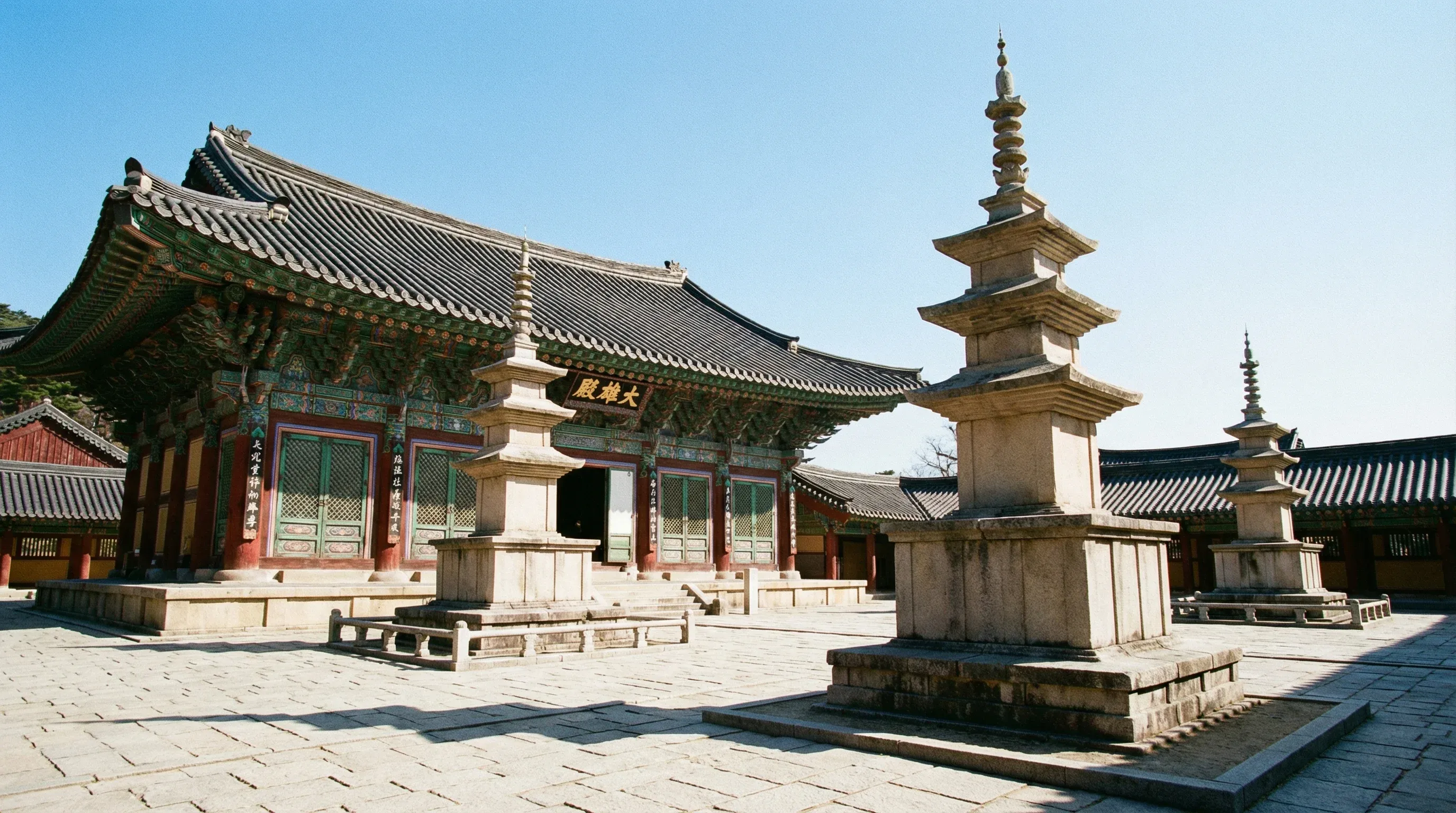

Gyeongju (historic)
Where ancient kings rest and history comes alive 👑🚲
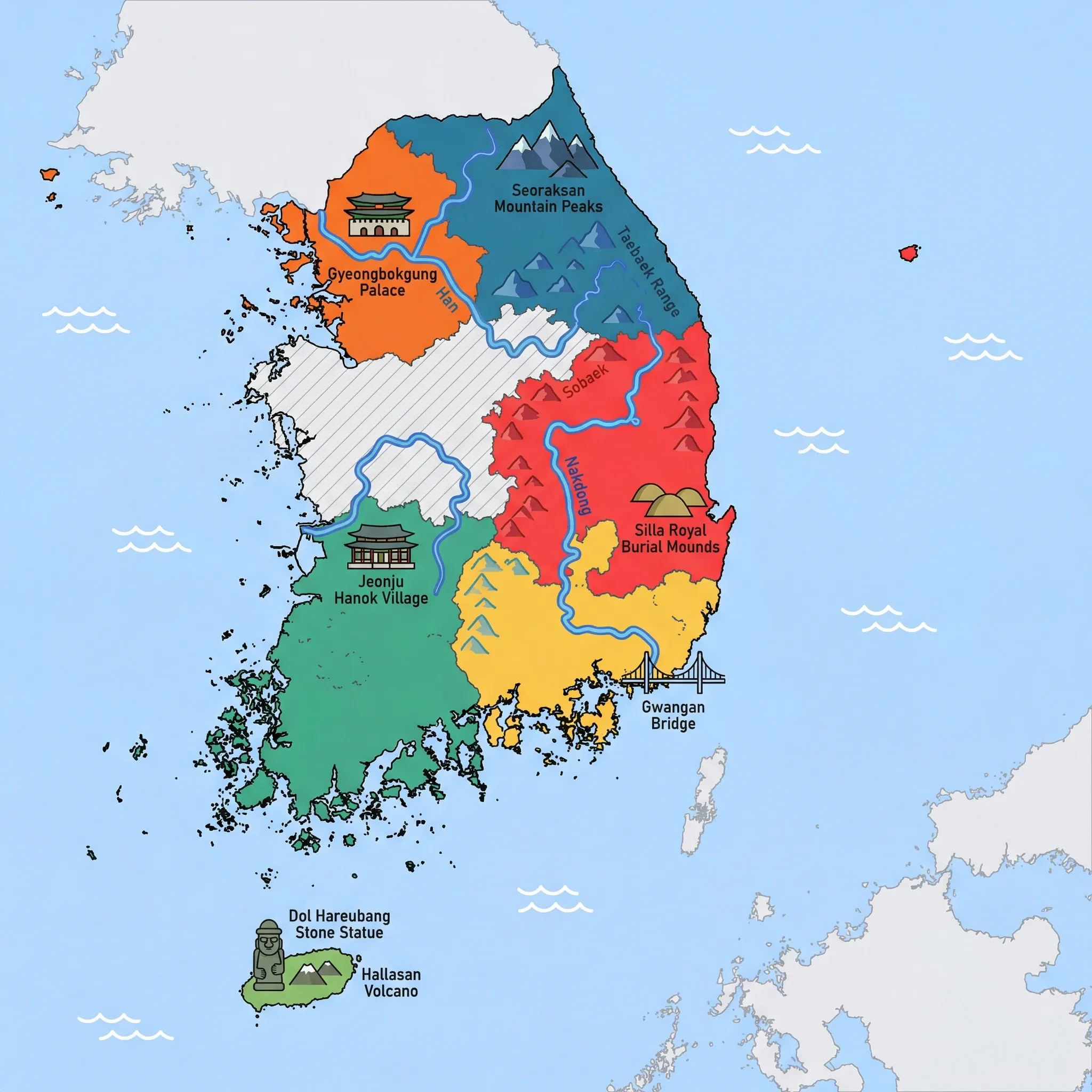
Click a region to explore
Overview
Gyeongju is a time capsule. For a thousand years, this was the glittering capital of the Silla Kingdom, and the legacy is impossible to miss. The landscape is dotted with gigantic, mysterious grassy mounds—the tombs of ancient kings—that rise surrealistically out of the flat city centre. For families, Gyeongju is arguably the most relaxing city to visit in Korea. The lack of high-rise buildings and the abundance of parks make it feel open and calm.
It is a city best explored on two wheels. You can rent family bikes and ride from observatory towers to palaces without dealing with intense traffic. The history here isn't dry or dusty; it's atmospheric, especially at night when the palaces and tombs are illuminated, creating a magical environment for evening walks. Beyond the history, Gyeongju has a surprisingly hip cafe culture in the "Hwangnidan-gil" area, offering a nice treat for parents after a day of sightseeing.
Key Attractions
The city centre is dominated by the Daereungwon Tomb Complex, a park where kids can walk among the massive burial mounds. Just across the street is the Cheomseongdae Observatory, the oldest astronomical observatory in Asia, which looks like a stone bottle and is beautiful at sunset. A short distance away, Donggung Palace and Wolji Pond is spectacular after dark; the reflections of the pavilions in the water are picture-perfect.
Further out on the slopes of Mount Toham lies Bulguksa Temple, a UNESCO World Heritage site that is a masterpiece of Buddhist art. For a break from history, Gyeongju World Resort offers theme park thrills, including some intense rollercoasters for older kids.
Practical Advice
Spring (cherry blossoms) and Autumn (foliage) are stunning but very busy. The city is flat and compact, making it stroller-friendly. Rental bikes are everywhere and often have child seats or carriages attached.
Food & Drink
Typical meal times: Lunch 11:30 am to 2:00 pm. Dinner 5:30 pm to 8:00 pm. Popular cafes in Hwangnidan-gil may have long queues on weekends.
Typical meal costs: Meals are affordable, typically ₩12,000–25,000 (approx. $9–19 USD / €8–17 EUR). Snacks in the tourist areas are pricier.
Dietary requirements: Ssambap (lettuce wraps) restaurants are common and offer a huge spread of vegetable side dishes, making it easier for vegetarians to navigate, though main dishes are usually meat.
Signature dishes:
- Hwangnam-ppang (Gyeongju Bread) – Small pastries filled with sweet red bean paste. They are stamped with a chrysanthemum pattern and sold warm.
- Ssambap – A meal consisting of rice, meat (usually bulgogi or pork), and a vast array of fresh leafy vegetables for wrapping. Healthy and fun for kids to assemble.
- Sundubu Jjigae – Spicy soft tofu stew is also popular here, often served with a raw egg to crack into the boiling pot.
Why this score?
The tourism experience in Gyeongju is very curated, focusing on flat-terrain cycling between ancient burial mounds and well-paved temple paths. It offers a very gentle 'outdoor' experience that is perfect for families with young children but lacks any real ruggedness or wilderness. The entire historic district is designed for easy navigation and maximum tourist comfort.
Why this score?
Gyeongju has good local hospitals and clinics that can handle most routine tourist ailments and minor emergencies. For more complex procedures, patients are often transferred to the much larger medical facilities in nearby Busan or Daegu. Most doctors have a high level of training, though dedicated international clinics are fewer than in the capital city metro area.
Why this score?
Known as the 'museum without walls,' Gyeongju is a staple on the itinerary for cultural travelers and school groups. While it is internationally recognized for its UNESCO World Heritage sites like Bulguksa, it typically serves as a short-stay destination rather than a primary multi-day base. It lacks the massive international arrival numbers of Seoul or Jeju but maintains a steady flow of heritage-focused tourists.

Accommodation prices spike during cherry blossom season (April). A traditional Hanok stay costs ₩120,000–250,000 (approx. $90–190 USD / €80–170 EUR). Entry fees to tombs and temples are nominal, often under ₩3,000 (approx. $2.25 USD / €2.00 EUR) per adult.

Getting Here & Around
Getting Here
- Train – Singyeongju Station is on the KTX line (2 hours from Seoul). Note that the station is about 15–20 minutes by bus or taxi from the historic city centre.
- Bus – Express buses arrive at the terminal located closer to the city centre, a convenient option from Busan (1 hour).
Getting Around
- Cycling – The absolute best way to see the central historic areas. Bike paths connect Cheomseongdae Observatory and the tombs.
- Bus – The 10 and 11 bus routes are tourist staples, looping past Bulguksa Temple and the museum.
- Taxi – Affordable for short hops between the city center and outlying temples.
Nearby Airports (1 airport)
Pohang
KPOPohang
View full flight map for South Korea →
Official Links

Packing List
The parks around the tombs are perfect for picnics, which is a popular local activity.
Visiting temples and hanok cafes requires constant shoe removal.
If cycling all day, a backpack is much safer and easier than a shoulder bag.
Public bins are extremely rare; locals carry their own rubbish home to sort.
Public restrooms often lack paper towels or hand dryers.
Hotels are legally restricted from providing free single-use toiletries and will charge for them.
Difficult to find strong antiperspirants in local stores as many locals do not use them.

Activities & Best Times

Urban tourism, museums, historical sites, architecture
Known as the museum without walls, Gyeongju offers world-class UNESCO heritage sites and authentic Silla Dynasty history. Spring cherry blossoms and autumn foliage provide the most atmospheric conditions, while summer humidity and winter cold are less ideal for walking the historic sites.

Hiking, wildlife, outdoor exploration, ecotourism
The region features iconic trails like Namsan and Tohamsan that blend deep wilderness with ancient Buddhist relics. Optimal conditions occur in spring and autumn, whereas the summer monsoon and sub-zero winter temperatures degrade the hiking experience.

Sport tourism, fitness activities, active recreation
With purpose-built infrastructure like Luge World and the Hwarang Village, the region caters well to active families seeking organized outdoor activities. These facilities are best enjoyed during mild transitional seasons to avoid the physical strain of high humidity or bitter cold.

Beach resorts, marine activities: diving, snorkelling, kite surfing, wind surfing, sailing
Offers unique coastal features like the columnar jointing and the underwater tomb of King Munmu, providing an authentic mix of nature and history. The peak window is narrow, limited to the warm summer months when sea temperatures are suitable for recreation.

Scenic drives, countryside tours, route-based travel
Scenic coastal drives and mountain passes like Mount Toham offer spectacular views, particularly during the cherry blossom and fall foliage peaks. Driving is best in these dry, clear months, as summer rains and winter ice can make navigating the winding mountain roads less pleasant.

Amusement parks, family entertainment venues
Home to major parks like Gyeongju World and high-end water parks, providing quality family entertainment. Peak season aligns with summer when aquatic facilities are fully operational, while many outdoor attractions are less comfortable during the cold winter months.

Learning experiences, scientific sites, historical education
While the city is historically rich, dedicated educational facilities like the Expo Park serve as secondary attractions for learning. These sites are best visited when weather permits exploring the extensive outdoor exhibits and discovery centers.

Events, celebrations, seasonal attractions
The Gyeongju Cherry Blossom Festival is a significant international draw during the brief spring bloom. Outside of this peak and the autumn festival window, there are fewer major events that would draw international families specifically for festivals.

Attractions (19 total)



Public Holidays & Calendar Next 12 months
Public holidays, festivals, cultural celebrations, and seasonal natural phenomena coming up in Gyeongju (historic) over the next 12 months.
Loading holidays and events...

Travel Advisory
All major global agencies consistently rate South Korea as a low-risk destination where standard safety awareness is sufficient for travelers. While regional political tensions and occasional protests exist, they do not currently elevate the country-wide risk level.
Safety Topics
Traveller Advice (4 groups)

Exercise caution when visiting crowded nightlife and entertainment districts such as Itaewon and Hongdae. Instances of sexual harassment and assault have been reported in these areas, particularly late at night; traveling in groups is recommended.

While generally safe, travelers may find it useful to review general safety guidance for sexual and gender minorities before arriving.

Monitor regional news for updates on North Korean military activities and peninsula tensions. Be aware that civil defense drills are held periodically throughout the country and require cooperation with local authorities.

The UK provides dedicated guidance for travelers with accessibility needs visiting the region; infrastructure in major cities is generally modern but can vary.
Agency Summaries
Travelers should exercise standard safety measures. Large public gatherings, particularly in Seoul, are frequent and may disrupt transport; staying informed through local media is advised. Australians benefit from a temporary visa waiver exemption for short visits until late 2026.
General safety levels are high. Irish visitors are currently exempt from electronic travel authorization requirements for short-term stays until the end of 2026. Travelers should monitor local news for any significant changes in the regional security situation.
The overall security environment is stable, though the risk of escalation in peninsula tensions persists. Visitors are advised to stay away from political gatherings and protests. British nationals of Korean descent should be aware of potential compulsory military service requirements.
The country maintains a very low crime rate, making it safe for most visitors. Travelers are cautioned to avoid political protests and reminded that foreign nationals are legally prohibited from participating in local political activities.
South Korea is generally safe, but travelers should remain alert to the unpredictable security situation on the Korean Peninsula. While crime against visitors is low, petty theft and instances of sexual harassment occur in popular nightlife districts. Registration with the government is recommended to stay informed about sudden developments.
Standard safety precautions are advised. Travelers should be aware that political demonstrations can occur without warning and that tensions with North Korea remain a factor in the regional security landscape. Participation in local civil emergency drills is encouraged when they occur.
Information is provided for general guidance only and does not constitute travel, safety, medical, or legal advice. Conditions may change. Users are responsible for independently verifying information before travel.