
Jeonju & Southwest
The taste of Korea, wrapped in tradition and nature 🍲🌿
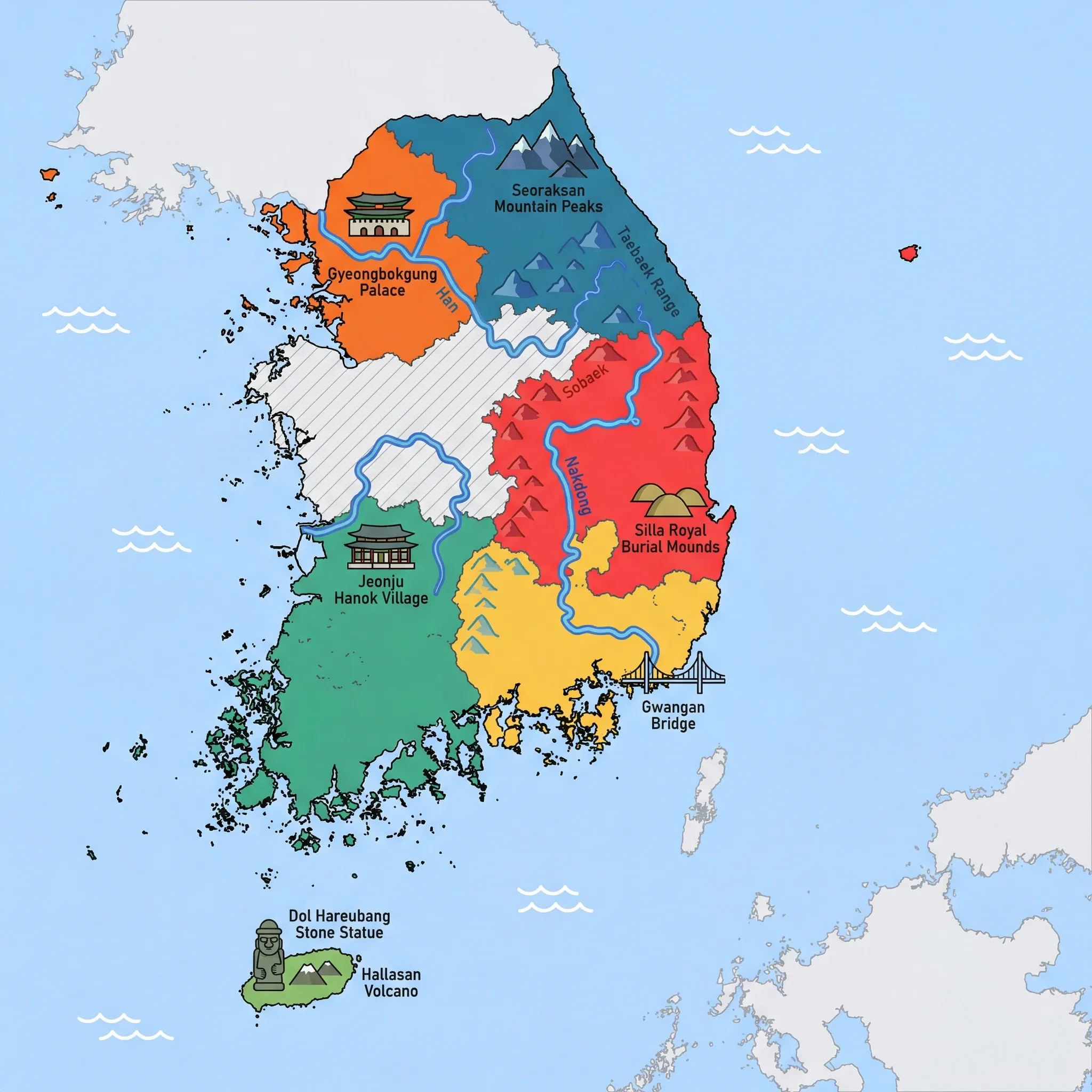
Click a region to explore
Overview
The Southwest (Jeolla-do) is the soul of traditional Korea. It is less hurried and industrial than the rest of the country, famous primarily for two things: its exceptional food and its preservation of arts. For families, the gateway is Jeonju, a UNESCO City of Gastronomy where hundreds of traditional wooden houses (Hanok) form a village that feels like a living movie set. Seeing children running around the cobbled streets in rented Hanbok (traditional dress) is a quintessential travel memory here.
Beyond the city, the region opens up into stunning ecological zones. The wetlands of Suncheon and the bamboo forests of Damyang offer immersive nature experiences that are educational without being dull. The pace of life here allows for a more relaxed itinerary, perfect for families who want to escape the "rush-rush" (palli-palli) culture of Seoul.
Key Attractions
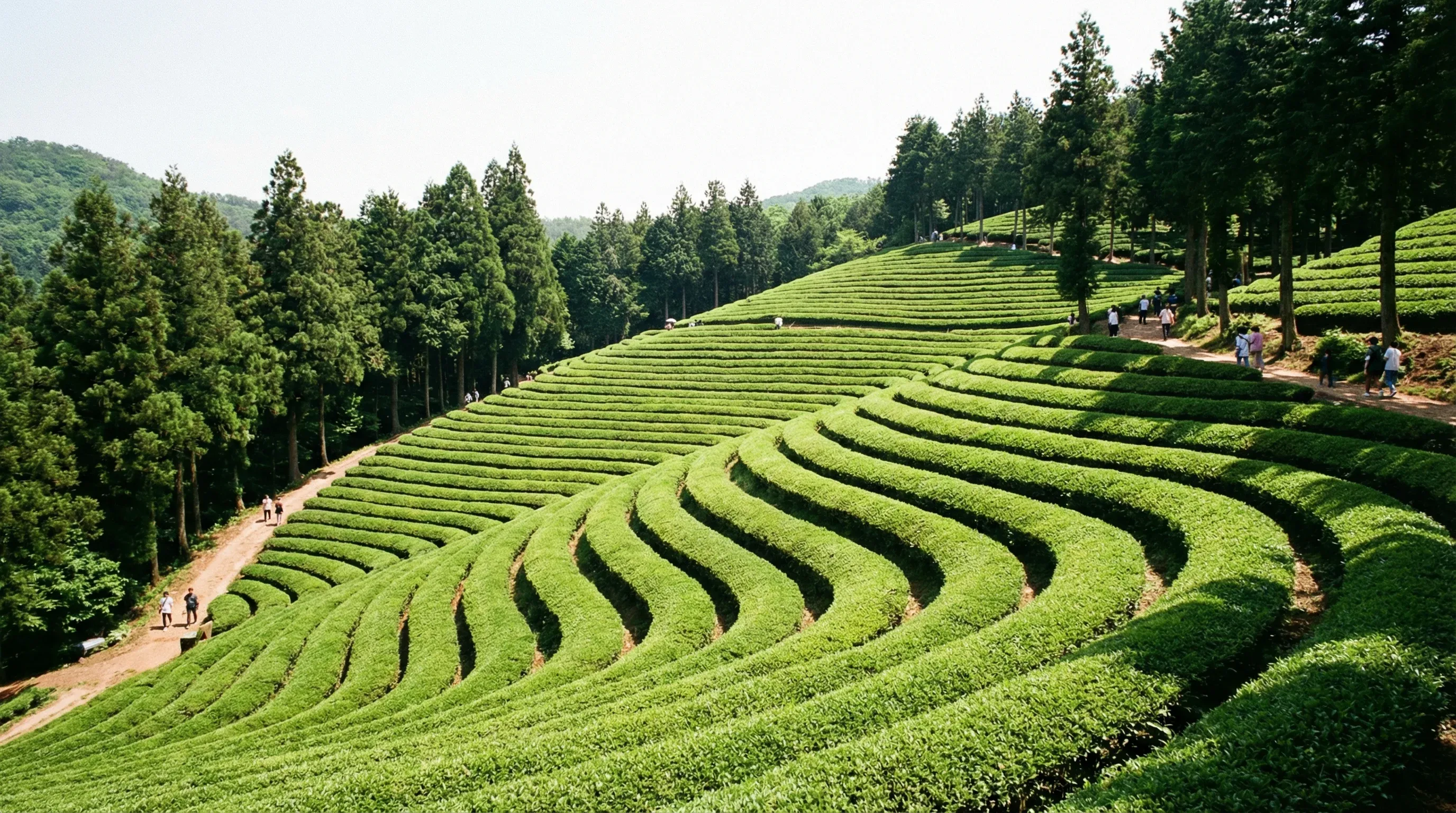
The Jeonju Hanok Village is the centrepiece, filled with craft workshops, street food stalls, and cultural centres. Just south, the Boseong Green Tea Fields (Daehan Dawon) offer spectacular tiered hills of green tea plants; be sure to try the green tea ice cream at the bottom.
Nature lovers must visit Suncheon Bay Wetland Reserve and the adjacent Suncheonman Bay National Garden. The reserve features vast reed fields and mudflats where kids can spot mudskippers and crabs from elevated wooden boardwalks. In Damyang, the Damyang Juknokwon (Bamboo Garden) provides a cool, shady maze of towering bamboo that feels otherworldly.
Practical Advice
The region is best visited in spring or autumn. Winters can be chilly but snow is beautiful on the Hanok roofs. Accommodation in a traditional Hanok (sleeping on heated floors) is a unique experience, but check if your room has a private bathroom, as some are shared.
Food & Drink
Typical meal times: Lunch 12:00 pm to 2:00 pm. Dinner 6:00 pm to 8:00 pm. Jeonju is famous for its hospitality and generous portion sizes.
Typical meal costs: Excellent value. A massive table d'hote meal (Hanjeongsik) can cost ₩20,000–40,000 (approx. $15–30 USD / €13.50–27 EUR) per person.
Dietary requirements: Jeonju is the birthplace of Bibimbap, which is easily customised for vegetarians (ask for no egg/meat). However, soups often have seafood bases.
Signature dishes:
- Jeonju Bibimbap – The world-famous rice dish topped with meticulously arranged vegetables, meat, and egg. In Jeonju, the rice is often cooked in beef broth for extra flavour.
- Kongnamul-gukbap – Bean sprout soup with rice. A mild, savoury breakfast dish that is very popular and non-spicy.
- Tteok-galbi – Minced beef short ribs, marinated and grilled into patties. It is sweet, tender, and absolutely loved by children.
Why this score?
The southwest offers scenic diversity, from the bamboo forests of Damyang to the Suncheon Bay wetlands. Adventure here is largely aesthetic and gentle, involving walking through cultivated forests and coastal parks. It is less mountainous than Gangwon, providing a tranquil and low-impact outdoor experience for families.
Why this score?
Regional cities like Gwangju and Jeonju possess high-quality university hospitals that offer modern diagnostic and treatment services. While these facilities are excellent, they are less focused on international medical tourism than Seoul, meaning language barriers may be slightly more frequent. Nevertheless, the standard of care remains high and very accessible for tourists in the region.
Why this score?
This region is the cultural and culinary heart of Korea, famous for the Jeonju Hanok Village which sees millions of domestic visitors. International popularity is moderate but growing as travelers look for 'authentic' experiences beyond the major cities. It remains an emerging destination for Western tourists compared to the more established hubs like Seoul or Busan.

Food is the main expense here, but the quality-to-price ratio is the best in Korea. A stay in a traditional Hanok guesthouse costs ₩80,000–160,000 (approx. $60–120 USD / €55–110 EUR) per night. Street food snacks in the village are pricey, around ₩5,000 (approx. $3.75 USD / €3.40 EUR) each.

Getting Here & Around
Getting Here
- Train – The KTX connects Seoul (Yongsan Station) to Jeonju in roughly 1.5 hours. Trains continue south to Suncheon and Yeosu.
- Bus – Excellent express bus connections from Seoul to all major towns. The "premium" buses are extremely comfortable for families.
Getting Around
- Walking – Jeonju Hanok Village is entirely walkable. Cars are restricted in the main zones on weekends.
- Train & Bus – Moving between cities (e.g., Jeonju to Suncheon) is best done by train. Local attractions like Boseong Green Tea Fields require a local bus or taxi from the station.
- Taxi – Affordable and convenient for reaching attractions just outside city centres.
Nearby Airports (4 airports)
Gunsan Airport
KUVGunsan
Gwangju
KWJGwangju
Muan
MWXGwangju
Yeosu
RSUYeosu
View full flight map for South Korea →
Official Links

Packing List
You will be taking shoes off constantly in Hanok guesthouses and restaurants.
Sitting on the floor is standard for dining and sleeping; stiff jeans are uncomfortable.
Wetlands and bamboo forests in Suncheon/Damyang can be buggy in summer.
Jeonju is a hub for traditional crafts (paper, fans) and snacks you will want to buy.
Public bins are extremely rare; locals carry their own rubbish home to sort.
Public restrooms often lack paper towels or hand dryers.
Hotels are legally restricted from providing free single-use toiletries and will charge for them.
Difficult to find strong antiperspirants in local stores as many locals do not use them.

Activities & Best Times

Hiking, wildlife, outdoor exploration, ecotourism
Home to Jirisan National Park and the Damyang bamboo forests, offering premier trekking and nature immersion. Spring and autumn provide optimal temperatures and stunning visual displays (blossoms and foliage) for outdoor exploration.

Urban tourism, museums, historical sites, architecture
Jeonju is a world-class center for Korean gastronomy and heritage, particularly within its expansive Hanok Village. The most authentic and comfortable experience is found during the temperate months, avoiding the peak humidity of July and August.

Sport tourism, fitness activities, active recreation
Strong infrastructure for active tourism, including the Seomjin River bike paths and major luge tracks. Activities are best enjoyed in the mild spring and autumn, away from the monsoon rains and summer heat.

Learning experiences, scientific sites, historical education
Significant facilities like Aqua Planet Yeosu and the Mokpo Natural History Museum offer destination-level learning experiences. These indoor venues are primary draws during school holiday periods, regardless of the seasonal weather conditions.

Spa retreats, wellness centers, peaceful getaways
Known for its traditional hot spring culture and the therapeutic environments of the Boseong tea fields. The winter months are the most popular time for international travelers to visit regional onsens for a restorative experience.

Scenic drives, countryside tours, route-based travel
Scenic coastal roads such as Baeksu and the mountain passes of Jirisan offer high-quality driving tours. These routes are at their most picturesque during the spring bloom and the vibrant autumn leaf season.

Amusement parks, family entertainment venues
Features high-quality regional entertainment like the Yeosu U-World Luge and Gwangju Family Land. Peak visitation aligns with May's Family Month and the mild weather of October, providing a solid secondary activity for families.

Beach resorts, marine activities: diving, snorkelling, kite surfing, wind surfing, sailing
The Yellow Sea tidal flats and wetlands are ecologically significant but poor for beach recreation due to mudflats, poor water clarity, and extreme tidal ranges. These are nature viewing destinations, not beach destinations.

Events, celebrations, seasonal attractions
The region hosts specialized events like the Jindo Miracle Sea Parting and the Gwangju Biennale. International appeal is concentrated around these specific dates, which showcase authentic local phenomena and global art.

Winter sports, ski resorts, snow activities
Muju Deogyusan Resort is the only significant ski infrastructure in the southwest, offering a reliable but limited winter sports window. It serves as a decent regional alternative for families seeking snow activities in the southern part of the peninsula.

Attractions (27 total)



Public Holidays & Calendar Next 12 months
Public holidays, festivals, cultural celebrations, and seasonal natural phenomena coming up in Jeonju & Southwest over the next 12 months.
Loading holidays and events...

Travel Advisory
All major global agencies consistently rate South Korea as a low-risk destination where standard safety awareness is sufficient for travelers. While regional political tensions and occasional protests exist, they do not currently elevate the country-wide risk level.
Safety Topics
Traveller Advice (4 groups)

Exercise caution when visiting crowded nightlife and entertainment districts such as Itaewon and Hongdae. Instances of sexual harassment and assault have been reported in these areas, particularly late at night; traveling in groups is recommended.

While generally safe, travelers may find it useful to review general safety guidance for sexual and gender minorities before arriving.

Monitor regional news for updates on North Korean military activities and peninsula tensions. Be aware that civil defense drills are held periodically throughout the country and require cooperation with local authorities.

The UK provides dedicated guidance for travelers with accessibility needs visiting the region; infrastructure in major cities is generally modern but can vary.
Agency Summaries
Travelers should exercise standard safety measures. Large public gatherings, particularly in Seoul, are frequent and may disrupt transport; staying informed through local media is advised. Australians benefit from a temporary visa waiver exemption for short visits until late 2026.
General safety levels are high. Irish visitors are currently exempt from electronic travel authorization requirements for short-term stays until the end of 2026. Travelers should monitor local news for any significant changes in the regional security situation.
The overall security environment is stable, though the risk of escalation in peninsula tensions persists. Visitors are advised to stay away from political gatherings and protests. British nationals of Korean descent should be aware of potential compulsory military service requirements.
The country maintains a very low crime rate, making it safe for most visitors. Travelers are cautioned to avoid political protests and reminded that foreign nationals are legally prohibited from participating in local political activities.
South Korea is generally safe, but travelers should remain alert to the unpredictable security situation on the Korean Peninsula. While crime against visitors is low, petty theft and instances of sexual harassment occur in popular nightlife districts. Registration with the government is recommended to stay informed about sudden developments.
Standard safety precautions are advised. Travelers should be aware that political demonstrations can occur without warning and that tensions with North Korea remain a factor in the regional security landscape. Participation in local civil emergency drills is encouraged when they occur.
Information is provided for general guidance only and does not constitute travel, safety, medical, or legal advice. Conditions may change. Users are responsible for independently verifying information before travel.