
Colombo & West Coast
Urban energy meets golden Indian Ocean sunsets 🌇🌊
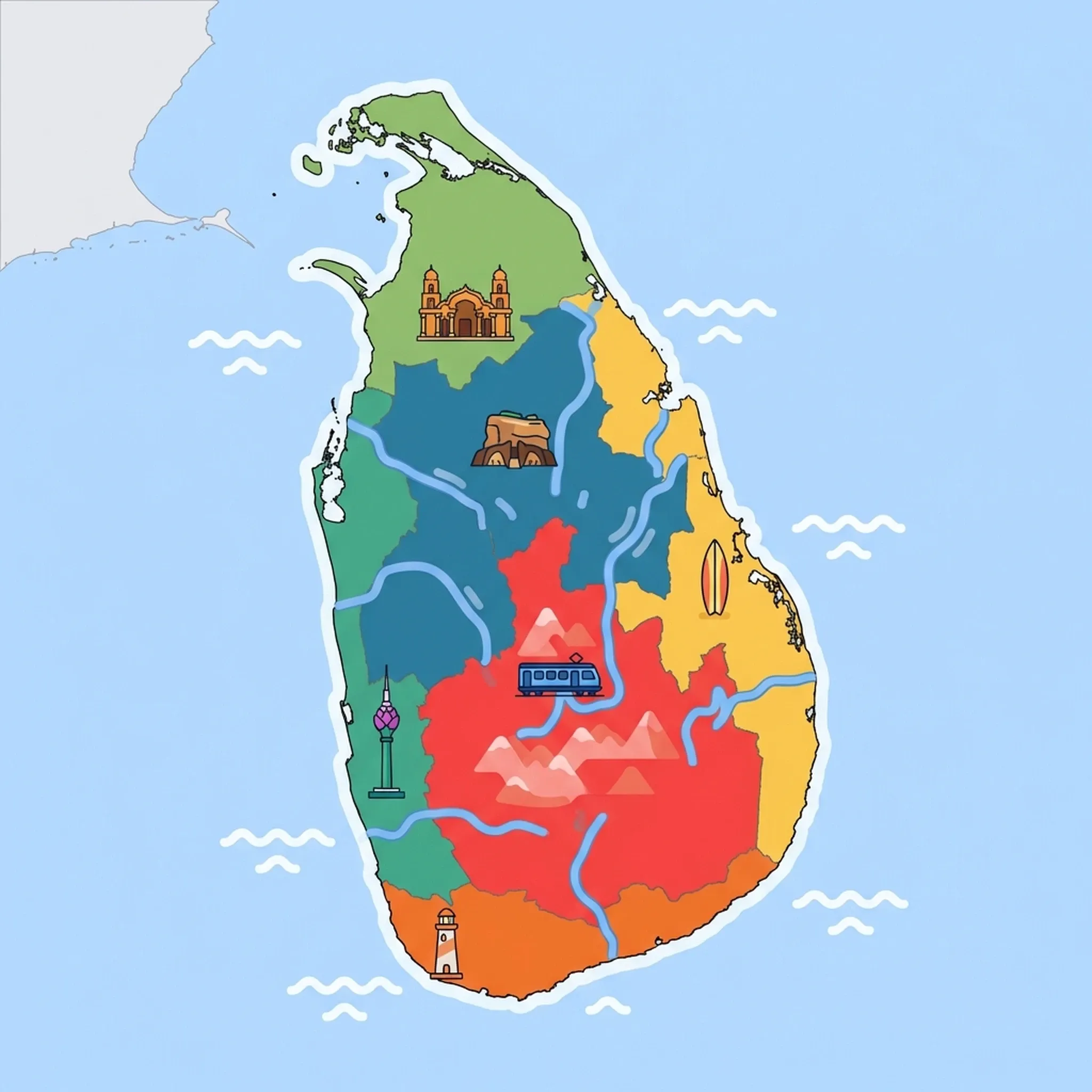
Click a region to explore
Colombo and the West Coast offer families a fascinating blend of frantic urban energy and laid-back tropical relaxation. As the primary entry point for international travelers, this region is often where adventures begin and end, but it is a destination in its own right. The capital, Colombo, is a sensory explosion of tuk-tuks, colonial architecture, and modern skyscrapers. For families, it provides a chance to acclimatize to the heat and humidity while enjoying modern comforts before venturing further afield. The coastline stretching south from the city is lined with palm-fringed beaches, luxury resorts, and turtle hatcheries that delight younger children. The atmosphere here is dynamic; one moment you might be navigating a busy bazaar in Pettah, and the next, you are sipping fresh thambili (king coconut) by a hotel pool overlooking the Indian Ocean.
Culturally, the West Coast is incredibly diverse. You will see church spires, temple stupas, and mosque minarets sharing the skyline, reflecting the island's rich history of trade and colonization. Families can explore this history tangibly—walking through the corridors of the National Museum of Colombo helps ground children in the island's past before they see the ancient cities. The beaches in Negombo and Bentota are generally safer for swimming than the rougher eastern waters, making them ideal for families with toddlers. Whether you are flying kites on Galle Face Green with the locals or taking a boat safari along the Madu River to see monitor lizards and mangroves, the West Coast offers an accessible, comfortable, and exciting start to a Sri Lankan holiday.
Key Attractions
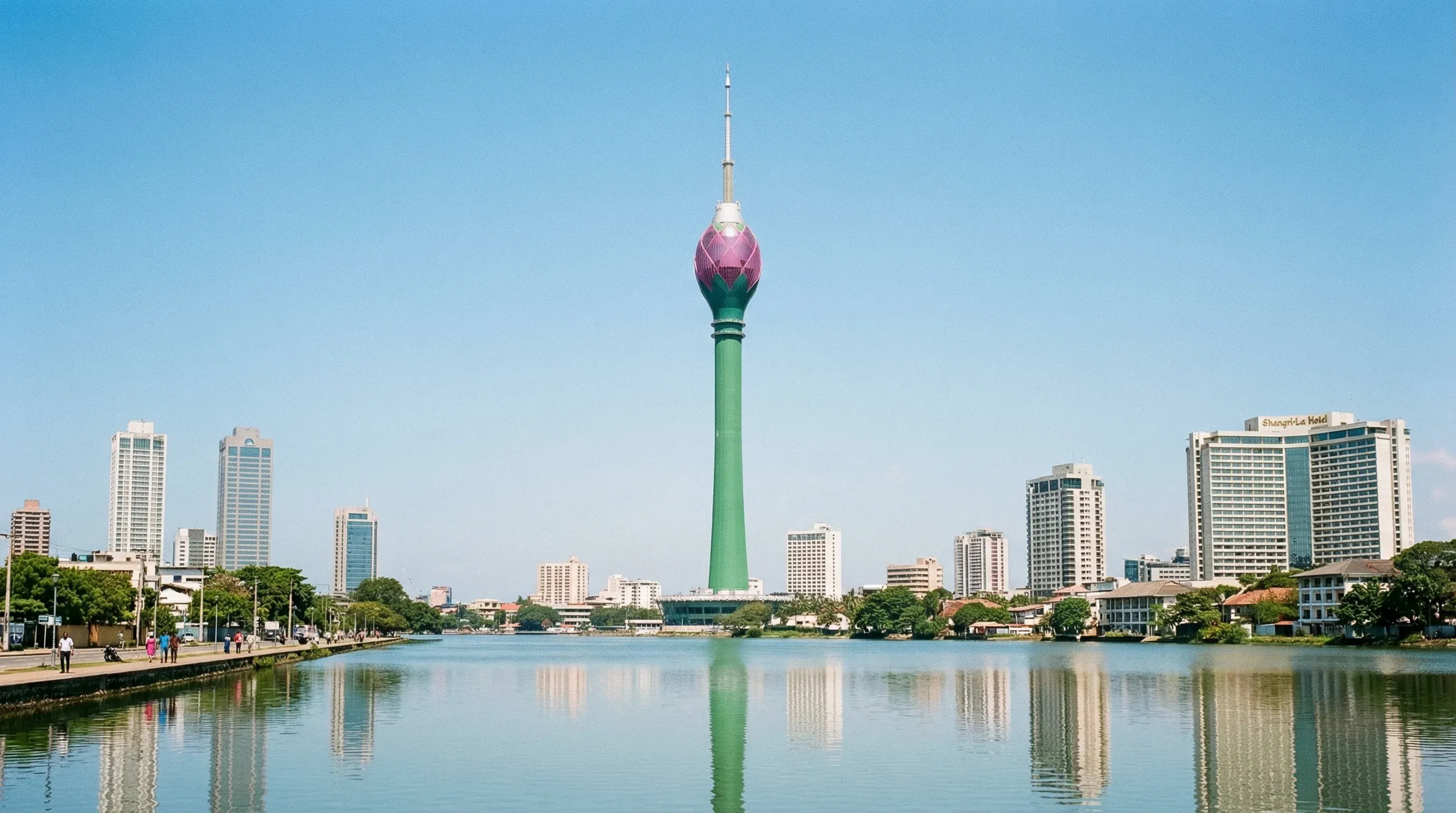
For a bird's-eye view of the rapidly developing capital, a visit to the Colombo Lotus Tower is essential. Standing as the tallest self-supported structure in South Asia, its observation deck offers thrilling views that help children grasp the geography of the city, the port, and the ocean. Afterward, a visit to the Gangaramaya Temple introduces the family to Buddhist traditions in a visually stimulating environment; the temple complex is eclectic, filled with artifacts, vintage cars, and a sacred bodhi tree that captures the imagination without requiring the quiet discipline of more austere sites.
Just a short drive south of the capital, the National Zoological Gardens of Sri Lanka (Dehiwala Zoo) remains a popular family staple. While some parts are aging, the sheer variety of tropical wildlife, including indigenous reptiles and colorful birds, provides an educational afternoon. Further down the coast, the Kalutara Bodhiya is one of the most sacred Buddhist sites in the country. It is one of the few hollow stupas in the world which you can actually walk inside—a unique architectural feature that fascinates children who are used to viewing such monuments only from the exterior.
Practical Advice
The West Coast is visitable year-round, but the best weather is from December to March when the sea is calm and the skies are blue. This is the peak tourist season, so book accommodation early. Traveling with a stroller is possible in high-end hotels and shopping malls in Colombo, but pavements outside are often uneven or non-existent; a baby carrier is far more practical for street exploration.
Food & Drink
Typical meal times: Lunch is typically served from 12:30 pm to 2:30 pm. Dinner is eaten later than in the West, usually from 7:30 pm to 9:30 pm.
Typical meal costs: A meal for a family of four in a mid-range restaurant costs roughly LKR 8,000–14,000 (approx. $27–47 USD / €25–43 EUR). Street food snacks cost LKR 100–300 (approx. $0.35–1.00 USD / €0.30–0.90 EUR) per item.
Dietary requirements: Vegetarian and vegan food is exceptionally easy to find as many locals follow plant-based diets. Dairy is used in desserts (curd) but rarely in savory mains. Gluten-free travelers should stick to rice-based dishes like hoppers, though soy sauce is used in marinades. Always ask for "no spice" or "white curry" for children.
Signature dishes:
- Hoppers (Appa) – Bowl-shaped pancakes made from fermented rice flour and coconut milk, often served with a soft-fried egg in the center. Kids love the shape and crispy edges.
- Isso Wade – Spicy lentil cakes topped with whole prawns, a famous street food snack sold by vendors on Galle Face Green.
- Kottu Rotti – Chopped flatbread stir-fried with vegetables, eggs, and meat (or cheese). It is famous for the rhythmic clanking sound made by the chefs chopping it on a metal griddle.
Why this score?
This is the most developed and urbanized corridor of the country, featuring paved highways and modern shopping centers. Outdoor activities are limited to managed water sports in Bentota and city cycling, making it very accessible for families but low on ruggedness. The environment is primarily controlled and suburban, offering little in the way of true wilderness.
Why this score?
Colombo is the healthcare heart of the country, home to top-tier private hospitals like Asiri, Nawaloka, and Lanka Hospitals which cater specifically to international patients. These facilities offer English-speaking staff and specialized care that is often unavailable elsewhere in the country. It is the only region where emergency services and insurance processing meet a high international standard for tourists.
Why this score?
As the primary entry point via Bandaranaike International Airport, this region sees high transit volume and significant business travel. While Colombo and Negombo offer established urban and beach tourism, they function more as functional hubs than primary holiday destinations compared to the south. The area maintains a steady flow of international visitors but lacks the concentrated resort appeal of global 7+ tier destinations.

Colombo is the most expensive city in Sri Lanka, but still affordable by international standards. Luxury hotels charge international rates, often LKR 45,000–90,000 (approx. $150–300 USD / €140–280 EUR) per night. However, local guesthouses and food are cheap. A generous plate of rice and curry costs LKR 600–1,200 (approx. $2–4 USD / €1.85–3.70 EUR).
Family Travel Notice
Review specific requirements for travelling with minors and ensure all family members are enrolled in relevant safety notification programs.

Getting Here & Around
Getting Here
- Airports – Bandaranaike International Airport (CMB) in Katunayake is the country's primary hub, located just 30 minutes north of Colombo via the expressway.
- Train – The coastal train line runs from Colombo Fort station south towards Mount Lavinia and Kalutara, offering scenic ocean views.
- Driving – The airport is connected to Colombo and the southern coast via the E01 and E03 expressways, making transfers quick and comfortable.
Getting Around
- Tuk-Tuk – The quintessential way to move around Colombo. Essential for short hops. Ensure you use 'PickMe' or Uber apps, or meter taxis to avoid overcharging.
- Taxi/Ride-hailing – Uber and PickMe are widely available in Colombo and Negombo, offering AC cars which are a relief from the midday heat.
- Train – Commuter trains connect the Colombo Lotus Tower area (Maradana/Fort) with coastal suburbs, but avoid rush hours (7:00 am–9:00 am and 4:30 pm–6:30 pm) when they are dangerously overcrowded.
Nearby Airports (1 airport)
Bandaranaike International
CMBColombo
View full flight map for Sri Lanka →
Official Links

Packing List
Colombo traffic fumes and dust can be intense during rush hour tuk-tuk rides.
Dengue fever is a risk in urban areas; patches are easier for kids than sticky sprays.
Hotels have a mix of UK square pin (G) and older round pin (D) sockets.
Essential for eating street food or hopping's with your hands, as is local custom.
You must remove shoes at temples, and the stone floors can be scorching hot or gravelly.
Dengue fever is a risk, so high-strength repellent is essential for the whole family.
Eating with your hands is common, and soap isn't always available at local eateries.
Roads in the hill country are extremely winding and can upset children's stomachs.
White is the respectful colour for temples, and clothes must cover shoulders and knees.
Sri Lanka uses a mix of plug types (D, G, and M), so a versatile adapter is crucial.

Activities & Best Times

Hiking, wildlife, outdoor exploration, ecotourism
The region features diverse nature parks and significant coastal cycling routes through the countryside. Outdoor exploration is best during the dry season, while the wet inter-monsoon periods (April-May and October-November) often result in flooded trails.

Urban tourism, museums, historical sites, architecture
Colombo offers a sophisticated blend of colonial heritage, world-class museums, and a vibrant contemporary art scene. Peak months avoid the heavy monsoon rains, providing comfortable conditions for exploring the capital's historic quarters and galleries.

Beach resorts, marine activities: diving, snorkelling, kite surfing, wind surfing, sailing
Bentota and Negombo offer established beach resort infrastructure with good amenities for families. International travelers should avoid May through October when the southwest monsoon creates dangerous sea conditions and poor visibility.

Learning experiences, scientific sites, historical education
Internationally recognized sea turtle conservation projects and the national natural history museum provide solid educational value. Though many facilities are indoor, peak visitation aligns with the general tourist season when supporting services are most reliable.

Scenic drives, countryside tours, route-based travel
The iconic Galle Road coastal drive offers scenic Indian Ocean views and access to heritage sites. Driving conditions are safest and most scenic during the dry months, avoiding the limited visibility and local flooding common in the monsoon.

Sport tourism, fitness activities, active recreation
Features dedicated coastal cycling circuits and high-quality water parks that appeal to active families. Peak season offers dry roads and optimal outdoor conditions, while heavy rains in the off-months limit cycling safety and park enjoyment.

Events, celebrations, seasonal attractions
The Vesak Festival is a major international cultural event featuring elaborate lanterns and displays throughout Colombo in May. Outside of this specific religious window, the region lacks high-tier international festival draws.

Amusement parks, family entertainment venues
Excel World and local water parks provide entertainment but lack the global scale of top-tier international theme parks. Peak months align with school holiday periods and the dryer weather windows.

Attractions (17 total)



Public Holidays & Calendar Next 12 months
Public holidays, festivals, cultural celebrations, and seasonal natural phenomena coming up in Colombo & West Coast over the next 12 months.
Loading holidays and events...

Travel Advisory
All major agencies recommend exercising increased caution or a high degree of vigilance. Primary concerns include civil unrest, the threat of terrorism, and localized safety risks.
Safety Topics
Traveller Advice (4 groups)

Ensure you have an Electronic Travel Authorization (ETA) before arrival and maintain situational awareness during festivals or near political gatherings.

Female travellers should be aware of reports of verbal and physical harassment, particularly on public buses and in crowded areas. It is recommended to dress conservatively and avoid travelling alone at night.

Same-sex sexual activity is technically criminalized under colonial-era laws, and while rarely prosecuted, LGBTQ+ individuals may face social stigma and discrimination.

Review specific requirements for travelling with minors and ensure all family members are enrolled in relevant safety notification programs.
Agency Summaries
While no nationwide travel ban is in place, visitors are warned of a heightened threat of terrorism and likely demonstrations. Staying alert in public spaces and monitoring local news is strongly advised.
Increased caution is recommended because of civil unrest, the risk of terrorism, and potential landmine hazards in specific northern regions. Demonstrations can occur unexpectedly and disrupt essential services.
A high level of caution is necessary due to the threat of public protests and ongoing security risks. Terrorist attacks remain a possibility, potentially targeting areas frequented by foreigners.
The country has stabilized but significant security concerns remain, including the risk of terrorism and civil unrest. Economic issues continue to cause sporadic shortages of some basic goods.
Vigilance is required regarding personal security and local political developments. Visitors should ensure they have proper electronic travel authorizations and remain aware of local safety conditions.
Travellers should remain highly vigilant due to frequent public demonstrations, a persistent threat of terrorist activity, and general crime. Particular care is advised in remote areas where landmines may still exist.
Information is provided for general guidance only and does not constitute travel, safety, medical, or legal advice. Conditions may change. Users are responsible for independently verifying information before travel.