
Northern Sri Lanka (Jaffna)
Rich Tamil culture and untouched islands 🛕🏝️
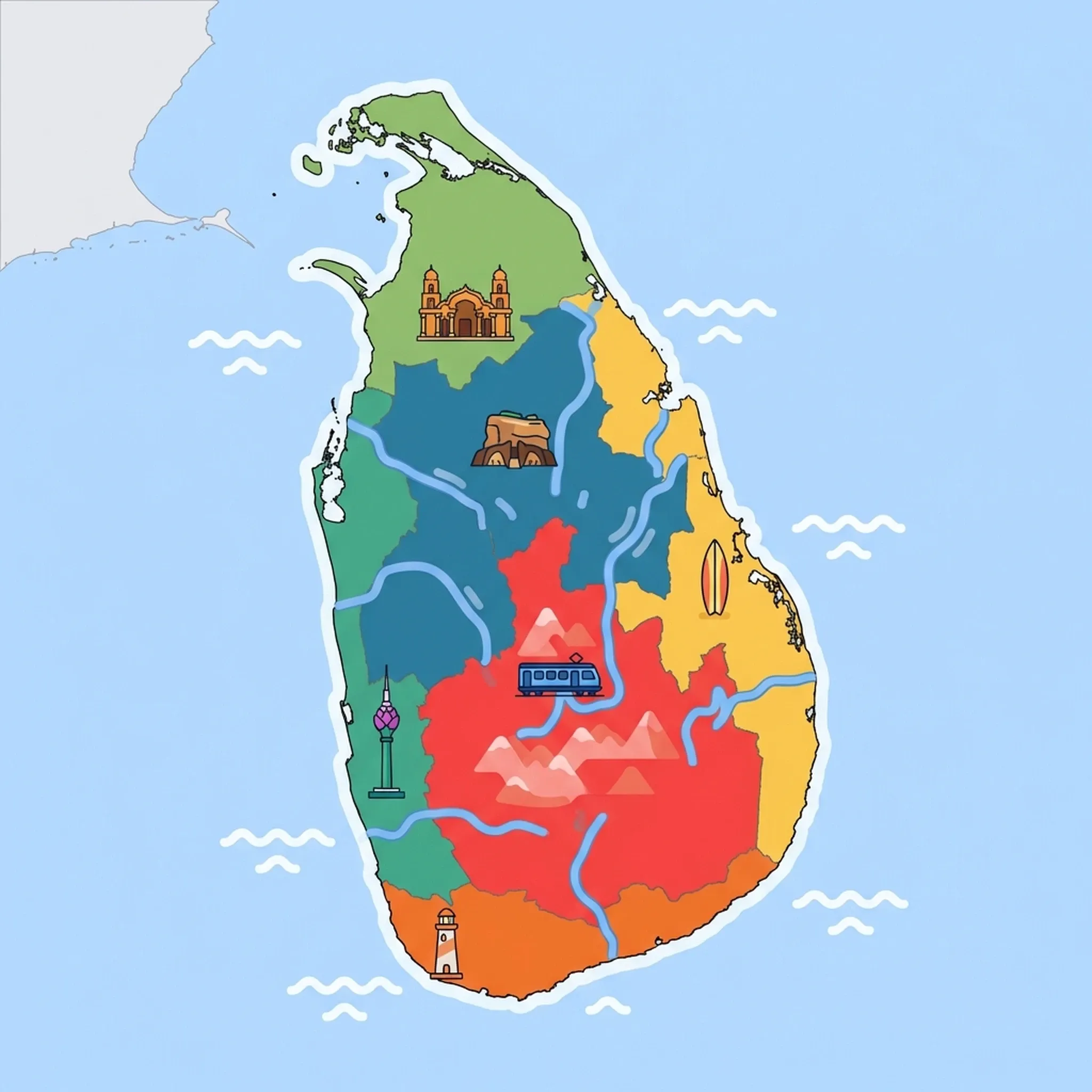
Click a region to explore
⚠️ SAFETY WARNING: Due to the legacy of the civil war and residual risks, government agencies (including CA, USA, UK, AU) advise caution when traveling to the Northern Province. While major tourist sites in Jaffna are generally considered safe, there are risks of unexploded ordnance (UXO) and landmines in remote, off-road areas and former conflict zones. Travelers should stick strictly to main roads and marked paths. Families are strongly urged to consult their own government's official travel advisory before considering a trip, as circumstances can change.
Jaffna and the North feel like a different country compared to the lush, Buddhist south. This is the cultural heartland of the Sri Lankan Tamils, a region that is dry, flat, and filled with palmyrah palms and colorful Hindu kovils (temples). For families, visiting the North is an educational journey. It offers a chance to see a society rebuilding and welcoming visitors with immense hospitality. The pace is slow, the streets are filled with cyclists, and the architecture retains a heavy colonial Dutch and British influence. It is less about 'attractions' and more about the atmosphere—the sound of temple bells, the smell of jasmine and incense, and the distinct taste of Jaffna cuisine.
The islands off the peninsula provide a unique adventure. Taking a rickety ferry to remote islands feels like true exploration. The landscape is harsh but beautiful, with coral walls fencing off home gardens and turquoise waters contrasting with the arid land. While tourism infrastructure is still developing (expect fewer luxury hotels and more guesthouses), this adds to the charm. It is a place for families who want to go beyond the postcard image of Sri Lanka and engage with its diversity. The people here are eager to share their stories, making it a deeply rewarding, if slightly more challenging, destination.
Key Attractions
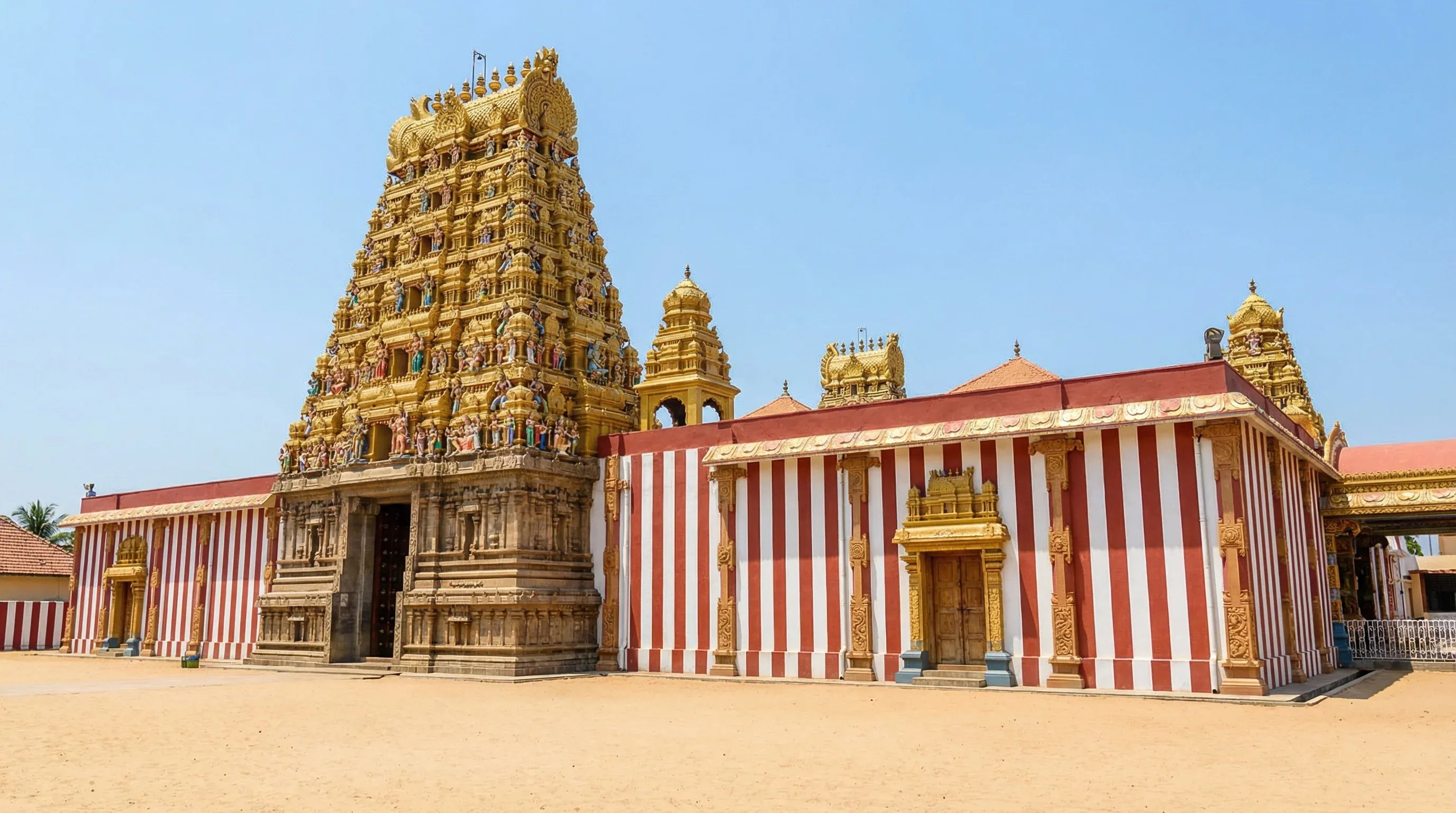
The Jaffna Fort is the best-preserved Dutch fort in Asia. Families can walk the star-shaped ramparts in the late afternoon, watching the sunset over the lagoon while kids explore the tunnels and ruins safely. It is a massive open space perfect for letting off steam. In the city center, the Nallur Kandaswamy Kovil is visually stunning with its golden ochre tower and candy-striped walls. It requires respectful attire (men must remove shirts), providing a solemn but colorful cultural lesson for children.
For a full day trip, a boat ride to Delft Island is unforgettable. Known for its population of wild horses (descendants of Dutch mounts) and a giant Baobab tree, it feels lost in time. The ferry ride itself is an experience, often shared with locals transporting goods. Nearby Nagadeepa Purana Viharaya on Nainativu island is a rare site where a prominent Buddhist temple and Hindu temple sit side by side, accessible only by boat, symbolizing the complex history of the nation.
Practical Advice
The North is incredibly hot. Sightseeing must be done before 10:00 am or after 4:00 pm. Dress conservatively; this is a traditional region, and modest clothing is appreciated everywhere, not just in temples. English is less widely spoken than in the south, but people are very helpful.
Food & Drink
Typical meal times: Lunch 12:00 pm to 2:00 pm. Dinner 7:30 pm to 9:00 pm. Ice cream parlors are popular in the evenings.
Typical meal costs: Very affordable. A high-end meal in Jaffna costs LKR 4,000–6,000 (approx. $13–20 USD / €12–18 EUR) for a family. Local thali meals are LKR 400–800 (approx. $1.30–2.60 USD / €1.20–2.50 EUR).
Dietary requirements: Excellent for vegetarians. Tamil cuisine is heavily plant-based. Be warned: Jaffna food is spicy. Always test a tiny amount before giving it to children.
Signature dishes:
- Jaffna Crab Curry – The region's most famous export. Blue swimmer crabs cooked in a dark, fiery roasted curry powder.
- Odiyal Kool – A thick, hearty seafood soup thickened with palmyrah root flour. It contains long beans, jackfruit seeds, and whatever seafood is fresh.
- Rio Ice Cream – Not a traditional dish, but a cultural institution. Their 'Special' is a glass filled with jelly, fruit, nuts, and multiple scoops of super-sweet ice cream.
Why this score?
Visiting the North is an adventure in cultural immersion, featuring remote islands like Delft where wild ponies roam and infrastructure is extremely basic. The lack of standard tourist amenities requires travelers to be more self-sufficient and adaptable to local conditions. The sense of isolation and the rugged, arid landscape make it the most 'off-the-beaten-path' experience in Sri Lanka.
Why this score?
While Jaffna has a major teaching hospital that has seen post-war investment, it remains basic compared to international standards. Most facilities are designed for local needs and may lack the amenities or insurance processing systems expected by foreign tourists. In the remote islands and northern peninsulas, medical access is almost non-existent for emergencies.
Why this score?
As a region that was inaccessible for decades due to conflict, the North remains Sri Lanka's least-visited area by international tourists. It lacks established resort infrastructure and is primarily visited by niche cultural travelers or members of the diaspora. It is an emerging destination that has not yet entered the mainstream international travel circuit.

Jaffna is significantly cheaper than the south. Accommodation is the main cost, with limited mid-range options. A good hotel room costs LKR 15,000–25,000 (approx. $50–85 USD / €45–75 EUR). Food and transport are very cheap. A 1km tuk-tuk ride might cost LKR 150 ($0.50 USD).
Family Travel Notice
Review specific requirements for travelling with minors and ensure all family members are enrolled in relevant safety notification programs.

Getting Here & Around
Getting Here
- Train – The 'Yal Devi' express train from Colombo to Jaffna takes about 7 hours. It is comfortable (AC available) and offers a fascinating transition from lush green to arid palmyrah landscapes.
- Driving – The drive via the A9 highway is long (8–9 hours from Colombo). It passes through the Elephant Pass, a narrow strip of land connecting the peninsula to the mainland.
- Air – Domestic flights (Cinnamon Air/FitsAir) are available from Colombo Ratmalana airport to Jaffna (Palaly), taking just 60 minutes.
Getting Around
- Tuk-Tuk – Plentiful in Jaffna town. Agree on a price before getting in as meters are less common than in Colombo.
- Private Driver – Essential for visiting remote areas like Point Pedro or the causeways connecting the islands.
- Bus/Ferry – The only way to reach islands like Delft Island. The ferries are basic (often converted fishing boats or Navy vessels), so prepare children for a rustic ride.
Nearby Airports (1 airport)
Kankesanturai
JAFJaffna
View full flight map for Sri Lanka →
Official Links

Packing List
Beaches here are used by locals; bikinis/speedos are culturally inappropriate.
Street lighting is sparse in rural areas and power cuts can happen; useful for island ferries.
The dry heat is deceptive and intense; dehydration happens faster here than the humid south.
ATMs are fewer outside Jaffna town; small shops often cannot change large notes.
You must remove shoes at temples, and the stone floors can be scorching hot or gravelly.
Dengue fever is a risk, so high-strength repellent is essential for the whole family.
Eating with your hands is common, and soap isn't always available at local eateries.
Roads in the hill country are extremely winding and can upset children's stomachs.
White is the respectful colour for temples, and clothes must cover shoulders and knees.
Sri Lanka uses a mix of plug types (D, G, and M), so a versatile adapter is crucial.

Activities & Best Times

Hiking, wildlife, outdoor exploration, ecotourism
While Delft Island and Manalkadu dunes are interesting, they don't reach the international significance of the Cultural Triangle's wildlife or South Coast's whale watching. 'Good' is more appropriate for authentic but regionally-focused nature experiences.

Beach resorts, marine activities: diving, snorkelling, kite surfing, wind surfing, sailing
Shallow, calm waters at Casuarina and Charty beaches provide a safe environment for families, though facilities are rustic rather than luxury-oriented. The dry season from February to August offers the clearest waters and most reliable beach conditions.

Urban tourism, museums, historical sites, architecture
Jaffna's Tamil heritage is unique and valuable, but 'very_good' places it too close to UNESCO-dense regions like Kandy and Galle. The cultural offerings, while distinctive, are more limited in scale. 'Good' better reflects its position as a significant but not internationally outstanding cultural destination.

Scenic drives, countryside tours, route-based travel
The A32 coastal highway and the scenic causeways connecting the Jaffna islands offer dramatic, remote landscapes ideal for family touring. Driving is best during the dry months to ensure safe road conditions and clear coastal views.

Sport tourism, fitness activities, active recreation
Flat terrain and scenic coastal roads make the Jaffna peninsula and Delft Island excellent for family cycling routes. The dry months provide the most comfortable conditions for active exploration without the disruption of monsoon rains.

Spa retreats, wellness centers, peaceful getaways
The Keerimalai Mineral Springs offer a culturally authentic and historic site for restorative bathing. While unique, it lacks the comprehensive infrastructure of dedicated international wellness retreats.

Amusement parks, family entertainment venues
MGM Water Park provides basic local-scale entertainment suitable for a quick family break. It is best visited during the long dry season, though it does not meet the standards of international destination theme parks.

Attractions (9 total)



Public Holidays & Calendar Next 12 months
Public holidays, festivals, cultural celebrations, and seasonal natural phenomena coming up in Northern Sri Lanka (Jaffna) over the next 12 months.
Loading holidays and events...

Travel Advisory
All major agencies recommend exercising increased caution or a high degree of vigilance. Primary concerns include civil unrest, the threat of terrorism, and localized safety risks.
Safety Topics
Traveller Advice (4 groups)

Ensure you have an Electronic Travel Authorization (ETA) before arrival and maintain situational awareness during festivals or near political gatherings.

Female travellers should be aware of reports of verbal and physical harassment, particularly on public buses and in crowded areas. It is recommended to dress conservatively and avoid travelling alone at night.

Same-sex sexual activity is technically criminalized under colonial-era laws, and while rarely prosecuted, LGBTQ+ individuals may face social stigma and discrimination.

Review specific requirements for travelling with minors and ensure all family members are enrolled in relevant safety notification programs.
Agency Summaries
While no nationwide travel ban is in place, visitors are warned of a heightened threat of terrorism and likely demonstrations. Staying alert in public spaces and monitoring local news is strongly advised.
Increased caution is recommended because of civil unrest, the risk of terrorism, and potential landmine hazards in specific northern regions. Demonstrations can occur unexpectedly and disrupt essential services.
A high level of caution is necessary due to the threat of public protests and ongoing security risks. Terrorist attacks remain a possibility, potentially targeting areas frequented by foreigners.
The country has stabilized but significant security concerns remain, including the risk of terrorism and civil unrest. Economic issues continue to cause sporadic shortages of some basic goods.
Vigilance is required regarding personal security and local political developments. Visitors should ensure they have proper electronic travel authorizations and remain aware of local safety conditions.
Travellers should remain highly vigilant due to frequent public demonstrations, a persistent threat of terrorist activity, and general crime. Particular care is advised in remote areas where landmines may still exist.
Information is provided for general guidance only and does not constitute travel, safety, medical, or legal advice. Conditions may change. Users are responsible for independently verifying information before travel.