
Red Sea Coast (Red Sea State)
Coral reefs and Ottoman ruins by the sea 🐠
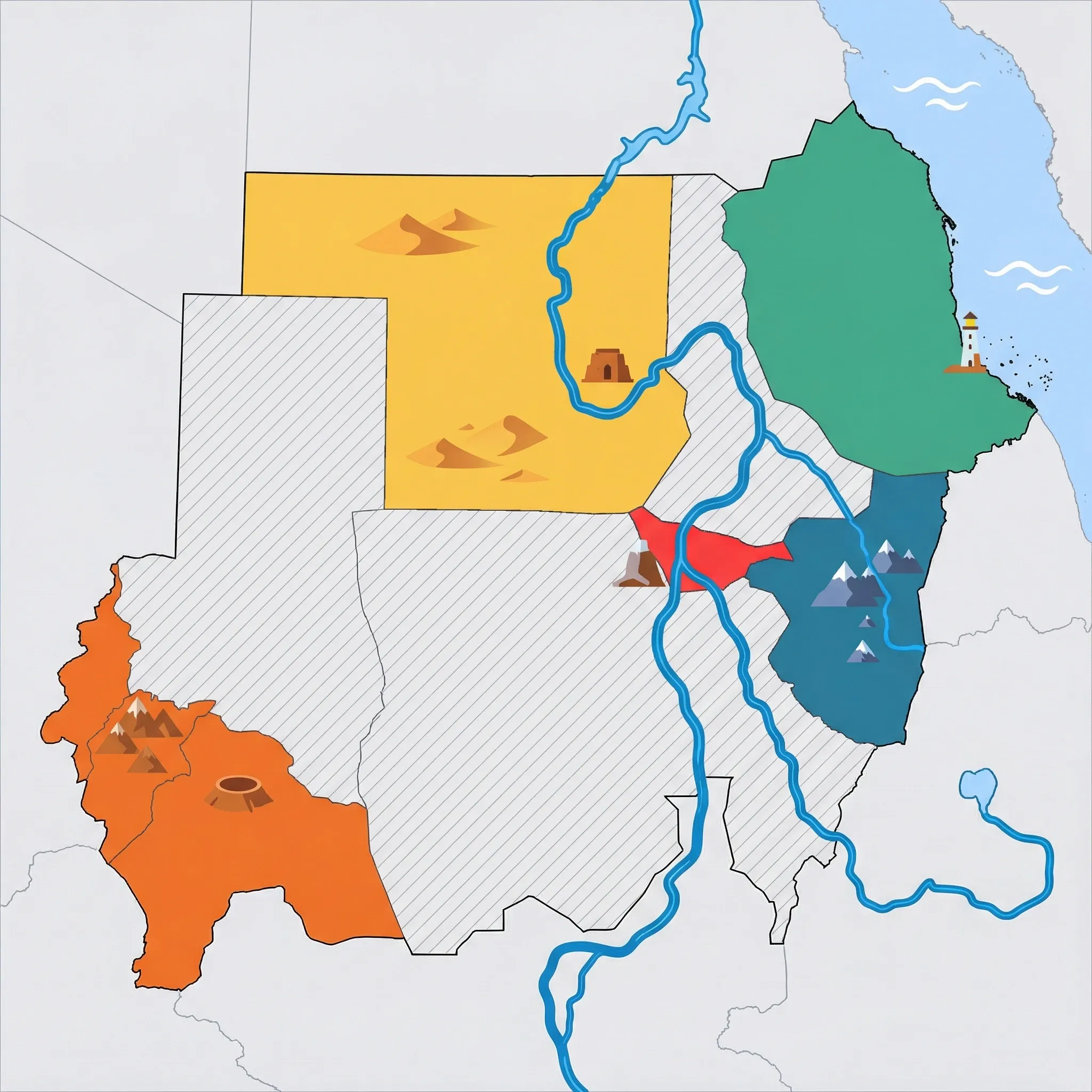
Click a region to explore
⚠️ SAFETY WARNING: While Port Sudan is currently the administrative hub and safer than Khartoum, government agencies (including CA, USA, UK, AU, IE, NZ) advise travelers to avoid all travel to Sudan. The situation is volatile, infrastructure is strained by displaced persons, and the conflict could spread. There is a high threat of terrorism and kidnapping in border areas.
Overview
Sudan's Red Sea Coast feels like a different country compared to the dusty interior. The air is humid, the vibe is relaxed, and the horizon is dominated by the blue expanse of the sea. Port Sudan, the regional capital, is a city of white colonial buildings and wide streets, where the evening activity revolves around the corniche. Families gather here to eat fresh fish, drink tea, and watch big ships dock. The coast is backed by the jagged Red Sea Hills, creating a dramatic backdrop to the coastal plain. Unlike the Nile Valley, the culture here is oriented towards the ocean, with a history of trade with Arabia and India.
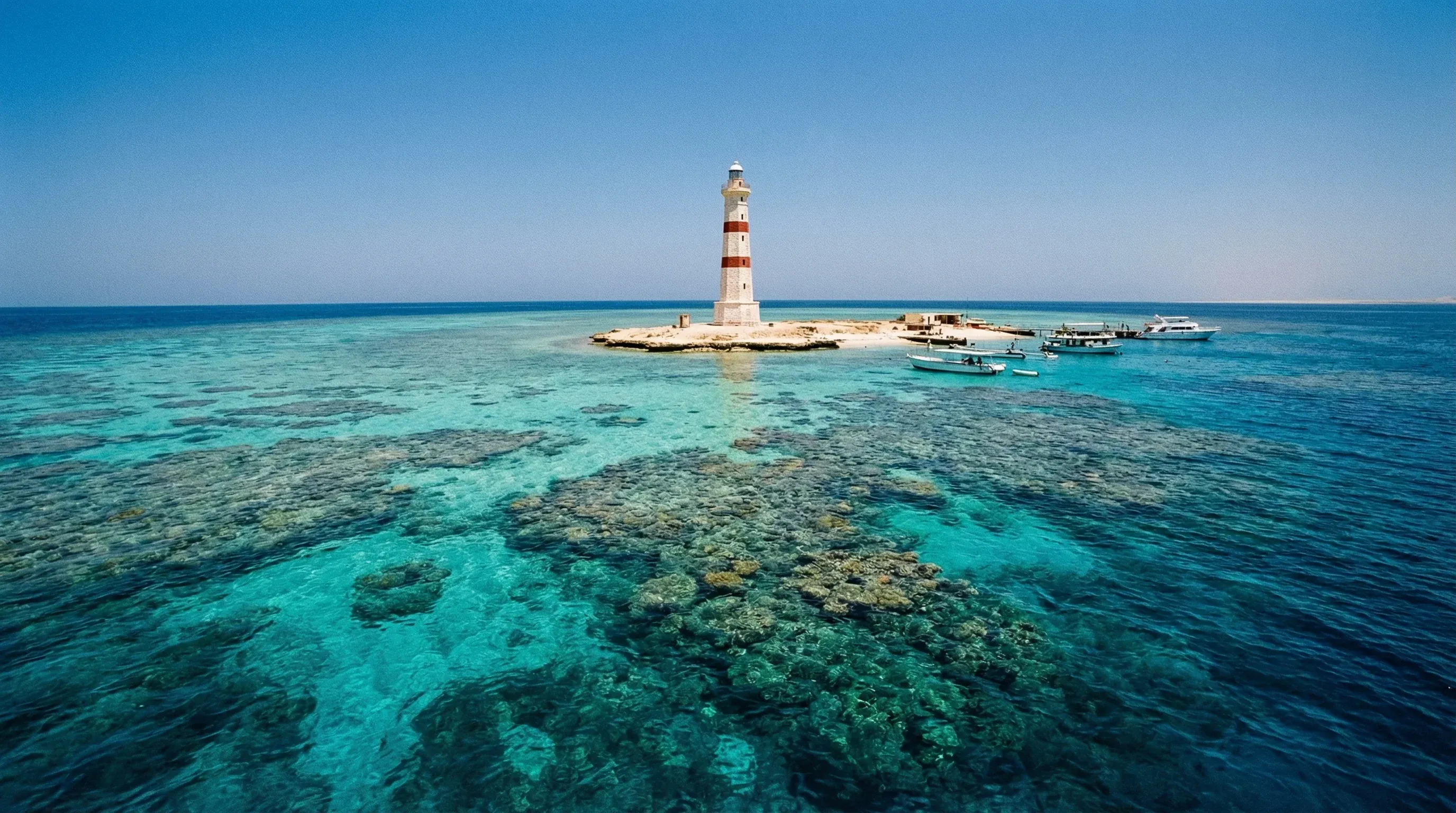
For nature lovers, this coastline is one of the last frontiers of unspoiled diving. The reefs here are far healthier and less crowded than those in Egypt. The water is teeming with hammerhead sharks, manta rays, and colorful coral gardens. South of the modern port lies the hauntingly beautiful city of Suakin. Once the main port for African pilgrims traveling to Mecca, it is now a crumbling island of coral-block buildings, slowly melting back into the sea. Walking through its deserted streets offers a poignant lesson in history and the rise and fall of empires.
Key Attractions
The Old City of Suakin is a must-visit. Connected to the mainland by a causeway, this "ghost city" features buildings made of coral stone with intricate carved wooden windows (roshan). It is atmospheric and tragic, best visited in the late afternoon light. Offshore, the Sanganeb Marine National Park is a UNESCO World Heritage site. It is a coral atoll with a functioning lighthouse that visitors can climb for a 360-degree view of the reef. The snorkeling here is accessible for older children and offers a chance to see dolphins and turtles in the wild.
Practical Advice
Best time to visit: October to April. Summers are punishingly hot and humid. The water is warm year-round.
Logistics: Port Sudan has an international airport (PZU) which is currently the main entry point for aid and limited flights. Ferries to Suakin Island are short local trips.
Food & Drink
Typical meal times: Lunch 1:00 pm to 3:00 pm; Dinner is late and long, often 9:00 pm to 11:00 pm outdoors.
Typical meal costs: Seafood is the main draw but can be pricey. A fish meal for a family costs SDG 15,000–24,000 (approx. $25–40 USD / €23–37 EUR).
Dietary requirements: Pescatarians will be in heaven. Vegetarians can rely on salads, ful, and bread, though options are fewer than in the interior.
Signature dishes:
- Samak – Fresh fish (usually grouper or emperor fish) grilled over charcoal or fried, served with lime and chili.
- Sijok – Highly spiced sausages, often served with eggs or in a sandwich, a legacy of the Ottoman influence.
- Gahwa – Coffee flavored with ginger and cardamom, essential for socialising on the corniche.
Why this score?
Diving in the Red Sea here is a serious undertaking involving remote atolls and liveaboard boats, while the Red Sea Hills provide rugged, sparsely populated terrain. The lack of commercialized coastal infrastructure increases the sense of isolation and adventure.
Why this score?
Port Sudan has better medical infrastructure than most of rural Sudan, including some facilities used by the shipping industry. However, specialized dive medicine and advanced trauma care are limited, necessitating caution for high-risk activities.
Why this score?
The region is world-renowned among the scuba diving community for its pristine reefs like Sanganeb, but visitor numbers remain low due to limited flight connectivity. Port Sudan and the ruins of Suakin offer historic interest that draws a small, steady stream of travelers.

Port Sudan is a commercial hub, so prices are higher than in rural areas but lower than pre-war Khartoum. Fresh seafood is the biggest expense but offers good value for quality. Hotel rates vary wildly due to the influx of NGOs and officials; a decent room might cost SDG 24,000–36,000 (approx. $40–60 USD / €37–55 EUR) per night.

Getting Here & Around
Getting Here
- Airports – Port Sudan New International Airport (PZU) is currently the only functioning international gateway, with limited flights to places like Cairo and Jeddah.
- Bus – Long-distance buses connect the coast to Kassala and Atbara, though travel times are long and checkpoints are frequent.
Getting Around
- Taxi – The main way to get around Port Sudan. Negotiate the price before getting in.
- Boat – Essential for reaching Sanganeb Marine National Park. Dive operators in Port Sudan organize day trips.
- Walking – The only way to explore the ruins of the Old City of Suakin is on foot, picking your way through the fallen coral blocks.
Nearby Airports (1 airport)
Port Sudan
PZUPort Sudan
View full flight map for Sudan →

Packing List
Hard to find locally; essential for protecting the pristine marine environment.
Rental equipment quality varies; bringing your own mask ensures a good fit.
The combination of high heat and high humidity leads to rapid dehydration.
For boat trips to Sanganeb and protecting against salt spray on the coast.
ATMs and cards do not work; notes must be post-2013 and unblemished to be exchanged.
Electricity cuts are frequent and can last for many hours or days.
Street lighting is non-existent in many areas and power outages are common.
Essential protection against sandstorms and dust, especially in the northern deserts.
Clean bottled water can be scarce in remote areas; tap water is generally unsafe.

Activities & Best Times

Hiking, wildlife, outdoor exploration, ecotourism
The Erkowit Mist Oasis and remote marine parks provide authentic wilderness experiences far from the commercial tourist trail. Exploration is limited to the winter months when temperatures allow for safe hiking and wildlife observation in the Red Sea Hills.

Beach resorts, marine activities: diving, snorkelling, kite surfing, wind surfing, sailing
Home to UNESCO-listed Sanganeb and Dungonab Bay, this region offers pristine marine biodiversity and world-class diving in an untouched environment. Peak travel aligns with milder winter temperatures, as the extreme summer heat makes coastal stays uncomfortable for international families.

Urban tourism, museums, historical sites, architecture
The historic coral city of Suakin offers a unique and authentic cultural heritage site, though it requires a high degree of travel independence. Visiting these ruins and the markets of Port Sudan is best during the cooler season to avoid the oppressive desert heat.

Scenic drives, countryside tours, route-based travel
Dramatic routes like the Sinkat Pass offer spectacular desert and mountain vistas as you ascend from the coast. The winter months provide the necessary visibility and safe operating temperatures for vehicles traversing these remote and arid landscapes.

Sport tourism, fitness activities, active recreation
The Erkowit Plateau offers specialized trail networks for hiking and cycling, though infrastructure is rudimentary. Active pursuits are only advisable during the narrow window of peak winter when physical exertion is sustainable in the heat.




Public Holidays & Calendar Next 12 months
Public holidays, festivals, cultural celebrations, and seasonal natural phenomena coming up in Red Sea Coast (Red Sea State) over the next 12 months.
Loading holidays and events...

Travel Advisory
All monitored agencies have issued their highest level of warning, advising against all travel due to extreme safety risks including active military conflict and severe civil instability.
Safety Topics
Traveller Advice (4 groups)

Personnel working for international aid organizations are being specifically targeted for violence and kidnapping; extreme caution and professional security coordination are mandatory.

There are disturbing reports of gender-based and sexual violence occurring within the context of the active military conflict.

Media professionals face a significant threat of detention, harassment, and arrest by various armed groups who view them as high-value targets.

Anyone currently in the country should consider immediate departure via safe commercial routes while they are still accessible. Individuals remaining should maintain an extensive supply of food, water, and essential medicine for prolonged periods of sheltering in place.
Agency Summaries
The Canadian government advises against any travel to the country due to the ongoing and violent military conflict, widespread civil disturbances, and a highly unstable safety environment.
New Zealanders are warned to completely avoid travel because of the high threat posed by armed conflict, kidnapping risks, and the near-total lack of official assistance.
U.S. authorities warn against all travel for any purpose because of extreme dangers including armed warfare, violent crime, kidnapping, terrorism, and significant health risks.
Irish citizens are directed not to travel to the country at this time, as the security environment is considered extremely volatile due to active military clashes and violence.
British officials strictly advise against visiting any part of the nation because of the hazardous military situation and the lack of diplomatic support available to citizens.
Australia urges its citizens to avoid all travel to the region, citing an extremely dangerous security climate characterized by armed hostilities and a high likelihood of civil unrest.
Information is provided for general guidance only and does not constitute travel, safety, medical, or legal advice. Conditions may change. Users are responsible for independently verifying information before travel.