
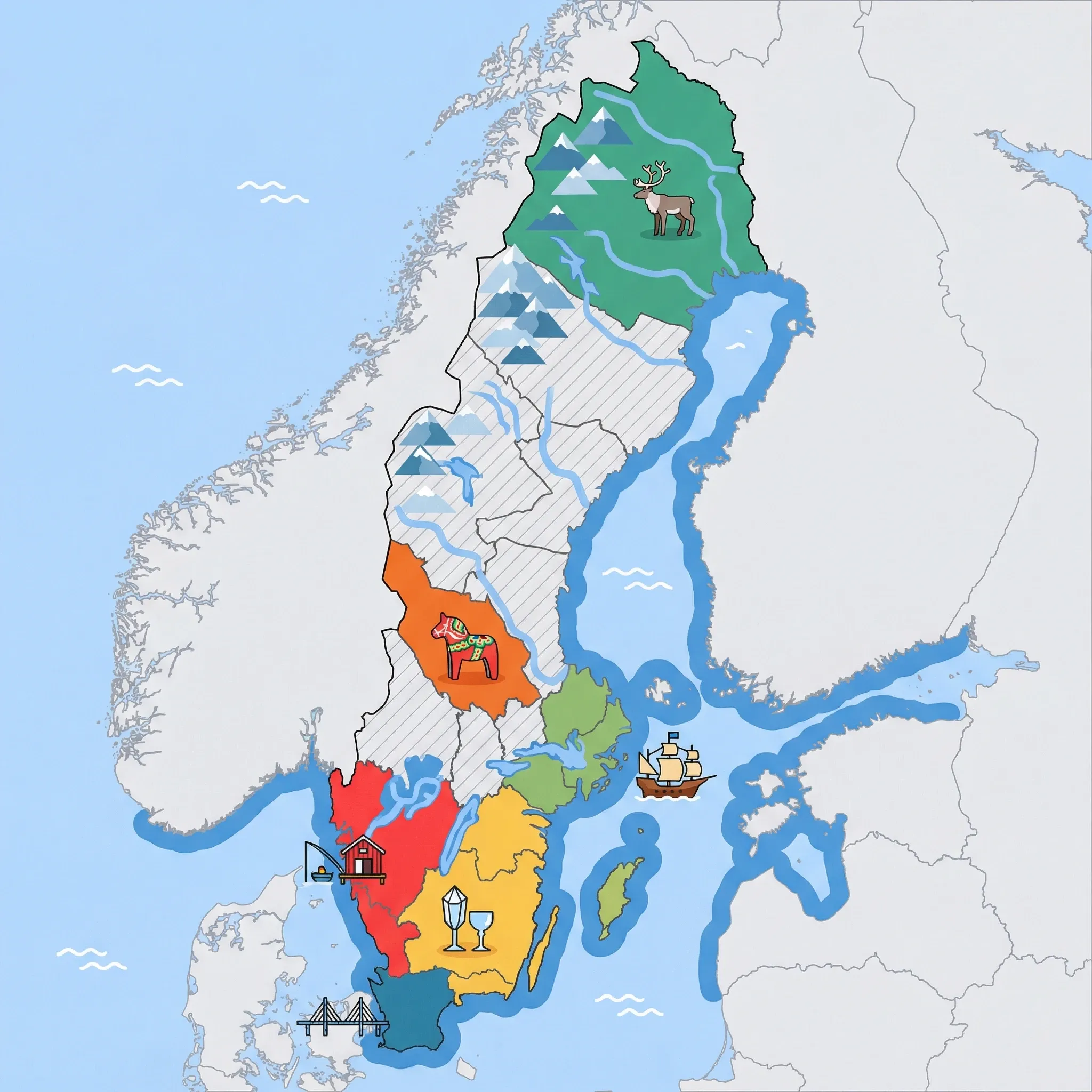
Click a region to explore
Dalarna is often described as the most "Swedish" of all Swedish regions, a place where the Dala horse (Dalahäst) symbol was born and where folk traditions are kept alive with genuine pride. For families, this region offers a wholesome, back-to-nature escape that feels like stepping into a storybook illustration. The landscape is dominated by the majestic Lake Siljan, formed by a meteorite impact millions of years ago, which creates a stunning blue centerpiece surrounded by rolling green hills and deep pine forests. The distinct red log cabins (painted with the famous Falu Red paint) dot the landscape, creating a picturesque setting that appeals to parents while the abundance of outdoor activities keeps children endlessley entertained.
Culturally, Dalarna is the heartland of Swedish folklore. In the summer, it is the epicenter of Midsummer celebrations, where families gather to raise maypoles and dance to fiddle music. In the winter, the region transforms into a snowy wonderland, home to the endpoint of the famous Vasaloppet ski race and the vast ski resorts of Sälen. The atmosphere here is slower and more traditional than Stockholm; it is a place where you can rent a lakeside cabin, go berry picking in the woods, and let children run free in a safe, clean environment. The air is fresh, the water in the lakes is drinkable, and the focus is firmly on family time and outdoor recreation.
Key Attractions
Dalarna is packed with attractions that cater specifically to young imaginations. A highlight for many is Tomteland (Santaworld) located near Mora. Unlike commercialized theme parks, this is an immersive theatre park set deep in the forest where children interact with trolls, fairies, witches, and, of course, Santa Claus himself, amidst log cabins and magical trails. It is an enchanting experience that focuses on Nordic mythology rather than plastic rides. For a mix of history and adventure, a visit to the Falun Mine (Falu Gruva) is essential. This UNESCO World Heritage site offers guided tours specifically designed for families (often called "Little Miner" tours) where kids can wear helmets and capes to descend into the mine, learning about the legend of the Christmas Goat and the Copper Dragon.
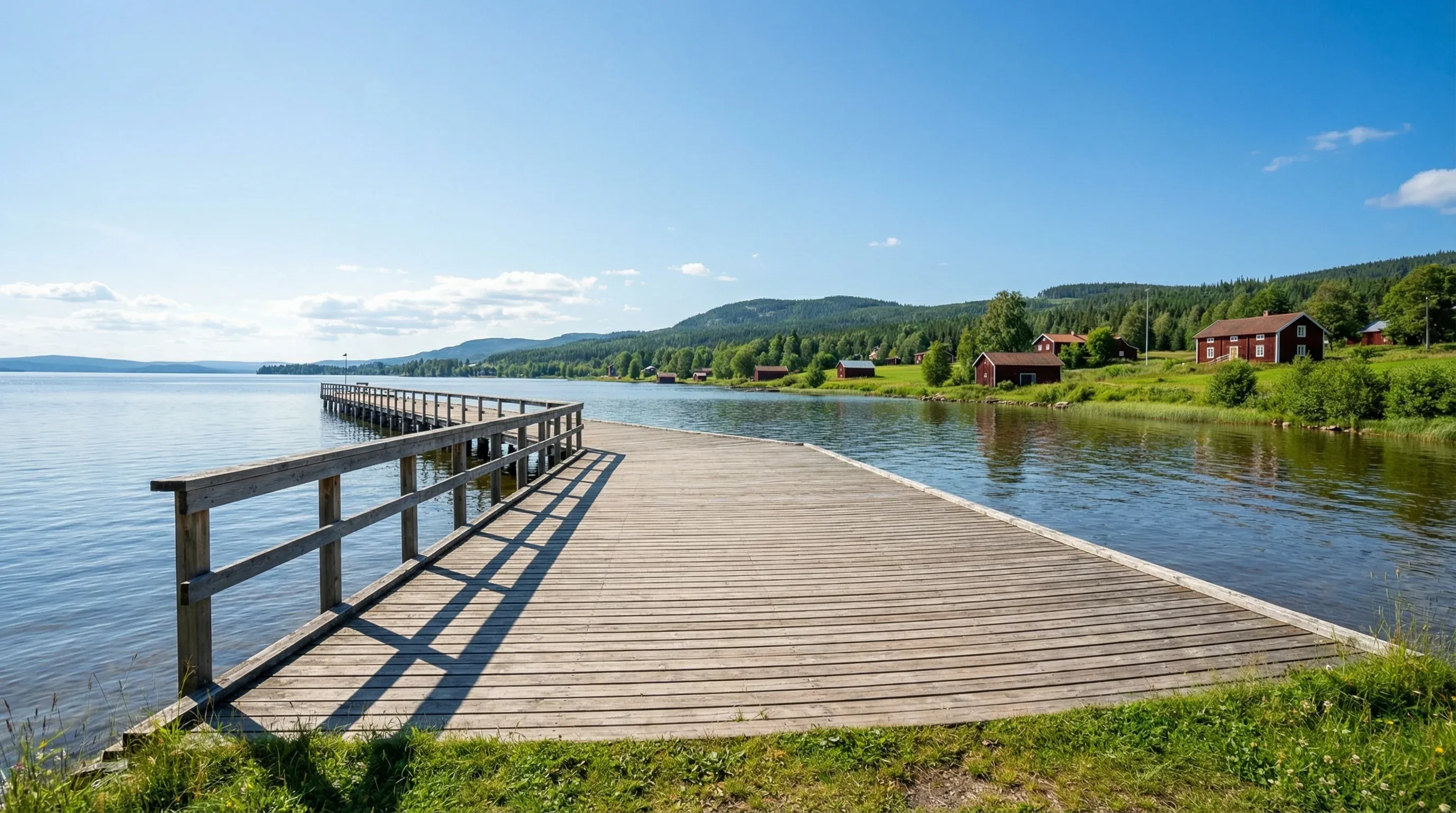
Nature lovers should head to Fulufjället National Park to see Njupeskär, Sweden's highest waterfall. The hike to the falls is accessible for active children and passes through ancient forests that feel prehistoric. In the summer, the long pier at Rättviksbadet and Långbryggan allows families to walk over 600 meters out into Lake Siljan, and the shallow, sandy bottom makes it one of the safest freshwater swimming spots for toddlers in the country. For a unique cultural experience, Dalhalla—an open-air limestone quarry turned amphitheatre—is a spectacular sight, though check the schedule for family-friendly concerts.
Practical Advice
Summer (mid-June to August) is the prime time for lakeside activities, swimming, and visiting open-air museums. However, Dalarna is also Sweden's premier family winter destination (December to April) for skiing in Sälen. If visiting for Midsummer (late June), you must book accommodation 6-9 months in advance as it is the busiest weekend of the year. A car is virtually essential for exploring the "Siljan Ring" road around the lake, as bus services between the smaller villages can be infrequent.
Food & Drink
Typical meal times: Lunch is typically served from 11:30 am to 1:30 pm. Dinner in rural areas is eaten relatively early, often between 5:30 pm and 7:30 pm, and kitchens may close by 8:30 pm in smaller towns.
Typical meal costs: Dining is moderately priced. A main course in a family restaurant costs 150–280 SEK (approx. $14–26 USD / €13–24 EUR). Kids' menus are usually 75–110 SEK (approx. $7–10 USD / €6–9 EUR).
Dietary requirements: Swedes are very accommodating with allergies. Gluten-free and lactose-free options are standard even in small cafés. Vegetarian food is widely available, though vegan options might be limited to one or two choices in rural village inns.
Signature dishes:
- Falukorv – A large, U-shaped smoked pork sausage from Falun. It is a staple of Swedish home cooking, mild in flavour and beloved by children, often served baked with mashed potatoes.
- Rättviksglass – A famous local ice cream brand known for its creamy texture and traditional flavours like cloudberry and elderflower.
- Leksands Knäckebröd – Traditional crispbread baked in Leksand. The triangular wedges are served with almost every meal in the region.
- Tuttul – A soft flatbread from the Siljan area, usually flavoured with aniseed and served rolled up with butter.
Why this score?
The region offers accessible outdoor recreation including skiing in Sälen and hiking in Fulufjället National Park. While the terrain is hilly and forested, the infrastructure is highly developed for families, making it more of a recreational hub than a rugged wilderness.
Why this score?
Medical services are high-quality with modern regional hospitals in Falun and Mora that are well-equipped to handle tourists. Staff speak excellent English, though emergency response times can be longer in the more remote forested areas compared to the urban south.
Why this score?
Dalarna is the cultural heartland of Sweden, drawing significant domestic crowds and a steady stream of European visitors seeking the quintessential 'red cottage' experience. While it lacks the massive international numbers of Stockholm, its folklore traditions and the popularity of the Sälen ski area ensure it remains a well-known regional destination.

Dalarna is generally cheaper than Stockholm but prices rise during peak ski season (February-Easter) and Midsummer week. A comfortable family cabin rental costs 1,200–2,000 SEK (approx. $110–185 USD / €105–175 EUR) per night. Lunch specials (Dagens Rätt) are good value at 110–140 SEK (approx. $10–13 USD / €9–12 EUR).
Family Travel Notice
Sweden has exceptionally strict laws prohibiting all forms of corporal punishment. Any physical discipline or even the threat of it can lead to legal prosecution and the removal of children by local social authorities.

Getting Here & Around
Getting Here
- Train – Direct trains run from Stockholm Central to Falun, Rättvik, and Mora. The journey to Mora takes approximately 3.5 to 4 hours and passes through scenic forests.
- Driving – Dalarna is a roughly 3.5 to 4-hour drive northwest from Stockholm via the E18 and Route 70. The drive is easy and scenic.
- Airports – The nearest major international hub is Stockholm Arlanda (ARN). There is a small regional airport in Mora-Siljan, but flights are limited.
Getting Around
- Car – Highly recommended. To properly explore the Siljansringen (The Siljan Ring) and reach attractions like the bear park or remote nature reserves, you need a vehicle.
- Bus – Dalatrafik operates regional buses. They are reliable and clean but can be infrequent in rural areas, especially on weekends.
- Cycling – The region is excellent for cycling, with many dedicated paths around Lake Siljan and mountain biking trails in Sälen.
Nearby Airports (1 airport)
Scandinavian Mountains Airport
SCRSalen
View full flight map for Sweden →
Official Links

Packing List
Forests and tall grass in central Sweden have a high population of ticks in summer.
Essential for summer evenings near the lakes and in the forests.
Summer nights are very bright; cabins often have thin curtains.
Many Swedish cabins (stugor) do not include linens; you must rent them or bring your own.
Summer nights are extremely bright (nearly 24h daylight in the north), making it hard for kids to sleep.
Ticks are very common in Swedish grass and forests; quick removal is essential to prevent Lyme/TBE.
Tap water is pristine and free everywhere; buying bottled water is unnecessary and expensive.
Many bathing spots, especially on the West Coast, have rocky granite shores rather than sandy beaches.
Essential for a Swedish 'fika' (coffee/hot chocolate break) outdoors in the forest or park.

Activities & Best Times

Hiking, wildlife, outdoor exploration, ecotourism
Authentic Swedish wilderness centered around Lake Siljan with iconic trail systems like the Siljansleden. Summer offers optimal hiking conditions, while autumn provides stunning foliage before trails become inaccessible due to snow and mud.

Urban tourism, museums, historical sites, architecture
Rich heritage featuring the UNESCO-listed Falun Mine and the globally significant Carl Larsson-gården. Summer is peak for gardens and traditional Swedish culture, while December offers authentic Christmas heritage.

Sport tourism, fitness activities, active recreation
Excellent infrastructure for active families, including the world-class Sälen Bike Park and the dedicated 90km Vasaloppet trail for cycling and running. Summer months provide the best conditions for utilizing these purpose-built sports facilities.

Learning experiences, scientific sites, historical education
Strong historical and scientific engagement at the 2047 Science Center and the Falun Mine Discovery Centre. These facilities provide world-class insights into industrial heritage and natural sciences, primarily visited during the summer tourist window.

Scenic drives, countryside tours, route-based travel
The Siljan Ring and Copper Trail offer scenic drives through quintessential Swedish countryside and traditional red-timbered villages. Peak accessibility and visibility occur during the long days of summer and the clear skies of early autumn.

Winter sports, ski resorts, snow activities
Home to the Sälen ski area, the most popular family-oriented winter sports destination in Scandinavia. The peak season aligns with reliable snow cover and school holidays, with spring skiing available in April.
Amusement parks, family entertainment venues
Distinctive family attractions like Tomteland (Santaworld) and the high-end Experium aquatic center. July and December are peak periods for seasonal themes, while the ski season months provide high demand for indoor water parks.

Events, celebrations, seasonal attractions
Hosts the world-renowned Vasaloppet cross-country race in March and the most traditional Midsummer celebrations in Sweden in June. December offers significant cultural value through traditional Santa Claus themes and Lucia festivals.

Attractions (26 total)



Public Holidays & Calendar Next 12 months
Public holidays, festivals, cultural celebrations, and seasonal natural phenomena coming up in Dalarna over the next 12 months.
Loading holidays and events...

Travel Advisory
While several agencies recommend normal precautions, a significant number of others have elevated their warnings due to credible threats of terrorism and a rise in urban gang violence. Travellers should exercise increased vigilance, especially in major cities.
Safety Topics
Traveller Advice (3 groups)
Sweden has exceptionally strict laws prohibiting all forms of corporal punishment. Any physical discipline or even the threat of it can lead to legal prosecution and the removal of children by local social authorities.
Travellers visiting remote Arctic regions should be prepared for extreme weather and limited access to search and rescue services. Emergency medical evacuations in these areas can be delayed by several days.

Sweden is a highly progressive society where same-sex relationships are legal and social acceptance is very high. No specific safety concerns for this group have been identified.
Agency Summaries
The advisory level was recently lowered to the baseline, though travelers are still urged to be cautious of the 'elevated' national terrorism threat level and common petty crime.
Heightened vigilance is recommended because of the threat of terrorism. Extremist groups continue to target public spaces, transit hubs, and tourist locations with little to no warning.
Visitors should follow standard safety protocols, stay informed of local news, and be aware of their surroundings in crowded areas where petty theft may occur.
While no specific travel restrictions are in place, there is a persistent threat of terrorism and reports of organized crime activity in larger cities like Stockholm and Gothenburg.
Safety and security concerns are higher than in New Zealand, primarily due to the threat of terrorism and incidents of violent organized crime in major metropolitan regions.
Travellers should remain highly vigilant due to the ongoing risk of terrorist attacks and a significant increase in gang-related violence, including shootings and the use of explosives in major urban areas.
Information is provided for general guidance only and does not constitute travel, safety, medical, or legal advice. Conditions may change. Users are responsible for independently verifying information before travel.