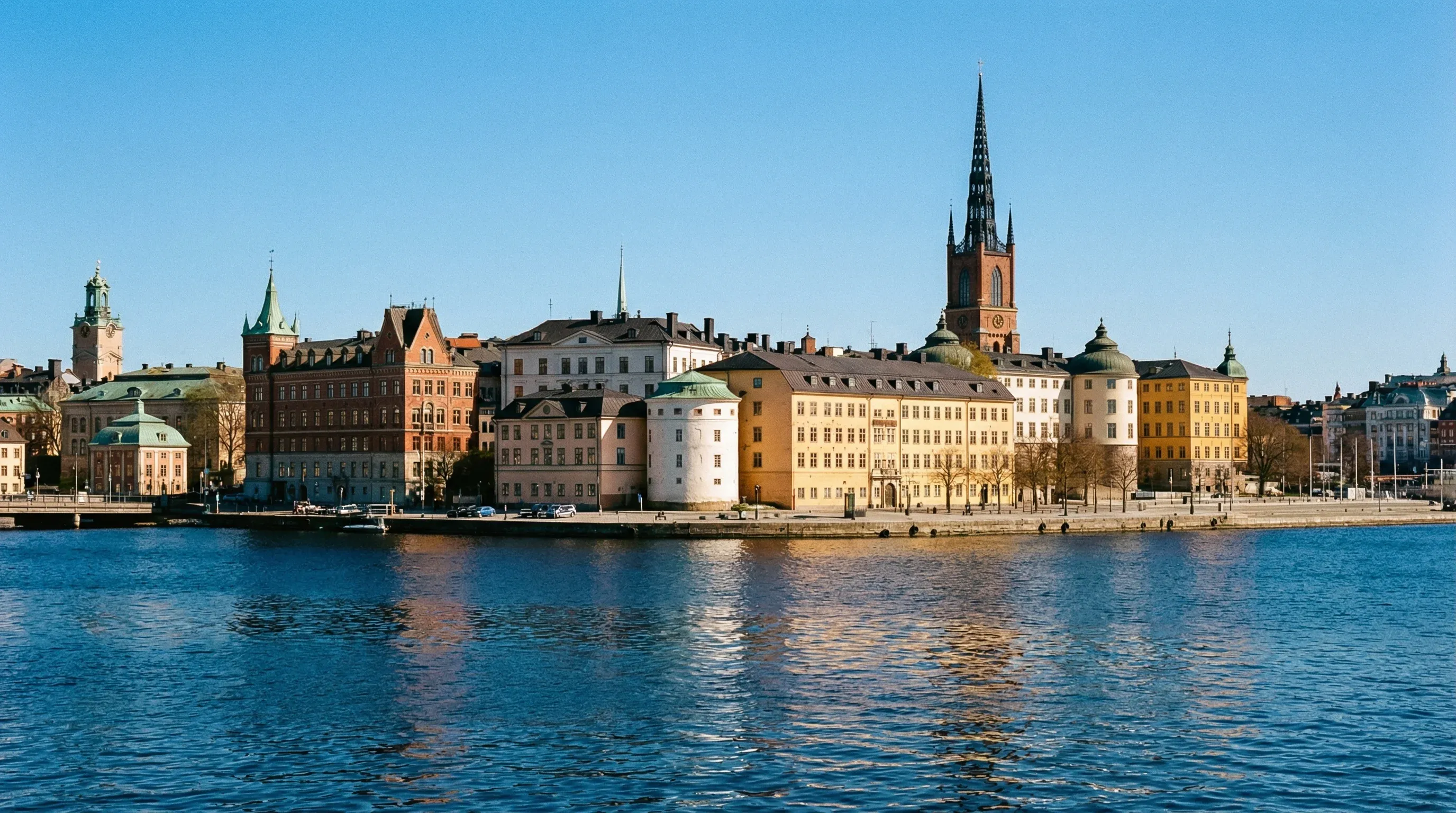

Stockholm & Archipelago
The capital on the water where city meets nature 👑🚤
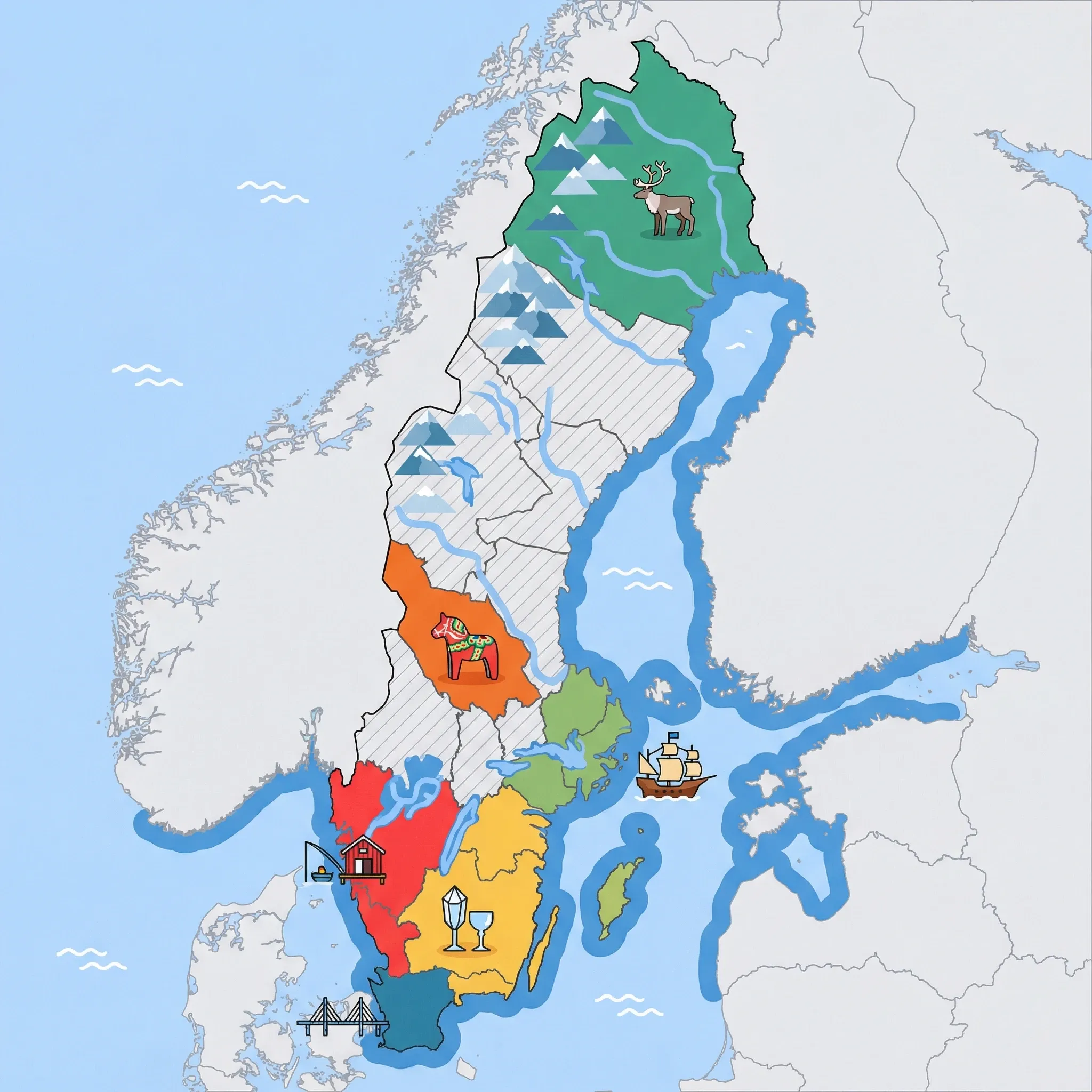
Click a region to explore
Stockholm is widely considered one of the most beautiful capitals in the world, and it is exceptionally well-designed for families. Known as the "Venice of the North," the city is built on 14 islands connected by 57 bridges, meaning water is everywhere. For a major metropolis, the air is clean, the streets are safe, and green space is abundant. The city centre is compact and walkable, with the medieval alleyways of Gamla Stan (Old Town) providing a Harry Potter-esque atmosphere that captures children's imaginations. Unlike many capitals where kids are tolerated, here they are welcomed; almost every museum has a dedicated children's section, stroller ramps are ubiquitous, and buses are free for anyone with a stroller.
To the east lies the Stockholm Archipelago, a vast fan of 30,000 islands, skerries, and rocks stretching into the Baltic Sea. This is the locals' playground. A short ferry ride transforms the vibe from urban chic to rugged nature. Families can swim from smooth rocks, picnic on uninhabited islands, or stay in red cottages by the water. The combination of world-class cultural attractions in the city and raw wilderness just an hour away makes this region unique. Whether it's exploring a 17th-century warship or kayaking in the archipelago, the variety of experiences is unmatched.
Key Attractions
The island of Djurgården is the family hub of Stockholm. Here you find Gröna Lund, a historic amusement park on the water's edge with rides for all ages. While on Djurgården, families can also visit the open-air museum Skansen (home to Nordic animals and history) and the Junibacken storybook museum (dedicated to Astrid Lindgren). For science lovers, the National Museum of Science and Technology (Tekniska museet) is a standout, featuring the "MegaMind" hands-on discovery centre where kids can paint with their eyes and make music with their bodies.
A boat trip is mandatory in Stockholm. Take a historic steamer across Lake Mälaren to Drottningholm Palace, the private residence of the Royal Family. The palace grounds are perfect for a picnic, and the Drottningholm Palace Gardens feature a "Chinese Pavilion" that feels like a fantasy building. For an easy archipelago experience, take a boat to Grinda Nature Reserve or the fortress town of Vaxholm. Back in the city, if the weather is hot, head to Eriksdalsbadet, a massive swimming complex with outdoor pools and slides.
Practical Advice
Stockholm is a year-round destination, but for the archipelago, June to August is best. The "Stockholm Pass" can save money if you plan to visit many museums. Public transport is cashless; you tap your credit card or use an app. Be aware that many museums are closed on Mondays. Accommodation in the city centre is pricey; consider staying slightly outside near a Tunnelbana (metro) station like Bromma or Hammarby Sjöstad for better value.
Food & Drink
Typical meal times: Lunch 11:00 am to 1:30 pm (office workers eat early). Dinner 6:00 pm to 9:30 pm. Brunch is very popular on weekends.
Typical meal costs: High. A main course is 200–350 SEK (approx. $19–33 USD / €17–30 EUR). Pizza/Burgers are around 140–180 SEK (approx. $13–17 USD / €12–15 EUR). Tap water is always free and delicious.
Dietary requirements: Exceptional. Gluten-free, lactose-free, and vegan options are standard everywhere, including theme parks and kiosks.
Signature dishes:
- Swedish Meatballs (Köttbullar) – The real deal, smaller and tastier than IKEA's, served with cream sauce, lingonberries, and pickled cucumber.
- Toast Skagen – A luxurious appetizer of prawns, mayonnaise, dill, and lemon on butter-fried toast, often topped with fish roe.
- Strömming – Fried Baltic herring, often served on knäckebröd (crispbread) with mashed potatoes at street stalls (look for "Nystekt Strömming" in Slussen).
- Kanelbulle – Cinnamon bun. In Stockholm, cardamom buns (Kardemummabulle) are arguably even more popular.
Why this score?
While the archipelago offers island-hopping and sailing, the region is highly organized with efficient ferry networks and luxury amenities. Most 'adventure' here is light recreation within a safe, urban-adjacent environment that requires little specialized skill.
Why this score?
Stockholm provides top-tier medical services with several world-renowned hospitals and specialized clinics. International insurance is seamlessly processed, and the high concentration of English-speaking staff makes it exceptionally accessible for foreign families.
Why this score?
As the primary gateway to Sweden, Stockholm is a major global city destination comparable to Edinburgh or Prague. Its mix of world-class museums like the Vasa and the unique 30,000-island archipelago ensures a massive and consistent flow of international tourists year-round.

Stockholm is one of Europe's more expensive capitals. A mid-range family hotel room is 1,800–3,000 SEK (approx. $170–280 USD / €160–260 EUR). However, many museums (like the National Museum) are free for under-19s, and parks/playgrounds are world-class and free.
Family Travel Notice
Sweden has exceptionally strict laws prohibiting all forms of corporal punishment. Any physical discipline or even the threat of it can lead to legal prosecution and the removal of children by local social authorities.

Getting Here & Around
Getting Here
- Airports – Stockholm Arlanda (ARN) is the main hub. The Arlanda Express train reaches the city in 18 minutes. Bromma (BMA) is closer but smaller. Skavsta (NYO) is far (80 mins) and used by budget airlines.
- Train – Stockholm Central is the hub for all Scandinavian rail. High-speed trains arrive from Gothenburg, Malmö, and Oslo.
- Ferry – Large cruise ferries arrive daily from Helsinki, Tallinn, and Riga, docking near the city centre.
Getting Around
- Public Transport – SL runs an excellent network of Metro (Tunnelbana), buses, trams, and commuter ferries. Adults with a stroller ride free on buses (board via middle doors).
- Ferry – Waxholmsbolaget runs the archipelago boats. Use your SL card for city ferries (like to Djurgården).
- Walking – The city is very walkable, but the cobblestones in Gamla Stan can be bumpy for lightweight strollers.
Nearby Airports (3 airports)
Stockholm Arlanda Airport
ARNStockholm
Bromma
BMAStockholm
Vasteras
VSTStockholm
View full flight map for Sweden →

Packing List
Stockholm hotels often have light curtains, and the sun rises at 3:30 am in June.
You will walk kilometres daily; Gamla Stan cobbles destroy flimsy sandals.
Tap water is excellent; buying bottled water is expensive and socially frowned upon.
Even in July, evenings by the water can get chilly quickly.
Ticks are very common in Swedish grass and forests; quick removal is essential to prevent Lyme/TBE.
Tap water is pristine and free everywhere; buying bottled water is unnecessary and expensive.
Many bathing spots, especially on the West Coast, have rocky granite shores rather than sandy beaches.
Essential for a Swedish 'fika' (coffee/hot chocolate break) outdoors in the forest or park.

Activities & Best Times

Urban tourism, museums, historical sites, architecture
A premier European capital with world-class heritage sites including royal palaces and the unique Vasa Museum, particularly vibrant during summer and the festive December season.

Hiking, wildlife, outdoor exploration, ecotourism
Features an exceptional blend of urban proximity and wild exploration in the archipelago and local reserves like Hellasgården, with Skansen providing a world-class open-air natural experience.

Learning experiences, scientific sites, historical education
Home to significant institutions like the Swedish Museum of Natural History and the Baltic Sea Science Center, offering sophisticated interactive learning throughout the year.

Sport tourism, fitness activities, active recreation
Boasts extensive, well-maintained trail networks like the Sörmlandsleden for hiking and cycling, integrated with excellent urban sporting infrastructure.

Beach resorts, marine activities: diving, snorkelling, kite surfing, wind surfing, sailing
The Stockholm Archipelago offers a unique granite-island coastal experience with pristine waters, though the swimming season is short and restricted to the peak of summer.

Spa retreats, wellness centers, peaceful getaways
Historic bathhouses like Centralbadet (1904) and Sturebadet are significant wellness attractions offering authentic Swedish spa culture. 'Marginal' understates their quality and heritage value.

Scenic drives, countryside tours, route-based travel
Celebrated scenic routes such as the Lake Mälaren Castle Route provide sophisticated driving tours through royal landscapes and coastal scenery during the summer months.
Amusement parks, family entertainment venues
Gröna Lund offers a classic, high-quality seaside amusement experience, while Junibacken provides a unique, world-class immersive journey into children's literature.

Events, celebrations, seasonal attractions
Host to globally recognized events like Midsummer at Skansen and Nobel Week, though these are highly time-specific and appeal to travelers seeking those exact dates.

Winter sports, ski resorts, snow activities
Offers unique 'urban skiing' at Hammarbybacken, providing a novelty experience for families, though it lacks the scale of major international alpine destinations.

Attractions (36 total)



Public Holidays & Calendar Next 12 months
Public holidays, festivals, cultural celebrations, and seasonal natural phenomena coming up in Stockholm & Archipelago over the next 12 months.
Loading holidays and events...

Travel Advisory
While several agencies recommend normal precautions, a significant number of others have elevated their warnings due to credible threats of terrorism and a rise in urban gang violence. Travellers should exercise increased vigilance, especially in major cities.
Safety Topics
Traveller Advice (3 groups)
Sweden has exceptionally strict laws prohibiting all forms of corporal punishment. Any physical discipline or even the threat of it can lead to legal prosecution and the removal of children by local social authorities.

Travellers visiting remote Arctic regions should be prepared for extreme weather and limited access to search and rescue services. Emergency medical evacuations in these areas can be delayed by several days.

Sweden is a highly progressive society where same-sex relationships are legal and social acceptance is very high. No specific safety concerns for this group have been identified.
Agency Summaries
The advisory level was recently lowered to the baseline, though travelers are still urged to be cautious of the 'elevated' national terrorism threat level and common petty crime.
Heightened vigilance is recommended because of the threat of terrorism. Extremist groups continue to target public spaces, transit hubs, and tourist locations with little to no warning.
Visitors should follow standard safety protocols, stay informed of local news, and be aware of their surroundings in crowded areas where petty theft may occur.
While no specific travel restrictions are in place, there is a persistent threat of terrorism and reports of organized crime activity in larger cities like Stockholm and Gothenburg.
Safety and security concerns are higher than in New Zealand, primarily due to the threat of terrorism and incidents of violent organized crime in major metropolitan regions.
Travellers should remain highly vigilant due to the ongoing risk of terrorist attacks and a significant increase in gang-related violence, including shootings and the use of explosives in major urban areas.
Information is provided for general guidance only and does not constitute travel, safety, medical, or legal advice. Conditions may change. Users are responsible for independently verifying information before travel.