
Bernese Oberland
The ultimate Alpine playground for little adventurers 🏔️🚂
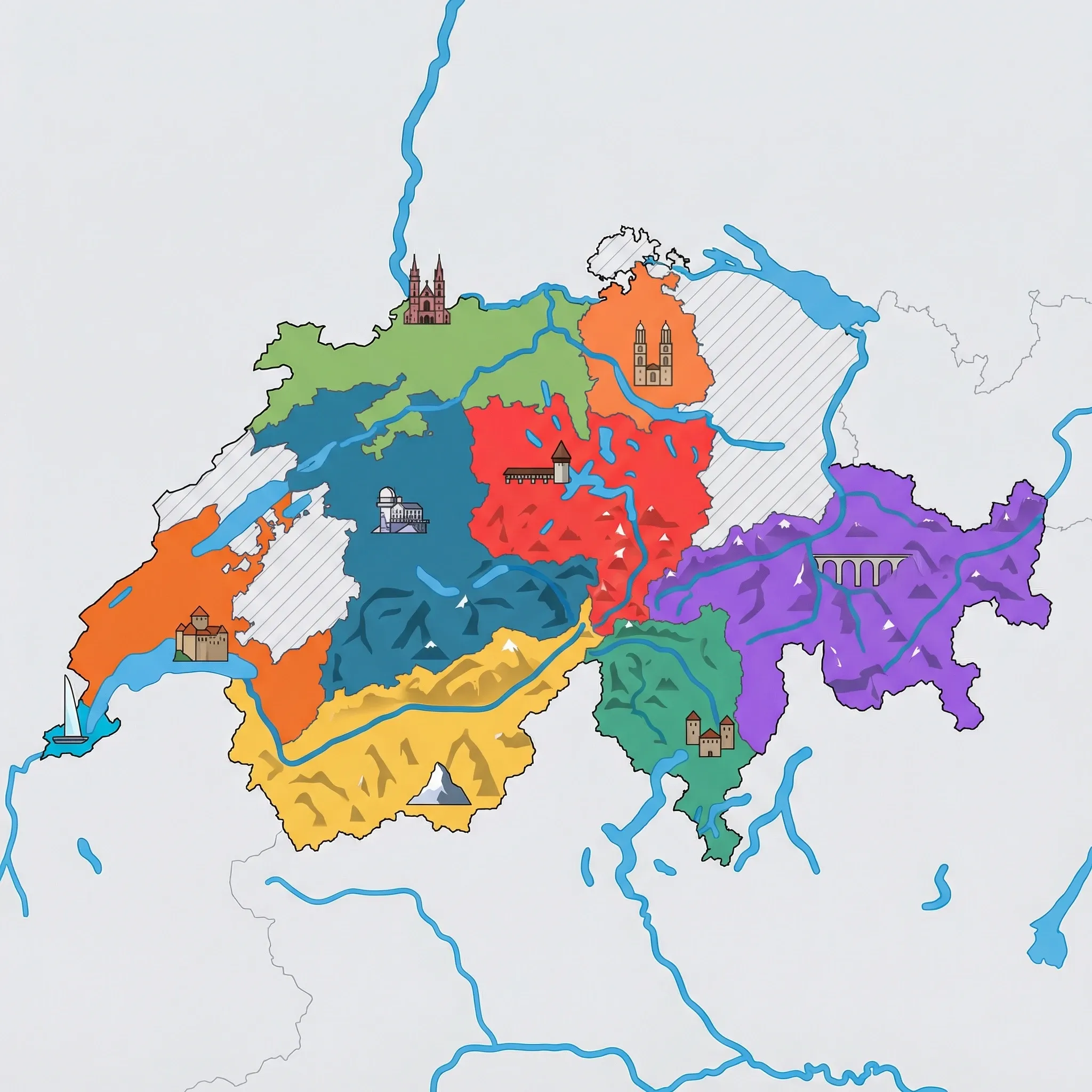
Click a region to explore
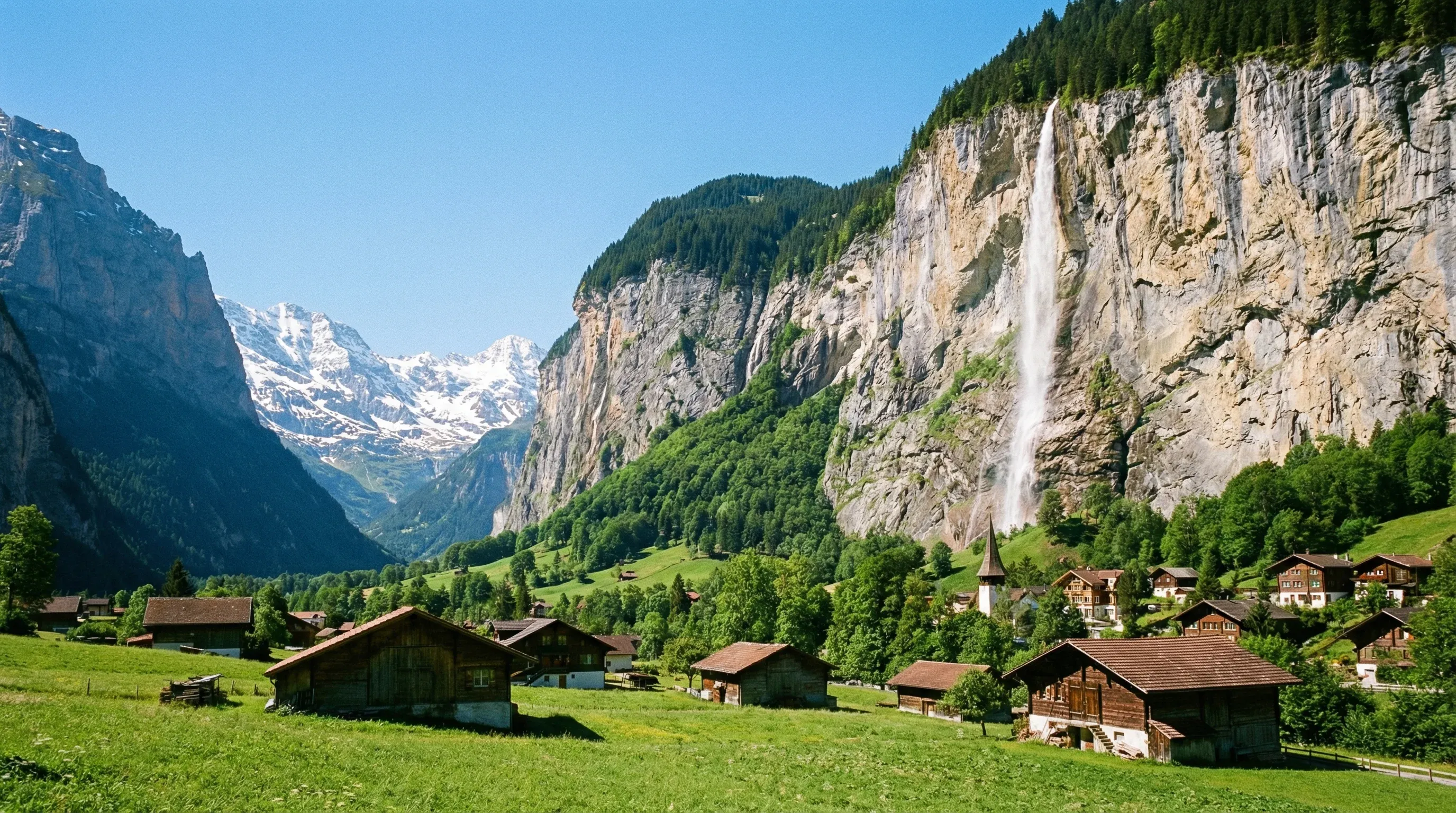
The Bernese Oberland is arguably the most spectacular region in Switzerland for families seeking the quintessential Alpine experience. This is the land of deep green valleys, thundering waterfalls, and snowy giants that stay white all year round. The geography is dramatic yet accessible, anchored by the twin lakes of Thun and Brienz, with the adventure hub of Interlaken sitting squarely between them. From here, cogwheel trains and cable cars spiderweb up into the mountains, making high-altitude glaciers and vertical cliffs accessible even to toddlers and grandparents. The air is crisp, the cows really do wear bells, and the landscape looks exactly like a child's drawing of mountains.
Culturally, this is the heartland of Swiss tradition. You will see chalets dripping with geraniums and hear alphorns at village festivals. For children, the region is a giant open-air theme park. In summer, the focus is on hiking themed trails designed specifically for kids (like dwarf trails or detective paths), swimming in lidos, and riding funiculars. In winter, it transforms into a snow-sport paradise with extensive beginner slopes. The scale of nature here is humbling—standing beneath the North Face of the Eiger or looking down from the Schilthorn creates memories that last a lifetime. It is safe, clean, and incredibly well-organised, meaning you can take a stroller to 2,000 metres without breaking a sweat.
Key Attractions
The headline act is the Swiss Alps Jungfrau-Aletsch UNESCO World Heritage Site. Taking the train to the Jungfraujoch ('Top of Europe') is pricey but iconic, offering a snow-fun park and ice palace even in July. For a James Bond connection that parents will love and a thrill walk that kids will brag about, head to Schilthorn - Piz Gloria. The rotating restaurant and the 'Skyline Walk' over the vertical abyss are unforgettable.
For a more grounded but equally stunning day out, visit Oeschinensee above Kandersteg. Accessible by gondola, this mountain lake offers rowing boats and a summer toboggan run that is a huge hit with children. In the valley, the Oberhofen Castle on Lake Thun is a fairy-tale structure jutting right into the water, featuring a living museum where kids can dress up in medieval costumes. Finally, do not miss the deafening roar of the waterfalls in the Lauterbrunnen Village valley—inspiration for Tolkien's Rivendell and a magical spot for a flat, easy family walk.
Practical Advice
Best Time to Visit: June to September for hiking; December to March for snow. Avoid November and late April (shoulder season) when many cable cars close for maintenance.
Family Logistics: Invest in a 'Berner Oberland Pass' or 'Jungfrau Travel Pass' if you plan to use multiple cable cars. Point-to-point tickets are astronomically expensive for families. Kids under 6 usually travel free.
Food & Drink
Typical meal times: Lunch 12:00 pm to 2:00 pm. Dinner 6:00 pm to 9:00 pm. Mountain huts may stop serving hot food by 3:00 pm.
Typical meal costs: Expect high prices. A simple Rösti costs CHF 20–28 (approx. $22–31 USD / €19–26 EUR). A family meal with drinks often exceeds CHF 140 (approx. $155 USD / €130 EUR).
Dietary requirements: Vegetarian options are common (cheese dishes). Vegan is harder in mountain huts but possible in Interlaken.
Signature dishes:
- Rösti – Grated potatoes fried in butter into a crispy cake, often topped with a fried egg and bacon. The staple fuel for hikers.
- Älplermagronen – 'Alpine macaroni' with potatoes, cream, cheese, and onions, served with a side of apple sauce. Kids love this.
- Meringues with Double Cream – A sugar-rush dessert famous in the Meiringen area (where Meringues were allegedly invented).
Why this score?
While it features some of the world's most dramatic mountain scenery, the region is highly engineered with cogwheel trains, cable cars, and paved paths that mitigate much of the ruggedness. Families can access high-altitude snow and cliffs with ease, though opportunities for serious paragliding and technical hiking exist. It is more of an 'accessible adventure' destination than true wilderness.
Why this score?
Regional hospitals in Interlaken and Thun are well-equipped to handle tourist-related injuries and general medical needs. While not hosting the massive university hospitals found in Zurich or Geneva, the local healthcare system is highly efficient and accustomed to treating international patients. Emergency response, including mountain rescue services, is among the best in the world.
Why this score?
This is one of Switzerland's most iconic regions, drawing millions of visitors to Interlaken, Grindelwald, and the Jungfraujoch. It serves as a major international magnet for travelers from Asia, North America, and across Europe who seek the classic 'Alpine' experience. The density of high-profile attractions like the Schilthorn ensures a constant flow of global tourists.

This is one of the most expensive regions in the world. Accommodation is pricey, but the real budget-killer is mountain transport. A return trip to Jungfraujoch can cost CHF 200+ per adult without a pass. Budget CHF 250–400 (approx. $280–450 USD / €240–380 EUR) per day for a family of four, exclusive of accommodation.
Family Travel Notice
Minors travelling alone or with only one legal guardian should carry a notarized letter of consent from the non-travelling parent to facilitate smooth border crossings.

Getting Here & Around
Getting Here
- Train – Interlaken Ost and Interlaken West are the main hubs. Direct trains run from Basel (2 hours) and Zurich Airport (2.5 hours).
- Driving – Easy access via Bern on the A6 motorway. However, some villages like Mürren Village and Wengen are car-free; you must park in the valley and take a train/cable car up.
- Airports – Zurich (ZRH) is the closest major international airport, followed by Geneva (GVA).
Getting Around
- Train & Cable Car – The primary mode of travel. The network is dense and reliable. The climb to Schilthorn - Piz Gloria involves a series of cable cars.
- Boat – Historic paddle steamers ply Lakes Thun and Brienz. It is a scenic way to travel between Interlaken and Spiez Castle.
- Car – Useful for the valleys, but useless for the high peaks. Parking in tourist hubs like Lauterbrunnen is expensive and often full.
No airports in this region. See the country flight map for nearby connections.
Official Links

Packing List
Summits like Jungfraujoch are below freezing year-round; t-shirts won't cut it.
Even 'easy' family trails can have loose gravel and steep sections.
High-altitude sun and snow reflection can damage children's eyes quickly.
Winding mountain buses and swinging cable cars can upset sensitive stomachs.
Switzerland uses a unique hexagonal 3-pin socket. Standard European (Type F) plugs will not fit.
Ticks are common in Swiss forests and tall grass below 1500m; quick removal is important.
Families heavily use the immaculate public 'Feuerstelle' (BBQ pits) found on hiking trails.
There are thousands of public fountains with pristine mountain spring water; buying water is unnecessary.
Floating down the Aare (Bern) or Limmat (Zurich) rivers is a popular summer family activity.

Activities & Best Times

Hiking, wildlife, outdoor exploration, ecotourism
Home to the Jungfrau-Aletsch UNESCO World Heritage site, this region offers some of the world's most dramatic alpine scenery and pristine hiking trails. Peak visitation occurs during the summer months when high-altitude paths and nature parks like Blausee and Oeschinensee are fully accessible and vibrant.

Urban tourism, museums, historical sites, architecture
The region features sophisticated cultural assets like the Thun Art Museum and historic lakefront castles, paired with unique alpine heritage sites like the Schynige Platte Botanical Garden. Cultural exploration is best in summer when outdoor heritage sites and garden displays are in peak condition.
Amusement parks, family entertainment venues
Features high-quality, mountain-integrated entertainment like the Grindelwald First Adventure Park and Jungfrau Park Interlaken. These facilities offer world-class family engagement during the summer season, though many attractions are seasonal and weather-dependent.

Sport tourism, fitness activities, active recreation
Specialized infrastructure like the Interlaken Rope Park and the Oeschinensee mountain coaster provides structured active recreation for families. Peak operation coincides with the summer tourist season when all outdoor facilities are fully staffed and operational.

Learning experiences, scientific sites, historical education
The Tropenhaus Frutigen offers a unique, scientifically-focused look at geothermal energy and sturgeon farming. While an excellent facility, it serves as a niche educational destination rather than a primary global travel motivator.

Attractions (18 total)



Public Holidays & Calendar Next 12 months
Public holidays, festivals, cultural celebrations, and seasonal natural phenomena coming up in Bernese Oberland over the next 12 months.
Loading holidays and events...

Travel Advisory
All major international agencies agree that Switzerland requires only standard safety awareness. There are no significant security threats or travel restrictions currently in place for the country.
Safety Topics
Traveller Advice (4 groups)

Maintain standard personal security awareness in urban centers and crowded areas. Carry identification and ensure all travel documents meet Schengen area validity requirements.
Alpine activities carry significant risk. Travellers should check local weather and avalanche forecasts daily, stay on marked trails, and ensure insurance covers mountain rescue and medical evacuation.

Switzerland is generally very welcoming and safe for sexual and gender minorities, with strong legal protections and social acceptance.
Minors travelling alone or with only one legal guardian should carry a notarized letter of consent from the non-travelling parent to facilitate smooth border crossings.
Agency Summaries
Maintains a baseline risk level. Visitors are advised to be aware of the general threat of terrorism across Europe and to keep a close watch on personal belongings at major transport interchanges and popular tourist sites.
Switzerland is considered a low-risk destination. Primary recommendations include staying vigilant in busy transit hubs and being adequately prepared for the physical demands and inherent risks of mountain activities and high-altitude environments.
Travellers should maintain standard safety awareness as they would in their home country. While Switzerland is safe, urban protests in major cities like Zurich and Bern can occasionally disrupt transit, and petty theft remains a factor in crowded tourist locales.
A safe destination for visitors. Advice emphasizes winter driving safety, including the necessity of winter tires, and ensures that families travelling with minors have proper documentation to avoid border delays.
No major safety warnings are in place. Guidance focuses on common sense precautions against pickpocketing, particularly on public transport between major cities, and adhering to regional regulations such as face-covering prohibitions in specific cantons.
Overall security is high, though petty crime is slightly increasing in metropolitan areas. Travellers are reminded that medical costs are exceptionally high and lack reciprocal agreements with Australia, making comprehensive insurance essential.
Information is provided for general guidance only and does not constitute travel, safety, medical, or legal advice. Conditions may change. Users are responsible for independently verifying information before travel.