
Dushanbe
A city of fountains, parks, and ancient Persian history 🌳
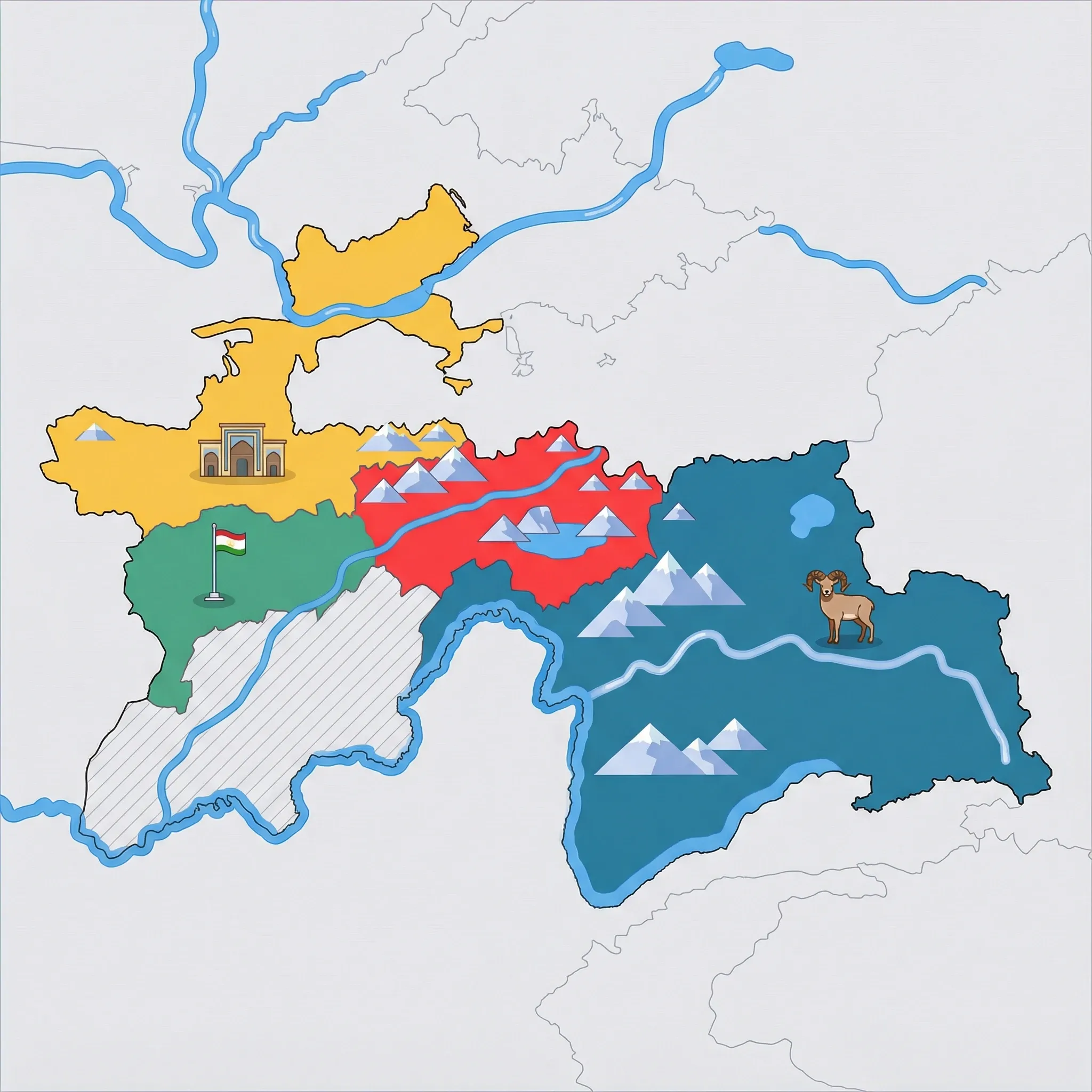
Click a region to explore
Dushanbe, meaning "Monday" in Persian (named after the weekly market that once operated here), has transformed from a small village into a capital city characterized by wide, tree-lined avenues and neoclassic Soviet architecture. For families, it is the most comfortable and accessible region in Tajikistan, offering a gentle landing pad with modern amenities, reliable electricity, and a surprising abundance of green space. The city sits in the Hissar Valley, backed by snow-capped mountains that provide a dramatic backdrop to the pastel-colored government buildings and gold-domed monuments. Unlike the dusty bustle often associated with Central Asian capitals, Dushanbe feels paced and park-centric, with the Varzob River cutting through its center, providing cool breezes during the hot summers.
The cultural atmosphere is welcoming and family-oriented. Tajiks adore children, and you will find the city's numerous parks—such as Rudaki Park and Kurushi Kabir Park—packed with local families every evening. It is a place where you can safely walk with a stroller at sunset, watching the city's famous fountains light up. While the mountains call to adventurers, Dushanbe offers the necessary history lessons to understand the country. It acts as the cultural heart, housing the nation's treasures and offering a culinary scene that ranges from traditional teahouses (chaikhanas) to modern pizzerias, making it easy to keep picky eaters happy.
Key Attractions
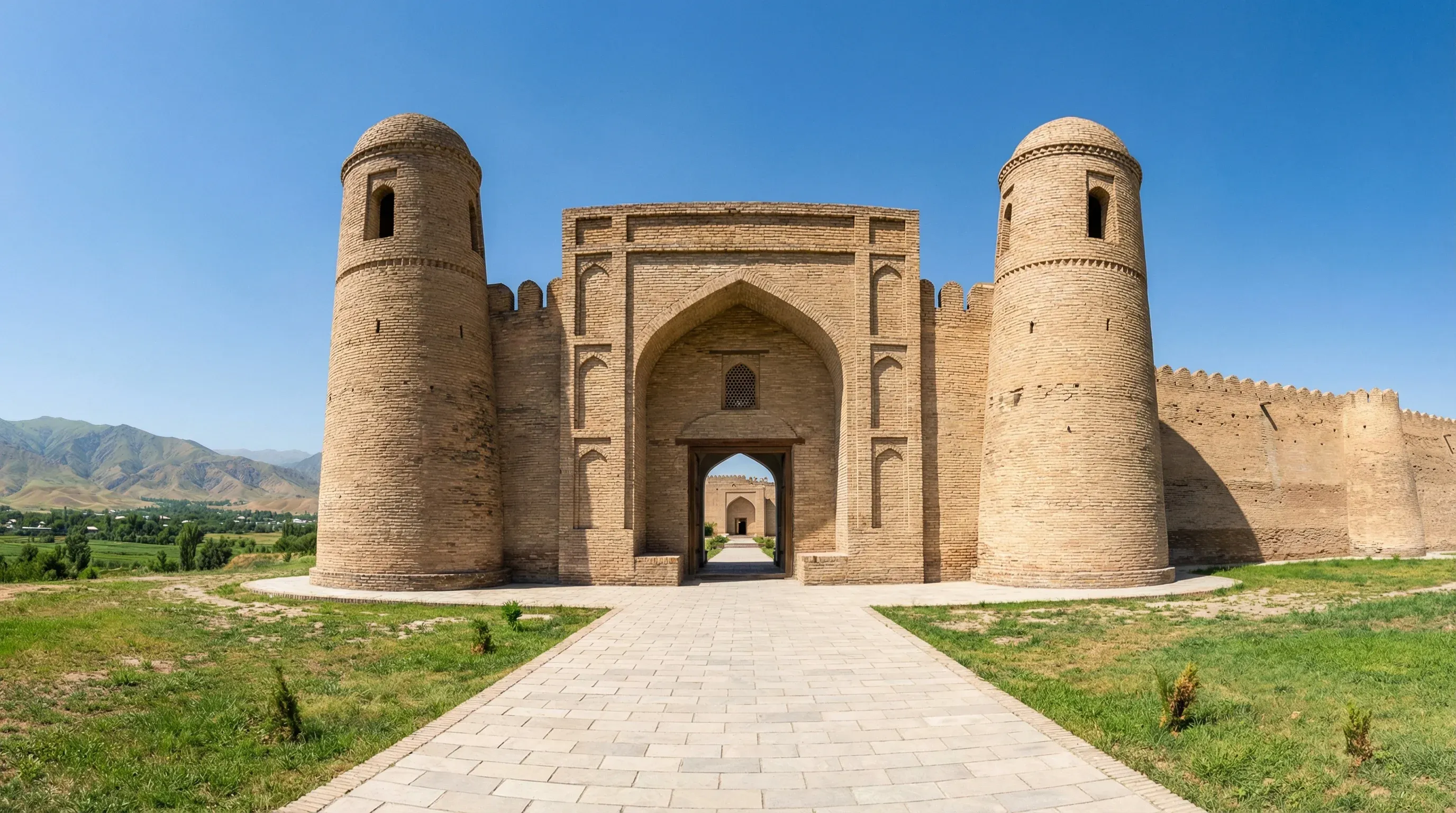
While the city is best enjoyed by simply strolling, there are specific sites that captivate children and adults alike. The National Museum of Antiquities of Tajikistan is an essential stop. It houses the famous Sleeping Buddha—a 13-meter long clay statue that is truly awe-inspiring for kids—along with artifacts that explain the region's Silk Road heritage. It’s a manageable size for families, not requiring a full day to explore. Beyond the museums, the nearby Hissar Fortress (a short drive from the city center) allows children to run along ancient walls and imagine life as a silk road trader, offering a tangible connection to the history learned in the city center.
Practical Advice
Best Time to Visit: Spring (April–May) and Autumn (September–October) are ideal, with temperatures sitting pleasantly between 20°C and 25°C. Summers can be intensely hot (40°C+), though the city's many fountains and shade trees help. Winters are generally mild but damp.
Logistics: Dushanbe is the only place in the country where strollers are truly practical. Sidewalks are wide and generally paved. Yandex Go (a ride-hailing app) works well here and prevents the need to haggle for taxis.
Food & Drink
Typical meal times: Lunch is typically eaten from 12:30 pm to 2:00 pm. Dinner is a social affair, usually starting between 7:00 pm and 8:30 pm.
Typical meal costs: A meal in a mid-range restaurant costs 60–110 TJS (approx. $5.50–10 USD / €5–9 EUR). Street food snacks like sambusa cost around 5–10 TJS (approx. $0.45–0.90 USD / €0.40–0.85 EUR).
Dietary requirements: Vegetarian options are available in Dushanbe, particularly salads (fresh tomato and cucumber) and lentil soups. However, meat is central to the diet. Gluten-free travelers should be cautious as bread is served with everything and wheat is a primary thickener.
Signature dishes:
- Qurutob – The national dish made of fatir (flaky bread) torn into pieces, covered in dried yogurt balls (qurut) dissolved in water, and topped with fried onions and fresh herbs. It is traditionally eaten with hands from a communal wooden bowl.
- Oshi Palov – The Tajik version of pilaf, consisting of rice, carrots, and meat (usually beef or lamb), slow-cooked in a large cauldron (kazan).
- Sambusa – Triangular pastry pockets filled with minced meat, pumpkin, or herbs, baked in a clay oven (tandyr).
Why this score?
The city is largely developed with green parks, paved boulevards, and organized museums, offering a relatively low-intensity experience for travelers. However, its proximity to the Varzob Gorge and the rugged Hissar Valley provides accessible outdoor excursions that elevate it slightly above purely urban centers. It serves as a comfortable base before travelers head into the more challenging mountainous interior.
Why this score?
Dushanbe offers the most advanced medical care in Tajikistan, including a few private clinics that cater to expatriates and international staff. While it is the only place in the country where one might find English-speaking doctors, facilities remain basic by international standards and often lack specialized equipment for complex procedures. Most serious conditions still require medical evacuation to a more developed hub.
Why this score?
As the primary gateway and capital, Dushanbe receives the bulk of the country's limited international visitors. While it features impressive monuments like the Ismoil Somoni statue and the National Museum, it remains a niche destination with very low global footfall compared to established regional hubs. The presence of 15,428 hotel beds countrywide suggests a small-scale infrastructure that primarily caters to diplomatic and business travel.

Dushanbe is the most expensive part of Tajikistan, but still very affordable by international standards. A good family hotel costs 550–900 TJS (approx. $50–82 USD / €46–76 EUR). Dining out is excellent value; a large family feast rarely exceeds 350 TJS (approx. $32 USD / €30 EUR).

Getting Here & Around
Getting Here
- Airports – Dushanbe International Airport (DYU) is the main gateway, located just 15 minutes from the city center. It receives flights from Istanbul, Dubai, and Tashkent.
- Train – International trains arrive from Uzbekistan, though the journey is long. The rail station is central.
- Driving – If entering from Uzbekistan, the Panjakent or Denau borders are the most common entry points, followed by a shared taxi ride to the capital.
Getting Around
- Public Transport – Trolleybuses and buses crisscross the city. They are very cheap (around 2.50 TJS) but can be crowded.
- Taxi – The most convenient for families. Apps like Yandex Go are reliable and offer fixed prices, avoiding the "tourist tax" of hailing on the street.
- Walking – The city center, particularly around Rudaki Avenue and the main parks, is very walkable and safe for children.
Nearby Airports (2 airports)
Dushanbe
DYUDushanbe
Qurghonteppa International Airport
KQTKurgon-Tyube
View full flight map for Tajikistan →
Official Links

Packing List
Stomach bugs are common even in the capital; be prepared for 'Dushanbe belly'.
It gets very hot, but modesty is expected (shoulders and knees covered).
While power is stable in Dushanbe, older hotels may have few outlets.
You will take your shoes off frequently when entering homes or teahouse platforms.
Tap water is generally unsafe. A Steripen or filter bottle saves money and reduces plastic waste in remote areas where recycling doesn't exist.
Power outages are frequent, even in cities. Street lighting is minimal, and navigating homestay toilets at night requires light.
ATMs are rare outside Dushanbe. You must bring cash in pristine condition (no tears/marks) to exchange; old notes are often refused.
Public bathrooms are often simple pit latrines with no running water or paper. Essential for hygiene on the road with kids.
"Tajik Tummy" is common. Electrolytes are vital for recovery, especially given the altitude and long travel days.
Roads in the Pamirs and Fanns are incredibly winding and rough. Essential for children prone to car sickness.

Activities & Best Times

Hiking, wildlife, outdoor exploration, ecotourism
Dushanbe serves as the gateway to the Hissar mountains and Varzob Gorge, offering major hiking trails like Gusgarf and Leilakul. May-June and September-October provide the most comfortable temperatures for high-altitude trekking and exploring waterfalls.

Urban tourism, museums, historical sites, architecture
The city boasts unique landmarks like Koh-i-Navruz and the Hissar Fortress, reflecting a rich blend of Silk Road history and modern Tajik identity. Spring and autumn offer the mildest weather for exploring the capital's grand boulevards and museums.

Sport tourism, fitness activities, active recreation
The infrastructure at Safed-Dara and the established cycling and hiking routes in the Varzob valley support high-level active tourism. Best experienced when the mountain weather is stable and valley temperatures are not excessively hot.

Spa retreats, wellness centers, peaceful getaways
The region is home to historic Soviet-era sanatoriums like Khoja Obi Garm, famous for unique natural steam treatments. These facilities offer an authentic, albeit rustic, wellness experience that is quite rare globally.

Scenic drives, countryside tours, route-based travel
Dushanbe is the starting point for the legendary Pamir Highway and the scenic Varzob Gorge drive. High summer offers the best road accessibility as mountain passes clear of snow and ice.

Amusement parks, family entertainment venues
The region features several established entertainment venues including Bogi Poytakht and Delfin Water Park. While entertaining for families, they are regional in scale rather than world-class destination parks.

Learning experiences, scientific sites, historical education
The Geological Museum offers a niche look into the unique tectonic history of the Pamirs. It provides some educational value for families but is a secondary attraction rather than a primary motivator for international travel.

Winter sports, ski resorts, snow activities
Safed-Dara is a significant regional ski resort offering modern infrastructure but remains small-scale compared to international benchmarks. The season is relatively short, with reliable snow cover typically limited to January and February.




Public Holidays & Calendar Next 12 months
Public holidays, festivals, cultural celebrations, and seasonal natural phenomena coming up in Dushanbe over the next 12 months.
Loading holidays and events...

Travel Advisory
All major agencies maintain an elevated risk level for Tajikistan. The primary nationwide concerns are terrorism and crime, while severe regional warnings are in place for the Afghan and Kyrgyz borders and the Gorno-Badakhshan region due to conflict and landmines.
Safety Topics
Traveller Advice (4 groups)

While not illegal, same-sex relationships are not widely accepted in this socially conservative society, and there are no specific legal protections against discrimination.

Be aware that mountain rescue services are extremely limited. Avoid trekking in remote border areas due to the high risk of unexploded landmines, which are often poorly marked.

Exercise high vigilance, particularly at night, due to reports of sexual assault and drink-spiking targeting foreigners. Modest dress is recommended to respect local cultural and religious norms.

Ensure you carry a photocopy of your identification at all times as local police frequently conduct identity checks. Stays exceeding 10 days require mandatory registration with local authorities (OVIR).
Agency Summaries
Irish citizens are advised to be highly cautious. Tensions along disputed border areas often lead to clashes involving firearms, and travel to the Gorno-Badakhshan Autonomous Region is discouraged.
Increased safety precautions are recommended due to the threat of terrorism and common street crimes such as muggings and drink-spiking. Regional instability justifies higher risk ratings in border zones.
Visitors should maintain elevated vigilance due to the persistent threat of terrorism and organized crime. Travel near the Afghan border is strongly discouraged due to extreme security risks, and visits to the Gorno-Badakhshan region should be limited to essential purposes only.
While general travel is permitted, significant regional risks exist. Specific areas, including those near the Afghan and Kyrgyz borders, are subject to heightened security warnings due to the potential for localized violence and terrorism.
A high level of caution is advised countrywide because of the risk of civil unrest and terrorist activity. Security conditions near the border with Afghanistan are particularly volatile and should be avoided.
Heightened awareness is necessary throughout the country due to terrorism risks and the presence of unexploded landmines. Conflict potential is notably higher in Gorno-Badakhshan and along the borders with Afghanistan and Kyrgyzstan.
Information is provided for general guidance only and does not constitute travel, safety, medical, or legal advice. Conditions may change. Users are responsible for independently verifying information before travel.