
Dar es Salaam & Coast
Where ancient Swahili history meets the bustling Indian Ocean coast 🌊🇹🇿
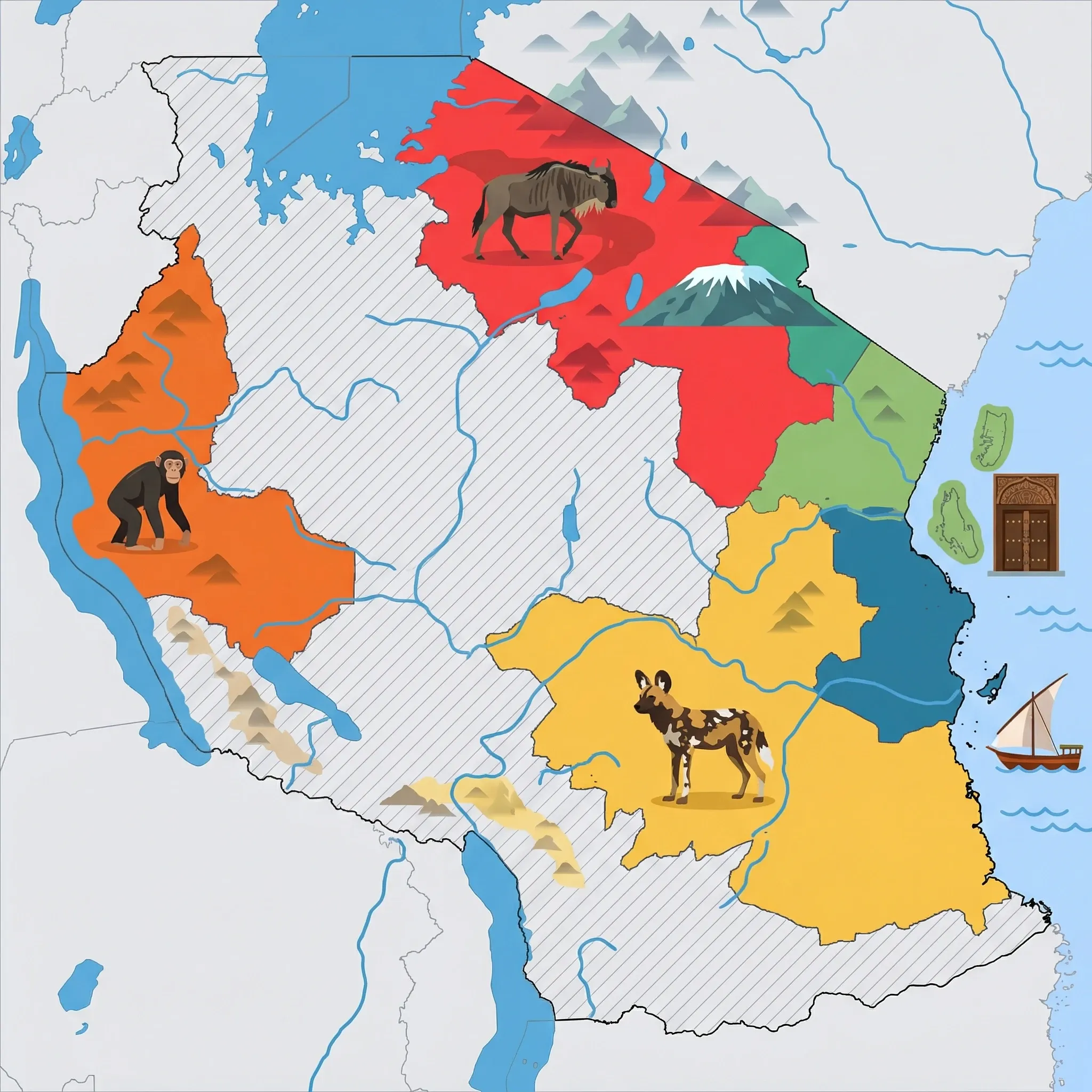
Click a region to explore
⚠️ SAFETY WARNING: Due to urban crime concerns and regional security issues near the southern border, government agencies (including the USA, UK, and Canada) advise travelers to reconsider travel to specific areas within this region. The US Department of State has issued a Level 3 warning for Tanzania due to crime and terrorism concerns, specifically advising caution in Dar es Salaam at night. Families are strongly urged to consult their own government's official travel advisory before considering a trip, as circumstances and risk assessments vary.
Dar es Salaam and its surrounding coastline offer a sensory-rich introduction to Tanzania, distinct from the northern safari circuit. For families, this region presents a fascinating mix of chaotic urban energy, serene history, and wild nature. The city itself is a melting pot of African, Arab, and Indian influences, where the smell of grilling mishkaki (meat skewers) fills the air and the call to prayer blends with the honking of dala-dalas (minibuses). While the city centre can be overwhelming, the coastline to the north offers a calmer, more historical perspective on East Africa.
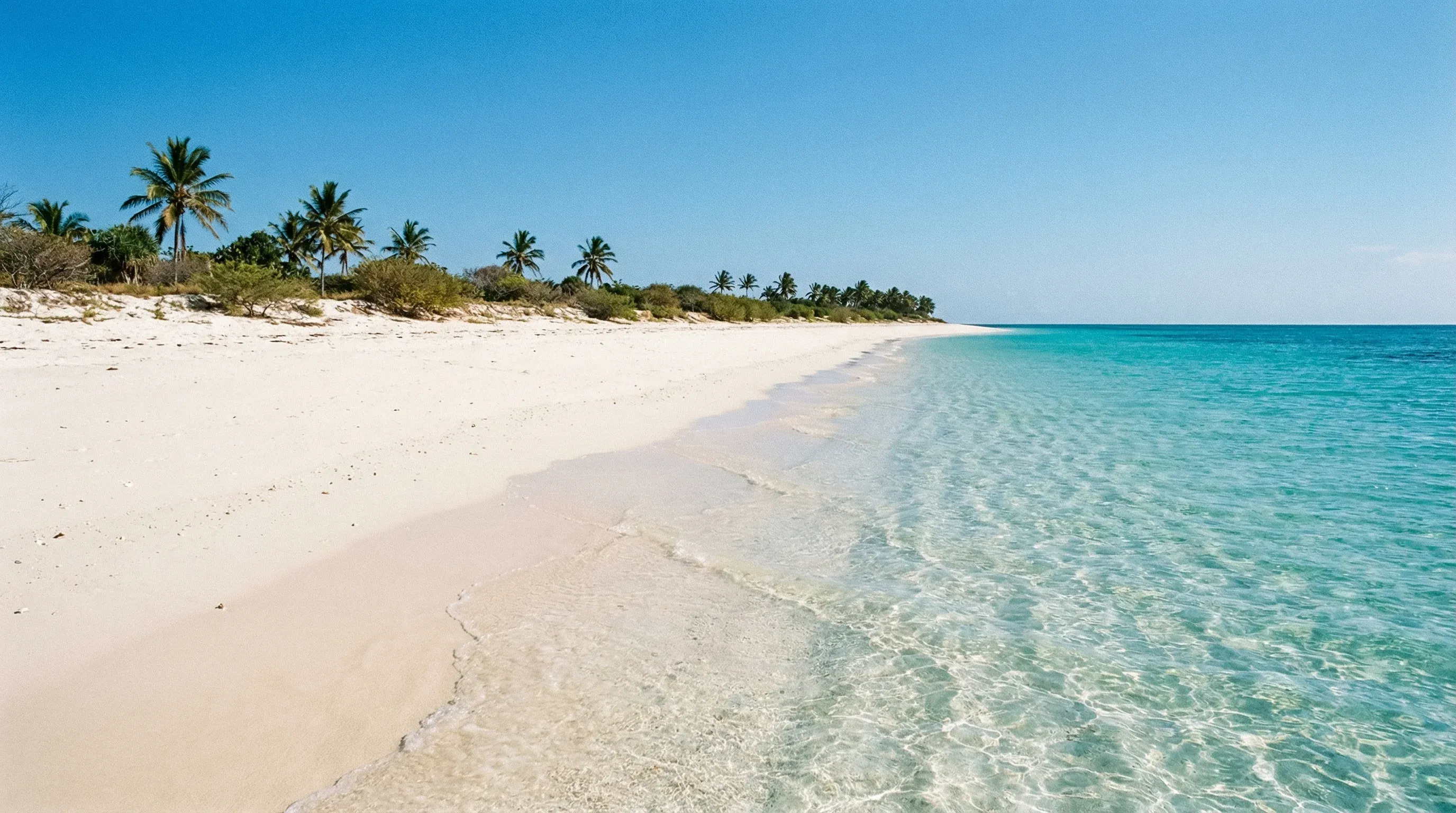
Beyond the skyscrapers, the coast stretches out into mangroves and palm-lined beaches. Bagamoyo, once a major trading port, sits quietly with its moss-covered ruins and boat-building yards, offering children a tangible history lesson about the spice and slave trades. Further north, the landscape shifts dramatically into wild bushland that meets the ocean. This is not just a transit hub; it is a region where you can watch dhows sail into the sunset, explore fish markets, and see wildlife without straying far from the sea. It requires a bit more street-smarts than the enclosed safari parks, but the cultural rewards are immense.
Key Attractions
The region's most unique family experience is undoubtedly Saadani National Park. It is the only wildlife sanctuary in East Africa with ocean frontage, meaning you can technically see lions or giraffes while you are standing on the sand. For children, the boat safaris on the Wami River here are magical, offering close-up views of hippos and crocodiles in a lush, mangrove setting that feels vastly different from the dry savannahs of the north.
History comes alive at Bagamoyo Stone Town. Unlike the polished tourism of Zanzibar, Bagamoyo feels raw and authentic. Families can wander through the Kaole Ruins, seeing 13th-century mosques and tombs, or visit the old fort. In the city of Dar es Salaam itself, a quick stop at the Askari Monument provides a talking point about World War I history in Africa, while the nearby Azania Front Lutheran Church offers a peaceful respite and beautiful views over the harbour.
Practical Advice
The coast is hot and humid year-round. The best time to visit is during the dry cooler season from June to September, when temperatures are manageable for walking tours. Dar es Salaam traffic is notorious; always allow double the expected travel time when heading to the airport or ferry terminal. For families, staying on the Msasani Peninsula offers a relaxed atmosphere with good restaurants and sea breezes, removed from the chaotic city centre.
Food & Drink
Typical meal times: Lunch is usually served from 12:30 pm to 2:30 pm, and dinner is a late affair, typically eaten between 7:30 pm and 9:30 pm.
Typical meal costs: A meal in a mid-range restaurant costs around 25,000–45,000 TZS (approx. $9–17 USD / €8–16 EUR). Street food is much cheaper, with snacks costing 2,000–5,000 TZS (approx. $0.75–1.90 USD / €0.70–1.75 EUR).
Dietary requirements: Seafood and meat are staples, but Indian influence means vegetarian curries are widely available. Vegan options can be found in upscale areas like Oyster Bay but are rarer in local eateries. Halal food is the standard.
Signature dishes:
- Zanzibar Pizza – Despite the name, this is popular on the mainland coast too; a fried dough pocket filled with minced meat, egg, cheese, and veggies (or banana and chocolate for dessert).
- Mishkaki – Marinated beef or goat skewers grilled over charcoal, often served with lime and chili, a favourite roadside snack.
- Samaki wa Kupaka – Grilled fish slathered in a rich, tamarind-spiced coconut sauce, showcasing the region's coastal bounty.
Why this score?
This is the most developed part of the country, where tourism is focused on urban landmarks, beach resorts, and accessible island day trips. Most activities are low-risk and supported by modern transport infrastructure, making it comfortable for families but low on ruggedness.
Why this score?
Dar es Salaam hosts the best medical facilities in Tanzania, including private hospitals like Aga Khan that offer international standards of care. While still below global top-tier hubs, it is the only place in the country with comprehensive emergency and specialized services for foreigners.
Why this score?
As the primary international gateway and economic hub, the region sees a high volume of both business and leisure travelers. While many tourists transit through to the parks, the historic sites of Bagamoyo and the offshore islands like Mbudya maintain a consistent flow of international and domestic visitors.

Dar es Salaam caters to all budgets. Luxury hotels on the peninsula can charge 520,000–780,000 TZS (approx. $200–300 USD / €185–280 EUR) per night, while comfortable guesthouses cost 100,000–200,000 TZS (approx. $38–75 USD / €35–70 EUR). Local transport and food are inexpensive compared to the northern safari circuit.

Getting Here & Around
Getting Here
- Airports – Julius Nyerere International Airport (DAR) is the main entry point, located about 12km from the city centre. It handles major international carriers and regional precision air flights.
- Ferry – The high-speed ferry from Zanzibar arrives at the downtown ferry terminal. The crossing takes approximately 2 hours.
- Bus – Long-distance buses from Arusha, Moshi, and Mombasa arrive at the chaotic Ubungo Bus Terminal on the city outskirts.
Getting Around
- Taxi/Rideshare – Uber and Bolt are active in Dar es Salaam and are the safest, most convenient way for families to navigate the city.
- Bajaji – These three-wheeled auto-rickshaws are cheaper than taxis and good for short hops, though less safe for highway travel.
- Dala-dala – Local minibuses are extremely cheap but often overcrowded and driven erratically; not recommended for families with luggage or small children.
Nearby Airports (3 airports)
Dar Es Salaam
DARDar Es Salaam
Mafia
MFAMafia Island
Tanga
TGTTanga
View full flight map for Tanzania →
Official Links

Packing List
The coast is predominantly Muslim; shoulders and knees should be covered in towns.
Essential for wet landings on island day trips and exploring muddy mangroves.
The coastal humidity makes mosquitoes prevalent year-round; malaria risk is present.
Humidity can be stifling, and air conditioning is not guaranteed in smaller shops or museums.
Bush planes to Zanzibar/Serengeti often refuse hard-shell suitcases; soft bags are mandatory.
Tsetse flies are attracted to dark blue and black; khaki or tan colors keep you hidden and bite-free.
Safari vehicles are open-sided; dust is intense in the dry season and will cover your face.
Lodges have few outlets and limited generator hours; charge all family devices at once.
Roads in national parks are extremely bumpy; essential for kids prone to car sickness.
Keeps children engaged during game drives so they don't have to wait for the adult pair.

Activities & Best Times

Hiking, wildlife, outdoor exploration, ecotourism
Features the unique Saadani National Park where the 'bush meets the beach', alongside the Pugu Hills nature forest. The long dry season from June to October offers optimal wildlife viewing and trail accessibility, while the heavy rains of the 'Masika' season make park tracks difficult to navigate.

Urban tourism, museums, historical sites, architecture
Home to the historic Bagamoyo Stone Town and the National Museum, this region offers a deep dive into Swahili culture and colonial history. Peak months coincide with the dry season when walking tours of the Old Boma and ruins are most comfortable; heavy rains in April and May significantly hinder urban exploration.

Beach resorts, marine activities: diving, snorkelling, kite surfing, wind surfing, sailing
Accessible coastal escapes like Mbudya and Bongoyo Islands provide high-quality marine recreation with clear waters. Peak periods align with the Kaskazi and Kusi wind shifts which offer the best visibility for snorkeling; the long rains from March to May create rougher seas and reduced water clarity.

Scenic drives, countryside tours, route-based travel
The Northern and Southern Coastal Highways offer scenic routes connecting historic Bagamoyo and Saadani. Driving is best enjoyed during the dry months when road conditions are stable and visibility is high; seasonal rains can occasionally affect unpaved access roads to natural attractions.

Sport tourism, fitness activities, active recreation
Offers established hiking and cycling trails in the Pugu Hills and Kazimzumbwi Forest Reserves, alongside large-scale water parks. The dry winter months provide the best conditions for trekking and outdoor exercise without the oppressive humidity and rainfall found in the spring.

Amusement parks, family entertainment venues
Home to regional aquatic centers like Water World and Kunduchi Wet 'N' Wild, providing entertainment for families. While popular locally, these venues are rated marginally for international travelers compared to global standards and are best visited during drier, sunny periods.




Public Holidays & Calendar Next 12 months
Public holidays, festivals, cultural celebrations, and seasonal natural phenomena coming up in Dar es Salaam & Coast over the next 12 months.
Loading holidays and events...

Travel Advisory
The majority of international agencies recommend exercising a high degree of caution or increased vigilance. This assessment reflects significant concerns regarding street crime, the potential for political unrest after recent elections, and localized terrorism threats, particularly near the southern border.
Safety Topics
Traveller Advice (3 groups)

Female travellers may experience verbal harassment and unwanted attention. Dressing conservatively and avoiding solo travel at night can help mitigate these risks.

When visiting national parks like the Serengeti or climbing Mount Kilimanjaro, be aware of reports of armed banditry. Using reputable tour operators and travelling in groups is strongly recommended.

Same-sex relationships are illegal and highly stigmatized. Public displays of affection can lead to harassment, arrest, or imprisonment. High levels of discretion are required as authorities have been known to target individuals based on sexual orientation.
Agency Summaries
Heightened safety awareness is necessary because of the frequency of violent crime and the potential for civil disturbances. Specific regions in the southeast carry a much higher risk due to militant activity.
Travellers should maintain a high level of vigilance due to prevalent crime and the risk of terrorism. Stricter warnings apply to the southern border areas near Mozambique where armed groups are active.
The risk level was recently elevated due to political instability and civil unrest following national elections. Violent crime, terrorism, and the specific targeting of marginalized groups also contribute to the higher warning level.
The political environment is currently stable but can shift quickly. Visitors are encouraged to avoid large gatherings and monitor local news carefully while adhering to strict entry requirements.
Safety concerns exceed those of typical Western countries, primarily due to violent street crime and the threat of extremist attacks. Road safety and ferry travel also present significant hazards.
While general travel is permitted, the authorities advise against visiting areas within 20km of the Mozambique border. Visitors should stay informed about the political climate following the late 2025 elections.
Information is provided for general guidance only and does not constitute travel, safety, medical, or legal advice. Conditions may change. Users are responsible for independently verifying information before travel.