
Kilimanjaro region
Adventure awaits at the foot of Africa's highest peak 🏔️☕
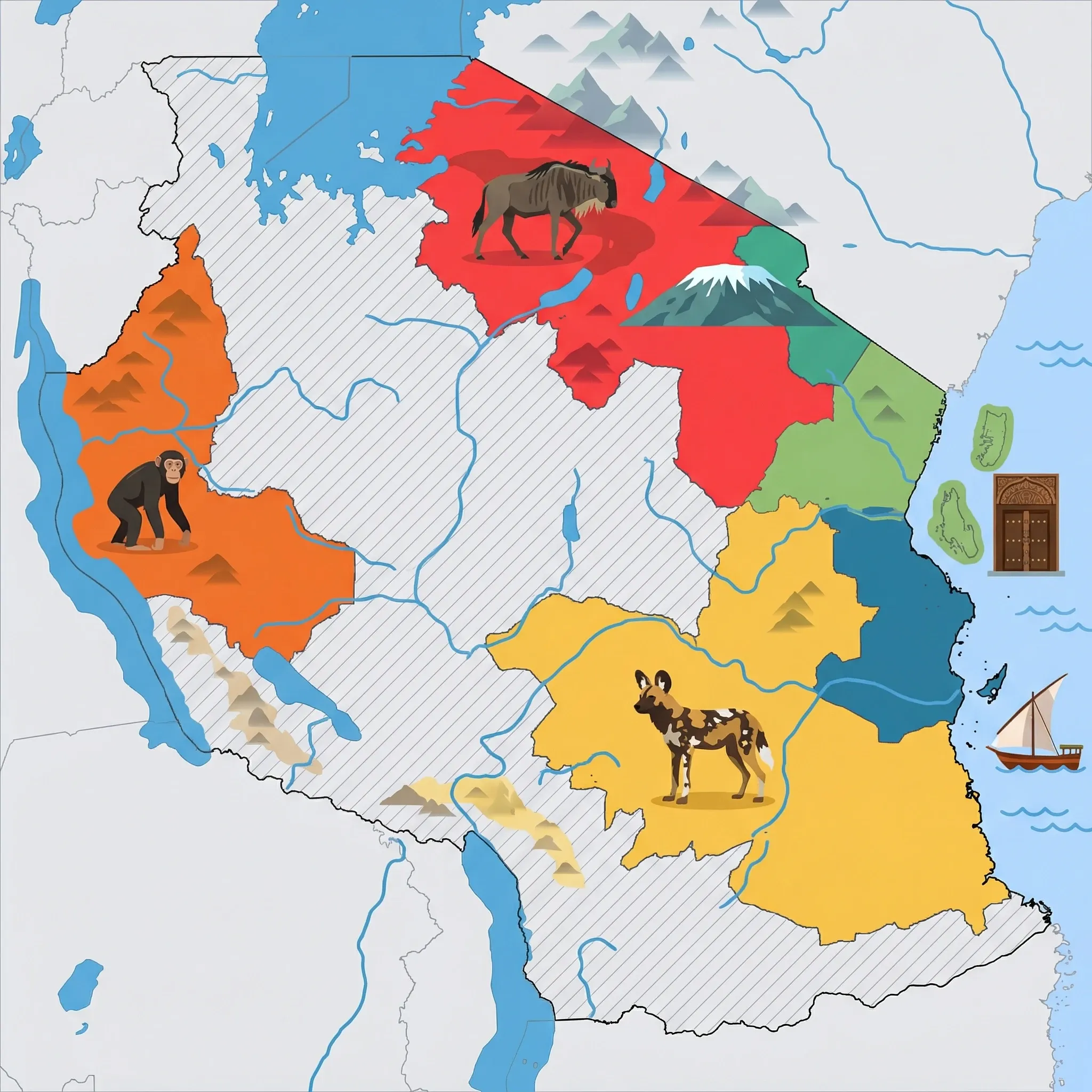
Click a region to explore
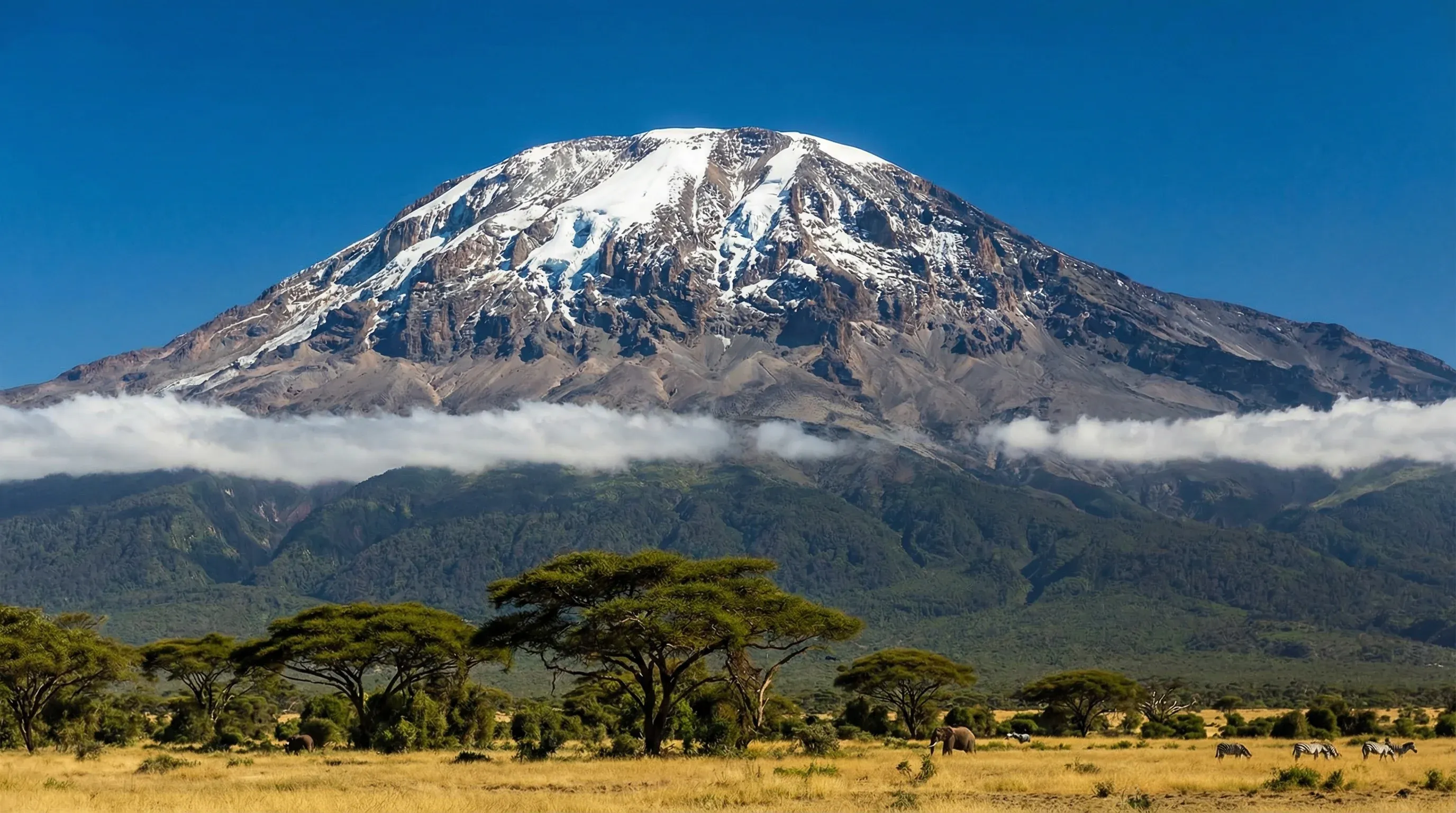
The Kilimanjaro region is defined by the awe-inspiring presence of Mount Kilimanjaro, a snow-capped giant rising from the dusty plains. For families, this region offers far more than just high-altitude mountaineering. It is a place of lush tropical forests, thunderous waterfalls, and deep cultural heritage. The town of Moshi, clean and friendly, serves as the base of operations, where the atmosphere is buzzing with anticipation of climbers arriving and departing. The climate here is milder than the coast, making it a comfortable destination for active children who enjoy the outdoors.
Unlike the vehicle-bound safaris of the west and north, Kilimanjaro is about getting your feet on the ground. The lower slopes of the mountain are a paradise for day hikers. Families can walk through coffee plantations—the lifeblood of the local Chagga people—learning how beans are grown, dried, and roasted traditionally. The scenery is verdant and dramatic, with banana palms shading the trails and crystal-clear streams cutting through volcanic rock. It is an educational region where geography and culture blend seamlessly; children can learn about volcanic activity in the morning and traditional Chagga cave dwellings in the afternoon.
Key Attractions
While the summit is famous, the foothills are where the family fun lies. A trip to the Materuni Waterfalls is a highlight; it involves a manageable hike through coffee farms to reach a towering 90m cascade where you can swim in the cool glacial runoff. Nearby, the Chemka Hot Springs (Kikuletwa) offers a natural oasis with bright turquoise water surrounded by fig trees—a natural water park that kids adore.
Culturally, the Marangu village offers insight into the Chagga tribe's history, including extensive underground caves used historically for defense. For a relaxed day, Lake Chala, a caldera lake on the Kenyan border, provides stunning views and kayaking opportunities in a crater setting that feels prehistoric.
Practical Advice
The best time to visit is during the dry seasons (January–March and June–October). Even if you aren't climbing the peak, the evenings in Moshi can get cool, so bring layers. Altitude is generally not an issue in Moshi town (800m), but if you hike the lower slopes (up to 2500m), ensure everyone stays hydrated. ATM access is reliable in Moshi.
Food & Drink
Typical meal times: Breakfast is early (6:30 am to 8:30 am) to accommodate hikers. Lunch is 12:30 pm to 2:00 pm, and dinner is 7:00 pm to 9:00 pm.
Typical meal costs: Local meals are very affordable, around 10,000–20,000 TZS (approx. $4–8 USD / €3.50–7 EUR). Tourist-oriented restaurants charge 25,000–50,000 TZS (approx. $9–19 USD / €8.50–17.50 EUR).
Dietary requirements: Tourist cafes in Moshi are very accustomed to western hikers and offer excellent vegetarian, vegan, and gluten-free options (smoothie bowls, salads, pasta). Local food relies heavily on meat and bananas.
Signature dishes:
- Mtori – A thick, creamy soup made from green bananas and beef, traditionally fed to nursing mothers but enjoyed by all as a hearty breakfast.
- Machalari – A stew of green bananas cooked with meat or fish, a staple of the Chagga people who inhabit the mountain slopes.
- Nyama Choma – Roasted goat or beef, ubiquitous across Tanzania but particularly good in the cool mountain air, served with salt and lime.
Why this score?
The region is defined by the physical challenge of climbing Africa's highest peak, involving extreme altitudes and rugged mountain terrain. Even in the foothills, activities like waterfall hikes and rural coffee tours involve steep paths and less developed infrastructure.
Why this score?
The town of Moshi has basic hospitals and specialized clinics for altitude sickness, but services for complex pediatric or general emergencies are limited. Serious cases often require evacuation to Dar es Salaam or Nairobi for stabilized international-standard care.
Why this score?
Mount Kilimanjaro is a world-famous landmark that attracts tens of thousands of dedicated hikers and mountain tourists annually. However, the volume is limited by the niche nature of high-altitude trekking compared to mass-market beach or city destinations.

Kilimanjaro is generally cheaper than the safari parks. A good family hotel with a pool costs 180,000–300,000 TZS (approx. $70–115 USD / €65–105 EUR). Day tours (waterfalls, coffee) average $40–70 USD per person. Food is excellent value.

Getting Here & Around
Getting Here
- Airports – Kilimanjaro International Airport (JRO) is the primary hub, situated halfway between Moshi and Arusha (approx. 45 mins drive to Moshi).
- Bus – Comfortable express buses connect Moshi to Dar es Salaam (8-10 hours) and Arusha (1.5 hours).
- Shuttle – Regular tourist shuttles run from Nairobi, Kenya, crossing the border at Namanga.
Getting Around
- Taxi – Registered taxis (often with white plates/stripes) are best for getting around Moshi town. Negotiate the price before entering.
- Dala-dala – Useful for short trips to trailheads like Marangu or Machame if you are adventurous, but can be crowded.
- Private Driver – For day trips to hot springs or waterfalls, hiring a car and driver for the day is the most stress-free option for families.
Nearby Airports (1 airport)
Kilimanjaro International
JROKilimanjaro
View full flight map for Tanzania →
Official Links

Packing List
Evenings in Moshi and on the lower slopes are surprisingly cool compared to the coast.
Trails to waterfalls can be slippery and muddy; sneakers often don't provide enough grip.
Tap water is not potable; useful for refilling bottles from mountain streams if hiking.
Essential for spontaneous swims at waterfalls or hot springs where no facilities exist.
Bush planes to Zanzibar/Serengeti often refuse hard-shell suitcases; soft bags are mandatory.
Tsetse flies are attracted to dark blue and black; khaki or tan colors keep you hidden and bite-free.
Safari vehicles are open-sided; dust is intense in the dry season and will cover your face.
Lodges have few outlets and limited generator hours; charge all family devices at once.
Roads in national parks are extremely bumpy; essential for kids prone to car sickness.
Keeps children engaged during game drives so they don't have to wait for the adult pair.

Activities & Best Times

Scenic drives, countryside tours, route-based travel
The region offers high-quality scenic drives including the Moshi-Marangu route and the West Kilimanjaro wilderness drive, providing iconic views of Mount Kilimanjaro. Peak visitation aligns with dry seasons for optimal mountain visibility and road accessibility, while heavy rains in April and May make many rural routes challenging.

Public Holidays & Calendar Next 12 months
Public holidays, festivals, cultural celebrations, and seasonal natural phenomena coming up in Kilimanjaro region over the next 12 months.
Loading holidays and events...

Travel Advisory
The majority of international agencies recommend exercising a high degree of caution or increased vigilance. This assessment reflects significant concerns regarding street crime, the potential for political unrest after recent elections, and localized terrorism threats, particularly near the southern border.
Safety Topics
Traveller Advice (3 groups)

Female travellers may experience verbal harassment and unwanted attention. Dressing conservatively and avoiding solo travel at night can help mitigate these risks.
When visiting national parks like the Serengeti or climbing Mount Kilimanjaro, be aware of reports of armed banditry. Using reputable tour operators and travelling in groups is strongly recommended.

Same-sex relationships are illegal and highly stigmatized. Public displays of affection can lead to harassment, arrest, or imprisonment. High levels of discretion are required as authorities have been known to target individuals based on sexual orientation.
Agency Summaries
Heightened safety awareness is necessary because of the frequency of violent crime and the potential for civil disturbances. Specific regions in the southeast carry a much higher risk due to militant activity.
Travellers should maintain a high level of vigilance due to prevalent crime and the risk of terrorism. Stricter warnings apply to the southern border areas near Mozambique where armed groups are active.
The risk level was recently elevated due to political instability and civil unrest following national elections. Violent crime, terrorism, and the specific targeting of marginalized groups also contribute to the higher warning level.
The political environment is currently stable but can shift quickly. Visitors are encouraged to avoid large gatherings and monitor local news carefully while adhering to strict entry requirements.
Safety concerns exceed those of typical Western countries, primarily due to violent street crime and the threat of extremist attacks. Road safety and ferry travel also present significant hazards.
While general travel is permitted, the authorities advise against visiting areas within 20km of the Mozambique border. Visitors should stay informed about the political climate following the late 2025 elections.
Information is provided for general guidance only and does not constitute travel, safety, medical, or legal advice. Conditions may change. Users are responsible for independently verifying information before travel.