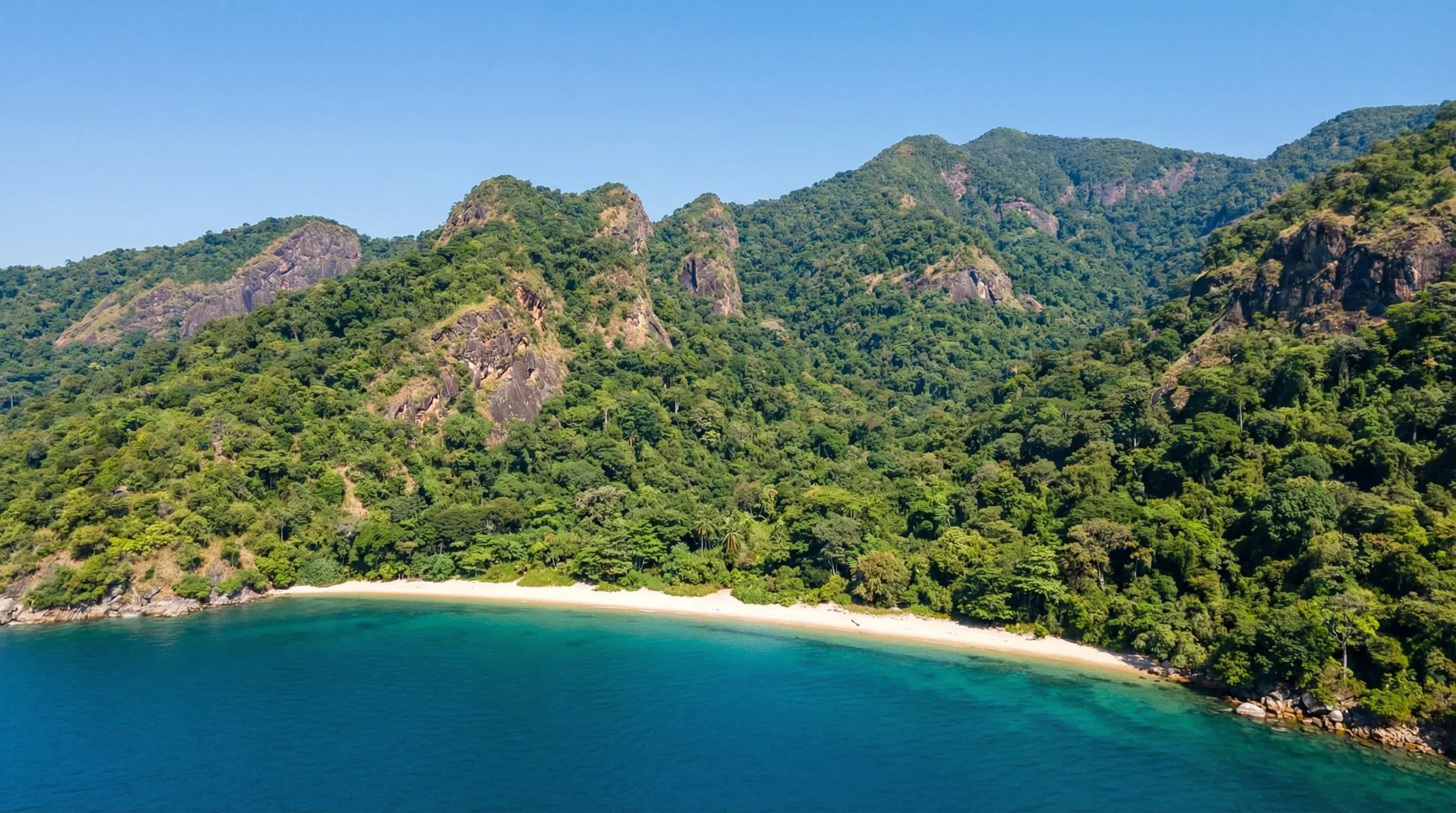

Western Tanzania (Mahale, Gombe - chimps)
Face-to-face with chimpanzees on the shores of the world's longest lake 🦍🌿
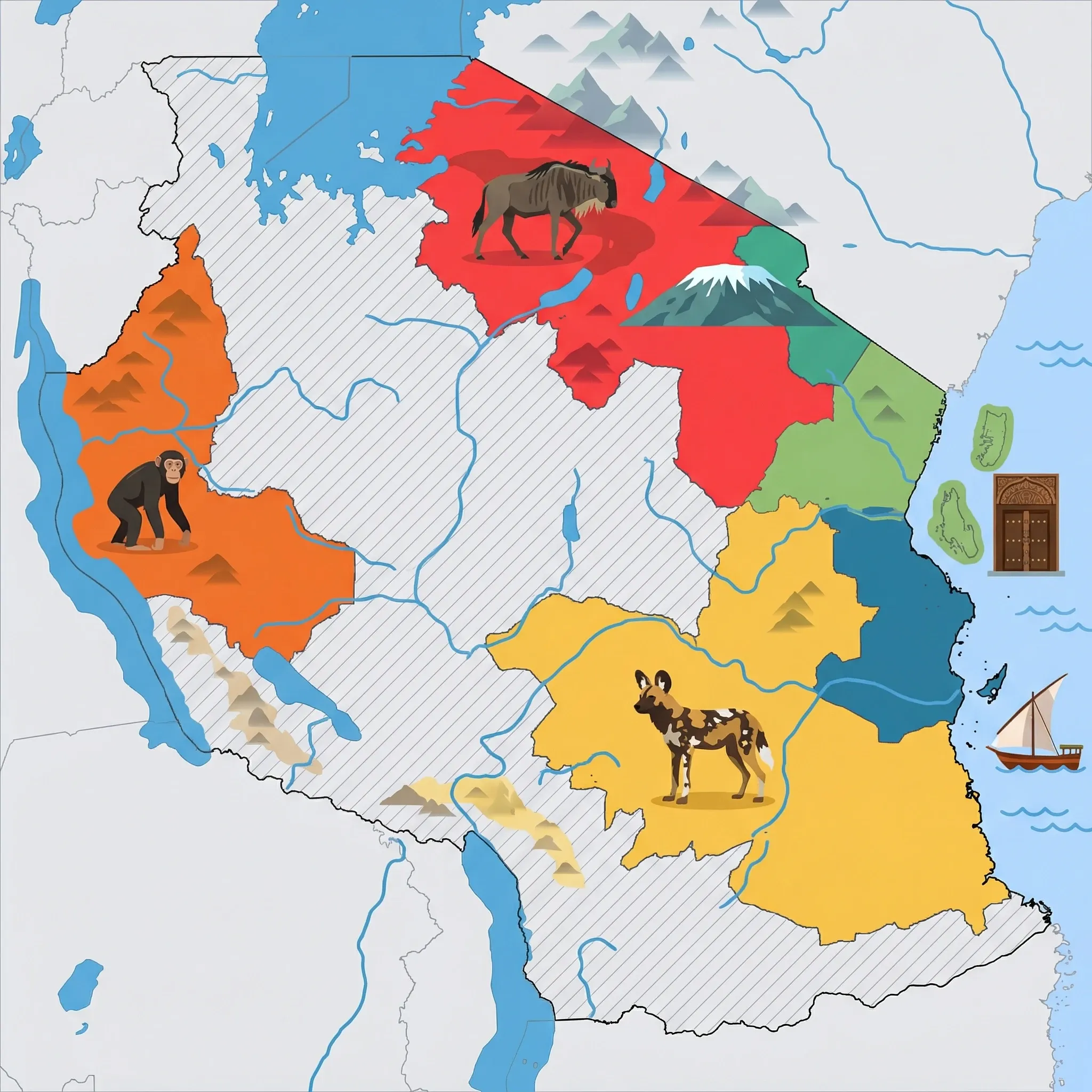
Click a region to explore
⚠️ SAFETY WARNING: Due to the proximity to the DRC and Burundi borders, where armed groups and political instability can pose risks, government agencies (including the USA and Canada) advise travelers to reconsider travel to this region. While the organized fly-in tourism to Mahale and Gombe is managed with high security and is considered safe, independent overland travel near the borders is discouraged. Families are strongly urged to consult their own government's official travel advisory before considering a trip, as circumstances and risk assessments vary.
Western Tanzania is the frontier of the extraordinary. Dominated by Lake Tanganyika—the world's longest and second-deepest freshwater lake—this region feels like an island paradise dropped into the heart of Africa. The primary draw here is primates. This is one of the few places on earth where you can trek to see chimpanzees in the wild. For families with older children (usually 12+ for trekking), the experience of making eye contact with a chimp is profound and unforgettable. The pace of life here is determined by the lake and the forest; it is slower, quieter, and deeply disconnected from the modern world.
The logistics of getting here mean it receives far fewer visitors than the north, ensuring an intimate experience. The backdrop is stunning: forested mountains rising sharply from gin-clear waters that teem with colorful cichlid fish. It's a place where you hike in the morning and snorkel in the afternoon. The isolation is part of the charm, but it requires commitment to reach. It is a destination for families who are true nature lovers and willing to go off the beaten path for a once-in-a-lifetime encounter.
Key Attractions
Mahale Mountains National Park is widely considered one of the most beautiful parks in Africa. With no roads, all exploration is done on foot or by boat. The chimpanzee trekking here is the main event, but the forest is also home to eight other primate species, bushbucks, and a kaleidoscopic array of butterflies. The beaches along the lake are soft white sand, perfect for relaxation after a humid hike.
Gombe Stream National Park Beach is smaller but historically significant as the site of Jane Goodall's pioneering research. It is more accessible from Kigoma town than Mahale. Families can visit the research centre, see the waterfalls, and trek to see the habituated chimp families that have been studied for decades. The park is a narrow strip of steep valleys, offering challenging but rewarding hiking.
Practical Advice
Chimpanzee trekking has strict age limits (usually 12 years or older) to protect the animals from human diseases and for safety. Families with younger children should check lodge policies carefully; some may offer alternative childcare or boat activities, but the main attraction is restricted. The best time to visit is the dry season (May to October) when trails are less slippery and chimps stay on lower slopes.
Food & Drink
Typical meal times: Camps operate on standard safari times. Breakfast 7:00 am, Lunch 1:00 pm, Dinner 8:00 pm.
Typical meal costs: All-inclusive in the high-end lodges. In Kigoma town, local meals cost 10,000–20,000 TZS (approx. $4–8 USD / €3.50–7 EUR).
Dietary requirements: Lodges in Mahale and Gombe are luxury operations and cater well to allergies and preferences. In Kigoma, options are more limited to local fare.
Signature dishes:
- Dagaa – Tiny, silver sardine-like fish from Lake Tanganyika, sun-dried and fried or cooked in a tomato sauce. They are a local delicacy and protein staple.
- Migebuka – A type of perch unique to Lake Tanganyika, grilled fresh and renowned for its sweet, firm flesh.
- Ndizi Kaanga – Fried plantains, a common side dish that balances the salty fish dishes perfectly.
Why this score?
Accessing the parks involves multi-modal travel through thick forests and across the massive Lake Tanganyika. The lack of roads within the parks means all exploration is done on foot in steep, jungle terrain, representing a high level of physical adventure.
Why this score?
Facilities are minimal, with the nearest basic town hospital in Kigoma being several hours away by boat. There are virtually no medical services that cater to international standards, making this one of the most challenging regions for healthcare access in the country.
Why this score?
Due to its extreme remoteness and the high cost of access via small planes or boats, very few international tourists visit this region. It remains a niche destination for dedicated wildlife enthusiasts primarily interested in chimpanzee trekking.

This is the most expensive circuit in Tanzania due to its remoteness. Mahale packages often exceed $1,000 USD (approx. 2,600,000 TZS) per person per night. Park fees for chimp trekking are also high ($80–100 USD per trek). It is an exclusive, high-cost, high-reward destination.

Getting Here & Around
Getting Here
- Airports – Access is primarily via charter flights to airstrips in Mahale or Kigoma Airport (TKQ) from Dar es Salaam or Arusha.
- Boat – Mahale is reached by a 1.5 to 4-hour boat ride from the airstrip or lodge transfer points. The iconic MV Liemba ferry runs along the lake but is erratic and not recommended for short holiday schedules.
Getting Around
- Walking – Within the parks, there are no roads. You walk everywhere. Trails can be steep and humid.
- Boat – The "road" of the region is Lake Tanganyika. Traditional dhows and speedboats transfer guests between lodges and trekking start points.
Nearby Airports (2 airports)
Mpanda Airport
NPYMpanda
Kigoma Airport
TKQKigoma
View full flight map for Tanzania →
Official Links

Packing List
Protection against safari ants and snakes while trekking through dense forest undergrowth.
Trails are steep, muddy, and uneven; good ankle support and grip are non-negotiable.
Lake Tanganyika can get surprisingly rough; boat transfers can be choppy.
Essential for boat transfers to lodges to keep electronics dry from lake spray.
Bush planes to Zanzibar/Serengeti often refuse hard-shell suitcases; soft bags are mandatory.
Tsetse flies are attracted to dark blue and black; khaki or tan colors keep you hidden and bite-free.
Safari vehicles are open-sided; dust is intense in the dry season and will cover your face.
Lodges have few outlets and limited generator hours; charge all family devices at once.
Roads in national parks are extremely bumpy; essential for kids prone to car sickness.
Keeps children engaged during game drives so they don't have to wait for the adult pair.

Activities & Best Times

Hiking, wildlife, outdoor exploration, ecotourism
A world-class destination for primate encounters, specifically famous for wild chimpanzee trekking in Mahale Mountains and Gombe Stream. The dry season (June-October) is optimal as chimpanzees move to lower slopes near the lake, while the wet season makes forest terrain difficult and slippery.

Urban tourism, museums, historical sites, architecture
Kigoma offers a unique glimpse into colonial history and African Great Lakes culture, featuring the significant Livingstone Memorial at Ujiji. Access to these historic sites is easiest during the dry months, while the heaviest rains in March and April can make urban exploration muddy and difficult.

Sport tourism, fitness activities, active recreation
Offers demanding high-altitude trekking such as the Mount Kungwe summit and various steep forest trails for experienced hikers. These activities are safest and most rewarding in the dry season when visibility is high and trails are stable.

Learning experiences, scientific sites, historical education
Features significant natural history and primatology information centers linked to Jane Goodall's research legacy. Visits are best timed with the dry season when park accessibility allows for full engagement with the scientific and conservation programs.

Scenic drives, countryside tours, route-based travel
The Western Safari Circuit offers a rugged and remote driving experience for highly adventurous families, though infrastructure is limited. Travel is only recommended during the peak dry months as many tracks become impassable during the rainy seasons.




Public Holidays & Calendar Next 12 months
Public holidays, festivals, cultural celebrations, and seasonal natural phenomena coming up in Western Tanzania (Mahale, Gombe - chimps) over the next 12 months.
Loading holidays and events...

Travel Advisory
The majority of international agencies recommend exercising a high degree of caution or increased vigilance. This assessment reflects significant concerns regarding street crime, the potential for political unrest after recent elections, and localized terrorism threats, particularly near the southern border.
Safety Topics
Traveller Advice (3 groups)

Female travellers may experience verbal harassment and unwanted attention. Dressing conservatively and avoiding solo travel at night can help mitigate these risks.

When visiting national parks like the Serengeti or climbing Mount Kilimanjaro, be aware of reports of armed banditry. Using reputable tour operators and travelling in groups is strongly recommended.

Same-sex relationships are illegal and highly stigmatized. Public displays of affection can lead to harassment, arrest, or imprisonment. High levels of discretion are required as authorities have been known to target individuals based on sexual orientation.
Agency Summaries
Heightened safety awareness is necessary because of the frequency of violent crime and the potential for civil disturbances. Specific regions in the southeast carry a much higher risk due to militant activity.
Travellers should maintain a high level of vigilance due to prevalent crime and the risk of terrorism. Stricter warnings apply to the southern border areas near Mozambique where armed groups are active.
The risk level was recently elevated due to political instability and civil unrest following national elections. Violent crime, terrorism, and the specific targeting of marginalized groups also contribute to the higher warning level.
The political environment is currently stable but can shift quickly. Visitors are encouraged to avoid large gatherings and monitor local news carefully while adhering to strict entry requirements.
Safety concerns exceed those of typical Western countries, primarily due to violent street crime and the threat of extremist attacks. Road safety and ferry travel also present significant hazards.
While general travel is permitted, the authorities advise against visiting areas within 20km of the Mozambique border. Visitors should stay informed about the political climate following the late 2025 elections.
Information is provided for general guidance only and does not constitute travel, safety, medical, or legal advice. Conditions may change. Users are responsible for independently verifying information before travel.