
Zanzibar
Spice-scented alleys and turquoise waters on the Swahili Coast 🏝️⛵
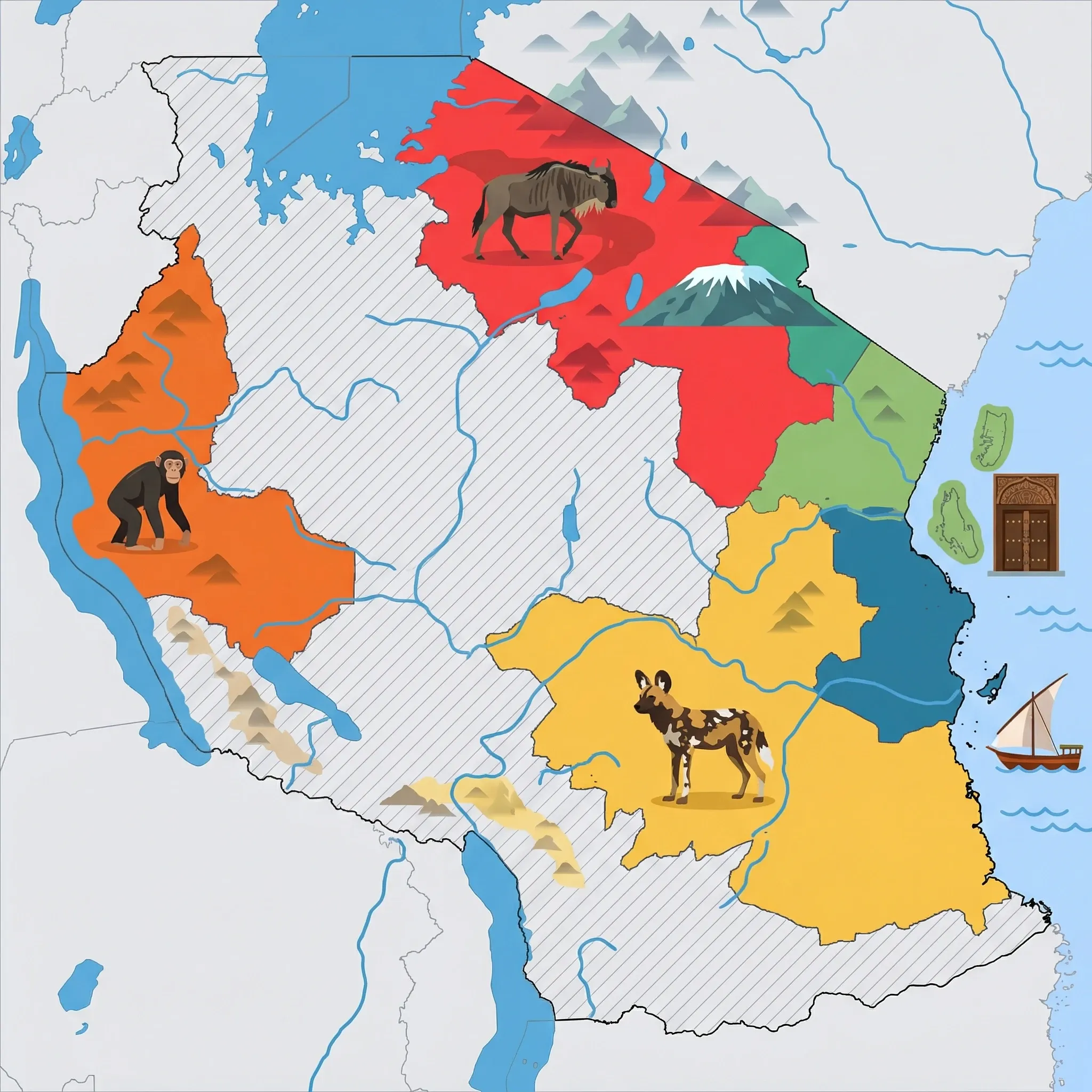
Click a region to explore
⚠️ SAFETY WARNING: Due to potential for civil unrest and petty crime, government agencies (including the USA and UK) advise travelers to reconsider travel to Zanzibar, particularly Stone Town at night. While the beach resorts are generally secure, visitors should be vigilant against bag snatching and scams in urban areas. Political demonstrations can occur. Families are strongly urged to consult their own government's official travel advisory before considering a trip, as circumstances and risk assessments vary.
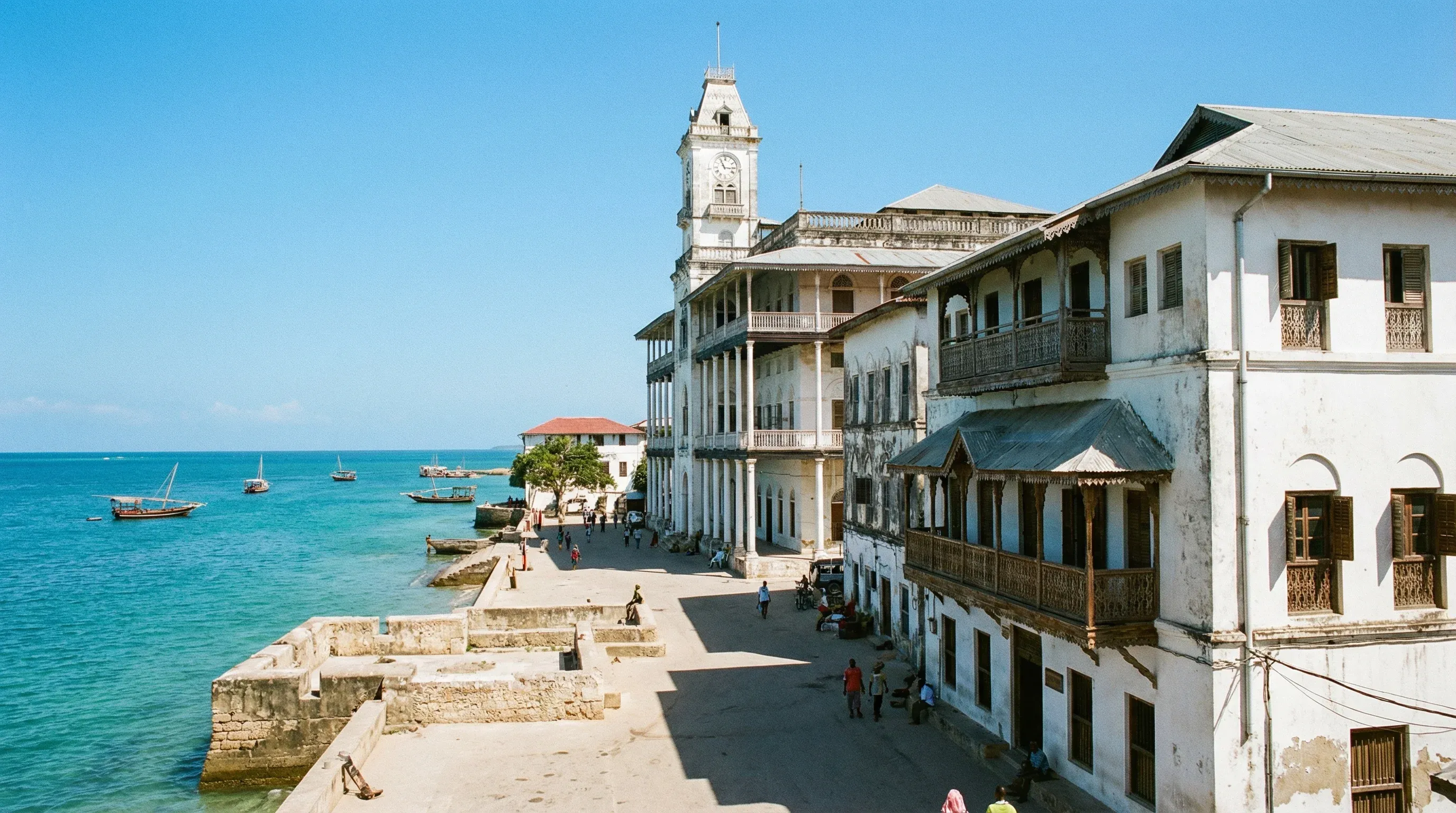
Zanzibar is a name that evokes magic, and the reality lives up to the legend. For families, it offers the perfect "bush and beach" conclusion to a Tanzanian adventure. The island is a fusion of Africa, Arabia, India, and Europe, evident in the architecture, the food, and the faces of the people. Stone Town, the historic heart, is a UNESCO World Heritage site where children can get lost in a maze of narrow alleys, chasing the scent of cloves and cinnamon. It feels like stepping back in time, with donkey carts still trundling past grand wooden doors studded with brass.
Beyond the history, the beaches are world-class. The northern tip (Nungwi and Kendwa) offers non-tidal swimming where the water is always accessible, while the east coast (Paje, Jambiani) has dramatic tides that reveal miles of white sand and rock pools perfect for curious toddlers to explore. The ocean is warm and inviting, teeming with starfish and tropical fish. It is a place to slow down, drink fresh coconut water, and let the kids play in the sand while parents soak up the Swahili atmosphere. The culture is conservative but welcoming, offering a gentle lesson in diversity for young travellers.
Key Attractions
Stone Town is a living museum. Families can visit the Old Fort, run around the Forodhani Gardens night market, and take a boat to Prison Island to feed the giant Aldabra tortoises—some of which are over 150 years old. It is a hit with children of all ages.
Jozani Chwaka Bay National Park is the only national park on the island and home to the endemic Red Colobus Monkey. These monkeys are habituated and often come close to the boardwalks, providing excellent photo opportunities. The park also features a mangrove boardwalk that explains the coastal ecosystem. For water lovers, a "Safari Blue" dhow cruise offers snorkeling, dolphin watching (though ethical operators should be chosen carefully), and a seafood BBQ on a sandbank.
Practical Advice
Zanzibar is predominantly Muslim. Families should dress modestly in Stone Town and villages (shoulders and knees covered). Beachwear is fine at resorts. The sun is equatorial and fierce; high SPF is mandatory. The island has a "pole pole" (slowly slowly) culture—service can be leisurely, so patience is key.
Food & Drink
Typical meal times: Lunch 12:00 pm to 3:00 pm. Dinner is often late, 7:30 pm to 10:00 pm, enjoying the cool evening breeze.
Typical meal costs: Stone Town restaurants: 30,000–60,000 TZS (approx. $11–23 USD / €10.50–21 EUR). Night market skewers: 5,000–10,000 TZS (approx. $2–4 USD / €1.75–3.50 EUR). Resort meals are more expensive.
Dietary requirements: Stone Town has many tourist-friendly cafes with vegan and GF options. Seafood is the main staple. Spices are used generously, but food is not necessarily "hot" spicy unless requested.
Signature dishes:
- Urojo (Zanzibar Mix) – A yellow, turmeric-spiced soup filled with potato balls, falafel, and crispy bhaji, topped with coconut chutney and chili. The ultimate street food.
- Biryani – Influenced by Omani heritage, Zanzibar biryani separates the spiced rice and the rich meat curry sauce, unlike the mixed Indian version.
- Octopus Curry – Tender octopus simmered in a thick, creamy coconut and turmeric sauce (Pweza wa nazi), best eaten with chapati.
Why this score?
The island is well-developed for tourism, with most visitors staying in comfortable resorts or walking through the managed streets of Stone Town. While water sports and spice tours offer some activity, the environment is generally safe and easily navigable for families.
Why this score?
Zanzibar City has improved its healthcare with facilities like Tasakhtaa Global Hospital, which provides modern diagnostics and English-speaking staff. However, outside the main city, clinics are basic, and for major surgical needs, patients are often stabilized and sent to Dar es Salaam.
Why this score?
Zanzibar is a world-class beach destination and the most visited part of Tanzania for pure leisure. Its combination of historic Stone Town and turquoise beaches makes it a staple of the Indian Ocean tourism circuit, rivaling regions like the Maldives or Mauritius.

Zanzibar has options for all pockets. Budget hostels in Paje cost 50,000–80,000 TZS (approx. $20–30 USD / €18–28 EUR). Luxury resorts in Nungwi can reach $400–600 USD per night. Food and transport are generally affordable if you avoid the most exclusive hotel restaurants.

Getting Here & Around
Getting Here
- Airports – Abeid Amani Karume International Airport (ZNZ) receives international flights and frequent hops from Dar es Salaam (20 mins) and Arusha (1.5 hours).
- Ferry – High-speed ferries run daily from Dar es Salaam to Stone Town. The journey takes about 2 hours and is comfortable in VIP class, though seas can be rough.
Getting Around
- Taxi – The standard way to move between Stone Town and beaches. Always agree on a fare before starting or book through your hotel.
- Dala-dala – Local open-air trucks. extremely cheap (2,000 TZS) and an authentic experience, but slow and crowded. Fun for a short hop, tiring for a long journey.
- Walking – The only way to see Stone Town. The streets are too narrow for cars.
Nearby Airports (2 airports)
Pemba
PMAPemba
Zanzibar
ZNZZanzibar
View full flight map for Tanzania →

Packing List
Sea urchins are common in the rocky shallows and seagrass; protects feet at low tide.
The equatorial sun is intense; easy to burn while snorkeling. Also provides modesty.
Versatile for covering shoulders in Stone Town or using as a beach towel.
Essential for dhow trips and snorkeling to protect against salt spray and splashes.
Bush planes to Zanzibar/Serengeti often refuse hard-shell suitcases; soft bags are mandatory.
Tsetse flies are attracted to dark blue and black; khaki or tan colors keep you hidden and bite-free.
Safari vehicles are open-sided; dust is intense in the dry season and will cover your face.
Lodges have few outlets and limited generator hours; charge all family devices at once.
Roads in national parks are extremely bumpy; essential for kids prone to car sickness.
Keeps children engaged during game drives so they don't have to wait for the adult pair.

Activities & Best Times

Beach resorts, marine activities: diving, snorkelling, kite surfing, wind surfing, sailing
Zanzibar's beaches (Nungwi, Kendwa, Paje) are internationally recognized and attract beach tourists globally. Mnemba Atoll offers world-class diving. While not Caribbean-level, this is a nationally significant beach destination that draws international beach tourists specifically to this region.

Urban tourism, museums, historical sites, architecture
Stone Town is a UNESCO World Heritage Site with exceptional Swahili architectural heritage, historic slave market, House of Wonders, and Old Fort. This is more than 'marginal' - it's a significant cultural destination with international recognition.

Public Holidays & Calendar Next 12 months
Public holidays, festivals, cultural celebrations, and seasonal natural phenomena coming up in Zanzibar over the next 12 months.
Loading holidays and events...

Travel Advisory
The majority of international agencies recommend exercising a high degree of caution or increased vigilance. This assessment reflects significant concerns regarding street crime, the potential for political unrest after recent elections, and localized terrorism threats, particularly near the southern border.
Safety Topics
Traveller Advice (3 groups)

Female travellers may experience verbal harassment and unwanted attention. Dressing conservatively and avoiding solo travel at night can help mitigate these risks.

When visiting national parks like the Serengeti or climbing Mount Kilimanjaro, be aware of reports of armed banditry. Using reputable tour operators and travelling in groups is strongly recommended.

Same-sex relationships are illegal and highly stigmatized. Public displays of affection can lead to harassment, arrest, or imprisonment. High levels of discretion are required as authorities have been known to target individuals based on sexual orientation.
Agency Summaries
Heightened safety awareness is necessary because of the frequency of violent crime and the potential for civil disturbances. Specific regions in the southeast carry a much higher risk due to militant activity.
Travellers should maintain a high level of vigilance due to prevalent crime and the risk of terrorism. Stricter warnings apply to the southern border areas near Mozambique where armed groups are active.
The risk level was recently elevated due to political instability and civil unrest following national elections. Violent crime, terrorism, and the specific targeting of marginalized groups also contribute to the higher warning level.
The political environment is currently stable but can shift quickly. Visitors are encouraged to avoid large gatherings and monitor local news carefully while adhering to strict entry requirements.
Safety concerns exceed those of typical Western countries, primarily due to violent street crime and the threat of extremist attacks. Road safety and ferry travel also present significant hazards.
While general travel is permitted, the authorities advise against visiting areas within 20km of the Mozambique border. Visitors should stay informed about the political climate following the late 2025 elections.
Information is provided for general guidance only and does not constitute travel, safety, medical, or legal advice. Conditions may change. Users are responsible for independently verifying information before travel.