
Grand Bahama (Freeport)
Nature, caves, and calm waters just minutes from Florida 🌿🦇
Click a region to explore
Overview
Grand Bahama creates a bridge between the highly developed tourism of Nassau and the sleepy charm of the Out Islands. For families, this balance is perfect: you have access to reliable medical facilities, large grocery stores, and organized tours in Freeport and Lucaya, but a short drive takes you into pristine pine forests and secluded beaches. The island is flat and easy to navigate, making it less intimidating for first-time visitors than the more remote archipelagos. The atmosphere is subdued and suburban compared to the high-energy rush of Nassau, offering a safer-feeling and more relaxed pace for parents with young children.
Ecologically, Grand Bahama is distinct because of its massive Caribbean pine forests and intricate mangrove swamplands. These ecosystems are accessible even to toddlers via well-maintained boardwalks. The island's northern location often means slightly cooler, more comfortable temperatures in the winter months. Whether you are kayaking through tidal creeks, spotting raccoons (a distinct local subspecies), or simply building sandcastles on the expansive Gold Rock Beach, the focus here is on outdoor recreation that is accessible and low-stress.
Key Attractions
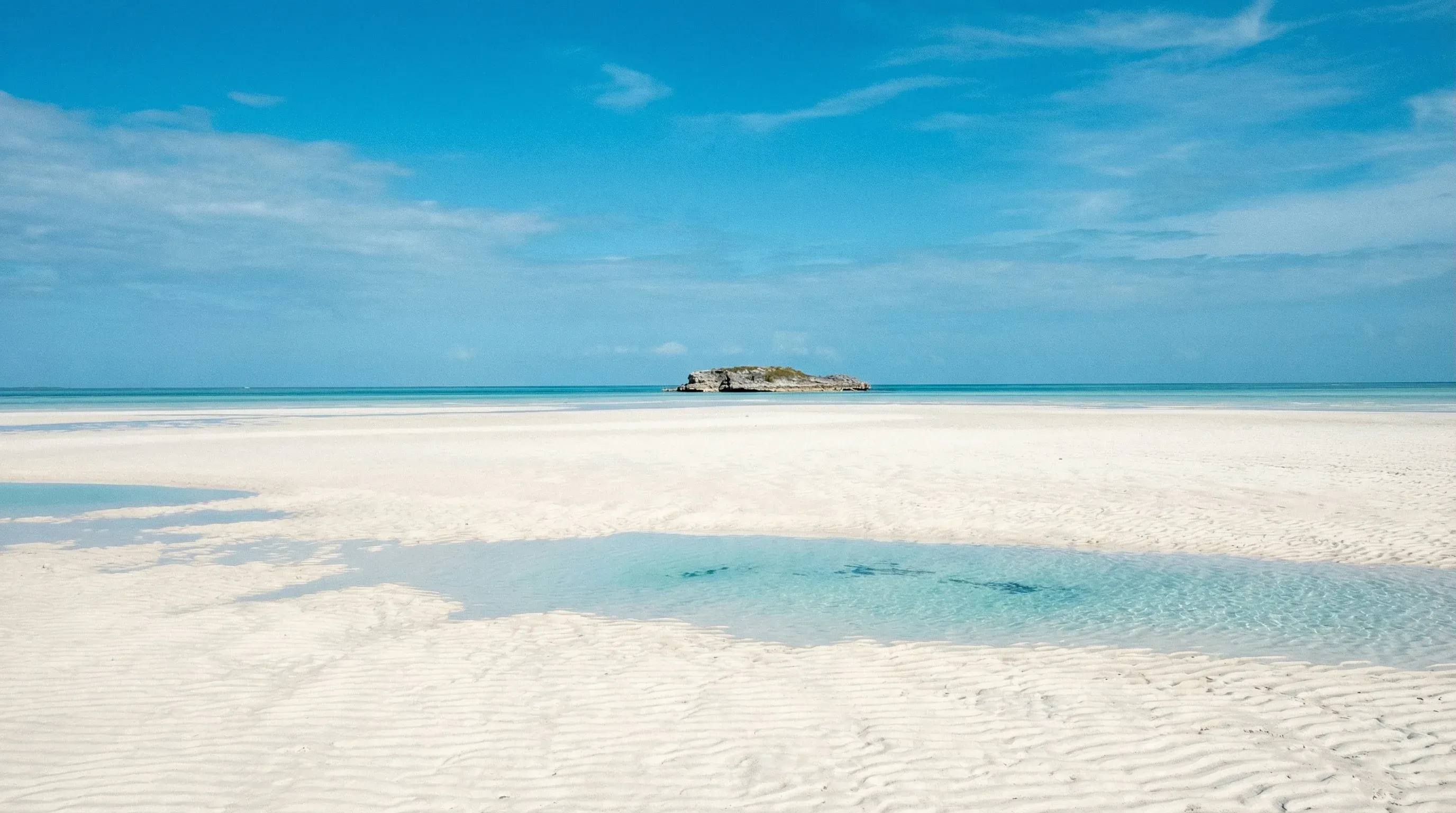
The absolute must-visit for any family is Lucayan National Park. This 40-acre park packs an incredible punch, featuring all six of the Bahamas' vegetative zones. Families can walk short trails to see the entrances of Ben's Cave and Burial Mound Cave—part of one of the longest underwater cave systems in the world. Across the road, a boardwalk winds through mangroves to Gold Rock Beach, often cited as one of the most beautiful beaches in the Caribbean due to its rippled sandbars at low tide.
For a dose of history and local culture, a trip to West End is highly recommended. As the oldest settlement on the island, it offers a glimpse into the past with its historic buildings and reputation for excellent fishing. It is a quieter alternative to the tourist hub of Port Lucaya and provides families with a chance to see the 'real' Grand Bahama, watch local fishermen bring in their catch, and enjoy a slower pace of life.
Practical Advice
Grand Bahama is large, so renting a car is arguably the best way for families to see the park and West End. The best time to visit is mid-December to April. Be aware that the island is still recovering in parts from past hurricanes, so some infrastructure may look weathered, though tourist areas are fully operational.
Food & Drink
Typical meal times: Breakfast 7:30 am – 10:30 am, Lunch 12:00 pm – 2:00 pm, Dinner 6:00 pm – 9:00 pm.
Typical meal costs: Casual dining is reasonable. A main course runs BS$20–40 (approx. $20–40 USD / €18–37 EUR).
Dietary requirements: Freeport and Lucaya have American-style supermarkets and restaurants that cater well to allergies and vegetarian diets. Options become limited in remote settlements.
Signature dishes:
- Conch Fritters – Bite-sized balls of conch meat, peppers, and batter, deep-fried and served with a ketchup-mayo 'calypso sauce'.
- Stuffed Lobster – Spiny lobster tail stuffed with a savory breadcrumb and herb filling, often broiled.
- Johnny Cake – A dense, slightly sweet bread somewhere between a biscuit and a cake, served as a side dish with stews.
Why this score?
The island offers some eco-adventure through the underwater cave systems of Lucayan National Park and kayaking in mangroves. However, most tourism is centered around developed beach resorts and the Port Lucaya Marketplace, making it less rugged than the remote Out Islands.
Why this score?
Freeport is home to the Rand Memorial Hospital, which provides a higher level of care than the smaller islands, including some specialized services. While adequate for most visitor needs, it still lacks the advanced world-class facilities found in major global medical hubs.
Why this score?
As the second most populous island, Grand Bahama serves as a significant entry point for cruise ships and ferries from Florida. Although its tourism sector has faced challenges since Hurricane Dorian, it remains a recognized destination with established resort infrastructure and international appeal.

Grand Bahama is generally more affordable than Nassau or the Exumas. Mid-range hotels are available, and the option to take a ferry from Florida can save significantly on airfare. Family meals at Port Lucaya vary, but budget options exist. Expect to pay BS$150–250 (approx. $150–250 USD / €140–230 EUR) per night for decent family accommodation.

Getting Here & Around
Getting Here
- Airports – Grand Bahama International Airport (FPO) in Freeport handles international flights, primarily from the US East Coast (Miami, Fort Lauderdale).
- Ferry – Fast ferry services run from Fort Lauderdale, Florida, directly to Freeport. This takes about 3-4 hours and is a popular, cost-effective option for families.
- Cruise – Freeport is a major port of call for cruise lines, with easy taxi access from the harbor to Lucayan National Park excursions.
Getting Around
- Car – Highly recommended for visiting Lucayan National Park and West End. Roads are wide and flat; remember to drive on the left.
- Taxi – Readily available at hotels and tourist centers. Fares are usually fixed/zoned, but confirm the price before getting in.
- Public Bus – Jitney buses are cheap and run frequently between downtown Freeport and Lucaya, but do not service the national park or West End.
Nearby Airports (1 airport)
Grand Bahama International
FPOFreeport
View full flight map for The Bahamas →

Packing List
Mangrove areas and pine forests can have sand flies and mosquitoes, especially at dusk.
Necessary for walking the rocky paths near the cave entrances in the National Park.
Essential as renting a car is the only viable way to see the nature parks.
Rental shops are not always available at remote beaches like Gold Rock.
The best way to remove sticky wet sand from children's legs and feet before getting back in the car or hotel room.
Essential for protecting the coral ecosystems; local supplies can be extremely expensive or limited in brand choice.
Sand flies (no-see-ums) appear at dusk and their bites are itchy; standard mosquito spray often doesn't work on them.
Resorts charge a premium for these; packing your own deflated set saves money and ensures you have them immediately.
With so many boat excursions and water activities, this keeps your device safe while capturing family memories.
The UV index is extreme; full-coverage swim shirts prevent sunburn better than sunscreen during long snorkeling sessions.

Activities & Best Times

Hiking, wildlife, outdoor exploration, ecotourism
Home to the Lucayan National Park's extensive underwater cave system and diverse mangrove ecosystems. Best explored from late autumn to spring when temperatures are manageable and mosquito activity is lower.

Sport tourism, fitness activities, active recreation
World-class diving through UNEXSO and extensive hiking trails in national parks define the active scene. Activities are most reliable during the dry season when sea conditions are calm and trails are well-maintained.

Beach resorts, marine activities: diving, snorkelling, kite surfing, wind surfing, sailing
Offers iconic stretches like Gold Rock Beach and snorkeling at Peterson Cay with high water clarity. Peak visitation occurs during the dry winter months to avoid the Atlantic hurricane season and high summer humidity.

Urban tourism, museums, historical sites, architecture
While Freeport has craft markets and botanical gardens, it lacks globally significant cultural institutions. 'Very good' should be reserved for internationally outstanding cultural destinations. The region is primarily a nature/beach destination with good but not exceptional cultural offerings.

Learning experiences, scientific sites, historical education
Features specialized facilities like Coral Vita for reef restoration and the Dolphin Experience at Sanctuary Bay. These sites are best visited outside the peak storm season to ensure consistent operating schedules.

Scenic drives, countryside tours, route-based travel
The Queen's Highway provides a scenic route across the island connecting the historic West End to the rugged East End. Optimal driving conditions and visibility occur during the dry winter and spring months.




Public Holidays & Calendar Next 12 months
Public holidays, festivals, cultural celebrations, and seasonal natural phenomena coming up in Grand Bahama (Freeport) over the next 12 months.
Loading holidays and events...

Travel Advisory
While several agencies maintain a baseline advisory, a significant number of major partners advise increased vigilance due to high rates of violent crime in urban hubs. Travelers should stay alert in Nassau and Freeport.
Safety Topics
Traveller Advice (2 groups)

Local social attitudes tend to be conservative. While same-sex relations are legal, public displays of affection may attract negative attention or hostility in some communities.

Female visitors should be particularly cautious as reports of sexual assault have occurred, sometimes involving watercraft operators or happening in poorly lit areas. It is recommended to avoid walking alone after dark or visiting isolated beaches.
Agency Summaries
Increased safety precautions are advised due to the persistent threat of violent crime in popular tourist and residential areas.
General travel is permitted, though visitors should remain alert to street crime and exercise caution with water-based activities and in secluded areas.
The safety environment is considered stable, but travellers should maintain standard personal security awareness as they would at home.
Heightened vigilance is recommended due to prevalent violent crime, including armed robberies and sexual assaults, occurring across the islands.
Travellers are urged to be highly vigilant because of significant crime levels, particularly in the urban centers of Nassau and Freeport.
No specific travel restrictions are in place, but visitors are encouraged to have full insurance and stay informed about local conditions.
Information is provided for general guidance only and does not constitute travel, safety, medical, or legal advice. Conditions may change. Users are responsible for independently verifying information before travel.