
Sousse & Sahel Coast
🏖️ Roman ruins, pirate ships, and endless beaches
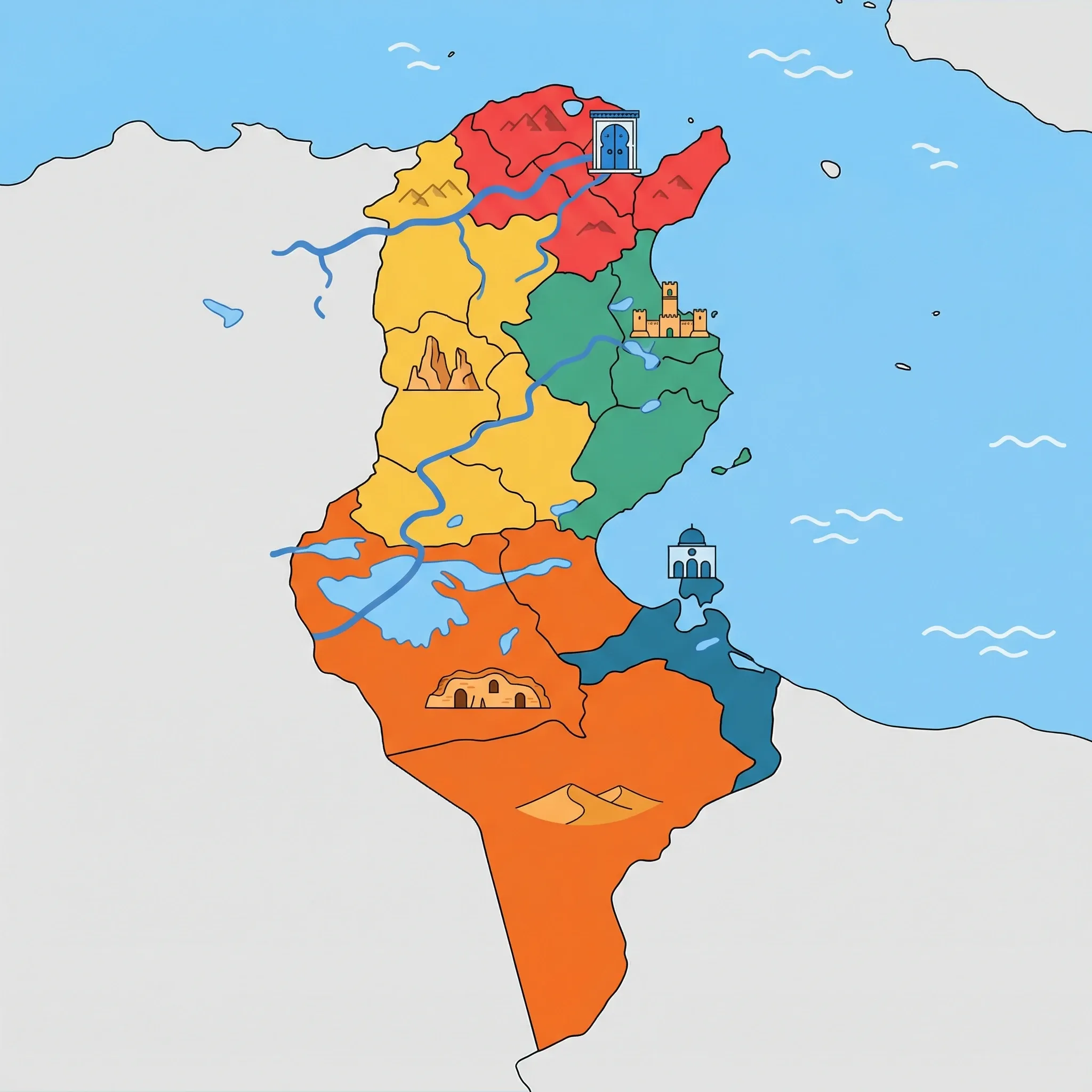
Click a region to explore
The Sahel (coast) region is the beating heart of Tunisian tourism, stretching from the fortress city of Monastir to the fishing port of Mahdia, with the bustling metropolis of Sousse in the center. For families, this is often the most convenient base: the infrastructure is excellent, with hundreds of hotels catering specifically to children with pools, kids' clubs, and beachfront access. But beyond the sun loungers, the region is steeped in history that is accessible and exciting for young travelers. Unlike the isolated desert or the busy capital, the Sahel offers a "best of both worlds" experience—you can spend the morning exploring a UNESCO World Heritage fort and the afternoon on a pirate ship cruise.
Sousse itself is a city of contrasts, where a pristine tourist zone (Port El Kantaoui) sits just a few miles from an authentic, walled medieval medina. The region is famous for its olive groves—"Sahel" means coast, but the hinterland is an endless sea of olive trees. The locals are accustomed to tourists, making navigation easy. Attractions here are designed for impact: the Roman ruins are massive, the museums are housed in castles, and the leisure parks are large. It is an easy, low-stress destination where you can introduce children to North African culture without sacrificing the comforts of a beach holiday.
Key Attractions
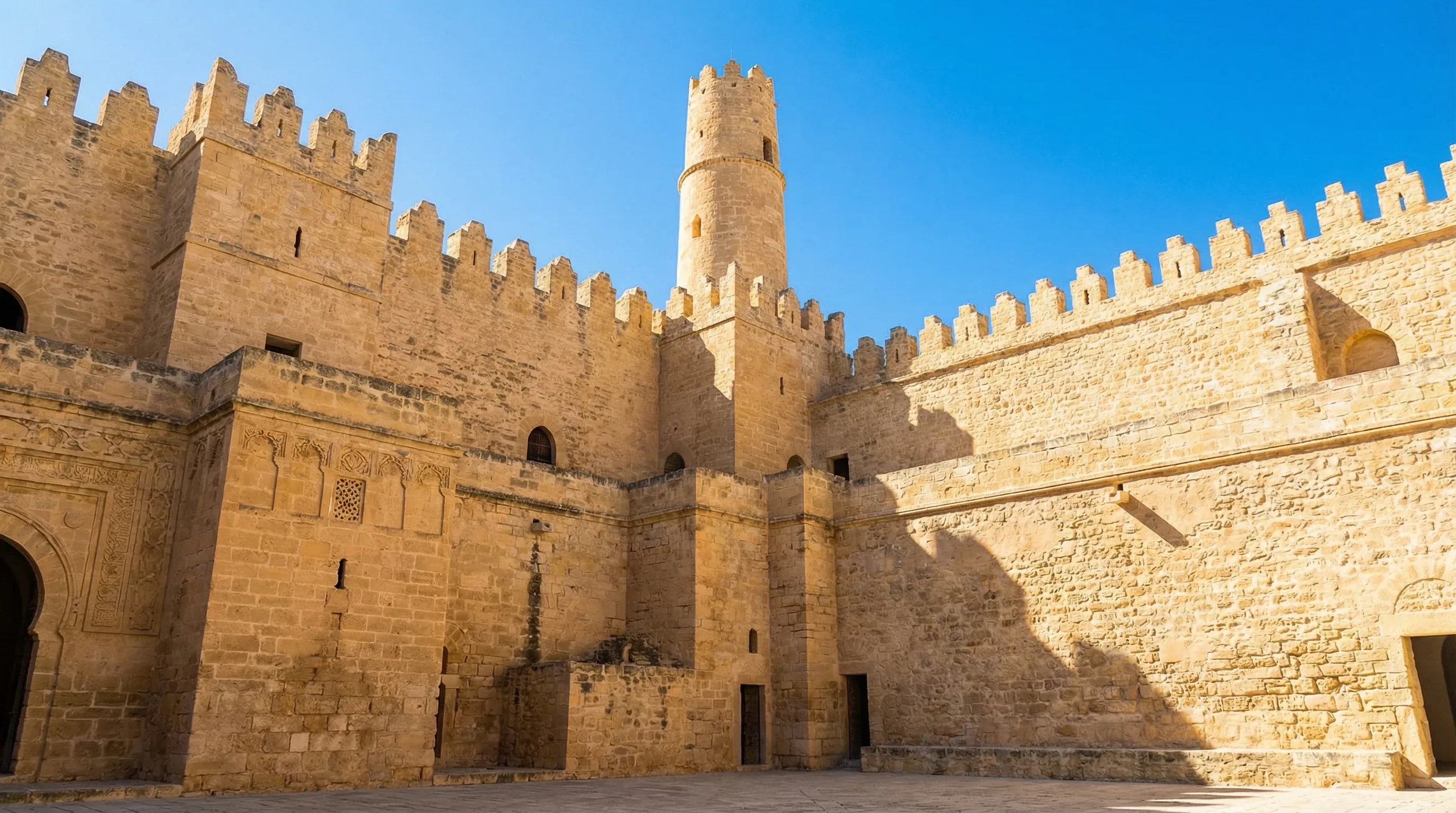
The absolute must-see is the Amphitheatre of El Jem. Often less crowded than Rome's Colosseum but just as preserved, it allows families to explore the underground gladiator tunnels and climb to the top tiers for incredible views. In Sousse, the Medina of Sousse is a walled city that feels like a time capsule; kids enjoy walking the ramparts of the Ribat of Sousse, a fortress monastery with a watchtower. For a break from history, Friguia Park offers a well-maintained zoo experience where you can see African wildlife in large enclosures. The Port El Kantaoui Marina is a pedestrian-friendly zone perfect for an evening stroller walk, ice cream in hand, watching the yachts.
Practical Advice
Summer is peak season and very crowded. May, June, and September are ideal. The commuter train (Metro du Sahel) connects Sousse, Monastir, and Mahdia efficiently. Strollers are fine in Port El Kantaoui but difficult in the cobbled Medina.
Food & Drink
Typical meal times: Lunch 12:30 pm to 2:30 pm. Dinner 7:00 pm to 10:00 pm. Resorts offer all-day dining.
Typical meal costs: Very reasonable. A family dinner in a nice marina restaurant costs 80–130 TND (approx. $26–42 USD / €24–39 EUR).
Dietary requirements: Very accommodating due to high tourism. Pizza and pasta are ubiquitous for fussy eaters. Seafood is the local specialty.
Signature dishes:
- Salade Mechouia – Grilled peppers, tomatoes, and onions, chopped finely and dressed with olive oil and tuna. It can be spicy, so ask first!
- Makroudh – While originally from nearby Kairouan, these semolina cookies filled with date paste and soaked in honey are the region's favorite sweet snack.
- Fresh Sardines – Grilled over charcoal, cheap, healthy, and delicious, often served with lemon and cumin.
Why this score?
The Sahel coast is highly urbanized and focused on beach-and-pool leisure, offering very little in the way of rugged adventure. Activities are mostly centered on water parks, marina walks, and cultural tours of well-preserved historic sites. The environment is designed for comfort and accessibility, making it very easy to navigate but low on physical challenge.
Why this score?
Sousse is a major urban center with a high standard of medical care, including several large private clinics and university hospitals. These facilities often cater to a large expat and tourist population, ensuring better access to English-speaking doctors and international insurance processing. It is the primary medical hub for the central part of the country.
Why this score?
This region is the heart of Tunisia's tourism industry, centered around the massive resort complexes of Port El Kantaoui and the historic Medina of Sousse. It receives millions of visitors annually and is home to the country's highest concentration of hotel beds and tourist amenities. The presence of the UNESCO-listed El Jem amphitheater nearby ensures it remains a top-tier international draw.

The Sahel offers excellent value for money. Even high-end resorts are competitively priced compared to Europe. A 4-star family room can be found for 150–250 TND (approx. $48–80 USD / €45–75 EUR). Transport is negligible; the train between Sousse and Monastir costs less than 2 TND (approx. $0.65 USD / €0.60 EUR).

Getting Here & Around
Getting Here
- Airports – Monastir Habib Bourguiba Airport (MIR) is right in the region. Enfidha-Hammamet Airport (NBE) is 30 minutes north of Sousse.
- Train – The main SNCFT line connects Tunis to Sousse (approx. 2 hours).
- Driving – Connected to Tunis via the A1 highway; a smooth and safe 1.5 to 2-hour drive.
Getting Around
- Metro du Sahel – A handy commuter train connecting Sousse, Monastir (and airport), and Mahdia. It's cheap and scenic.
- Taxis – Yellow taxis are everywhere. Always ask to use the meter.
- Louage – Shared vans connect Amphitheatre of El Jem to Sousse efficiently.
Nearby Airports (2 airports)
Habib Bourguiba International
MIRMonastir
Enfidha - Hammamet International Airport
NBEEnfidha
View full flight map for Tunisia →

Packing List
The ruins at El Jem and Ribats have very little shade and the midday sun is intense.
Public restrooms at historical sites often lack soap or paper.
Useful for tipping attendants at historical sites or paying for restroom access.
English is not widely spoken outside major hotels; French is the primary second language and essential for local interactions.
Multipurpose: essential for covering shoulders/hair when visiting holy sites and useful for protection against desert dust.
Roman sites like Carthage and El Jem have uneven, rubble-strewn ground that is difficult to navigate in flip-flops.
Public restrooms outside of high-end hotels and restaurants frequently lack toilet paper.
Taxi drivers and small shopkeepers in the souks rarely have change for large bills; keep plenty of 1, 5, and 10 Dinar coins/notes.

Activities & Best Times

Urban tourism, museums, historical sites, architecture
The UNESCO-listed Medina of Sousse and the iconic Ribats of Sousse and Monastir offer world-class historical depth for sophisticated travelers. The optimal experience is during the temperate months of spring and autumn, as the mid-summer heat can make urban walking and historical site visits physically taxing.

Hiking, wildlife, outdoor exploration, ecotourism
While Friguia Park and coastal trails exist, this does not meet international standards for 'very_good' adventure/nature. The region's strength is coastal resort development and cultural heritage, not nature-based adventure. Downgrade to 'good' - the activity exists but the region isn't particularly known for it.

Beach resorts, marine activities: diving, snorkelling, kite surfing, wind surfing, sailing
The region features the well-developed marina complex of Port El Kantaoui and the expansive white sands of Mahdia, offering reliable Mediterranean resort experiences. Peak visitation occurs during the hot summer months when sea temperatures are ideal for swimming, while the mild winters are too cool for beach-centric tourism.

Scenic drives, countryside tours, route-based travel
Scenic coastal routes between Sousse and Mahdia and the cliff roads of Hergla offer beautiful Mediterranean vistas and access to traditional villages. Peak driving conditions occur in spring and early autumn when visibility is high and the glare and congestion of the peak summer season are absent.

Sport tourism, fitness activities, active recreation
Dedicated infrastructure for karting and established coastal cycling and hiking loops around Cap Africa cater well to active families. Spring and autumn are the peak periods for these activities, providing moderate temperatures and favorable conditions that are not present during the oppressive summer heat.
Amusement parks, family entertainment venues
The region hosts prominent water parks and amusement centers like Acqua Palace and Hannibal Park, which are popular for high-standard family entertainment. These facilities operate at peak capacity during the summer holidays, while they are largely closed or less appealing during the cooler off-season.

Learning experiences, scientific sites, historical education
The Palais des Sciences de Monastir provides a significant purpose-built discovery center for families interested in scientific engagement. It is best visited during the academic year when cooling temperatures facilitate travel, whereas the heat of mid-summer is generally avoided by educational tourists.

Attractions (11 total)



Public Holidays & Calendar Next 12 months
Public holidays, festivals, cultural celebrations, and seasonal natural phenomena coming up in Sousse & Sahel Coast over the next 12 months.
Loading holidays and events...

Travel Advisory
While most tourist areas remain open, all major agencies recommend increased vigilance due to the threat of terrorism and regional instability. Specific border and mountainous zones carry extreme risk and should be avoided.
Safety Topics
Traveller Advice (3 groups)

Ensure you have comprehensive travel insurance that covers medical evacuation. Always carry a copy of your passport and monitor local media for news of protests or security incidents.

Homosexual acts are illegal in Tunisia and can lead to imprisonment. Public displays of affection should be avoided to prevent legal issues or harassment.

Female travellers may experience unwanted attention or verbal harassment, particularly when travelling alone. Dressing modestly and exercising discretion in public can help mitigate these risks.
Agency Summaries
Irish citizens should maintain a strong level of security awareness. Terrorism remains a primary concern, particularly following historical attacks on tourist infrastructure. Avoid demonstrations and border regions.
New Zealanders should be aware of significant security concerns, including terrorism and the possibility of violent protests. Foreigners have previously been targeted, and border areas carry a risk of kidnapping.
A heightened level of caution is necessary because of the risk of terrorist attacks and potential civil unrest. Protests can occur without warning, and the security environment near international borders is volatile.
Travellers are advised to maintain vigilance throughout the country due to the ongoing threat of terrorism. Extremely strict warnings are in place for areas near the borders with Libya and Algeria, where travel should be completely avoided.
The government warns against all travel to border regions with Libya and Algeria due to security operations and militant activity. While major tourist resorts are generally accessible, visitors must stay informed of shifting security conditions.
Increased caution is recommended due to potential terrorist activity. High-risk zones, including specific mountainous regions in the west and border zones, are designated as Level 4 areas where travel is prohibited for embassy personnel and discouraged for citizens.
Information is provided for general guidance only and does not constitute travel, safety, medical, or legal advice. Conditions may change. Users are responsible for independently verifying information before travel.