
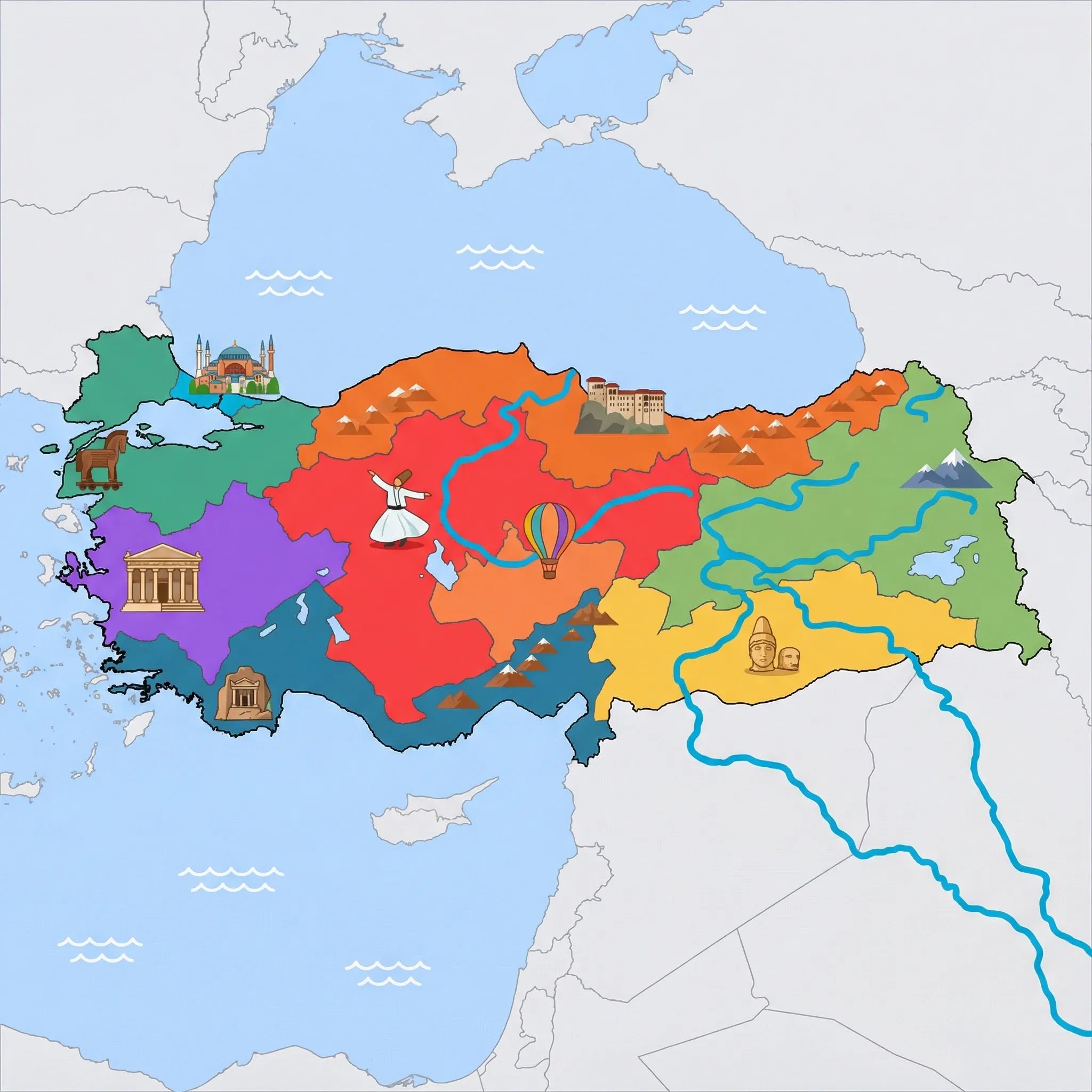
Click a region to explore
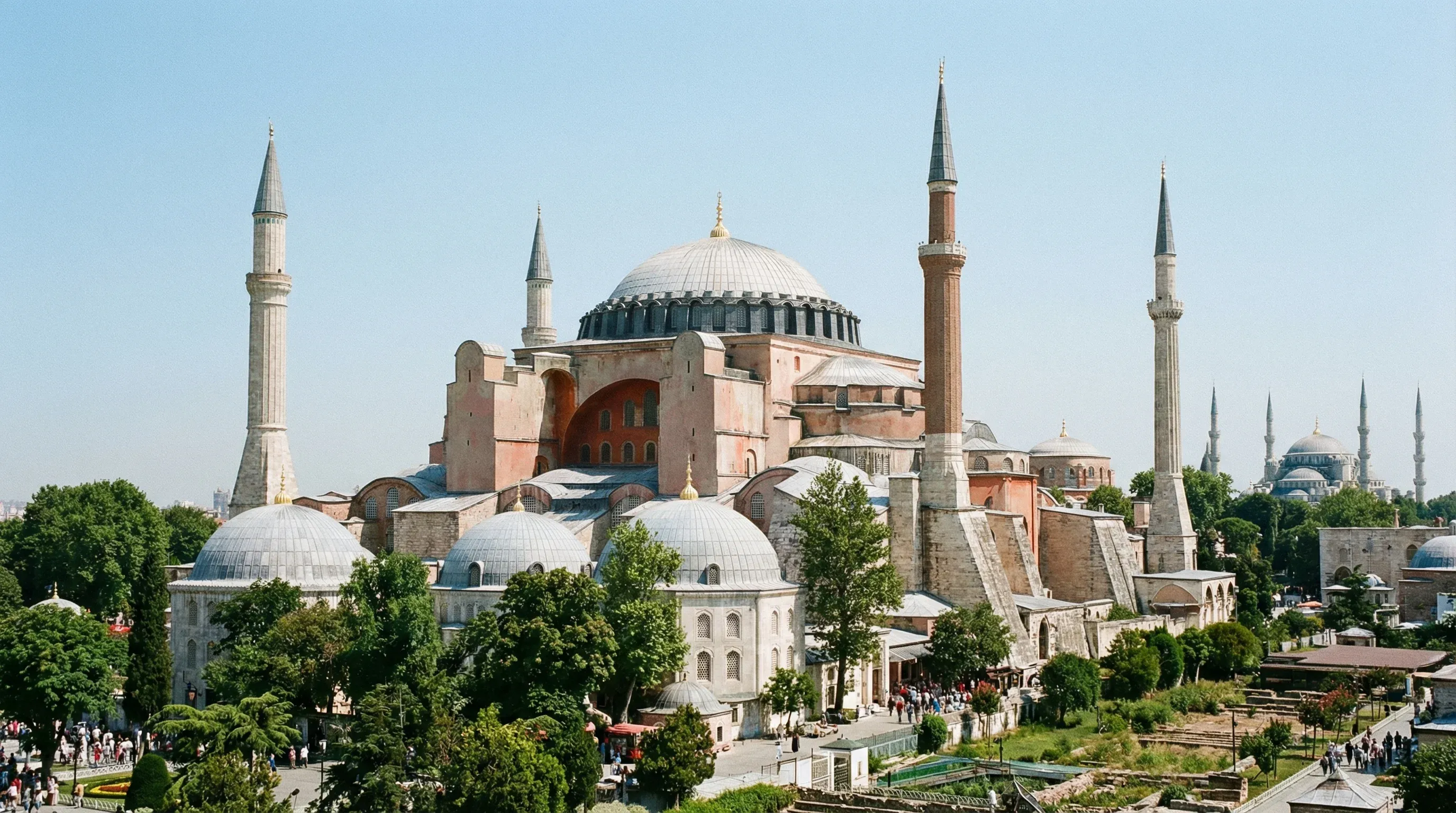
Istanbul is chaotic, loud, beautiful, and utterly enchanting for children. As the only city in the world to straddle two continents (Europe and Asia), a simple ferry ride becomes an intercontinental adventure. For families, the city is a sensory overload in the best possible way: the call to prayer echoing from minarets, the smell of roasting chestnuts on street corners, and the constant bustle of maritime traffic on the Bosphorus. While it can be crowded and hilly (strollers can be a challenge on cobbled streets), the Turkish love for children is nowhere more evident than here. Waiters will entertain your toddlers, and kids are welcomed everywhere.
The city offers a dual experience: the historic Sultanahmet district is like a history book come to life, while modern areas offer huge aquariums, theme parks, and malls. A highlight for any family is a Bosphorus boat tour—feeding seagulls from the back of the boat while watching palaces drift by is a memory that sticks. The Princes' Islands, a car-free archipelago just a ferry ride away, offer a peaceful respite where families can cycle around Victorian-era wooden mansions.
Key Attractions
While the historic mosques and palaces are famous, mixing them with kid-focused activities is key. The Istanbul Aquarium in Florya is one of the best in the region, featuring themes based on the bodies of water surrounding Turkey (and even a rainforest section). Just outside the city limits (but easily accessible) is the Faruk Yalçın Zoo, a large conservation center. Back in the center, taking the Tünel (the world's second-oldest subway) or the nostalgic red tram on Istiklal Street is simple fun. Though not all historic sites have child-specific IDs in our list, the atmosphere of the Grand Bazaar—with its colorful lamps and Turkish delight samples—is an attraction in itself.
Practical Advice
Traffic in Istanbul is legendary and stressful. Avoid driving. Use the excellent public transport (ferries, tram, metro) which is free for kids under 6. Spring (April-May) and Autumn (Sept-Oct) are ideal; summers are hot and humid. Stay in Sultanahmet for walkability to history, or Beyoğlu for atmosphere.
Food & Drink
Typical meal times: Lunch 12:00 pm to 2:30 pm. Dinner 7:30 pm to 10:00 pm. Street food is available 24/7.
Typical meal costs: Ranges from cheap street eats to luxury dining. A mid-range family dinner costs 2,000–3,500 TRY (approx. $60–100 USD / €54–95 EUR).
Dietary requirements: Huge variety available. Vegan and gluten-free cafes are common in neighborhoods like Kadıköy and Cihangir.
Signature dishes:
- Balık Ekmek – Grilled fish sandwich sold from rocking boats near the Galata Bridge. Careful with bones for small kids!
- Simit – A sesame-crusted bread ring, sold from red carts everywhere. The ultimate toddler snack.
- Dondurma – Maras ice cream. Buying it is a show, as the vendor tricks you with sleight of hand.
Why this score?
As a massive, densely populated metropolis, Istanbul offers almost no wilderness or rugged outdoor adventure. Tourism is entirely urban, focused on historic architecture, museums, shopping, and dining within a highly developed city environment.
Why this score?
Istanbul is a world-class center for medical tourism, home to elite private hospital groups like Acıbadem and Memorial which offer multilingual staff and JCI-accredited care. Foreigners have access to excellent emergency services and specialized treatments that rival major Western capitals.
Why this score?
Istanbul is a global mega-destination that consistently ranks among the most visited cities in the world, serving as a primary international gateway. The city’s landmarks, such as the Hagia Sophia and the Bosphorus, draw millions of visitors from every continent annually.

Istanbul is the most expensive city in Turkey. Entrance fees for foreigners at top palaces are high (often €30–45 EUR). A mid-range hotel ranges from 3,500–7,000 TRY (approx. $100–200 USD / €95–190 EUR). Street food remains cheap.

Getting Here & Around
Getting Here
- Airports – Istanbul Airport (IST) on the European side and Sabiha Gökçen (SAW) on the Asian side. Both are massive hubs.
- Train – The Marmaray commuter line connects the continents under the sea. High-speed trains arrive from Ankara/Eskişehir.
Getting Around
- Public Transport – The 'Istanbulkart' is essential. It works on ferries, metros, trams, and buses.
- Ferry – The most enjoyable way to travel between Europe and Asia.
- Walking – Essential in Sultanahmet, but be prepared for steep hills.
Nearby Airports (2 airports)
Istanbul
ISTIstanbul
Istanbul Sabiha Gökçen International Airport
SAWIstanbul
View full flight map for Turkey →
Official Links

Packing List
Streets are cobbled, steep, and crowded; a bulky stroller is a nightmare.
The city is very loud (traffic, calls to prayer, crowds) which can overwhelm sensitive kids.
Useful for women/girls entering mosques (head covering is mandatory).
You will use this transport card constantly; keeping it accessible is key.
You will frequently remove shoes when entering mosques and private homes; laces become a hassle.
Many beaches on the Turquoise Coast are pebbly or have rocky entries that can hurt little feet.
Essential for women and girls to cover heads/shoulders when visiting mosques (men may need to cover knees too).
Strollers struggle on the uneven cobblestones of historic centers and ancient ruins; a carrier is far more practical.
Public restrooms outside major hotels often lack toilet paper; carrying your own supply is a must.
The morning call to prayer is beautiful but loud and starts very early (around 5 am); helpful for light sleepers.

Activities & Best Times

Hiking, wildlife, outdoor exploration, ecotourism
The region offers high-quality rural and wildlife experiences such as Polonezköy Zoo and the Istanbul Butterfly Farm, providing sophisticated families with authentic nature-based escapes from the urban environment. Peak visitation occurs during the temperate spring and autumn months, while the high humidity, rainfall, and cold temperatures of winter significantly degrade the appeal of these outdoor facilities.

Public Holidays & Calendar Next 12 months
Public holidays, festivals, cultural celebrations, and seasonal natural phenomena coming up in Istanbul over the next 12 months.
Loading holidays and events...

Travel Advisory
All major agencies maintain a consensus that travelers should exercise a high degree of vigilance country-wide. This assessment is driven by persistent terrorism risks and potential for civil unrest. Extreme regional risks (L3) exist near the borders, but the national level remains L1.
Safety Topics
Traveller Advice (4 groups)

Climbing Mount Ararat requires a special military permit obtained months in advance. Trekking in remote areas of the southeast is dangerous due to ongoing security operations and the risk of being caught in military zones.

Homosexuality is not illegal, but social acceptance varies widely. Public events like pride marches are frequently banned by local authorities, and travelers may encounter discrimination or social stigma.

Female travelers have reported incidents of harassment and sexual assault in tourist zones. It is recommended to remain alert when traveling alone and to dress modestly, particularly in rural areas or when visiting religious sites.

Ensure passports are valid for at least six months from the date of entry. Maintain a high level of situational awareness in crowded public spaces, transportation hubs, and locations frequented by Westerners.
Agency Summaries
Heightened vigilance is recommended because of terrorism concerns and the risk of arbitrary detentions. Security forces have previously held foreign nationals on politically motivated grounds. Avoid the border regions with Syria and Iraq entirely, as well as the provinces of Sirnak and Hakkari.
There is a heightened risk of terrorism in major cities and tourist locations. Travelers should stay informed of local events and avoid protests. Extreme caution or avoidance is necessary for southeastern provinces and areas bordering Syria.
Vigilance is required throughout the country, particularly in major urban centers like Istanbul and Ankara, where terrorist attacks have occurred. The situation in the southeast is serious, and travel to within 10km of the Syrian border is strongly discouraged.
Travelers should remain vigilant across the country due to the threat of terrorist activity and the potential for public demonstrations. Particular danger exists in the southeastern provinces, especially near the borders with Syria and Iraq, where all travel is discouraged due to volatile security and military activity.
While most of the country is accessible, there is a significant risk of terrorism and regional instability. Specific warnings are in place for the Syrian border area. Recent regional escalations in the Middle East have led to increased security monitoring and potential travel disruptions.
An elevated level of caution is advised due to the persistent threat of terrorism. Travelers should monitor regional tensions following military actions in the Middle East, as these can affect flight availability and security. Avoid large gatherings and demonstrations which may turn violent.
Information is provided for general guidance only and does not constitute travel, safety, medical, or legal advice. Conditions may change. Users are responsible for independently verifying information before travel.