
Dubai
Where the impossible becomes the family playground ✨
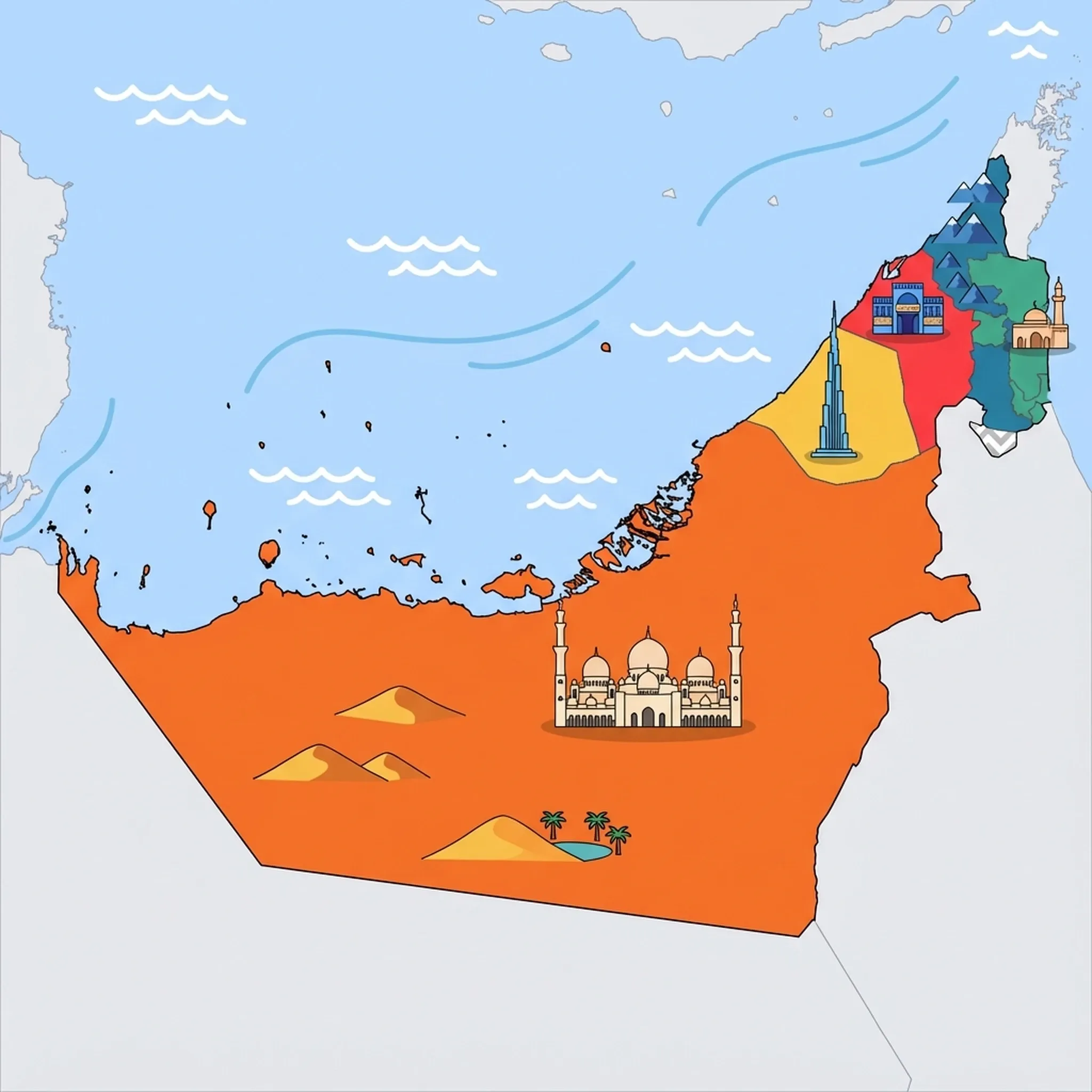
Click a region to explore
Overview
Dubai is less of a city and more of a phenomenon. Rising from the sands of the Arabian Desert, it has established itself as the world's ultimate family entertainment hub. The geography is defined by the contrast between the calm, warm waters of the Persian Gulf and the rolling red dunes of the desert conservation reserves. In between lies a skyline that defies logic, anchored by the world's tallest building and largest mall. For families, the appeal of Dubai is its convenience and its 'wow' factor. Everything here is designed to be bigger, faster, and more impressive than anywhere else on earth. The city is impeccably clean, exceptionally safe, and geared almost entirely towards tourism and commerce.
The vibe is fast-paced and cosmopolitan. You will hear a hundred languages spoken before breakfast, and the hospitality sector is world-class. However, Dubai is not just about air-conditioned luxury; the historic districts around the Creek offer a glimpse into the trading port's humble beginnings, where wooden abras (boats) still ferry commuters across the water. For children, the city is a dream: they can ski indoors while it's 40°C outside, swim with dolphins, or visit entire theme park districts. While the scale can be overwhelming, the city's infrastructure makes navigating this concrete jungle surprisingly easy.
Key Attractions
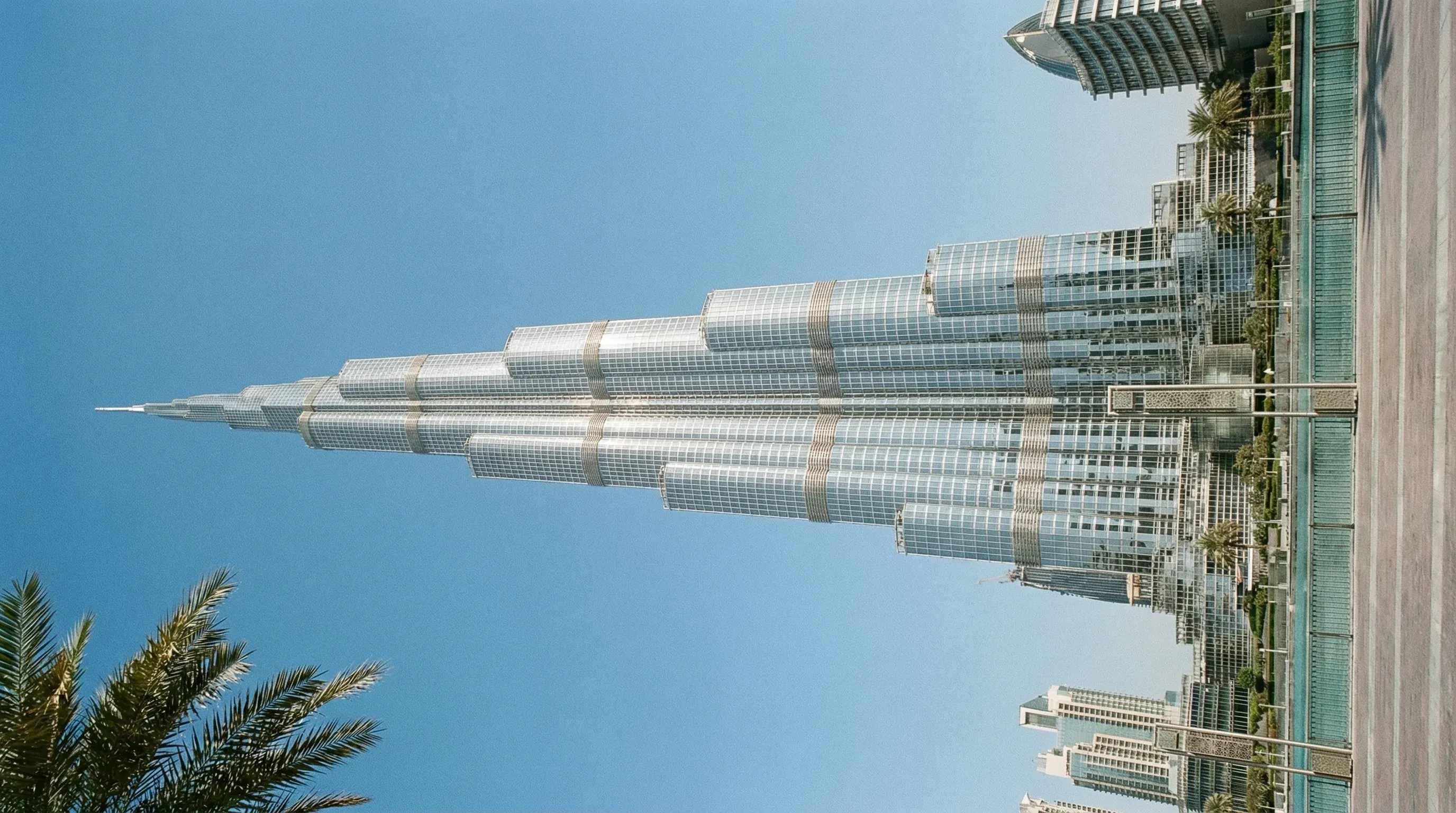
No visit is complete without witnessing the Burj Khalifa. While the observation decks offer stunning views, families often enjoy the fountain shows at the base just as much. Inside the adjacent mall, the Dubai Aquarium & Underwater Zoo allows kids to walk through a glass tunnel surrounded by sharks and rays—a mesmerizing experience for toddlers and teens alike. For a day of adrenaline, Aquaventure World on the Palm Jumeirah is widely considered one of the best waterparks globally, featuring slides that pass through shark-filled lagoons.
In the winter months, the Dubai Miracle Garden is a must-see, featuring 150 million flowers arranged in colossal structures, including a life-size floral Emirates A380 plane. For an evening of culture and shopping, Global Village offers an open-air festival park with pavilions representing over 70 countries, providing a sensory overload of food, crafts, and performances that captivates older children.
Practical Advice
November to March is the peak season with perfect beach weather. Avoid July and August unless you plan to stay strictly indoors, as temperatures hit 50°C. Booking attraction tickets online in advance is essential to avoid long queues and higher walk-in prices.
Food & Drink
Typical meal times: Lunch is 12:30 pm to 3:00 pm. Dinner is late, typically 8:00 pm to 11:00 pm. Friday/Saturday/Sunday 'Brunch' (an all-you-can-eat feast) is a major institution, usually 1:00 pm to 4:00 pm.
Typical meal costs: Sit-down dinner for a family of four: AED 400–800 (approx. $109–218 USD / €100–200 EUR). Food court meals: AED 120–180 (approx. $33–49 USD / €30–45 EUR).
Dietary requirements: Extremely accommodating. Gluten-free, vegan, and organic options are trendy and widely available. All meat is Halal (except pork, which is served in licensed separate sections).
Signature dishes:
- Shawarma – The ultimate street food; marinated chicken or lamb shaved from a vertical spit, wrapped in flatbread with garlic sauce and pickles.
- Manakish – A Levantine flatbread often topped with za'atar (thyme and sesame blend) or melted cheese, perfect for a cheap breakfast.
- Camel Burger – A novelty but delicious local specialty, offering a lean, slightly sweet meat alternative found in tourist-friendly restaurants.
- Karak Chai – Strong, sweet tea boiled with milk and cardamom, served in small paper cups at cafeterias everywhere.
Why this score?
Despite its desert setting, Dubai is an almost entirely urban and highly manicured environment. Outdoor activities like desert safaris or indoor skiing at Ski Dubai are heavily commercialized and operate within a framework of extreme safety and luxury. The Hatta mountain exclave provides some rugged terrain, but the vast majority of tourists experience the city as a highly developed playground.
Why this score?
Dubai is a leading global medical tourism hub, featuring the Dubai Healthcare City free zone and numerous internationally accredited hospitals like Mediclinic and American Hospital. Medical staff are almost entirely multilingual, and the city is designed to handle international insurance and foreign patients seamlessly. The quality of elective and emergency care is among the highest in the Middle East and Asia-Pacific regions.
Why this score?
Dubai is a top-tier international destination and one of the most visited cities in the world, frequently ranking alongside hubs like London and Paris. It features iconic attractions such as the Burj Khalifa and Palm Jumeirah that draw over 17 million international overnight visitors annually. The tourism infrastructure is exceptionally dense, catering to every global demographic.

Dubai is one of the most expensive cities in the region. A family room in a beach resort often costs AED 1,500–4,000 (approx. $408–1,090 USD / €375–1,000 EUR) per night. Standard city hotels are more reasonable at AED 400–700 (approx. $109–190 USD / €100–175 EUR). Attractions are pricey; budget AED 1,000 ($272 USD) per day for family entry tickets alone.

Getting Here & Around
Getting Here
- Airports – Dubai International (DXB) is one of the world's busiest hubs, connected directly to the Metro. Dubai World Central (DWC) serves some charters.
- Metro – The Red Line runs the length of the city, connecting the airport to Burj Khalifa and the Marina.
- Driving – Connected to Abu Dhabi and the Northern Emirates via the massive Sheikh Zayed Road (E11).
Getting Around
- Metro & Tram – The driverless Metro is an attraction in itself. It is clean, cheap, and connects major malls, though stations can be far from final destinations.
- Taxi – Essential for reaching beaches and resorts away from the Metro line. Cream-coloured taxis are metered and strictly regulated.
- Water Taxi – Traditional Abras cross Dubai Creek for just AED 1, offering a historic and fun mode of transport.
Nearby Airports (2 airports)
Dubai Al Maktoum
DWCDubai
Dubai
DXBDubai
View full flight map for United Arab Emirates →
Official Links

Packing List
Sand on the beaches can get blisteringly hot, making walking to the water painful without protection.
Dubai dresses up for dinner. Many restaurants have dress codes forbidding flip-flops and shorts in the evening.
Dehydration happens quickly even when not exercising; these help kids recover energy after a day in the sun.
Essential for waterparks (Aquaventure/Wild Wadi) to keep phones safe and pay for food via digital wallet.
Malls and cinemas have freezing air conditioning; also useful for modesty in souks.
Plastic bottles get hot instantly in the sun; keeps water cold during day trips.
You will frequently remove shoes at mosques, desert camps, and some traditional majlis.
Walking through hotel lobbies in swimwear is frowned upon; a kaftan or cover-up is essential.
Wet snap-towels provide immense relief from the intense heat when queuing outdoors.

Activities & Best Times

Hiking, wildlife, outdoor exploration, ecotourism
While Dubai offers world-class desert and mountain experiences at Hatta and the Conservation Reserve, 'excellent' should be reserved for destinations globally renowned primarily for nature/adventure (e.g., Patagonia, Swiss Alps, New Zealand). Dubai's adventure offerings are exceptional but secondary to its urban attractions. 'Very good' better reflects its international standing.

Urban tourism, museums, historical sites, architecture
Features a unique blend of cutting-edge modernism and growing art hubs like Alserkal Avenue and the Jameel Arts Centre. The season is strictly defined by temperature, with peak months allowing for comfortable walking through gardens and historic quarters, while summer heat forces all activity indoors.

Sport tourism, fitness activities, active recreation
Boasts world-class cycling infrastructure at Al Qudra and dedicated mountain bike trails in Hatta that attract international athletes. High-exertion outdoor sports are perfectly suited to the mild winter climate but become physically impossible during the extreme heat of the Arabian summer.

Amusement parks, family entertainment venues
Home to globally recognized waterparks like Aquaventure and massive indoor parks like IMG Worlds of Adventure that appeal to international families. Outdoor facilities are optimal in winter, while the vast indoor parks extend the shoulder seasons, though peak summer remains too intense for travel between venues.

Beach resorts, marine activities: diving, snorkelling, kite surfing, wind surfing, sailing
Well-maintained coastal areas like Kite Beach and JBR offer high-quality facilities and calm waters for family recreation. The winter months provide pleasant air and sea temperatures, whereas summer brings oppressive humidity and sea water that can feel uncomfortably warm.

Learning experiences, scientific sites, historical education
Top-tier educational attractions like the Dubai Aquarium and OliOli Children's Museum offer sophisticated learning experiences for well-travelled families. Most facilities are indoor and climate-controlled, but visitation aligns with the broader tourism peak when city exploration is comfortable.

Scenic drives, countryside tours, route-based travel
Dramatic mountain drives such as the route to Hatta and nearby Jebel Jais offer spectacular desert and crag scenery on high-quality roads. Winter provides the best visibility and comfortable temperatures for stops; summer months are often marred by heat haze and extreme temperatures at viewpoints.

Events, celebrations, seasonal attractions
The Dubai Shopping Festival in January and February is a major international event featuring city-wide festivities and fireworks. Outside of this and the immediate shoulder periods, the region lacks internationally-scaled seasonal festivals that would serve as primary travel motivators.

Attractions (33 total)



Public Holidays & Calendar Next 12 months
Public holidays, festivals, cultural celebrations, and seasonal natural phenomena coming up in Dubai over the next 12 months.
Loading holidays and events...

Travel Advisory
Due to a tie between high-risk levels among major agencies, the advisory is set to the most severe status. The region is currently experiencing active military conflict, including missile and drone strikes. Travel is strongly discouraged, and those present should seek immediate shelter.
Safety Topics
Traveller Advice (3 groups)

Same-sex relationships are strictly illegal and punishable by law. Travellers with passports that indicate 'X' in the gender field are currently barred from entering or transiting through the UAE.

Conservative dress is expected in public. Be aware that victims of sexual assault can face legal challenges in the UAE, particularly if they have consumed alcohol, due to strict local laws and requirements for proof.

Travellers currently in the UAE should confirm the status of their flights before heading to the airport and be prepared to shelter in place during security incidents. Ensure your travel insurance remains valid, as some policies may be voided by high-level government warnings.
Agency Summaries
Smartraveller advises against all travel to the UAE due to the highly unstable security environment and recent military strikes. Australian citizens in the country should prioritize their safety, monitor local media, and consider leaving if safe commercial options are available.
Ireland advises its citizens to avoid non-essential travel to the UAE following a series of strikes and military activity in the Gulf. Those already in the region are told to adopt a shelter-in-place strategy and maintain constant contact with their travel providers.
The UK government advises against all non-essential travel to the UAE. British nationals currently in the country are encouraged to stay indoors and seek cover in reinforced structures during alerts, particularly to protect against falling debris from intercepted projectiles.
Global Affairs Canada recommends avoiding all travel to the United Arab Emirates due to active military operations in the region. Canadian citizens are advised to shelter in safe locations, stay away from military sites or U.S. government facilities, and prepare for departure once commercial flights are available.
The U.S. State Department has raised the advisory to Level 3, urging citizens to reconsider travel plans because of the threat of terrorism and armed conflict. On March 2, 2026, the department ordered the departure of non-emergency government personnel due to the potential for drone and missile attacks targeting the region.
New Zealand's SafeTravel portal advises against all travel to the UAE, citing reports of missile strikes in major cities such as Dubai. Kiwis in the region are urged to leave as soon as it is safe and to be prepared for further flight disruptions.
Information is provided for general guidance only and does not constitute travel, safety, medical, or legal advice. Conditions may change. Users are responsible for independently verifying information before travel.