
Eastern England
Big skies, gentle waterways, and golden sandy beaches 🌾🛶
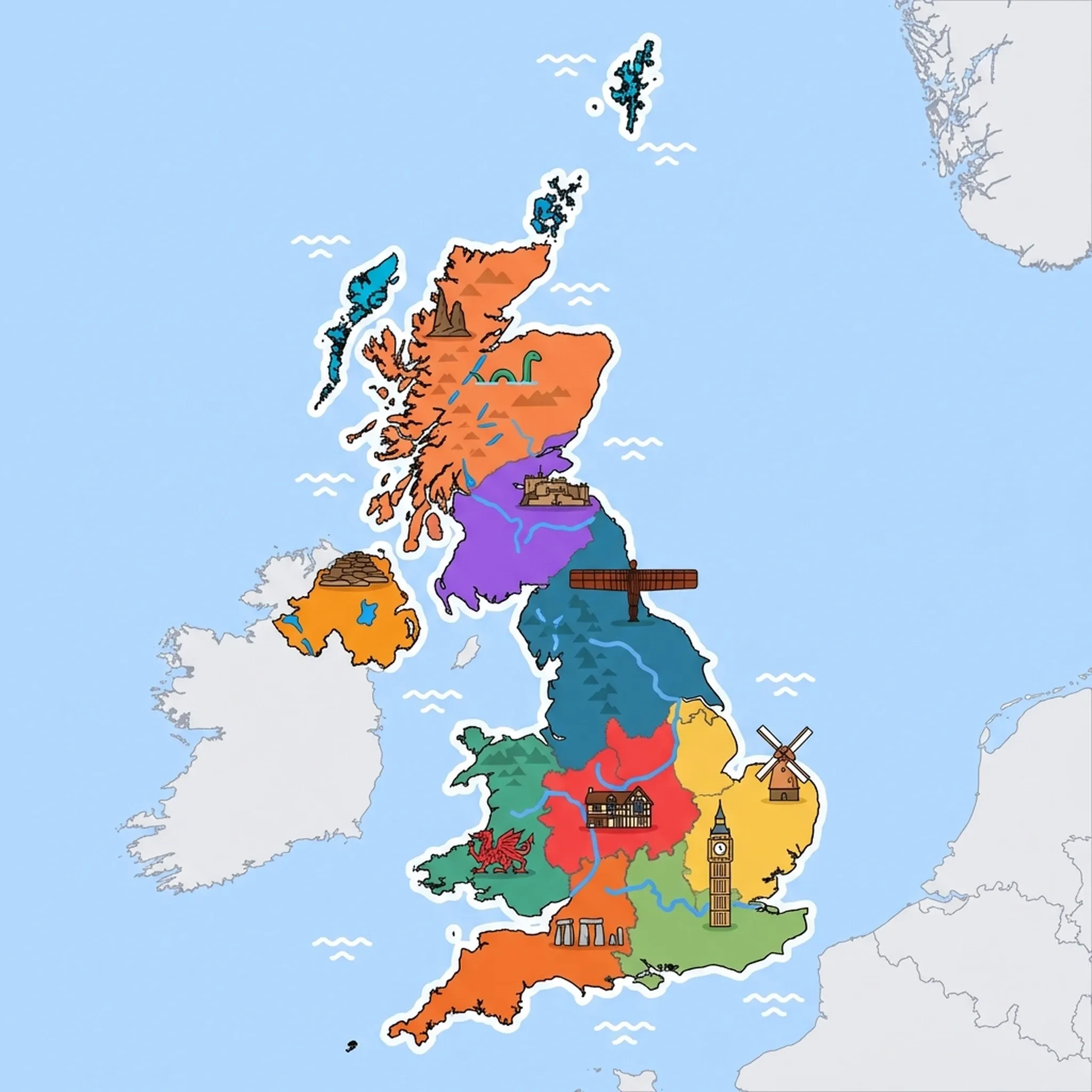
Click a region to explore
Eastern England is a region of gentle landscapes and immense horizons. Comprising Norfolk, Suffolk, Essex, and Cambridgeshire, it is geographically distinct from the rest of the UK due to its flatness. This makes it the premier destination for families with young children who want to cycle; you can pedal for miles without encountering a single steep hill. The coastline is equally inviting, fringed with some of the country's finest sand dunes and salt marshes, which feel wild and untouched compared to the commercialised resorts elsewhere. It is a place of slow tourism—crabbing off harbour walls, watching windmills turn, and exploring medieval wool towns.
The water is the defining feature here, specifically the Broads National Park. Unlike other parks, this is a man-made wetland of navigable rivers and lakes where the primary activity is renting a boat. It is an adventure that feels safe yet exciting for children, who can take turns 'steering' the vessel (under supervision) and spotting marsh harriers. Culturally, the region balances the intellectual weight of Cambridge with the agricultural roots of East Anglia, offering everything from world-class museums to tractor rides at working farms.
Key Attractions
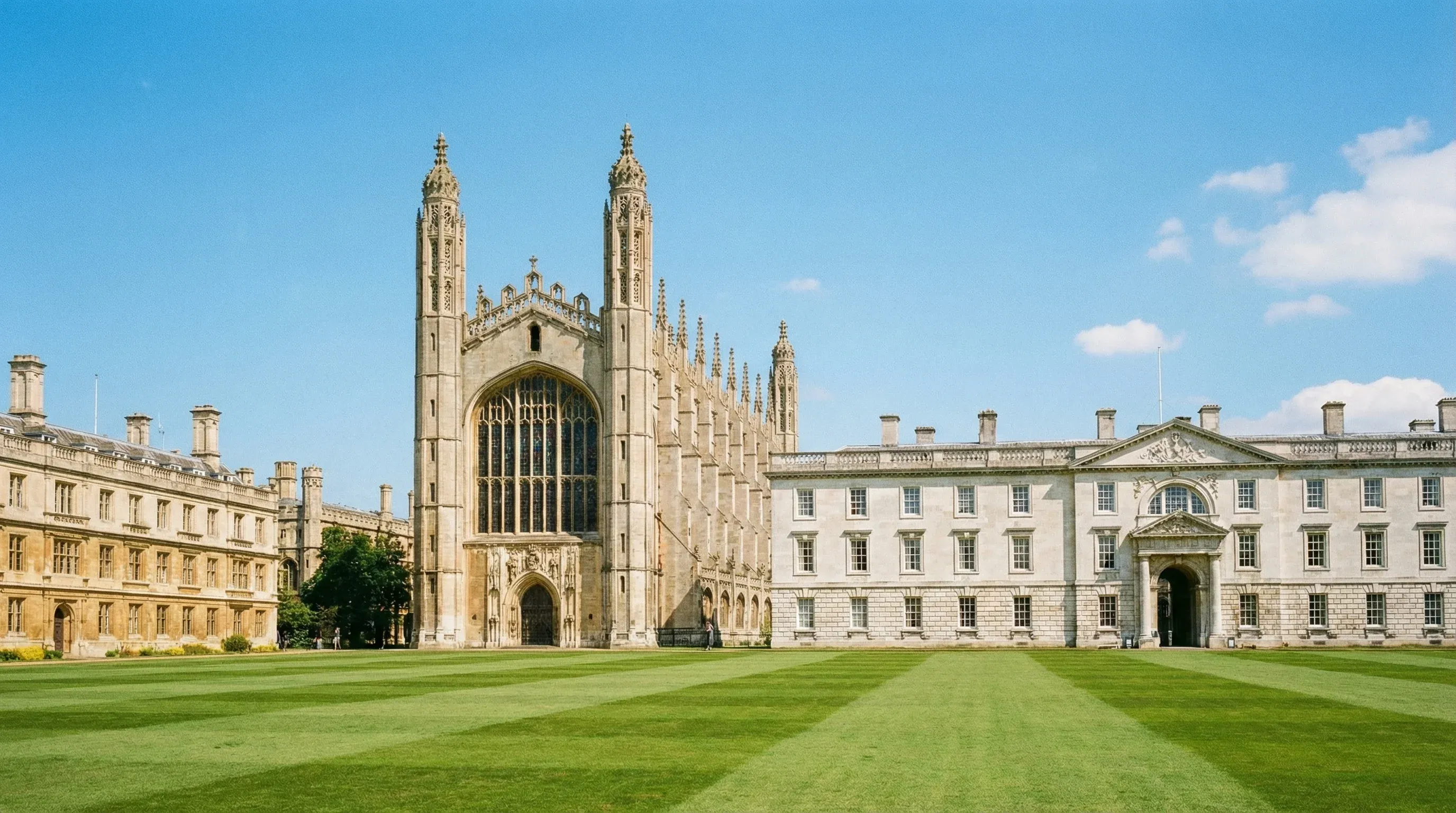
A trip to the Norfolk Broads National Park is essential; hiring a day boat allows you to explore the wildlife-rich waterways at your own pace. For a mix of history and Harry Potter vibes, walking through the Cambridge University Colleges and Backs is magical, and you can try 'punting' on the river Cam. The coast offers the sprawling sands of Holkham Beach, famous for being so vast that it never feels crowded even in August.
History comes alive at Colchester Castle, which has interactive exhibits built on the foundations of a Roman temple, making it very kid-friendly. For thrill-seekers near London, Adventure Island in Southend provides classic seaside amusement park fun. Nature lovers should visit Norwich Castle and the surrounding cathedral quarter for a taste of the region's best-preserved medieval city.
Practical Advice
This is one of the driest parts of the UK, making it a safe bet for summer holidays. However, the North Sea wind can be bracing even in July, so windbreakers are necessary on the beach. Booking boat rentals in the Broads should be done weeks in advance during school holidays.
Food & Drink
Typical meal times: Lunch 12:00 pm to 2:30 pm; Dinner 6:00 pm to 9:00 pm. Rural pubs may stop serving food promptly at 8:00 pm.
Typical meal costs: Fish and chips takeaway £8–12 (approx. $10–15 USD / €9–14 EUR). Pub mains £14–18 (approx. $18–23 USD / €16–21 EUR).
Dietary requirements: Generally good. Cambridge and Norwich are very vegan-friendly. Traditional seaside seafood shacks may have limited options for non-pescatarians.
Signature dishes:
- Cromer Crab – A small, sweet, and tender crab caught off the north Norfolk coast, usually sold dressed in its shell.
- Newmarket Sausages – A protected regional pork sausage with a high meat content and spicy seasoning.
- Binham Blue – A soft blue cheese produced in Norfolk, milder and creamier than Stilton.
- Chips with Curry Sauce – A seaside staple; thick-cut chips covered in a mild, sweet, yellow curry sauce.
Why this score?
Characterized by the flat landscapes of the Fens and gentle waterways, the adventure here is focused on sailing, birdwatching, and cycling. The terrain is among the least rugged in the UK, making it ideal for leisure rather than high-intensity outdoor pursuits.
Why this score?
Cambridge is a global leader in medical research and clinical care, providing top-tier services at Addenbrooke's Hospital. While rural parts of Norfolk and Suffolk are more isolated, the overall standard of healthcare and accessibility is very high.
Why this score?
Cambridge and the Norfolk Broads are significant landmarks that attract international visitors, but the region overall is dominated by domestic tourism. It remains a tranquil area that lacks the high-density international traffic found in the UK's primary tourism hubs.

Accommodation prices vary wildly; Cambridge is 'high' cost, comparable to London, while the Essex coast and rural Norfolk are more affordable. A cottage rental in summer costs £800–1200 (approx. $1000–1500 USD / €930–1400 EUR) per week. Punting in Cambridge is pricey: £30–50 (approx. $38–65 USD / €35–58 EUR) per boat.

Getting Here & Around
Getting Here
- Train – Fast services run from London Liverpool Street and Kings Cross to Cambridge (50 mins) and Norwich (1 hour 50 mins).
- Driving – The M11 connects London to Cambridge. The A11 and A12 are the main arteries into Norfolk and Suffolk.
- Ferry – Harwich International Port receives ferries from the Netherlands (Hook of Holland), a convenient entry point for European visitors.
Getting Around
- Car – Highly recommended for reaching the North Norfolk coast and rural villages.
- Walking & Cycling – The flat terrain makes this the best region for family cycling. Peddars Way offers gentle off-road tracks.
- Boat – In the Broads, the boat is your vehicle. Water taxis and day hires are the primary way to see the Norfolk Broads National Park.
Nearby Airports (5 airports)
Cambridge
CBGCambridge
Luton
LTNLondon
Norwich
NWINorwich
Southend
SENSouthend
Stansted
STNLondon
View full flight map for United Kingdom →
Official Links

Packing List
Crabbing is the number one activity on Cromer and Wells-next-the-Sea harbour walls.
The North Sea coast is breezy; a shelter extends your beach day significantly.
The flat fens and Broads are premier bird-watching territory.
Even casual cyclists will spend hours in the saddle here due to the easy terrain.
Essential for kids to play in parks or hike during frequent, unpredictable rain showers.
Many public toilets and seaside arcade machines still require exact change.
UK sockets are unique (three rectangular pins) and different from the rest of Europe.
Many UK beaches are pebbly or rocky; these protect feet while exploring tide pools.
Tap water is safe and delicious; free refill stations are common in museums and cafes.

Activities & Best Times

Urban tourism, museums, historical sites, architecture
Cambridge offers a globally unique academic atmosphere and heritage, complemented by historic Norwich and royal estates like Sandringham. Best enjoyed in the brighter months when the college gardens and outdoor punting are at their most vibrant.

Hiking, wildlife, outdoor exploration, ecotourism
Boasts unique ecosystems like the Norfolk Broads and extensive wildlife parks that appeal to eco-conscious families. Optimal conditions occur from late spring through summer for boating and wildlife viewing before the damp winter sets in.

Learning experiences, scientific sites, historical education
The concentration of world-class museums in Cambridge, including the Museum of Zoology and Sedgwick Museum, provides destination-level learning. While mostly indoor, peak appeal aligns with university accessibility and broader tourism seasons.

Sport tourism, fitness activities, active recreation
With Olympic-standard facilities like Lee Valley White Water Centre and major cycling routes like the Rebellion Way, the infrastructure is top-tier. Best experienced when conditions are dry and water temperatures are safer for outdoor active pursuits.

Beach resorts, marine activities: diving, snorkelling, kite surfing, wind surfing, sailing
Home to iconic stretches like Holkham Beach and traditional piers, offering a classic but sophisticated British seaside experience. Peak visitation is restricted to the warmest summer months when the North Sea is most manageable for families.

Scenic drives, countryside tours, route-based travel
Celebrated routes like the North Norfolk Coast Road and Dedham Vale offer quintessentially English landscapes and high-quality rural stopovers. Clearer skies and longer daylight hours in summer are essential for appreciating the scenic vistas.

Amusement parks, family entertainment venues
Features highly-regarded specialized parks like BeWILDerwood and Adventure Island which offer distinct alternatives to generic mega-parks. Operational seasons are heavily weighted toward school holidays and summer when all outdoor attractions are open.

Attractions (34 total)



Public Holidays & Calendar Next 12 months
Public holidays, festivals, cultural celebrations, and seasonal natural phenomena coming up in Eastern England over the next 12 months.
Loading holidays and events...

Travel Advisory
Four out of six major agencies advise exercising increased caution, primarily citing a substantial threat of terrorism. Two agencies maintain baseline ratings, but the consensus indicates a heightened security environment compared to historical norms.
Safety Topics
Traveller Advice (5 groups)

Travellers should use a 'buddy system' and remain aware of their surroundings in crowded nightlife areas to avoid theft or incidents.

Ensure you have obtained a valid Electronic Travel Authorisation (ETA) before your trip if you are from a visa-exempt country. Keep digital and physical copies of identification and monitor local news for security updates.

The UK is generally very safe for LGBTQ+ travellers, though discretion is recommended in some rural areas or specific districts in Northern Ireland where social sensitivities may vary.

The UK has robust accessibility infrastructure, but older public transport systems (like parts of the London Underground) may have limited access. Research specific routes in advance.

Standard safety precautions should be observed, particularly when using public transport at night. Report any harassment to local police.
Agency Summaries
A heightened level of caution is advised because of the likelihood of terrorist attacks. Visitors should also be aware of new digital border requirements that affect dual nationals and visa-exempt travellers.
Heightened vigilance is recommended due to the potential for terrorist attacks, which may target public areas and transport hubs. Dissident violence in Northern Ireland remains a specific localized concern.
Irish citizens should follow local authorities' guidance and stay informed via news outlets. Special rules apply to the Common Travel Area regarding identification and entry.
Travellers should remain highly vigilant in the United Kingdom primarily due to the ongoing threat of terrorist activity. Recent changes to border entry requirements, including the Electronic Travel Authorisation, are being strictly enforced.
Increased caution is recommended due to the persistent risk of terrorism. Travellers can expect visible security measures in public places and should prepare for the new Electronic Travel Authority system.
Information is provided for general guidance only and does not constitute travel, safety, medical, or legal advice. Conditions may change. Users are responsible for independently verifying information before travel.