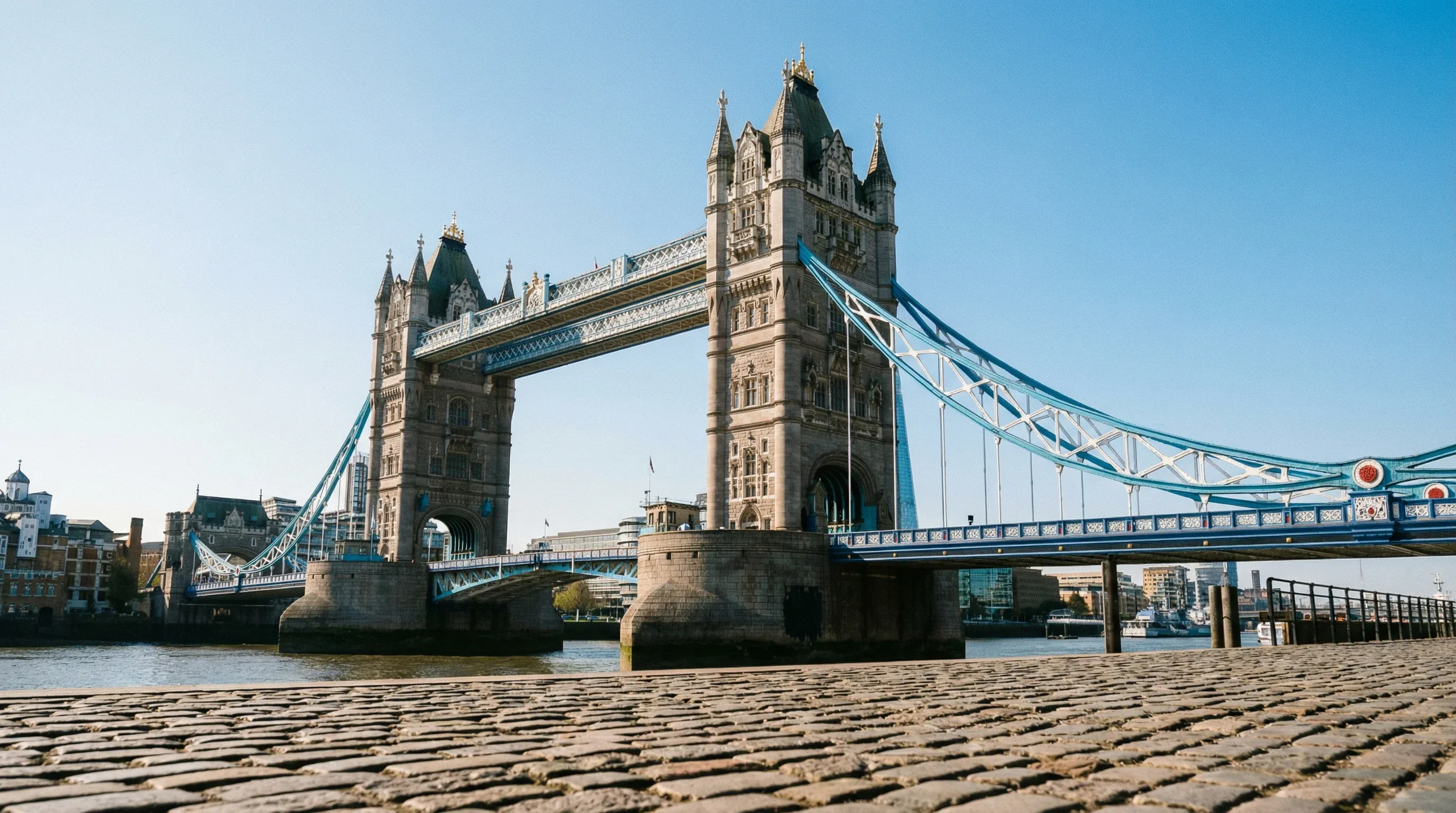

London & the South East
World-famous icons, royal castles, and vibrant coastal fun 🇬🇧🎡
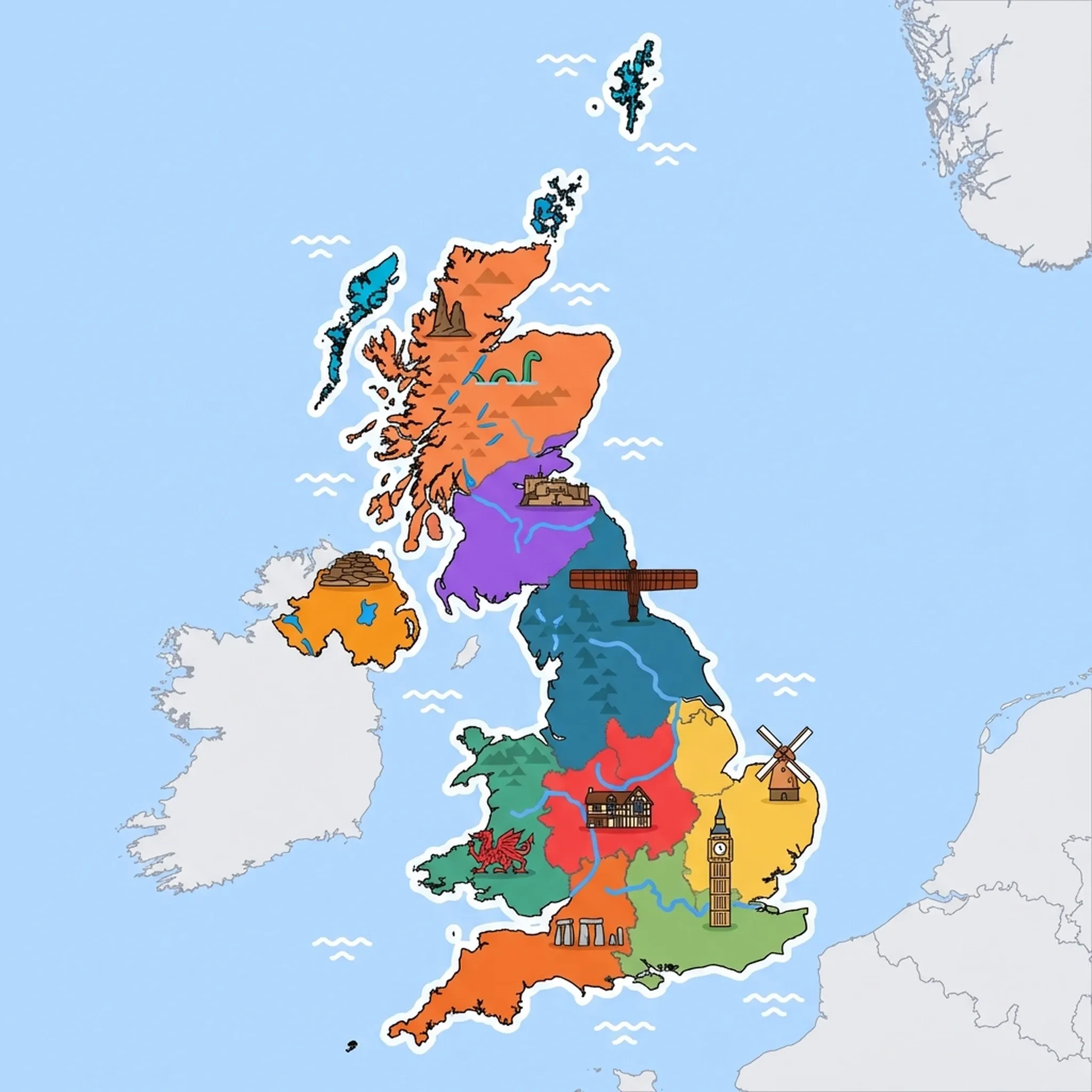
Click a region to explore
London and the South East is the most visited region in the UK, and for good reason. It offers an unrivalled density of world-class attractions. London itself is a patchwork of villages, green parks, and history that spans two millennia. For children, the city is a playground: red double-decker buses, the Changing of the Guard, and museums that are often free to enter. Beyond the M25 orbital motorway, the pace slows down but the quality remains high. You have the royal grandeur of Windsor, the academic spires of Oxford, and the hipster-beach vibes of Brighton all within an hour's travel.
The region is incredibly diverse. You can be standing in the futuristic London Aquatics Centre in the morning and building sandcastles on a Victorian beachfront by the afternoon. The South Downs National Park offers rolling chalk hills that are perfect for kite flying and gentle hikes. While it is the busiest and most expensive part of the UK, the infrastructure is excellent, making it easy for families to navigate without a car—a rarity in other parts of the country.
Key Attractions
In the capital, the Natural History Museum is a non-negotiable stop for its animatronic T-Rex and blue whale skeleton. Nearby, visiting Big Ben and the Houses of Parliament grounds the trip in history. Just outside London, LEGOLAND Windsor Resort is the ultimate day out for children under 12, offering rides and Miniland models. Animal lovers should head to Chessington World of Adventures Resort which combines a zoo with a theme park.
For a coastal escape, walk the planks of Brighton Palace Pier for arcade games and fairground rides over the sea. History buffs will love exploring Hampton Court Palace, where costumed actors play Henry VIII and his wives, and the famous maze challenges kids to find the center. Further out, Blenheim Palace offers stunning grounds and adventure playgrounds.
Practical Advice
London is vast; do not try to do too much. Group attractions geographically (e.g., South Kensington museums together). The best time to visit is late spring or early autumn to avoid the peak summer crowds and heat on the Underground. Book train tickets to Brighton or Oxford in advance to save money.
Food & Drink
Typical meal times: 12:00 pm to 2:30 pm for lunch. Dinner is flexible, with London restaurants serving from 5:00 pm until late (10:00 pm+).
Typical meal costs: High. A casual family dinner in London is £80–120 (approx. $100–150 USD / €95–140 EUR). 'Kids eat free' deals are common in chains during holidays.
Dietary requirements: Exceptional. London is one of the best cities in the world for allergies and vegan food. You can find gluten-free options in almost every coffee shop.
Signature dishes:
- Fish and Chips – Best eaten on the coast in Brighton, traditionally served with salt and malt vinegar.
- Pie and Mash – A traditional East London working-class meal; minced beef pie, mashed potato, and green parsley 'liquor'.
- Afternoon Tea – Finger sandwiches, scones with clotted cream and jam, and cakes. Expensive but a classic treat.
- Eton Mess – A dessert of broken meringue, strawberries, and whipped cream, originating from Eton College near Windsor.
Why this score?
The region is highly urbanized and developed, with even its natural areas like the South Downs being well-manicured and easily accessible. Adventure is limited to structured activities or gentle walking paths within a high-density infrastructure environment.
Why this score?
Central London is a premier global hub for medical tourism and private healthcare, offering unparalleled specialist access. The surrounding South East is equally well-served by a dense network of high-quality hospitals and emergency services catering to all needs.
Why this score?
As the heart of UK tourism, London is a global mega-destination attracting tens of millions of international visitors annually. Iconic sites like Big Ben and the Natural History Museum combined with the region's massive hotel capacity make it one of the most visited areas on Earth.

This is the most expensive region. Central London hotels average £200–300 (approx. $250–380 USD / €230–350 EUR) per night for a family room. However, most major museums (like the <a data-attraction-id="16513">Natural History Museum</a>) are free. Transport costs cap daily, but are still significant. Save money by staying in Zones 3-4 and commuting in.

Getting Here & Around
Getting Here
- Airports – Served by Heathrow (LHR), Gatwick (LGW), Stansted (STN), and Luton (LTN). The Elizabeth Line connects Heathrow to central London rapidly.
- Train – The hub of the UK rail network. Eurostar connects St Pancras International to Paris and Brussels.
- Driving – Not recommended within London (Congestion Charge and ULEZ fees apply). Useful for reaching rural areas like the Cotswolds or Surrey Hills.
Getting Around
- Public Transport – The London Underground (Tube) and red buses are iconic and efficient. Kids under 11 travel free on TfL services with a paying adult.
- Train – excellent commuter networks connect London to Brighton Palace Pier and Blenheim Palace (via Oxford).
- Walking – Central London is surprisingly walkable; the South Bank stroll is car-free and scenic.
Nearby Airports (4 airports)
City
LCYLondon
Gatwick
LGWLondon
Heathrow
LHRLondon
Southampton
SOUSouthampton
View full flight map for United Kingdom →
Official Links

Packing List
Essential for Tube/Bus travel; you don't need to buy paper tickets (Oyster cards are phasing out).
The Tube has many stairs; a large pram is a nightmare in central London.
London has a vast network of free refill fountains to reduce plastic waste.
Using maps and transport apps on your phone drains battery quickly in the city.
Essential for kids to play in parks or hike during frequent, unpredictable rain showers.
Many public toilets and seaside arcade machines still require exact change.
UK sockets are unique (three rectangular pins) and different from the rest of Europe.
Many UK beaches are pebbly or rocky; these protect feet while exploring tide pools.

Activities & Best Times

Urban tourism, museums, historical sites, architecture
A global pinnacle for culture featuring the Tower of London, Windsor Castle, and the Tate Modern. While year-round, the city is best experienced in the vibrant summer or during the atmospheric December festive season, with January and February being notably grey.

Hiking, wildlife, outdoor exploration, ecotourism
Offers exceptional self-guided exploration in the South Downs and Seven Sisters, with high-quality farm parks for children. Peak activity aligns with the drier, longer days of late spring through early autumn, as trails become excessively muddy in winter.

Learning experiences, scientific sites, historical education
Houses world-leading institutions like the Natural History Museum and Royal Observatory Greenwich that are primary travel motivators. Peak visitation coincides with school holidays when programming for families is most intensive and accessible.

Sport tourism, fitness activities, active recreation
Excellent infrastructure for active families, including the South Downs Way national trail and unique urban adventures like climbing the O2. The season is restricted to the warmer months when daylight is sufficient and trail conditions remain firm.

Amusement parks, family entertainment venues
Features internationally recognized parks like LEGOLAND Windsor and Thorpe Park which are tailored for family adventure. Operational dates are seasonally restricted, with winter months seeing closures or significantly reduced service at major resorts.

Events, celebrations, seasonal attractions
Host to world-class events like the Chelsea Flower Show, Royal Ascot, and Notting Hill Carnival. Peak months are dictated strictly by the prestigious event calendar, with December offering high-quality seasonal Christmas markets.

Scenic drives, countryside tours, route-based travel
The New Forest and Seven Sisters drives offer scenic rural touring on well-maintained roads. May, June, and September provide the best visibility and light while avoiding the heavy traffic congestion common during the peak school summer holidays.

Beach resorts, marine activities: diving, snorkelling, kite surfing, wind surfing, sailing
Home to iconic sites like the White Cliffs of Dover and Brighton Pier, though cold water temperatures and pebbled shores limit appeal for world-class beach travelers. Conditions are only suitable for coastal recreation during the brief summer window of July and August.

Spa retreats, wellness centers, peaceful getaways
Historic bathhouses like Porchester Spa offer a unique but niche heritage wellness experience. These indoor thermal facilities are most appealing during the cold winter months as a restorative escape from the damp climate.

Attractions (50 total)



Public Holidays & Calendar Next 12 months
Public holidays, festivals, cultural celebrations, and seasonal natural phenomena coming up in London & the South East over the next 12 months.
Loading holidays and events...

Travel Advisory
Four out of six major agencies advise exercising increased caution, primarily citing a substantial threat of terrorism. Two agencies maintain baseline ratings, but the consensus indicates a heightened security environment compared to historical norms.
Safety Topics
Traveller Advice (5 groups)

Travellers should use a 'buddy system' and remain aware of their surroundings in crowded nightlife areas to avoid theft or incidents.

Ensure you have obtained a valid Electronic Travel Authorisation (ETA) before your trip if you are from a visa-exempt country. Keep digital and physical copies of identification and monitor local news for security updates.

The UK is generally very safe for LGBTQ+ travellers, though discretion is recommended in some rural areas or specific districts in Northern Ireland where social sensitivities may vary.

The UK has robust accessibility infrastructure, but older public transport systems (like parts of the London Underground) may have limited access. Research specific routes in advance.

Standard safety precautions should be observed, particularly when using public transport at night. Report any harassment to local police.
Agency Summaries
A heightened level of caution is advised because of the likelihood of terrorist attacks. Visitors should also be aware of new digital border requirements that affect dual nationals and visa-exempt travellers.
Heightened vigilance is recommended due to the potential for terrorist attacks, which may target public areas and transport hubs. Dissident violence in Northern Ireland remains a specific localized concern.
Irish citizens should follow local authorities' guidance and stay informed via news outlets. Special rules apply to the Common Travel Area regarding identification and entry.
Travellers should remain highly vigilant in the United Kingdom primarily due to the ongoing threat of terrorist activity. Recent changes to border entry requirements, including the Electronic Travel Authorisation, are being strictly enforced.
Increased caution is recommended due to the persistent risk of terrorism. Travellers can expect visible security measures in public places and should prepare for the new Electronic Travel Authority system.
Information is provided for general guidance only and does not constitute travel, safety, medical, or legal advice. Conditions may change. Users are responsible for independently verifying information before travel.