
Scottish Highlands
Wild mountains, deep lochs, and magical steam trains 🦌🚂
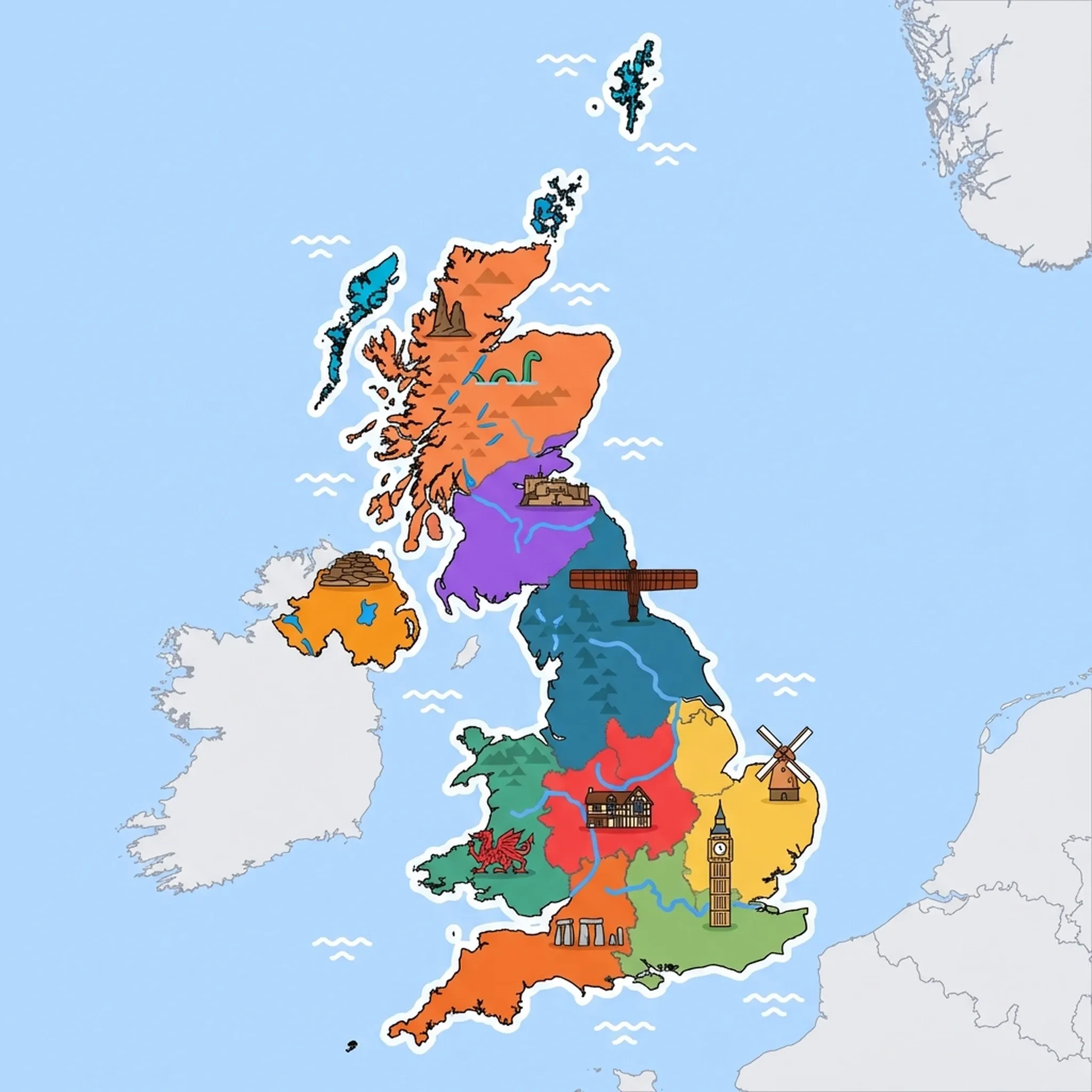
Click a region to explore
The Scottish Highlands are the stuff of fantasy. It is a landscape of brooding mountains, deep black lochs, and purple heather that feels ancient and wild. For children, the landscape itself is the attraction. This is the home of the Loch Ness Monster, a mystery that captivates kids and makes a boat trip on the water thrilling. It is also Harry Potter country; seeing the Jacobite steam train chug across the Glenfinnan Viaduct is a bucket-list moment for fans of the wizarding world.
Despite the rugged terrain, the Highlands are surprisingly accessible. The Cairngorms National Park serves as an adventure hub with reindeer herds, funicular railways, and easy forest trails around Aviemore. The West Coast offers white sandy beaches that look Caribbean (even if the water temperature suggests the Arctic). It is a place to disconnect from screens and reconnect with nature—skimming stones, spotting red deer, and exploring ruined castles that stand guard over the glens.
Key Attractions
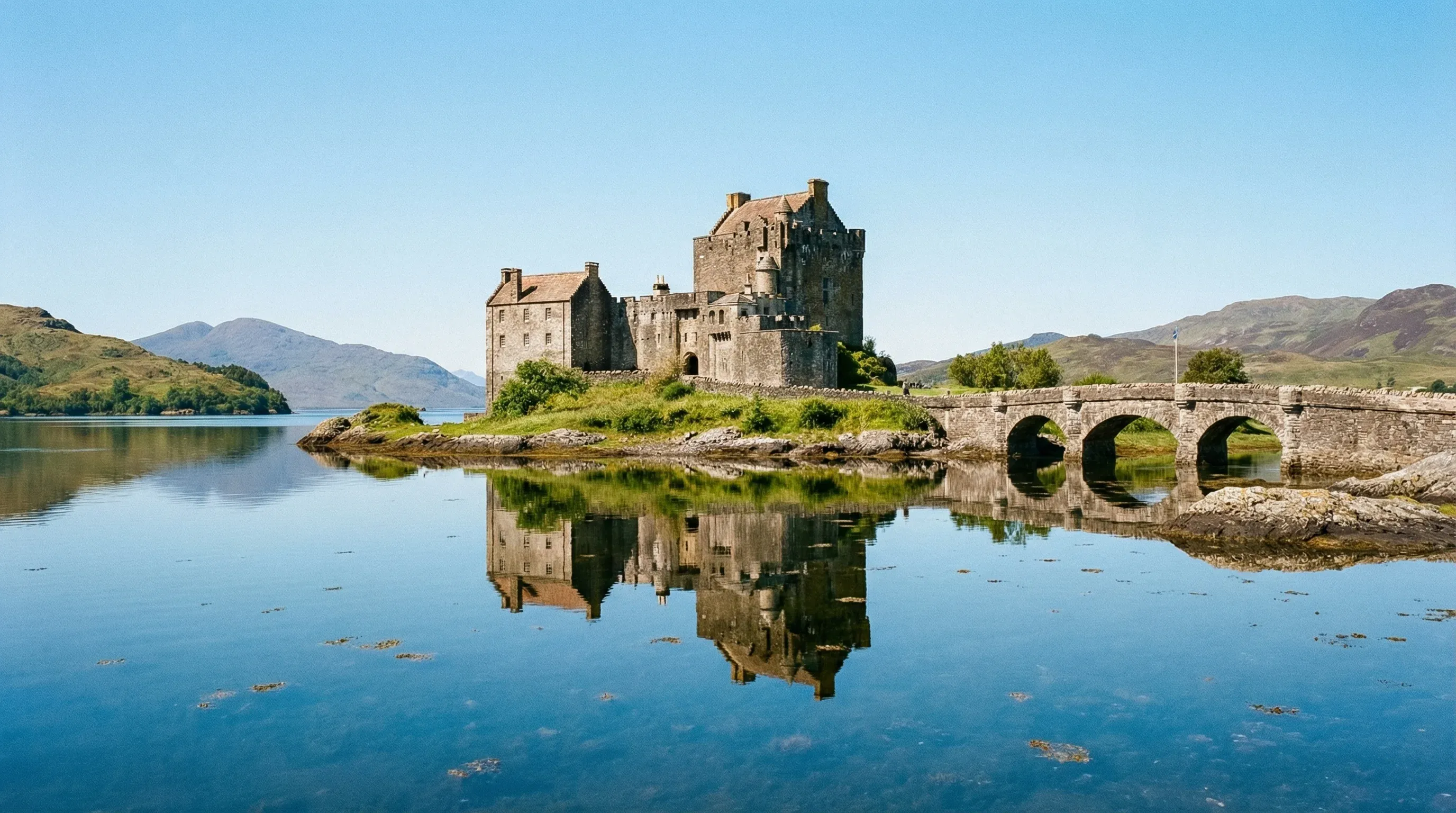
The Glenfinnan Viaduct is iconic; check the train timetable to see the steam train cross. Eilean Donan Castle is the quintessential Highland fortress, situated on an island where three lochs meet—perfect for exploring. For active families, the area around Ben Nevis and Ben Nevis and Glen Nevis offers walks for all abilities, including the scenic Steall Falls path (care required).
Wildlife lovers must visit the Highland Wildlife Park in the Cairngorms to see polar bears and Scottish wildcats. History is palpable at Culloden Battlefield, which has an excellent visitor centre explaining the Jacobite rising in a way that engages younger visitors. The Inverness Museum and Art Gallery provides a great introduction to Highland life in the region's 'capital'.
Practical Advice
Summer days are incredibly long (light until 11:00 pm in June), allowing for extended sightseeing. However, the 'midges' (tiny biting insects) can be fierce from late May to September, especially at dawn/dusk near water. Accommodation in Skye and the North Coast 500 route books up 6–9 months in advance.
Food & Drink
Typical meal times: Lunch 12:00 pm to 2:00 pm; Dinner 6:00 pm to 8:30 pm. In remote areas, if you miss the dinner window, you may not find food.
Typical meal costs: Mid to High. Logistics drive prices up in remote areas. Mains £16–22 (approx. $20–28 USD / €19–26 EUR). Fish and chips £12–15 (approx. $15–19 USD / €14–17 EUR).
Dietary requirements: Surprisingly good. Most tourist hubs (Fort William, Inverness, Aviemore) cater well to allergies and vegan diets. Remote hotels will accommodate if given notice.
Signature dishes:
- Haggis, Neeps, and Tatties – Sheep's pluck (heart, liver, lungs) minced with oatmeal and spices, served with turnips and potatoes. Delicious and peppery.
- Cranachan – A dessert of whipped cream, whisky, honey, fresh raspberries, and toasted oatmeal.
- Cullen Skink – A thick, warming soup made from smoked haddock, potatoes, and onions.
- Venison – Deer meat is abundant here, often served as burgers, sausages, or stews.
Why this score?
This is the UK's premier adventure region, featuring Ben Nevis and the vast Cairngorms National Park. The terrain is genuinely rugged and can be physically challenging, though the most popular spots are still well-served by mountain rescue and guided services.
Why this score?
While Inverness has a major hospital (Raigmore) that provides good care, the vast and remote nature of the glens means emergency response times can be long. Many areas rely on air ambulance services for serious medical incidents in the mountains.
Why this score?
The Highlands are world-famous for Loch Ness and the Isle of Skye (often grouped here), though the sheer size of the region means visitor density is lower than in the Lowlands. It is a bucket-list destination for many, though it requires more effort to visit than the southern cities.

Fuel and food are more expensive due to transport costs. Accommodation is the main budget killer in summer due to scarcity. Wild camping is legal (with rules), which can save money for adventurous families. Entry to natural sites like <a data-attraction-id="17453">Glencoe Valley</a> is free.

Getting Here & Around
Getting Here
- Airports – Inverness Airport (INV) is the gateway. Glasgow (GLA) and Edinburgh (EDI) are a 2-3 hour drive south.
- Train – The Caledonian Sleeper from London allows you to wake up in the Highlands. Scenic day trains run from Glasgow to Fort William.
- Driving – The A9 is the main spine road. The roads are scenic but can be slow due to caravans and single-track sections.
Getting Around
- Car – Essential for freedom. Be prepared for single-track roads with passing places—pull over to let faster traffic pass.
- Train – The West Highland Line to Mallaig is voted one of the world's most scenic journeys.
- Bus – Citylink coaches connect main towns, but local 'Postbus' services are rare and infrequent.
Nearby Airports (7 airports)
Dyce
ABZAberdeen
Campbeltown Airport
CALCampbeltown
Coll Island Airport
COLColl Island
Islay
ILYIslay
Inverness
INVInverness
Tiree
TRETiree, Inner Hebrides
Wick
WICWick
View full flight map for United Kingdom →
Official Links

Packing List
Tiny biting insects can ruin a walk; a net is the only 100% effective barrier.
The local choice for insect repellent (DEET is less effective against midges).
Ticks are common in the heather and tall grass; check kids daily.
In June/July, it barely gets dark at night, which can confuse children's sleep patterns.
Essential for kids to play in parks or hike during frequent, unpredictable rain showers.
Many public toilets and seaside arcade machines still require exact change.
UK sockets are unique (three rectangular pins) and different from the rest of Europe.
Many UK beaches are pebbly or rocky; these protect feet while exploring tide pools.
Tap water is safe and delicious; free refill stations are common in museums and cafes.

Activities & Best Times

Hiking, wildlife, outdoor exploration, ecotourism
A world-class destination for wilderness immersion, featuring iconic landscapes like Glencoe and the Cairngorms National Park with exceptional hiking and wildlife. Peak months offer long daylight hours and the best trail accessibility, while winter months bring harsh conditions and limited visibility.

Urban tourism, museums, historical sites, architecture
Rich in authentic heritage including world-famous castles like Eilean Donan and Urquhart, alongside deep-rooted clan history and the unique Highland culture. Peak visitation aligns with the warmest weather and full seasonal opening of historic sites, many of which close or have restricted hours in the winter.

Sport tourism, fitness activities, active recreation
Offers internationally recognized infrastructure for mountain biking at Nevis Range and iconic long-distance hiking routes like the Great Glen Way. The season is constrained by the need for manageable terrain conditions and facility operational dates, making the late spring and summer months ideal.

Learning experiences, scientific sites, historical education
Provides unique learning experiences at the Loch Ness Centre and the Highland Wildlife Park, which focuses on arctic and sub-arctic species. Peak months ensure all educational facilities and outdoor wildlife exhibits are fully accessible to families during the main travel window.

Scenic drives, countryside tours, route-based travel
Home to the famous North Coast 500, offering spectacular coastal scenery and well-maintained scenic routes that are highly regarded globally. Driving is best during months with maximum daylight and safe road conditions, as winter snow can frequently close high-altitude passes like Bealach na Bà.
Beach resorts, marine activities: diving, snorkelling, kite surfing, wind surfing, sailing
Features stunning white-sand beaches like Achmelvich, though water temperatures remain very low by international standards. This is a seasonal choice for families seeking scenic coastal beauty rather than traditional swimming or resort-style beach holidays.

Events, celebrations, seasonal attractions
Centred on the internationally significant Braemar Gathering and other local Highland Games held during the summer. Peak timing is specific to the major festival dates in early September, which attract significant international interest.

Winter sports, ski resorts, snow activities
Offers traditional alpine skiing at Cairngorm and Glenshee, providing a local snow-sport experience for those already in the region. Snow reliability and infrastructure are limited compared to major international resorts, with the season strictly dependent on mid-winter temperature drops.

Amusement parks, family entertainment venues
Regional outdoor and aquatic entertainment centers like Loch Insh provide family-friendly activities, though they lack the scale of international theme parks. Activity is concentrated in the summer months when outdoor water temperatures and school holidays drive demand.

Attractions (48 total)



Public Holidays & Calendar Next 12 months
Public holidays, festivals, cultural celebrations, and seasonal natural phenomena coming up in Scottish Highlands over the next 12 months.
Loading holidays and events...

Travel Advisory
Four out of six major agencies advise exercising increased caution, primarily citing a substantial threat of terrorism. Two agencies maintain baseline ratings, but the consensus indicates a heightened security environment compared to historical norms.
Safety Topics
Traveller Advice (5 groups)

Travellers should use a 'buddy system' and remain aware of their surroundings in crowded nightlife areas to avoid theft or incidents.

Ensure you have obtained a valid Electronic Travel Authorisation (ETA) before your trip if you are from a visa-exempt country. Keep digital and physical copies of identification and monitor local news for security updates.

The UK is generally very safe for LGBTQ+ travellers, though discretion is recommended in some rural areas or specific districts in Northern Ireland where social sensitivities may vary.
The UK has robust accessibility infrastructure, but older public transport systems (like parts of the London Underground) may have limited access. Research specific routes in advance.

Standard safety precautions should be observed, particularly when using public transport at night. Report any harassment to local police.
Agency Summaries
A heightened level of caution is advised because of the likelihood of terrorist attacks. Visitors should also be aware of new digital border requirements that affect dual nationals and visa-exempt travellers.
Heightened vigilance is recommended due to the potential for terrorist attacks, which may target public areas and transport hubs. Dissident violence in Northern Ireland remains a specific localized concern.
Irish citizens should follow local authorities' guidance and stay informed via news outlets. Special rules apply to the Common Travel Area regarding identification and entry.
Travellers should remain highly vigilant in the United Kingdom primarily due to the ongoing threat of terrorist activity. Recent changes to border entry requirements, including the Electronic Travel Authorisation, are being strictly enforced.
Increased caution is recommended due to the persistent risk of terrorism. Travellers can expect visible security measures in public places and should prepare for the new Electronic Travel Authority system.
Information is provided for general guidance only and does not constitute travel, safety, medical, or legal advice. Conditions may change. Users are responsible for independently verifying information before travel.