
Scottish Islands
Ancient history, turquoise waters, and puffin colonies 🦅🏝️
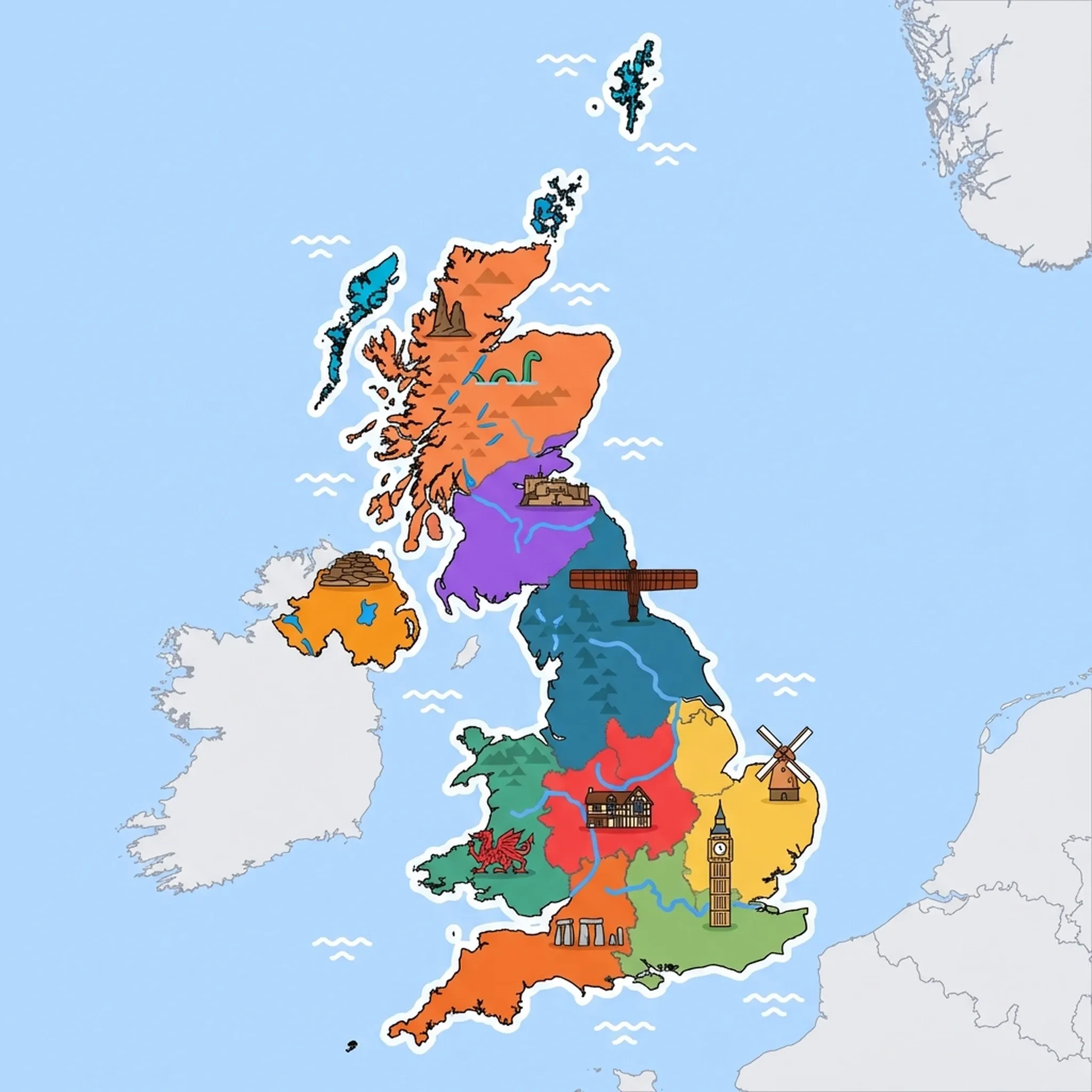
Click a region to explore
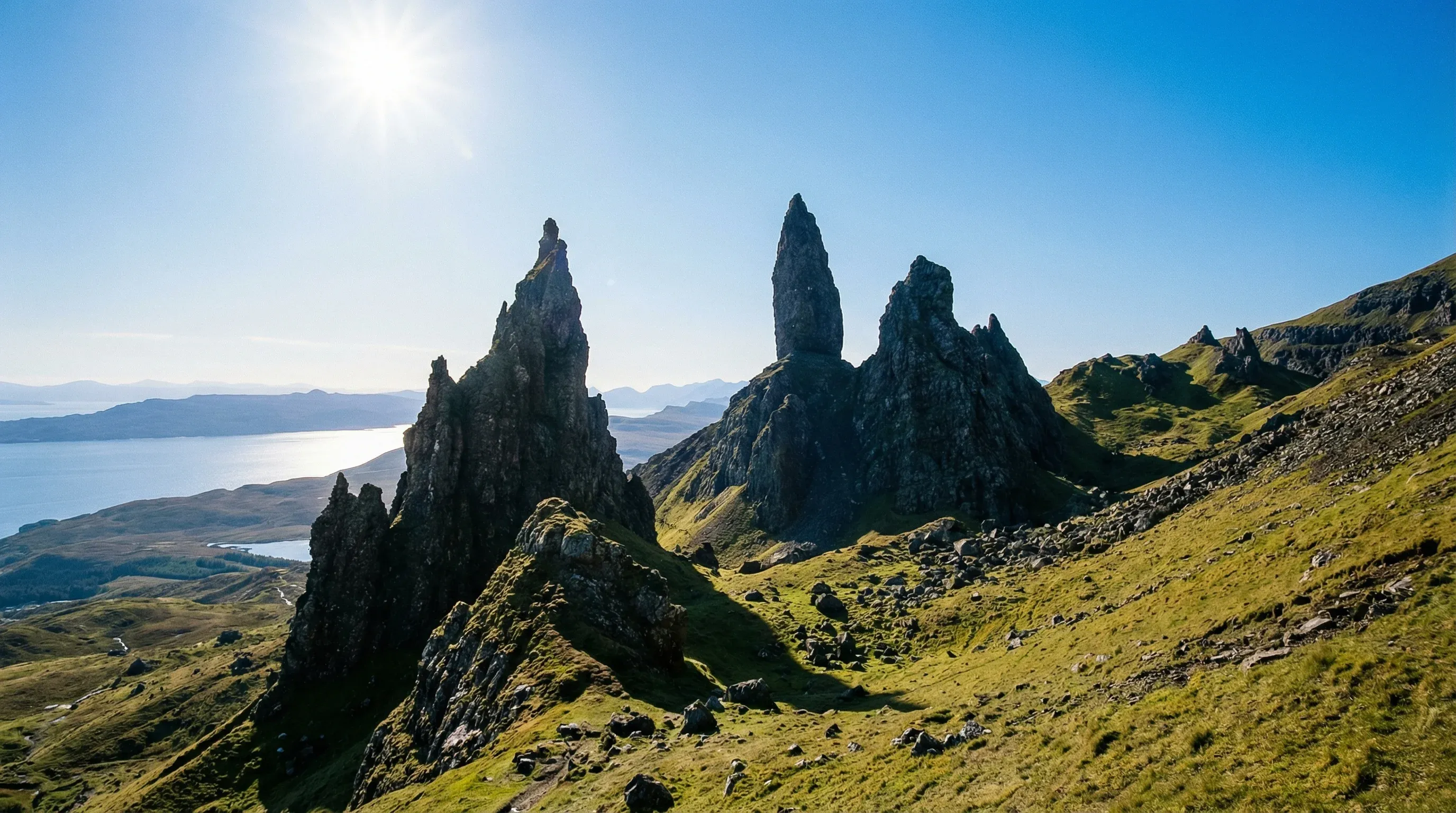
The Scottish Islands feel like the edge of the world. They are split into major groups: the Hebrides in the west and Orkney/Shetland in the north. Each has a unique character, but all share a sense of isolation, wild beauty, and deep history. For families, the beaches of the Hebrides (like Luskentyre) are mind-blowing—turquoise water and white sand that rivals the Caribbean, though you'll need a wetsuit to swim! The wildlife is spectacular; taking a boat trip to see puffins, seals, or even whales is a highlight of any trip.
History here isn't just medieval castles; it is Neolithic. In Orkney, you can walk into 5,000-year-old houses at Skara Brae, complete with stone beds, which fascinates children. The Isle of Skye offers dramatic, fantasy landscapes like the Fairy Pools and the Old Man of Storr. Travel here is an adventure in itself, involving ferries and small planes. It requires patience and planning, but the reward is a holiday that feels truly remote and magical.
Key Attractions
In Orkney, Skara Brae Prehistoric Village is older than the Pyramids and incredibly well-preserved. On the Isle of Lewis, the Callanish Standing Stones offer a tactile history experience where kids can run between the monoliths (unlike Stonehenge). The Isle of Skye boasts the Fairy Pools, a series of crystal-clear waterfalls perfect for a wild swim if you are brave.
Beach lovers must visit Luskentyre Beach on Harris, a vast expanse of white sand. History comes alive at Gearrannan Blackhouse Village, where you can see how islanders lived in thatched stone cottages until the 1970s. For the ultimate remote experience, the St Kilda National Nature Reserve is a dual UNESCO site, though it requires a long boat trip suitable for older children.
Practical Advice
Ferry travel is weather-dependent; always have a backup plan and travel insurance. Sundays in the Outer Hebrides are strictly observed as a day of rest—shops, petrol stations, and even playgrounds may be closed. Book ferries (CalMac) months in advance for cars.
Food & Drink
Typical meal times: Lunch 12:00 pm to 2:00 pm; Dinner 6:00 pm to 8:00 pm. Do not expect late-night dining.
Typical meal costs: Higher than mainland due to freight. Mains £18–25 (approx. $23–32 USD / €21–29 EUR). Seafood is world-class but priced accordingly.
Dietary requirements: Improving, but limited in small island shops. Bring your own specialist supplies (e.g., gluten-free bread) if heading to smaller islands.
Signature dishes:
- Stornoway Black Pudding – A blood sausage from Lewis, famous for being rich and savoury; granted protected status.
- Hand-dived Scallops – The islands produce some of the best shellfish in the world, often served simply with butter.
- Tablet – A very sugary, grainy fudge that melts in the mouth. A hit with kids (in small doses).
- Bere Bannock – A flatbread made from bere (an ancient form of barley) grown on Orkney.
Why this score?
Visiting these islands involves navigating ferry schedules, unpredictable weather, and some of the most remote terrain in the UK. The lack of infrastructure in places like St Kilda or the wild coastlines of Harris offers a significant sense of adventure and isolation.
Why this score?
Medical facilities on the islands are limited to small cottage hospitals or local GP surgeries with basic emergency capabilities. For anything beyond minor injuries, patients must be transferred to the mainland via air or sea, which can be delayed by weather conditions.
Why this score?
While the Isle of Skye is very popular, the more remote Outer Hebrides, Orkney, and Shetland see far fewer international visitors. These islands remain niche destinations for those seeking prehistoric sites, wildlife, and solitude away from the main tourist trail.

Getting there is the big cost (ferries/flights). Once there, costs are reasonable, but accommodation is in short supply and prices surge in summer. A B&B night is £100–140 (approx. $125–175 USD / €115–165 EUR). Camping is a popular budget option.

Getting Here & Around
Getting Here
- Ferry – Caledonian MacBrayne (CalMac) serves the west coast islands. NorthLink serves Orkney and Shetland. Booking is essential for cars.
- Plane – Loganair flies small planes to the islands. The flight to Barra lands on the beach—a unique experience.
- Driving – You need a car to reach the ferry ports (Oban, Ullapool, Aberdeen, Scrabster).
Getting Around
- Car – Virtually essential on the larger islands (Skye, Lewis, Mull). Single-track etiquette applies.
- Bus – Services exist but are often aligned with school times and may not run on Sundays.
- Cycling – Great on smaller, flatter islands like Tiree, but headwinds can be fierce.
Nearby Airports (5 airports)
Benbecula
BEBBenbecula
Kirkwall
KOIKirkwall
Sumburgh
LSIShetland Islands
Lerwick / Tingwall Airport
LWKShetland Islands
Stornoway
SYYStornoway, Outer Stat Hebrides
View full flight map for United Kingdom →
Official Links

Packing List
Ferry crossings can be rough, even in summer. Essential for kids.
The sea looks tropical but is freezing; a wetsuit allows kids to play in the water.
Remote cafes and honesty boxes for eggs/produce often don't take cards.
Horizontal rain is a feature of island life; umbrellas are useless in the wind.
Essential for kids to play in parks or hike during frequent, unpredictable rain showers.
Many public toilets and seaside arcade machines still require exact change.
UK sockets are unique (three rectangular pins) and different from the rest of Europe.
Many UK beaches are pebbly or rocky; these protect feet while exploring tide pools.
Tap water is safe and delicious; free refill stations are common in museums and cafes.

Activities & Best Times

Hiking, wildlife, outdoor exploration, ecotourism
Offers raw, world-class wilderness immersion with unique machair habitats and globally significant bird colonies. Peak months coincide with peak wildlife activity and the longest daylight hours, while winter gales make exploration challenging.

Urban tourism, museums, historical sites, architecture
Home to UNESCO-listed Neolithic sites like Skara Brae and the Callanish Standing Stones that offer unparalleled historical depth for sophisticated travelers. Summer provides the best access to these remote sites, whereas winter sees many smaller heritage centers close.

Scenic drives, countryside tours, route-based travel
Iconic routes like the Hebridean Way and the Golden Road offer dramatic coastal vistas and authentic island-hopping experiences. Peak season ensures more reliable ferry operations and better visibility, while winter weather frequently disrupts travel logistics.

Sport tourism, fitness activities, active recreation
Renowned long-distance walking and cycling routes like the Hebridean Way and St Magnus Way provide distinctive challenges for active families. Conditions are optimal during the drier, brighter summer months; winter conditions are too harsh for sustained outdoor sports.

Beach resorts, marine activities: diving, snorkelling, kite surfing, wind surfing, sailing
While visually rivaling the tropics with turquoise waters and white sands, low water temperatures limit activities to hardy explorers or visual appreciation. Best visited in the warmest months, though swimming remains an extreme activity without wet suits.

Events, celebrations, seasonal attractions
The internationally famous Up Helly Aa fire festival in Shetland attracts global visitors for its unique Viking heritage in late January. Outside of this specific event, the region lacks standalone seasonal festivals of similar international significance.

Attractions (14 total)



Public Holidays & Calendar Next 12 months
Public holidays, festivals, cultural celebrations, and seasonal natural phenomena coming up in Scottish Islands over the next 12 months.
Loading holidays and events...

Travel Advisory
Four out of six major agencies advise exercising increased caution, primarily citing a substantial threat of terrorism. Two agencies maintain baseline ratings, but the consensus indicates a heightened security environment compared to historical norms.
Safety Topics
Traveller Advice (5 groups)

Travellers should use a 'buddy system' and remain aware of their surroundings in crowded nightlife areas to avoid theft or incidents.

Ensure you have obtained a valid Electronic Travel Authorisation (ETA) before your trip if you are from a visa-exempt country. Keep digital and physical copies of identification and monitor local news for security updates.

The UK is generally very safe for LGBTQ+ travellers, though discretion is recommended in some rural areas or specific districts in Northern Ireland where social sensitivities may vary.
The UK has robust accessibility infrastructure, but older public transport systems (like parts of the London Underground) may have limited access. Research specific routes in advance.

Standard safety precautions should be observed, particularly when using public transport at night. Report any harassment to local police.
Agency Summaries
A heightened level of caution is advised because of the likelihood of terrorist attacks. Visitors should also be aware of new digital border requirements that affect dual nationals and visa-exempt travellers.
Heightened vigilance is recommended due to the potential for terrorist attacks, which may target public areas and transport hubs. Dissident violence in Northern Ireland remains a specific localized concern.
Irish citizens should follow local authorities' guidance and stay informed via news outlets. Special rules apply to the Common Travel Area regarding identification and entry.
Travellers should remain highly vigilant in the United Kingdom primarily due to the ongoing threat of terrorist activity. Recent changes to border entry requirements, including the Electronic Travel Authorisation, are being strictly enforced.
Increased caution is recommended due to the persistent risk of terrorism. Travellers can expect visible security measures in public places and should prepare for the new Electronic Travel Authority system.
Information is provided for general guidance only and does not constitute travel, safety, medical, or legal advice. Conditions may change. Users are responsible for independently verifying information before travel.