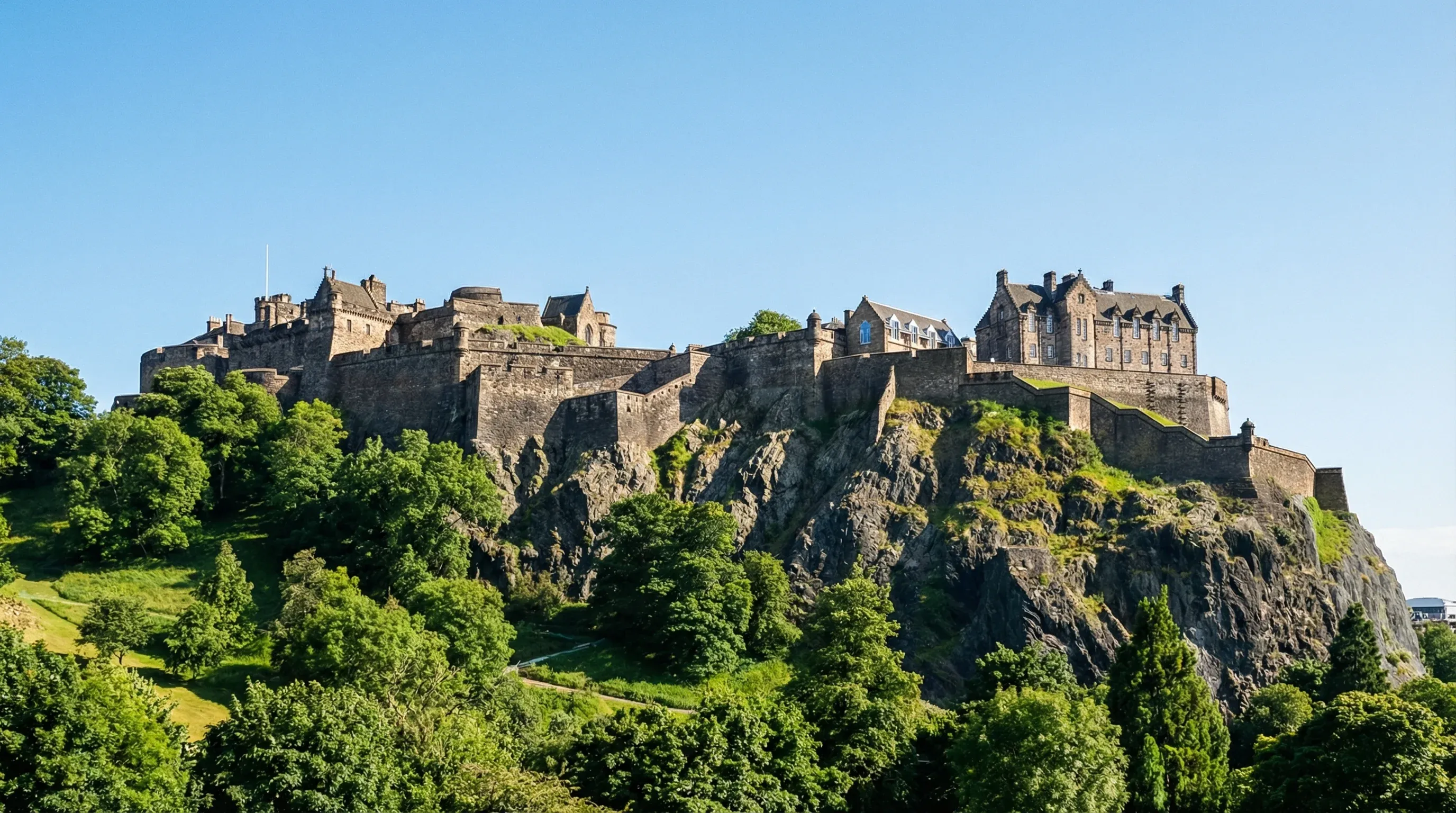

Scottish Lowlands
Historic castles, vibrant cities, and endless festivals 🏰🎭
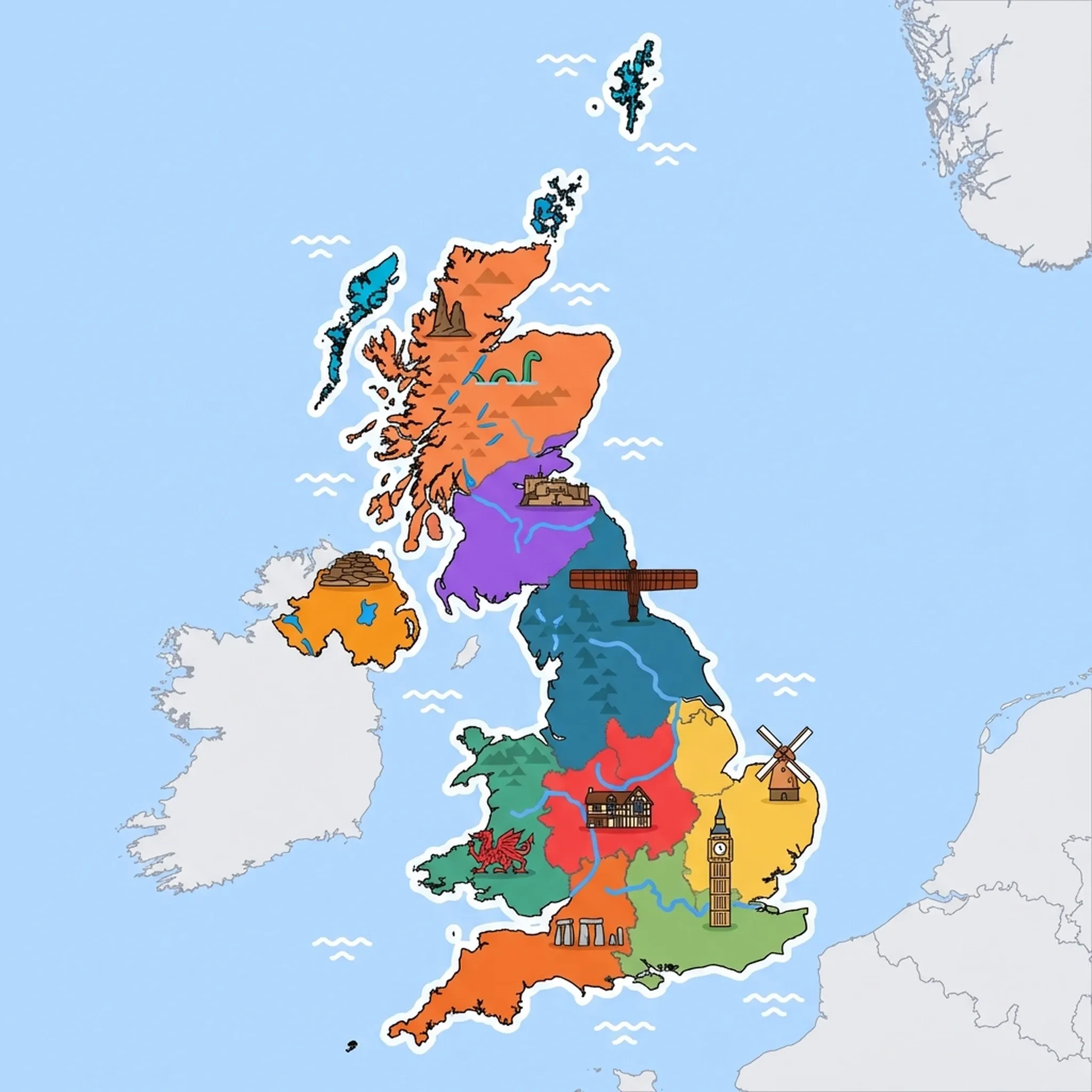
Click a region to explore
The Scottish Lowlands offer the perfect blend of city break and country escape. This region is dominated by the two great cities: Edinburgh, with its fairytale skyline and extinct volcano, and Glasgow, a hub of creativity and music. For families, this is the easiest part of Scotland to visit—logistically simple, packed with indoor attractions for rainy days, and rich in history that is accessible to children. You can watch the firing of the One O'Clock Gun at Edinburgh Castle one day, and be exploring the interactive exhibits of the Glasgow Science Centre the next.
Between the cities lies a landscape of rolling hills and history. Stirling Castle, often considered the 'brooch' that clasps the Highlands and Lowlands together, is fantastic for kids with its costumed guides and palace vaults. The coast of Fife offers charming fishing villages and the famous St Andrews. This region is less about the 'wild' outdoors and more about culture, festivals, and accessible history. In August, Edinburgh transforms into the world's biggest arts venue with the Festival Fringe, where street performers captivate children on the Royal Mile.
Key Attractions
In the capital, Edinburgh Castle dominates the skyline; seeing the Crown Jewels is a highlight. Down the Royal Mile, Edinburgh Zoo is famous for its daily penguin parade. For active families, hiking up Arthur's Seat provides panoramic views of the city and sea.
Glasgow offers the Glasgow Science Centre, a world-class facility that keeps kids engaged for hours. The Kelvingrove Art Gallery and Museum is free and features a suspended Spitfire plane and a beehive. Just outside the cities, Blair Drummond Safari and Adventure Park lets you drive through animal reserves, while Deep Sea World in Fife has one of the longest underwater tunnels in the UK.
Practical Advice
August in Edinburgh is chaotic and expensive due to the festivals; book accommodation a year in advance or stay in Glasgow/Fife and commute by train (45-60 mins). Glasgow is generally friendlier on the wallet and has a brilliant subway system ('The Clockwork Orange').
Food & Drink
Typical meal times: Lunch 12:00 pm to 2:30 pm; Dinner 5:30 pm to 9:30 pm. Chippies stay open late.
Typical meal costs: Mid-range. Edinburgh is pricier (£20+/main) than Glasgow (£15+/main). Approx £60–90 (approx. $75–115 USD / €70–105 EUR) for a family meal.
Dietary requirements: Excellent. Glasgow has been voted one of the most vegan-friendly cities in the UK. Gluten-free is widely understood.
Signature dishes:
- Deep Fried Mars Bar – A novelty, battered chocolate bar sold in some chip shops. A fun 'dare' for teenagers.
- Shortbread – Buttery, crumbly biscuits, perfect for gifts.
- Fish Supper – Haddock and chips, traditionally eaten with 'salt and sauce' (brown sauce/vinegar mix) in Edinburgh.
- Irn-Bru – The bright orange carbonated soft drink that is more popular than Coca-Cola in Scotland.
Why this score?
The landscape is primarily composed of rolling hills and developed urban centers, offering gentle outdoor recreation rather than rugged adventure. Even the nearby Loch Lomond is highly managed with easy access for families and casual walkers.
Why this score?
The region boasts some of the UK's best healthcare infrastructure, with major teaching hospitals in Edinburgh and Glasgow. Facilities are world-class and perfectly suited for international visitors, offering full emergency and specialist services with no language barriers.
Why this score?
Edinburgh is one of the world's top festival cities and a major international tourism hub, while Glasgow adds significant cultural appeal. The region acts as the primary gateway for international arrivals to Scotland, maintaining a high level of popularity year-round.

Edinburgh is 'high' cost (especially August/Hogmanay), while Glasgow and the surrounding towns are 'low-mid'. A hotel in Edinburgh city centre is £150–250 (approx. $190–315 USD / €175–290 EUR), whereas a similar room in Glasgow might be £90–130 (approx. $115–165 USD / €105–150 EUR). Many museums in Glasgow are free.

Getting Here & Around
Getting Here
- Airports – Edinburgh (EDI) and Glasgow (GLA) are major international hubs with good tram/bus links to city centres.
- Train – The East Coast Main Line connects London to Edinburgh in 4.5 hours. Glasgow is well-connected to the south west.
- Driving – The M6/M74 brings you straight into the Lowlands from England.
Getting Around
- Train – The connection between Edinburgh and Glasgow is frequent (every 15 mins) and fast.
- Public Transport – Edinburgh has an excellent tram and bus network (Lothian Buses). Glasgow has a subway loop.
- Car – Useful for Fife or the Borders, but a hindrance in the city centres due to parking costs and one-way systems.
Nearby Airports (4 airports)
Dundee
DNDDundee
Edinburgh Airport
EDIEdinburgh
Glasgow International Airport
GLAGlasgow
Prestwick
PIKGlasgow
View full flight map for United Kingdom →
Official Links

Packing List
Edinburgh is built on hills and cobblestones; heels or flimsy sandals are a mistake.
The weather changes hourly; 'four seasons in a day' is a reality here.
City rain can be sudden, though wind often breaks cheap umbrellas.
While many take contactless, some regional buses still prefer exact change.
Essential for kids to play in parks or hike during frequent, unpredictable rain showers.
Many public toilets and seaside arcade machines still require exact change.
UK sockets are unique (three rectangular pins) and different from the rest of Europe.
Many UK beaches are pebbly or rocky; these protect feet while exploring tide pools.
Tap water is safe and delicious; free refill stations are common in museums and cafes.

Activities & Best Times

Urban tourism, museums, historical sites, architecture
Home to Edinburgh's UNESCO World Heritage sites and Glasgow's vibrant arts scene, offering world-class museums and historic architecture. Peak months align with the summer festival season and the iconic Hogmanay celebrations in December.

Hiking, wildlife, outdoor exploration, ecotourism
Offers stunning landscapes like Loch Lomond and Arthur's Seat with accessible hiking and scenic beauty for families. Summer provides the best conditions for exploring national parks and lochs, while winter months are often too damp and dark for optimal exploration.

Learning experiences, scientific sites, historical education
Features internationally significant institutions like the National Museum of Scotland and Glasgow Science Centre. Peak periods align with school holiday windows when family-oriented programming is at its height.

Sport tourism, fitness activities, active recreation
Boasts world-class mountain biking at 7stanes and iconic long-distance trails like the West Highland Way. Optimal conditions occur during the drier, brighter months of late spring through early autumn.

Scenic drives, countryside tours, route-based travel
Features well-established routes like the Fife Coastal Route and Borders Historic Route through scenic countryside. Best enjoyed when daylight hours are long and visibility is high for coastal views.

Beach resorts, marine activities: diving, snorkelling, kite surfing, wind surfing, sailing
While coastal areas like St Abbs and Portobello offer scenic beauty, water temperatures remain low and suitability is limited to the warmest summer weeks. Rated marginal compared to global beach destinations due to climate constraints.

Events, celebrations, seasonal attractions
Hosts world-renowned events like the Edinburgh Fringe and Hogmanay, though the narrow focus on these specific dates limits year-round festival appeal. Rated marginal based on the small count of internationally recognized event entries in the database.

Amusement parks, family entertainment venues
Contains regional amusement and water parks that serve domestic families well but lack the international scale of major global theme parks. Outdoor parks are mostly seasonal, peaking during the summer school break.

Attractions (40 total)



Public Holidays & Calendar Next 12 months
Public holidays, festivals, cultural celebrations, and seasonal natural phenomena coming up in Scottish Lowlands over the next 12 months.
Loading holidays and events...

Travel Advisory
Four out of six major agencies advise exercising increased caution, primarily citing a substantial threat of terrorism. Two agencies maintain baseline ratings, but the consensus indicates a heightened security environment compared to historical norms.
Safety Topics
Traveller Advice (5 groups)

Travellers should use a 'buddy system' and remain aware of their surroundings in crowded nightlife areas to avoid theft or incidents.

Ensure you have obtained a valid Electronic Travel Authorisation (ETA) before your trip if you are from a visa-exempt country. Keep digital and physical copies of identification and monitor local news for security updates.

The UK is generally very safe for LGBTQ+ travellers, though discretion is recommended in some rural areas or specific districts in Northern Ireland where social sensitivities may vary.
The UK has robust accessibility infrastructure, but older public transport systems (like parts of the London Underground) may have limited access. Research specific routes in advance.

Standard safety precautions should be observed, particularly when using public transport at night. Report any harassment to local police.
Agency Summaries
A heightened level of caution is advised because of the likelihood of terrorist attacks. Visitors should also be aware of new digital border requirements that affect dual nationals and visa-exempt travellers.
Heightened vigilance is recommended due to the potential for terrorist attacks, which may target public areas and transport hubs. Dissident violence in Northern Ireland remains a specific localized concern.
Irish citizens should follow local authorities' guidance and stay informed via news outlets. Special rules apply to the Common Travel Area regarding identification and entry.
Travellers should remain highly vigilant in the United Kingdom primarily due to the ongoing threat of terrorist activity. Recent changes to border entry requirements, including the Electronic Travel Authorisation, are being strictly enforced.
Increased caution is recommended due to the persistent risk of terrorism. Travellers can expect visible security measures in public places and should prepare for the new Electronic Travel Authority system.
Information is provided for general guidance only and does not constitute travel, safety, medical, or legal advice. Conditions may change. Users are responsible for independently verifying information before travel.