

South West England
Surf, sand, cider, and prehistoric coasts 🏄♂️🦕
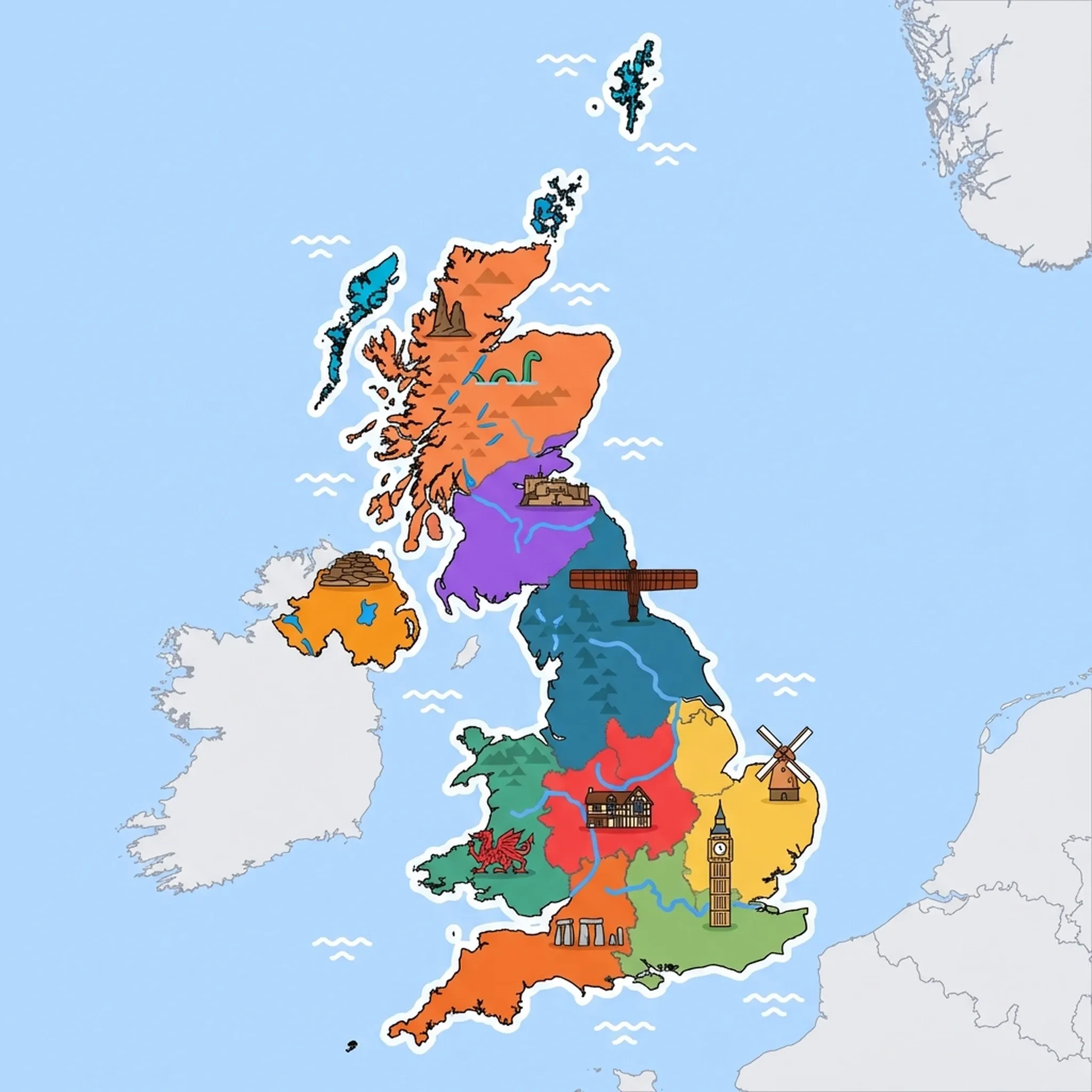
Click a region to explore
South West England is the closest the UK gets to a beach lifestyle. Stretching from the sophisticated city of Bath down to the rugged tip of Cornwall, this region is the traditional summer destination for British families. The draw is the coastline: the north coast offers Atlantic rollers perfect for surfing and bodyboarding, while the south coast features gentle, sandy coves and sailing harbours. It is also home to the Jurassic Coast, a UNESCO World Heritage site where children can literally pick up fossils from the beach.
Inland, the region is just as compelling. The granite moors of Dartmoor and Exmoor offer wild, open spaces where ponies roam free—a magical sight for kids. Bristol provides an edgy, cultural urban fix with street art and museums, while Bath offers Roman history in a walkable, golden-stone setting. The pace of life here is slower; it is about cream teas, crabbing in rock pools, and coastal walks that end in pirate-themed pubs.
Key Attractions
The Eden Project in Cornwall is a world-class attraction, housing massive rainforest biomes in an old clay pit. Nature lovers must visit Durdle Door and Lulworth Cove to see the iconic limestone arch. For a unique drive-through experience, exploring Dartmoor National Park allows you to see wild ponies and climb granite 'tors'.
History is tangible at Avebury Stone Circle, where unlike Stonehenge, you can touch the stones and walk among them. In Bristol, the Clifton Suspension Bridge is an engineering marvel, and the nearby Bristol Museum & Art Gallery is excellent. For pure family fun, Crealy Theme Park & Resort in Devon offers rides and indoor play for younger children.
Practical Advice
Traffic can be heavy on Fridays and Saturdays in summer as the main M5/A303 routes clog up. Try to travel mid-week or early/late in the day. Narrow country lanes in Cornwall require reversing skills! Surf schools are abundant, but book lessons in advance in July/August.
Food & Drink
Typical meal times: Lunch 12:00 pm to 2:30 pm; Dinner 6:00 pm to 9:00 pm. Beach cafes often serve food all day in summer.
Typical meal costs: Mid-range. Pub meal £15–18 (approx. $19–23 USD / €17–21 EUR). A Cornish Pasty £4–6 (approx. $5–8 USD / €4.50–7 EUR) is a cheap lunch.
Dietary requirements: Very good. The region has a strong organic/hippie influence (especially Totnes, Bristol, Glastonbury), so vegan and gluten-free food is high quality.
Signature dishes:
- Cornish Pasty – A D-shaped pastry filled with beef, potato, swede (turnip), and onion. The crust was originally a handle for tin miners.
- Cream Tea – Scones, clotted cream, and strawberry jam. In Devon, cream goes first; in Cornwall, jam goes first. This is a serious local debate!
- Cheddar Cheese – Originally from the village of Cheddar in Somerset; aged in local caves.
- West Country Cider – Alcoholic apple cider, ranging from cloudy 'scrumpy' to sparkling brands.
Why this score?
The South West offers diverse activities like surfing in Cornwall, hiking the Jurassic Coast, and exploring the wilds of Dartmoor. While the terrain can be challenging, the high level of tourism development means that adventure is usually accompanied by nearby comforts.
Why this score?
Major cities like Bristol and Exeter provide high-quality medical services and specialized trauma care. While the far reaches of Cornwall can be more distant from large hospitals, the overall regional healthcare system is robust and accessible to visitors.
Why this score?
Stonehenge, Bath, and the Cornwall coast are iconic international symbols of Britain, attracting millions of foreign tourists. The region is a premier destination for coastal holidays and history, though parts of it remain predominantly favored by domestic vacationers.

Accommodation in Cornwall/Devon in August is very expensive, often exceeding London prices for prime coastal cottages (£1500+ / week). Parking at beaches is also pricey (£10–15 per day). Save money by buying a National Trust membership for free parking at many coastal spots.

Getting Here & Around
Getting Here
- Driving – The M5 is the main artery to Exeter, then the A30 and A38 take you deeper into Cornwall and Devon.
- Train – The Great Western Railway runs from London Paddington to Penzance. The stretch along the dawlish coast is stunning.
- Airports – Bristol Airport (BRS) is the main regional hub, with smaller flights to Newquay (NQY) and Exeter (EXT).
Getting Around
- Car – Essential for reaching the best beaches and remote coves. Be prepared for very narrow lanes with high hedges.
- Train – Good for town-hopping (Bristol-Bath-Exeter-Plymouth) but doesn't reach the rural coast.
- Bus – The 'Coaster' buses are scenic but can be slow.
Nearby Airports (5 airports)
Bournemouth
BOHBournemouth
Bristol Airport
BRSBristol
Exeter
EXTExeter
Lands End
LEQLands End
St Mawgan
NQYNewquay
View full flight map for United Kingdom →
Official Links

Packing List
The Atlantic ocean is cold (16°C/60°F) even in summer; essential for bodyboarding.
Essential for exploring the tidal pools at low tide; available locally but cheaper to bring.
Mobile signal is poor in deep valleys; a paper map helps when GPS fails.
Many remote beach car parks still require coins and don't have apps/signal.
Essential for kids to play in parks or hike during frequent, unpredictable rain showers.
Many public toilets and seaside arcade machines still require exact change.
UK sockets are unique (three rectangular pins) and different from the rest of Europe.
Many UK beaches are pebbly or rocky; these protect feet while exploring tide pools.
Tap water is safe and delicious; free refill stations are common in museums and cafes.

Activities & Best Times

Hiking, wildlife, outdoor exploration, ecotourism
Home to the world-class South West Coast Path and the unique, internationally recognized Eden Project, providing immersive nature experiences across moorlands and rugged shorelines. Late spring and summer offer long daylight hours and optimal trail conditions, while winter months see significant rainfall and muddy terrain.

Urban tourism, museums, historical sites, architecture
The UNESCO city of Bath and the artistic hub of Bristol offer globally significant architecture, history, and street culture that appeal to discerning travelers. Peak interest aligns with summer festivals and the famous Christmas markets in December, while the deep winter months of January and February are quiet and cold.

Sport tourism, fitness activities, active recreation
Home to The Wave, a world-class inland surfing destination, alongside extensive national hiking and cycling routes that attract sport-focused tourists. While indoor/controlled facilities are accessible longer, the primary peak for active sport tourism follows the more stable and warmer outdoor season from May to September.

Beach resorts, marine activities: diving, snorkelling, kite surfing, wind surfing, sailing
Features iconic coastal geology like Durdle Door and high-quality surf beaches in Cornwall, though seasonal appeal is strictly limited by cool Atlantic water temperatures. July and August offer the best conditions for traditional beach holidays, while shoulder months remain pleasant for coastal sightseeing.

Learning experiences, scientific sites, historical education
Boasts significant scientific engagement centers like the National Marine Aquarium and Bristol's We The Curious, which offer world-class interactive learning. Peak visits coincide with UK school holiday windows, though indoor facilities provide reliable year-round educational value during shoulder seasons.

Scenic drives, countryside tours, route-based travel
Named routes like the Atlantic Highway and the Jurassic Coast Drive offer spectacular scenery through quintessential English countryside and dramatic coastline. Optimal driving conditions and maximum visibility occur in the drier summer months, while winter mist and short days significantly degrade the touring experience.

Amusement parks, family entertainment venues
While lacking major global brands like Disney, the region offers high-quality regional attractions such as Crealy and Splashdown Quaywest that cater well to traveling families. Parks operate primarily during the warmer months and school holidays, with many outdoor venues closing or reducing operations in winter.

Events, celebrations, seasonal attractions
Anchored by the world-famous Glastonbury Festival and the solstice celebrations at Stonehenge, which are major draws for global cultural travelers. These specific international-scale events are concentrated in June, with smaller regional harvest and arts festivals occurring throughout the remainder of summer.

Spa retreats, wellness centers, peaceful getaways
Centered on the historic thermal springs of Bath, providing an authentic Roman-inspired spa experience that is unique in the United Kingdom. The restorative experience is most appealing to international travelers during the colder winter months, whereas the focus shifts to outdoor activities during the peak of summer.

Attractions (43 total)



Public Holidays & Calendar Next 12 months
Public holidays, festivals, cultural celebrations, and seasonal natural phenomena coming up in South West England over the next 12 months.
Loading holidays and events...

Travel Advisory
Four out of six major agencies advise exercising increased caution, primarily citing a substantial threat of terrorism. Two agencies maintain baseline ratings, but the consensus indicates a heightened security environment compared to historical norms.
Safety Topics
Traveller Advice (5 groups)

Travellers should use a 'buddy system' and remain aware of their surroundings in crowded nightlife areas to avoid theft or incidents.

Ensure you have obtained a valid Electronic Travel Authorisation (ETA) before your trip if you are from a visa-exempt country. Keep digital and physical copies of identification and monitor local news for security updates.

The UK is generally very safe for LGBTQ+ travellers, though discretion is recommended in some rural areas or specific districts in Northern Ireland where social sensitivities may vary.

The UK has robust accessibility infrastructure, but older public transport systems (like parts of the London Underground) may have limited access. Research specific routes in advance.

Standard safety precautions should be observed, particularly when using public transport at night. Report any harassment to local police.
Agency Summaries
A heightened level of caution is advised because of the likelihood of terrorist attacks. Visitors should also be aware of new digital border requirements that affect dual nationals and visa-exempt travellers.
Heightened vigilance is recommended due to the potential for terrorist attacks, which may target public areas and transport hubs. Dissident violence in Northern Ireland remains a specific localized concern.
Irish citizens should follow local authorities' guidance and stay informed via news outlets. Special rules apply to the Common Travel Area regarding identification and entry.
Travellers should remain highly vigilant in the United Kingdom primarily due to the ongoing threat of terrorist activity. Recent changes to border entry requirements, including the Electronic Travel Authorisation, are being strictly enforced.
Increased caution is recommended due to the persistent risk of terrorism. Travellers can expect visible security measures in public places and should prepare for the new Electronic Travel Authority system.
Information is provided for general guidance only and does not constitute travel, safety, medical, or legal advice. Conditions may change. Users are responsible for independently verifying information before travel.