
Wales
epic mountains, ancient castles, and dragon legends 🐉🏰
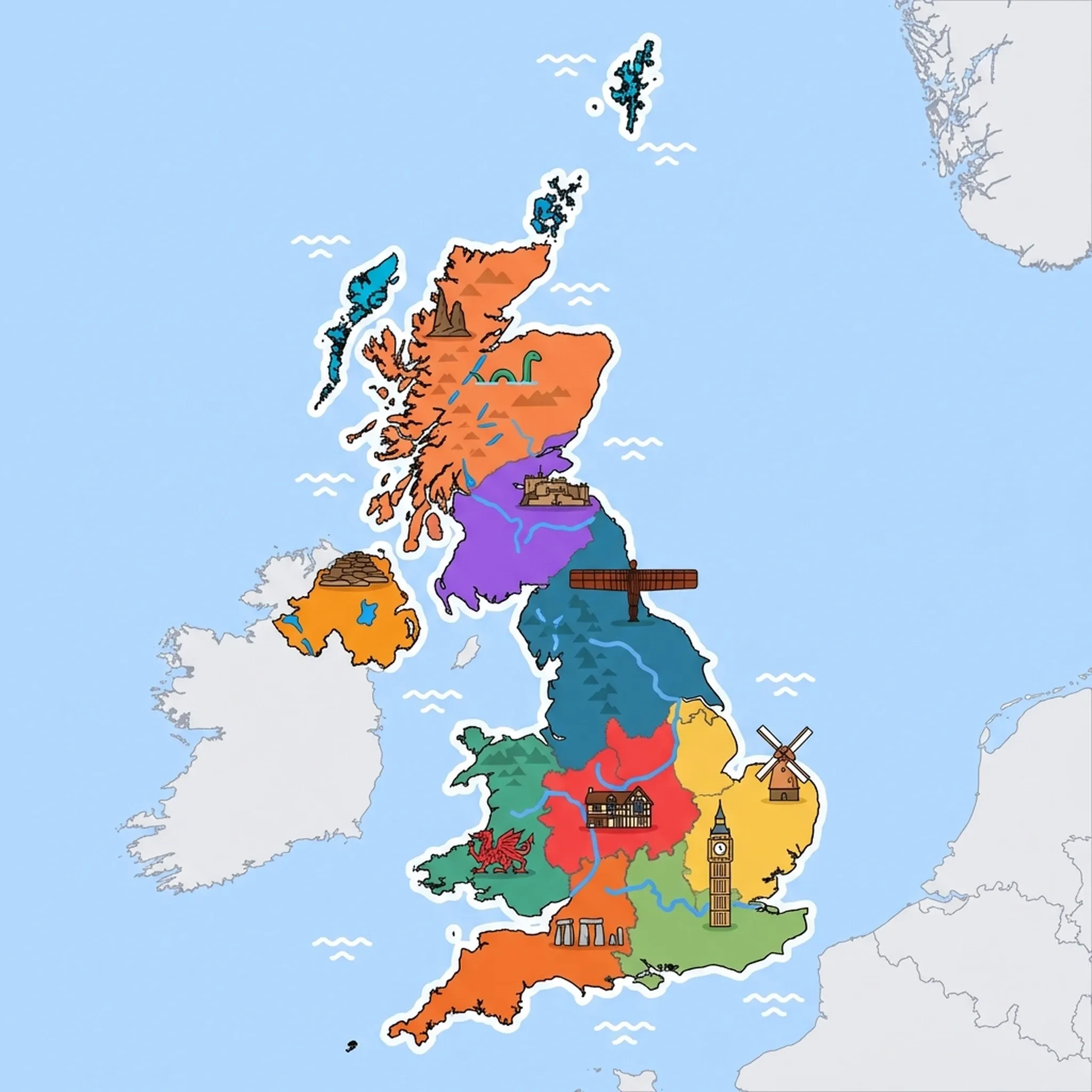
Click a region to explore
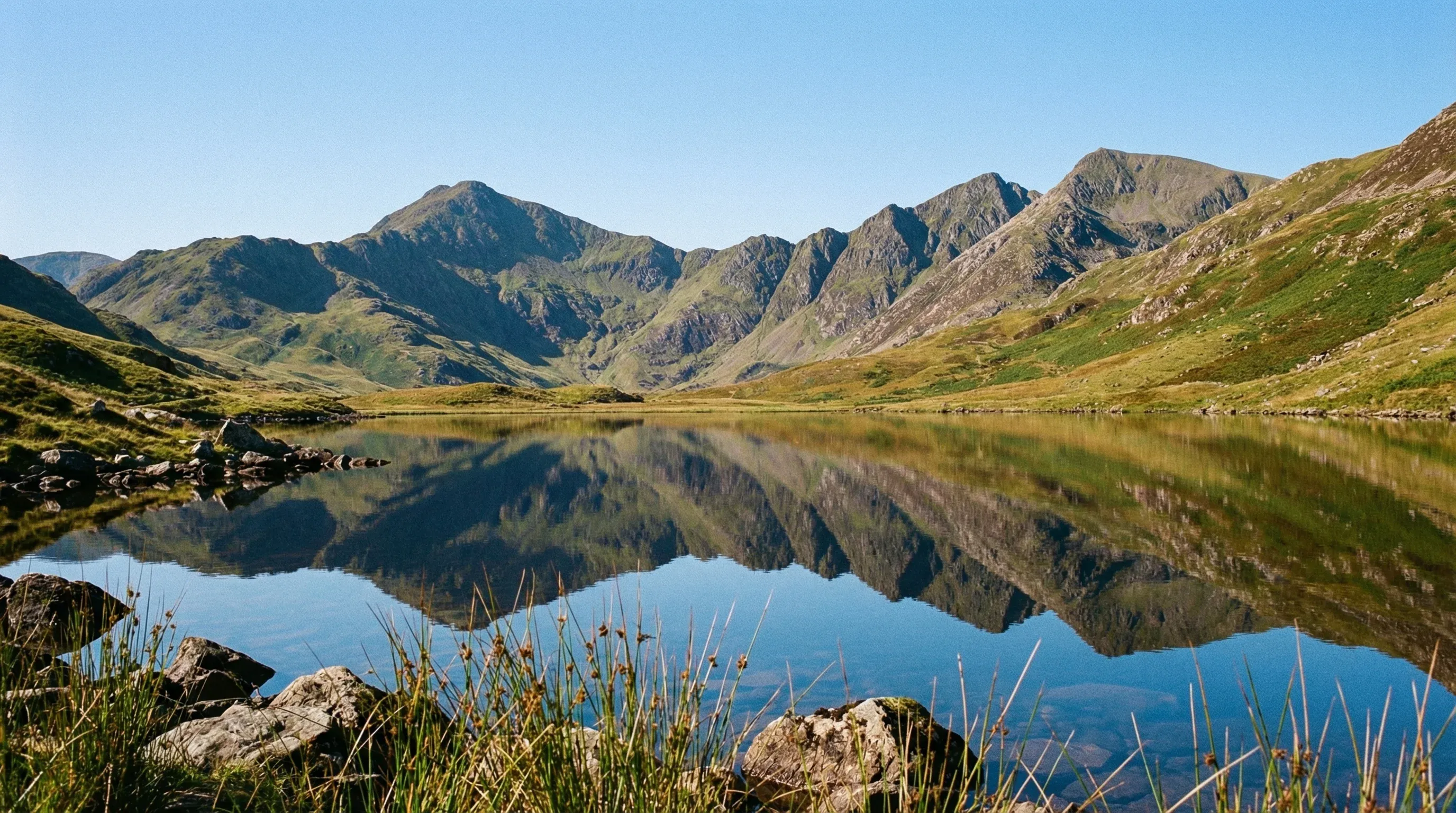
Wales packs a massive punch for such a compact country. It feels distinct from England the moment you cross the border, with road signs in two languages (Welsh and English) and a landscape that rises sharply into green valleys and craggy mountains. For adventurous families, this is the outdoor capital of the UK. You can zip-line over slate quarries, surf in man-made lagoons, or hike up Mount Snowdon (Yr Wyddfa)—a challenge that is achievable for active children, or you can take the train to the summit!
Culturally, Wales is rich in myth. It is the land of King Arthur and Merlin, and the red dragon on the flag is a huge hit with kids. The coastline, particularly Pembrokeshire, offers world-class beaches that are often quieter than those in Cornwall. History here is military and industrial; the Edwardian castles of the north are UNESCO sites designed to intimidate, while the coal mines of the south offer a humbling look at the Industrial Revolution underground.
Key Attractions
Castles are the main event: Caernarfon Castle and Conwy Castle are immense fortresses where kids can explore towers and dungeons. In the south, Cardiff Castle is a gothic fantasy house inside a Roman fort. For a unique experience, put on a helmet and go underground at Big Pit National Coal Museum—it's free and led by ex-miners.
Nature lovers should head to the National Botanic Garden of Wales to see the world's largest single-span glasshouse. On the coast, Barafundle Bay is frequently voted one of the best beaches in the world. In the north, Bodnant Garden offers vibrant colours and steep wooded valleys perfect for exploring.
Practical Advice
The Welsh language is widely spoken in the north and west; learning a simple 'Bore da' (Good morning) goes a long way. The weather in the mountains changes rapidly—always carry warm layers. Many museums in Wales are free (National Museums), making it a budget-friendly destination.
Food & Drink
Typical meal times: Lunch 12:00 pm to 2:00 pm; Dinner 6:00 pm to 8:30 pm.
Typical meal costs: Good value. Pub meals £12–16 (approx. $15–20 USD / €14–19 EUR). Cardiff has a diverse food scene with prices similar to other UK regional cities.
Dietary requirements: Good. Cardiff and coastal tourist towns cater well to vegans and gluten-free diets. Traditional tea rooms will always have options.
Signature dishes:
- Welsh Cakes – Small, round flat-cakes cooked on a griddle, containing sultanas and spices. Best eaten warm with sugar.
- Cawl – A traditional hearty stew made with lamb and seasonal vegetables (leeks, potatoes).
- Glamorgan Sausage – A vegetarian sausage made from Caerphilly cheese, leeks, and breadcrumbs.
- Bara Brith – A rich fruit loaf made with tea and dried fruits, sliced and buttered.
Why this score?
As a hub for mountain biking, zip-lining, and mountaineering, Wales offers a significant level of adventure. The landscape of North Wales is particularly rugged, with steep peaks and wild coastlines that provide a genuine challenge for outdoor enthusiasts.
Why this score?
Cardiff and Swansea have excellent hospital facilities, but the more mountainous North and mid-Wales have lower hospital density. While the standard of care is high, serious cases in North Wales are frequently transferred to larger centers across the border in Liverpool.
Why this score?
Wales is well-known for its castles and Eryri (Snowdonia), but it often receives fewer international visitors than London, Scotland, or the South West. It is a major domestic destination that is increasingly being discovered by international adventure seekers and hikers.

Wales is generally one of the more affordable regions in the UK. Accommodation, parking, and eating out are cheaper than in the South West of England. Many top attractions, including the <a data-attraction-id="18270">National Museum Cardiff</a> and <a data-attraction-id="18288">Big Pit National Coal Museum</a>, are completely free of charge.

Getting Here & Around
Getting Here
- Driving – The M4 connects London to South Wales (Cardiff/Swansea). The A55 runs along the North Wales coast.
- Train – Direct trains from London Paddington to Cardiff take 2 hours. Trains to North Wales usually leave from London Euston.
- Ferry – Holyhead in the north and Fishguard in the west connect to Ireland (Dublin/Rosslare).
Getting Around
- Car – Essential for North and Mid Wales. The roads through Snowdonia are spectacular but twisty.
- Train – The 'Heart of Wales' line is scenic but slow. North-South travel is often faster by driving through England!
- Walking – The Wales Coast Path follows the entire coastline—unique in the world.
Nearby Airports (1 airport)
Cardiff
CWLCardiff
View full flight map for United Kingdom →
Official Links

Packing List
Essential if you plan to tackle Snowdon or the rocky Pembrokeshire coast path.
Rain in the Welsh mountains is heavy and persistent; keep your spare clothes dry.
Many public toilets in rural Wales still charge 20p for entry.
For spotting dolphins in Cardigan Bay or seals in Pembrokeshire.
Essential for kids to play in parks or hike during frequent, unpredictable rain showers.
Many public toilets and seaside arcade machines still require exact change.
UK sockets are unique (three rectangular pins) and different from the rest of Europe.
Many UK beaches are pebbly or rocky; these protect feet while exploring tide pools.
Tap water is safe and delicious; free refill stations are common in museums and cafes.

Activities & Best Times

Hiking, wildlife, outdoor exploration, ecotourism
Features world-class hiking in Eryri (Snowdonia) and innovative adventure sites like Zip World, offering authentic wilderness experiences for active families. Peak months offer the best visibility and trail conditions for mountain and coastal exploration.

Urban tourism, museums, historical sites, architecture
Boasts exceptional UNESCO-listed medieval castles and national museums in Cardiff that provide a deep, authentic immersion into Welsh heritage. The milder months are ideal for exploring the historic urban centers and open-air heritage sites.

Sport tourism, fitness activities, active recreation
Offers world-class long-distance routes like the Wales Coast Path and specialized infrastructure for adventure sports. Peak months are recommended to avoid the region's high precipitation and ensure all facility-based activities are fully operational.

Beach resorts, marine activities: diving, snorkelling, kite surfing, wind surfing, sailing
Home to spectacular coastline like Rhossili and Barafundle Bay, though the experience is limited by a short swimming season and cool Atlantic waters. Peak visitation occurs during the warmest summer months when water activities are most viable for families.

Learning experiences, scientific sites, historical education
Features destination-level science and maritime museums like Techniquest and the National Waterfront Museum. These facilities offer strong engagement year-round, but summer months provide the best accessibility for traveling families.

Scenic drives, countryside tours, route-based travel
The Cambrian Way and Coastal Way provide spectacular scenic driving through diverse landscapes, though narrow roads require good visibility. Peak season offers maximum daylight and the safest conditions for navigating mountainous passes.

Amusement parks, family entertainment venues
High-quality regional entertainment like Blue Lagoon and Oakwood cater well to families, though they lack the scale of global theme park hubs. Most outdoor parks operate seasonally, with peak demand coinciding with UK school holidays.

Events, celebrations, seasonal attractions
Hosts internationally recognized events like the Hay Festival and Llangollen Eisteddfod, which are major draws for sophisticated cultural travelers. The seasonal calendar is highly concentrated around these specific late spring and summer event dates.

Spa retreats, wellness centers, peaceful getaways
While possessing historic thermal sites like Caerleon, the region lacks the concentrated destination wellness infrastructure of premier global spa hubs. Best enjoyed during the summer when wellness can be combined with restorative coastal walks.

Attractions (37 total)



Public Holidays & Calendar Next 12 months
Public holidays, festivals, cultural celebrations, and seasonal natural phenomena coming up in Wales over the next 12 months.
Loading holidays and events...

Travel Advisory
Four out of six major agencies advise exercising increased caution, primarily citing a substantial threat of terrorism. Two agencies maintain baseline ratings, but the consensus indicates a heightened security environment compared to historical norms.
Safety Topics
Traveller Advice (5 groups)

Travellers should use a 'buddy system' and remain aware of their surroundings in crowded nightlife areas to avoid theft or incidents.

Ensure you have obtained a valid Electronic Travel Authorisation (ETA) before your trip if you are from a visa-exempt country. Keep digital and physical copies of identification and monitor local news for security updates.

The UK is generally very safe for LGBTQ+ travellers, though discretion is recommended in some rural areas or specific districts in Northern Ireland where social sensitivities may vary.

The UK has robust accessibility infrastructure, but older public transport systems (like parts of the London Underground) may have limited access. Research specific routes in advance.

Standard safety precautions should be observed, particularly when using public transport at night. Report any harassment to local police.
Agency Summaries
A heightened level of caution is advised because of the likelihood of terrorist attacks. Visitors should also be aware of new digital border requirements that affect dual nationals and visa-exempt travellers.
Heightened vigilance is recommended due to the potential for terrorist attacks, which may target public areas and transport hubs. Dissident violence in Northern Ireland remains a specific localized concern.
Irish citizens should follow local authorities' guidance and stay informed via news outlets. Special rules apply to the Common Travel Area regarding identification and entry.
Travellers should remain highly vigilant in the United Kingdom primarily due to the ongoing threat of terrorist activity. Recent changes to border entry requirements, including the Electronic Travel Authorisation, are being strictly enforced.
Increased caution is recommended due to the persistent risk of terrorism. Travellers can expect visible security measures in public places and should prepare for the new Electronic Travel Authority system.
Information is provided for general guidance only and does not constitute travel, safety, medical, or legal advice. Conditions may change. Users are responsible for independently verifying information before travel.