
Click a region to explore
California is the pop-culture capital of the world, but beyond the Hollywood gloss lies a region of stunning natural beauty and immense variety. For families, the sheer volume of world-class attractions can be overwhelming. You can start your morning surfing on a Pacific beach and end the day throwing snowballs in the Sierra Nevada mountains. The state is broadly divided into Northern and Southern California, each with a distinct vibe. The south (SoCal) is famous for its sun-drenched beaches, theme parks, and laid-back attitude, while the north offers dramatic coastlines, tech-savvy cities, and ancient forests. The Pacific Coast Highway, which threads it all together, is often cited as one of the world’s best road trips, though the winding cliffs are best tackled with children who don't suffer from car sickness.
Safety Advisory: Families should be aware that wildfires are a seasonal risk, typically in late summer and autumn. Always check air quality and park alerts before driving into remote forest areas. Additionally, major cities like San Francisco and Los Angeles have areas with visible homelessness; sticking to main tourist zones is generally recommended for a relaxed family experience. Despite this, the state is incredibly family-focused, with almost every restaurant, museum, and park catering specifically to children's needs.
Key Attractions
In Southern California, Disneyland Park and the adjacent Disney California Adventure Park remain the ultimate pilgrimage for families, offering immersive storytelling that has defined childhoods for generations. For science lovers, the California Science Center in Los Angeles displays the Space Shuttle Endeavour, a jaw-dropping sight for kids. Moving north to San Francisco, a ferry trip to Alcatraz Island is surprisingly engaging for older children, mixing history with the thrill of a "prison escape" narrative. The city also hosts the Exploratorium, arguably the world's best interactive science museum. Nature lovers should not miss Death Valley National Park for its otherworldly landscapes (best visited in winter) or the alpine beauty of Emerald Bay State Park at Lake Tahoe.
Practical Advice
Best time to visit: Spring (March–May) and Autumn (September–November) offer the best weather and smaller crowds. "June Gloom" often fogs in the coast in early summer.
Logistics: Public transport is limited outside of San Francisco. A rental car is virtually mandatory for a flexible family trip. Traffic in LA and the Bay Area is notoriously heavy; plan to travel outside rush hours (7-10 am, 4-7 pm).
Food & Drink
Typical meal times: Lunch is 12:00 pm to 2:00 pm. Dinner is generally 6:00 pm to 9:00 pm, though major cities have late-night options.
Typical meal costs: Expect to pay $60–100 (approx. €55–92 EUR / £48–80 GBP) for a family meal at a mid-range restaurant. Theme park food is significantly more expensive.
Dietary requirements: California is a global leader in dietary accommodation. Vegan, gluten-free, keto, and organic options are available almost everywhere, even in fast-food chains.
Signature dishes:
- Mission Burrito – A massive flour tortilla stuffed with rice, beans, meat, and salsa, originating from San Francisco's Mission District.
- Fish Tacos – Grilled or fried fish in corn tortillas with cabbage slaw and lime, a staple of San Diego and the coast.
- Cioppino – A tomato-based seafood stew invented by Italian fishermen in San Francisco.
- Sourdough Bread – Ideally eaten as a clam chowder bread bowl on a foggy day by the bay.
Why this score?
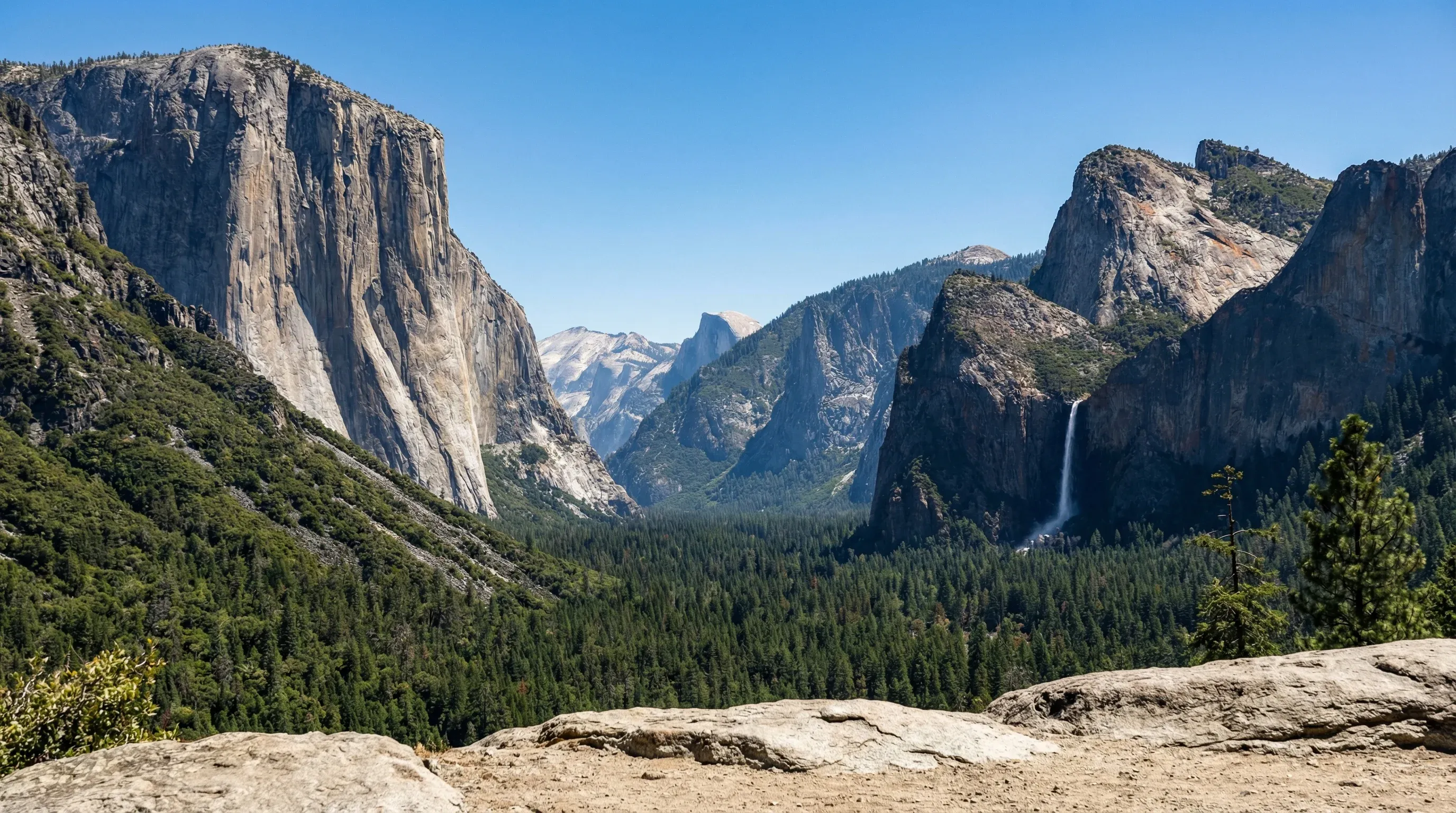
The region offers world-class outdoor recreation, from the rugged granite walls of Yosemite to the high-altitude deserts of the Eastern Sierra. However, most iconic sites are supported by highly developed infrastructure, paved roads, and luxury amenities. While physically demanding activities exist, the majority of visitors experience these landscapes within a very structured and accessible tourism framework.
Why this score?
California is a global leader in medical research and patient care, featuring world-renowned institutions like UCLA Health, Stanford Medicine, and UCSF. International travelers have access to state-of-the-art facilities with extensive experience in treating foreign nationals. High-density urban areas ensure that emergency services and specialist care are never far from major tourist corridors along the coast.
Why this score?
This region is a global mega-destination anchored by iconic cities like Los Angeles and San Francisco, attracting tens of millions of international tourists annually. Major draws include the original Disneyland Park, Hollywood, and the world-famous Pacific Coast Highway. Yosemite and Death Valley National Parks further solidify its status as a top-tier travel priority for global audiences.

California is pricey. Theme park tickets can exceed $150 (approx. €140 EUR / £120 GBP) per person per day. Coastal hotels are at a premium, often $200–400 (approx. €185–370 EUR / £160–320 GBP) per night. Gas prices are the highest in the US. Save by eating incredible street food (tacos/burritos) for $10–15 (approx. €9–14 EUR / £8–12 GBP) per person.

Getting Here & Around
Getting Here
- Airports – Los Angeles (LAX) and San Francisco (SFO) are the main international gateways. San Diego (SAN) is convenient for the south.
- Driving – Interstate 5 runs north-south through the central valley, while Highway 1 offers the scenic coastal route.
- Train – Amtrak's Coast Starlight connects Los Angeles to Seattle, offering spectacular views, though it is slower than driving.
Getting Around
- Car – Essential for visiting Death Valley National Park or navigating the sprawl of LA.
- Public Transport – San Francisco has excellent transit including the famous cable cars and BART. LA has a growing metro system but is still car-centric.
- Walking – Cities like San Francisco and San Diego's Gaslamp Quarter are very walkable, but be prepared for steep hills in SF.
Nearby Airports (26 airports)
Arcata
ACVArcata
Meadows Fld
BFLBakersfield
Eastern Sierra Regional Airport
BIHBishop
Burbank Glendale Pasadena
BURBurbank
McClellan-Palomar Airport
CLDCarlsbad
Fresno Yosemite International
FATFresno
Jack Northrop Fld Hawthorne Muni
HHRHawthorne
Imperial Co
IPLImperial
Los Angeles
LAXLos Angeles
Long Beach
LGBLong Beach
Merced Municipal Airport
MCEMerced
Mammoth Yosemite Airport
MMHMammoth Lakes
Metropolitan Oakland International
OAKOakland
Ontario International Airport
ONTOntario
Palm Springs International
PSPPalm Springs
Redding Muni
RDDRedding
San Diego International Airport
SANSan Diego
Santa Barbara Muni
SBASanta Barbara
San Bernardino International Airport
SBDSan Bernardino
San Luis County Regional Airport
SBPSan Luis Obispo
Stockton Metropolitan
SCKStockton
Norman Y Mineta San Jose International
SJCSan Jose
Sacramento International
SMFSacramento
Santa Maria Pub Cpt G Allan Hancock Airport
SMXSanta Maria
John Wayne Arpt Orange Co
SNASanta Ana
Charles M Schulz Sonoma Co
STSSanta Rosa
View full flight map for United States →
Official Links

Packing List
Coastal fog makes mornings/evenings surprisingly cold, even in summer.
Dry climate and heat require constant hydration; refill stations are common.
Highway 1 is extremely winding; essential for kids in the back seat.
Spontaneous beach stops are frequent along the coast.
Essential for road trips to keep drinks/snacks cold; most hotels provide free ice machines.
Restaurant portions are huge; carry leftovers or stash snacks for the kids easily.
Aggressive air-conditioning indoors and dry desert air in the West cause dry skin quickly.
Still required for some parking meters and hotel laundry machines in rural areas.
Older motels often lack sufficient outlets for a family's worth of devices.

Activities & Best Times

Hiking, wildlife, outdoor exploration, ecotourism
Diverse ecosystems from Yosemite's granite peaks to Death Valley; peak summer months avoid snow closures in the Sierra Nevada high country.

Urban tourism, museums, historical sites, architecture
San Francisco and Los Angeles provide world-class museums and landmarks like Alcatraz; peak season offers the most consistent weather for urban exploration.

Learning experiences, scientific sites, historical education
Features globally significant facilities like the Monterey Bay Aquarium and California Academy of Sciences; peak season aligns with global family travel periods.

Sport tourism, fitness activities, active recreation
Offers premier hiking on the Pacific Crest Trail and world-class surfing; peak months provide the safest and most accessible conditions for outdoor sport tourism.

Amusement parks, family entertainment venues
Home to the original Disneyland and Universal Studios Hollywood; peak periods align with international school holiday windows and major seasonal events.

Beach resorts, marine activities: diving, snorkelling, kite surfing, wind surfing, sailing
Iconic surfing and pier culture at Santa Monica and La Jolla; peak months offer warmer water and air temperatures for international travelers.

Events, celebrations, seasonal attractions
Host to globally recognized events like Comic-Con and Coachella; peak months correspond directly to these high-profile festival dates.

Spa retreats, wellness centers, peaceful getaways
Known for coastal retreats and unique hot springs like Glen Ivy; peak months offer ideal outdoor conditions for restorative spa and wellness experiences.

Scenic drives, countryside tours, route-based travel
Includes the legendary Pacific Coast Highway; peak months ensure the best visibility and access to mountain passes like Tioga Road.

Winter sports, ski resorts, snow activities
High-altitude resorts like Mammoth and Palisades Tahoe offer world-class infrastructure; peak winter ensures reliable snow and full mountain access.

Attractions (70 total)



Public Holidays & Calendar Next 12 months
Public holidays, festivals, cultural celebrations, and seasonal natural phenomena coming up in California & Pacific Coast over the next 12 months.
Loading holidays and events...

Travel Advisory
The majority of international agencies classify the United States as a destination requiring standard safety awareness, though several highlight specific risks related to gun violence and terrorism.
Safety Topics
Traveller Advice (4 groups)

Legal protections and social acceptance for LGBTQ+ individuals can vary significantly between different states and regions. Research local attitudes before traveling.

Ensure you have comprehensive medical insurance that covers high costs in the U.S. healthcare system. Obtain necessary electronic entry permits like ESTA well in advance of departure.

Infrastructure and accessibility for travelers with disabilities are generally well-developed across public transport and tourist sites.

Maintain standard personal safety precautions as you would elsewhere. Be cautious when walking alone in unfamiliar urban areas after dark.
Agency Summaries
Due to concerns regarding terrorism, civil unrest, and a significantly higher rate of gun-related violent crime than New Zealand, an increased level of vigilance is recommended for all visitors.
The general safety environment is stable, but violent crime and gun-related incidents are more common than in Australia. Travelers should avoid areas of protest and stay informed of local safety drills.
Most trips are successful and safe. However, there is a persistent threat from terrorism and a higher incidence of violent crime, specifically gun crime, compared to the United Kingdom.
Citizens should secure appropriate entry authorization like ESTA before traveling. It is important to stay away from demonstrations and monitor local media for potential security updates.
While travel is generally safe, visitors should remain alert to the higher frequency of gun violence and mass shootings compared to Canada. Seasonal natural disasters like hurricanes and wildfires also pose risks.
Information is provided for general guidance only and does not constitute travel, safety, medical, or legal advice. Conditions may change. Users are responsible for independently verifying information before travel.