
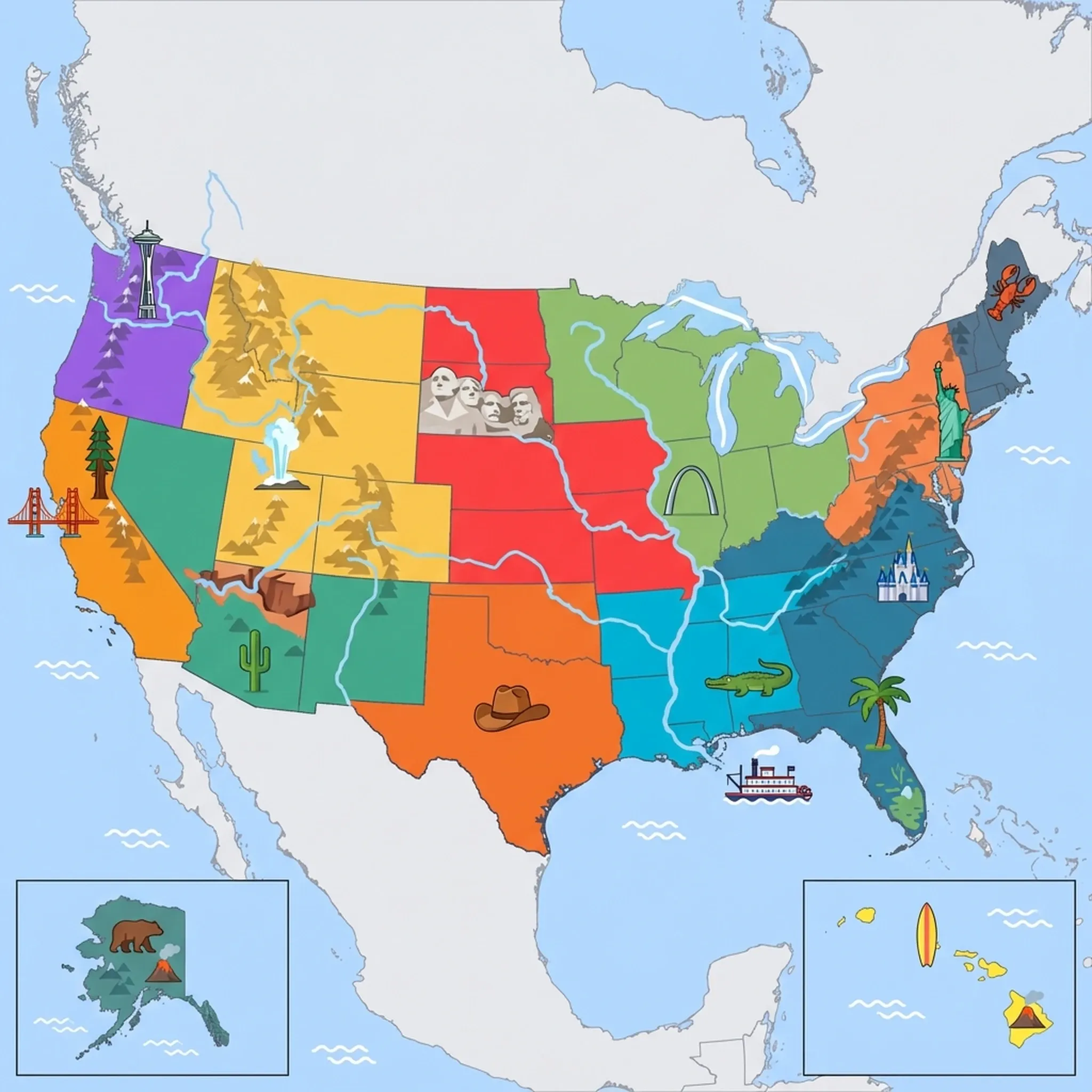
Click a region to explore
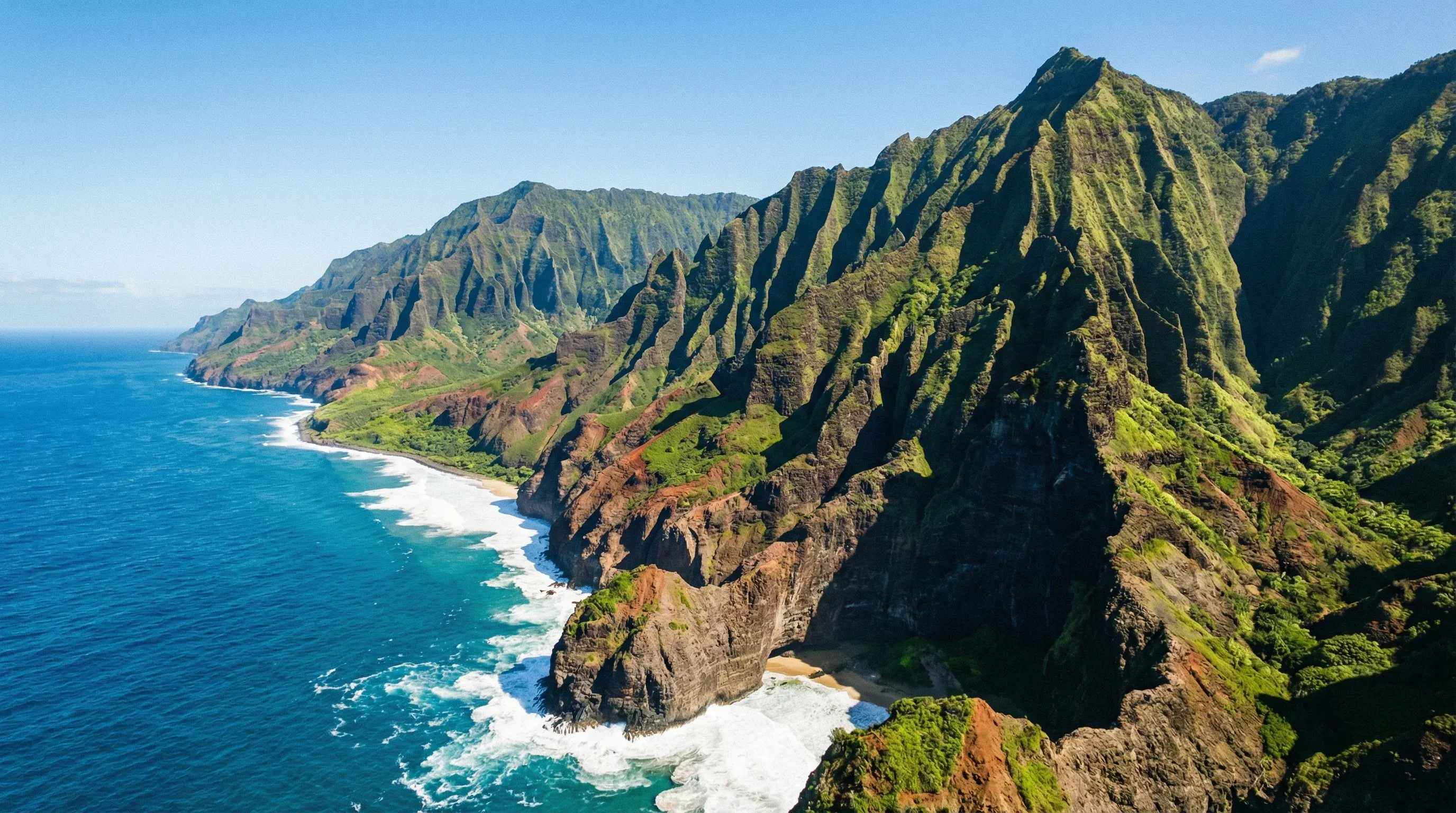
Hawaii feels like a different world, yet with the comforts of the US. It is a place where the "Aloha Spirit" isn't just a slogan but a law of life. For families, the islands offer a mix of relaxation and high-adventure education. You can swim with sea turtles, hike across solidified lava lakes, and learn to hula dance all in one week. Each island has a distinct personality: Oahu is bustling and historic; Maui is polished and beach-focused; Kauai is wild and green; and the Big Island is raw and volcanic. The ocean here is a powerful force—warm and inviting, but demanding respect. Teaching children to read the waves is part of the local experience.
Travel Context: Families should always check current conditions regarding wildfires or volcanic activity before travel. Ocean safety is the primary daily concern; always swim at lifeguarded beaches and heed warning signs, as currents can be deceptive. Culturally, Hawaii is unique. Visitors are encouraged to respect the land (aina) and local traditions. Simple gestures like not touching wildlife (especially monk seals and turtles) and using reef-safe sunscreen are strictly enforced expectations.
Key Attractions
On the Big Island, Hawaii Volcanoes National Park is a bucket-list destination where families can walk through lava tubes and see steam vents. On Oahu, the Pearl Harbor Aviation Museum and associated historic sites offer a somber but fascinating look at WWII history. For pure natural beauty, driving the Hana Highway (Road to Hana) on Maui is an adventure of waterfalls and jungle, though the winding road can be tough on motion-sick kids. The Bernice Pauahi Bishop Museum in Honolulu is the premier place to learn about Polynesian wayfinding and culture. Nature lovers on Kauai should visit the Allerton Garden to see the massive fig trees made famous by the Jurassic Park films.
Practical Advice
Best time to visit: April–May and September–October offer great weather and slightly lower prices. Winter (December–March) is peak whale-watching season but rainier and more expensive.
Logistics: Renting a car is necessary on most islands (less so in Waikiki). Inter-island travel requires flights; there are no bridges or ferries between major islands.
Food & Drink
Typical meal times: Lunch 11:00 am to 2:00 pm. Dinner 5:30 pm to 9:00 pm. "Pau Hana" (Happy Hour) is popular for early dinners.
Typical meal costs: Expensive. A casual family lunch can easily cost $80–120 (approx. €75–110 EUR / £65–95 GBP). Groceries are 30-50% more expensive than the mainland.
Dietary requirements: excellent options. Asian influence means rice is a staple. Fresh fruit is abundant. Vegan/Vegetarian food is widely available.
Signature dishes:
- Poke – Cubed raw fish (usually ahi tuna) marinated in soy sauce, sesame oil, and onions. Available everywhere from supermarkets to high-end restaurants.
- Kalua Pig – Smoky, slow-roasted pork cooked in an underground oven (imu), a staple of luaus.
- Shave Ice – Finely shaved ice flavored with tropical syrups; add a "snow cap" (condensed milk) for the real experience.
- Malasadas – Portuguese donuts without a hole, rolled in sugar and often filled with custard or haupia (coconut).
Why this score?
The islands offer significant adventure opportunities, from hiking the knife-edge ridges of Kauai to exploring active lava flows on the Big Island. The marine environment provides challenging surfing and diving, though the most popular spots are heavily managed for safety. While highly developed, the rugged volcanic interior of the islands remains physically demanding for adventurous families.
Why this score?
Honolulu features excellent, modern medical facilities that are well-equipped to handle the large volume of international tourists. On the outer islands, care is still high-quality but more limited in terms of specialized trauma centers, occasionally requiring air transport to Oahu for complex cases. The system is highly accustomed to foreign insurance and English-speaking patients, ensuring a smooth experience for families.
Why this score?
Hawaii is a top-tier international destination with a massive draw from both the Asian and North American markets. Sites like Pearl Harbor and Waikiki Beach are globally recognized, and the islands consistently rank among the world's most desired tropical locales. The unique volcanic landscapes of Haleakala and Volcanoes National Park provide a high-volume international tourism flow year-round.

Hawaii is one of the most expensive US states. A modest hotel room often starts at $250–350 (approx. €230–320 EUR / £200–280 GBP). Resort fees of $30–50 per night are common. Food is pricey due to shipping costs. To save, eat 'plate lunches' ($15–20) from local drive-ins rather than tourist restaurants.

Getting Here & Around
Getting Here
- Airports – Daniel K. Inouye International (HNL) on Oahu is the main hub. Direct flights also go to Kahului (OGG) on Maui and Kona (KOA) on the Big Island.
- Cruise – A popular way to see multiple islands without packing and unpacking, with many lines departing from Honolulu.
Getting Around
- Car – Essential for exploring Haleakala National Park or the North Shore. Book rental cars months in advance.
- Public Transport – Oahu has "TheBus," which is reliable and reaches most tourist spots, but travel times are long.
- Walking – Waikiki is very walkable, but other areas are not pedestrian-friendly due to lack of sidewalks.
Nearby Airports (6 airports)
Hana
HNMHana
Hilo International
ITOHilo
Kona
KOAKailua-Kona
Hoolehua
MKKHoolehua
Kamuela
MUEKamuela
Kahului
OGGKahului
View full flight map for United States →
Official Links

Packing List
Chemical sunscreens (oxybenzone) are banned in Hawaii to protect coral.
Sun is intense; reduces sunscreen use and protects from surfboard rub.
Many beaches have sharp coral or lava rock bottoms.
Plastic bags are banned; needed for groceries or carrying wet gear.
Essential for road trips to keep drinks/snacks cold; most hotels provide free ice machines.
Restaurant portions are huge; carry leftovers or stash snacks for the kids easily.
Aggressive air-conditioning indoors and dry desert air in the West cause dry skin quickly.
Tap water is safe and free almost everywhere; fountains are common in parks and museums.
Still required for some parking meters and hotel laundry machines in rural areas.
Older motels often lack sufficient outlets for a family's worth of devices.

Activities & Best Times

Hiking, wildlife, outdoor exploration, ecotourism
Hawaii offers world-class volcanic trekking and lush rainforest exploration across multiple islands. Summer provides the most stable weather for hiking the Kalalau Trail or visiting Haleakala National Park, while winter rains can make trails muddy and less accessible.

Beach resorts, marine activities: diving, snorkelling, kite surfing, wind surfing, sailing
Hawaii's beaches are globally iconic and set international standards. Waikiki Beach and Hanauma Bay are among the world's most famous beaches. The marine biodiversity, year-round swimming conditions, and international reputation justify an 'excellent' rating under proper calibration.

Urban tourism, museums, historical sites, architecture
Honolulu provides a unique blend of Polynesian heritage and modern urban luxury, anchored by significant sites like Iolani Palace and Pearl Harbor. Cultural engagement is high year-round, though visitor numbers peak during the summer and year-end festivities.

Learning experiences, scientific sites, historical education
Boasts internationally significant educational facilities like the Bishop Museum and Maui Ocean Center that provide deep insights into Polynesian culture and marine science. These institutions offer robust year-round learning environments for discerning families.

Sport tourism, fitness activities, active recreation
An international hub for surfing, triathlons, and world-class hiking. The infrastructure for active tourism is exceptional, with peak suitability occurring during the Ironman season and the drier summer months for trail activities.

Events, celebrations, seasonal attractions
Hosting globally recognized events like the Ironman World Championship, Merrie Monarch, and Pipeline Pro. Peak months are dictated specifically by the scheduling of these major international cultural and sporting events.

Scenic drives, countryside tours, route-based travel
Features world-famous scenic drives such as the Road to Hana and Waimea Canyon Drive. Dry, clear conditions in the summer and late spring are essential for maximizing the spectacular coastal and canyon views safely.

Spa retreats, wellness centers, peaceful getaways
Known for natural geothermal features like the Pohoiki Warm Springs and high-end resort spa culture. Visitors typically seek these restorative experiences during peak leisure windows in the summer or as a winter escape.

Amusement parks, family entertainment venues
Features Wet 'n' Wild Hawaii as a major regional family attraction. Best visited during the hot summer months to fully utilize water-based entertainment facilities when school holiday demand is highest.

Attractions (34 total)



Public Holidays & Calendar Next 12 months
Public holidays, festivals, cultural celebrations, and seasonal natural phenomena coming up in Hawaii over the next 12 months.
Loading holidays and events...

Travel Advisory
The majority of international agencies classify the United States as a destination requiring standard safety awareness, though several highlight specific risks related to gun violence and terrorism.
Safety Topics
Traveller Advice (4 groups)

Legal protections and social acceptance for LGBTQ+ individuals can vary significantly between different states and regions. Research local attitudes before traveling.

Ensure you have comprehensive medical insurance that covers high costs in the U.S. healthcare system. Obtain necessary electronic entry permits like ESTA well in advance of departure.

Infrastructure and accessibility for travelers with disabilities are generally well-developed across public transport and tourist sites.

Maintain standard personal safety precautions as you would elsewhere. Be cautious when walking alone in unfamiliar urban areas after dark.
Agency Summaries
Due to concerns regarding terrorism, civil unrest, and a significantly higher rate of gun-related violent crime than New Zealand, an increased level of vigilance is recommended for all visitors.
The general safety environment is stable, but violent crime and gun-related incidents are more common than in Australia. Travelers should avoid areas of protest and stay informed of local safety drills.
Most trips are successful and safe. However, there is a persistent threat from terrorism and a higher incidence of violent crime, specifically gun crime, compared to the United Kingdom.
Citizens should secure appropriate entry authorization like ESTA before traveling. It is important to stay away from demonstrations and monitor local media for potential security updates.
While travel is generally safe, visitors should remain alert to the higher frequency of gun violence and mass shootings compared to Canada. Seasonal natural disasters like hurricanes and wildfires also pose risks.
Information is provided for general guidance only and does not constitute travel, safety, medical, or legal advice. Conditions may change. Users are responsible for independently verifying information before travel.