
Mid-Atlantic Corridor
Big cities, bright lights, and the birth of a nation 🏙️🇺🇸🔔
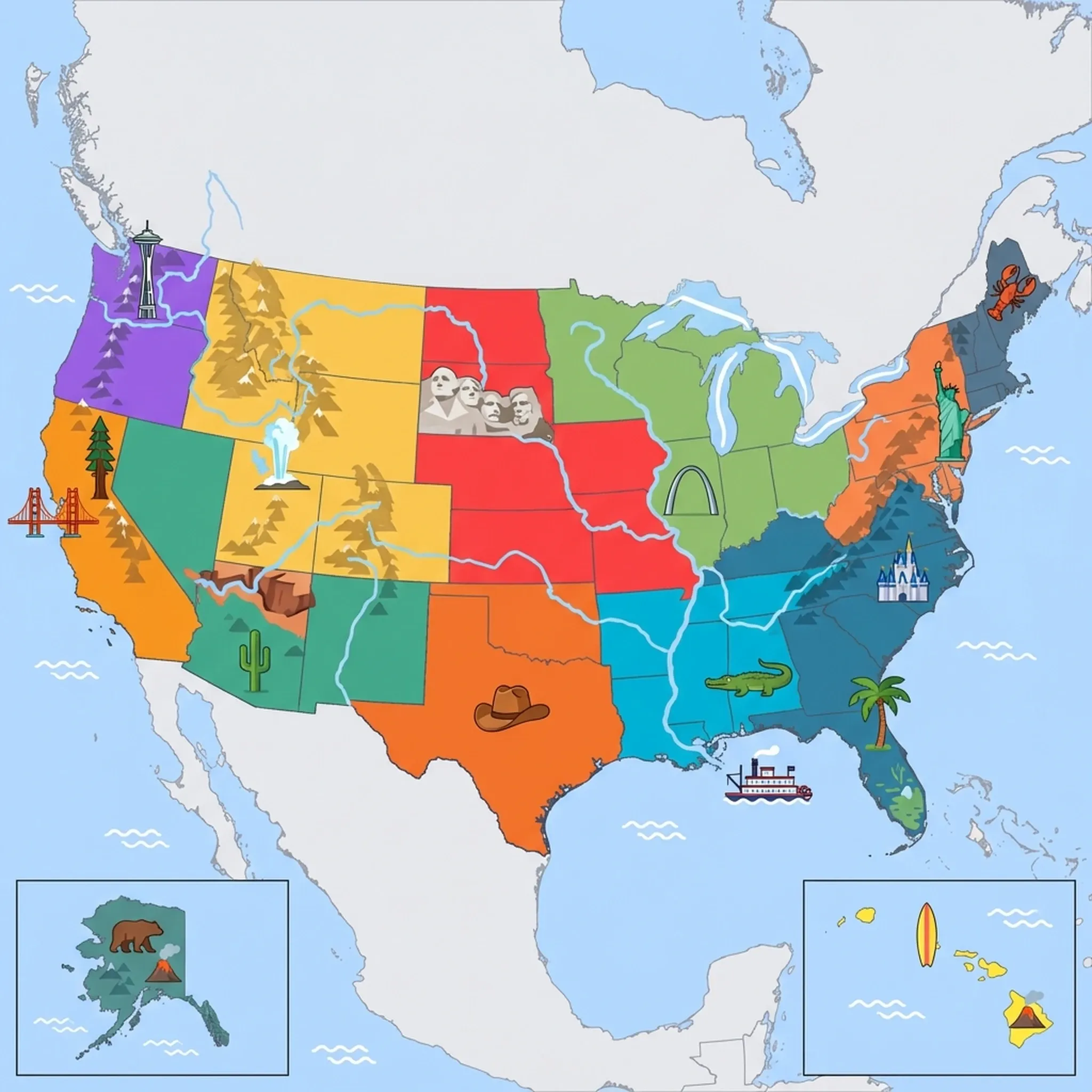
Click a region to explore
The Mid-Atlantic is the most urbanized and historic corridor in the United States, offering a high-energy trip packed with educational value. For families, this is the land of world-class museums, many of which are free (especially in Washington D.C.). It is a region of contrasts: you can be in the frenetic heart of Times Square one morning and amidst the Amish farmlands of Pennsylvania by the afternoon. The density of the region is a huge advantage; you can easily visit three major cities—New York, Philadelphia, and Washington D.C.—in a single week using the excellent train network, avoiding the need for a car.
While the cities are the draw, the region also offers surprising nature. The beaches of the Jersey Shore and Maryland are summer playgrounds, while the Adirondack Mountains offer wilderness larger than some national parks. The pace of life here is fast. People walk quickly, talk quickly, and queues for attractions can be long. Pre-booking tickets for major sites is not just recommended; it is essential.
Key Attractions
New York City is an endless playground. Central Park is a non-negotiable stop for running off energy, perhaps visiting the Bronx Zoo for a full day of wildlife. The Empire State Building offers iconic views, though the Top of the Rock is often better for seeing the Empire State itself. In Philadelphia, history comes alive at Independence Hall, where the US was born. For chocolate lovers, a trip to Hersheypark in Pennsylvania provides a sweet mix of theme park thrills and factory tours. Nature lovers should head to Assateague Island National Seashore to see the famous wild horses roaming the beaches.
Practical Advice
Best time to visit: Spring (April–May) and Autumn (September–October) have pleasant weather. Summers in the cities are hot, humid, and smelly. Christmas in NYC is magical but incredibly expensive and crowded.
Logistics: Do not drive in NYC or D.C. if you can avoid it. Parking is extortionate ($50+ per night). Use Amtrak trains to move between cities and metros/subways within them.
Food & Drink
Typical meal times: Lunch 12:00 pm to 2:00 pm. Dinner 6:00 pm to 10:00 pm. You can find food 24/7 in NYC.
Typical meal costs: Varies wildly. Street food is cheap ($5–10), but sit-down restaurants are pricey. Expect $80–150 (approx. €75–140 EUR / £65–120 GBP) for a family dinner in NYC/DC.
Dietary requirements: The best in the country. You can find food for literally any allergy or preference in the major cities.
Signature dishes:
- New York Pizza – Thin crust, sold by the slice. Fold it to eat it.
- Philly Cheesesteak – Ribeye steak, melted cheese (often Cheez Whiz), and onions on a hoagie roll.
- Bagels – Boiled and baked, best with "schmear" (cream cheese) and lox (cured salmon).
- Blue Crabs – Steamed with Old Bay seasoning, a messy, hands-on staple of Maryland and the Chesapeake Bay.
Why this score?
The region is one of the most densely populated and urbanized corridors in the world, focused primarily on culture, history, and commerce. While the Adirondack Park and sections of the Appalachian Trail offer outdoor escapes, the vast majority of visitors engage in urban-centric activities. For families, the 'adventure' is almost entirely found in city navigation and museum exploration rather than rugged wilderness.
Why this score?
Home to many of the world's highest-ranked hospitals, including Johns Hopkins in Baltimore and NYU Langone in New York, the medical infrastructure is unsurpassed. These facilities are global hubs for medical tourism and are perfectly equipped to handle international patients with diverse needs. Emergency services are exceptionally dense and accessible across the entire urban corridor, providing maximum peace of mind for families.
Why this score?
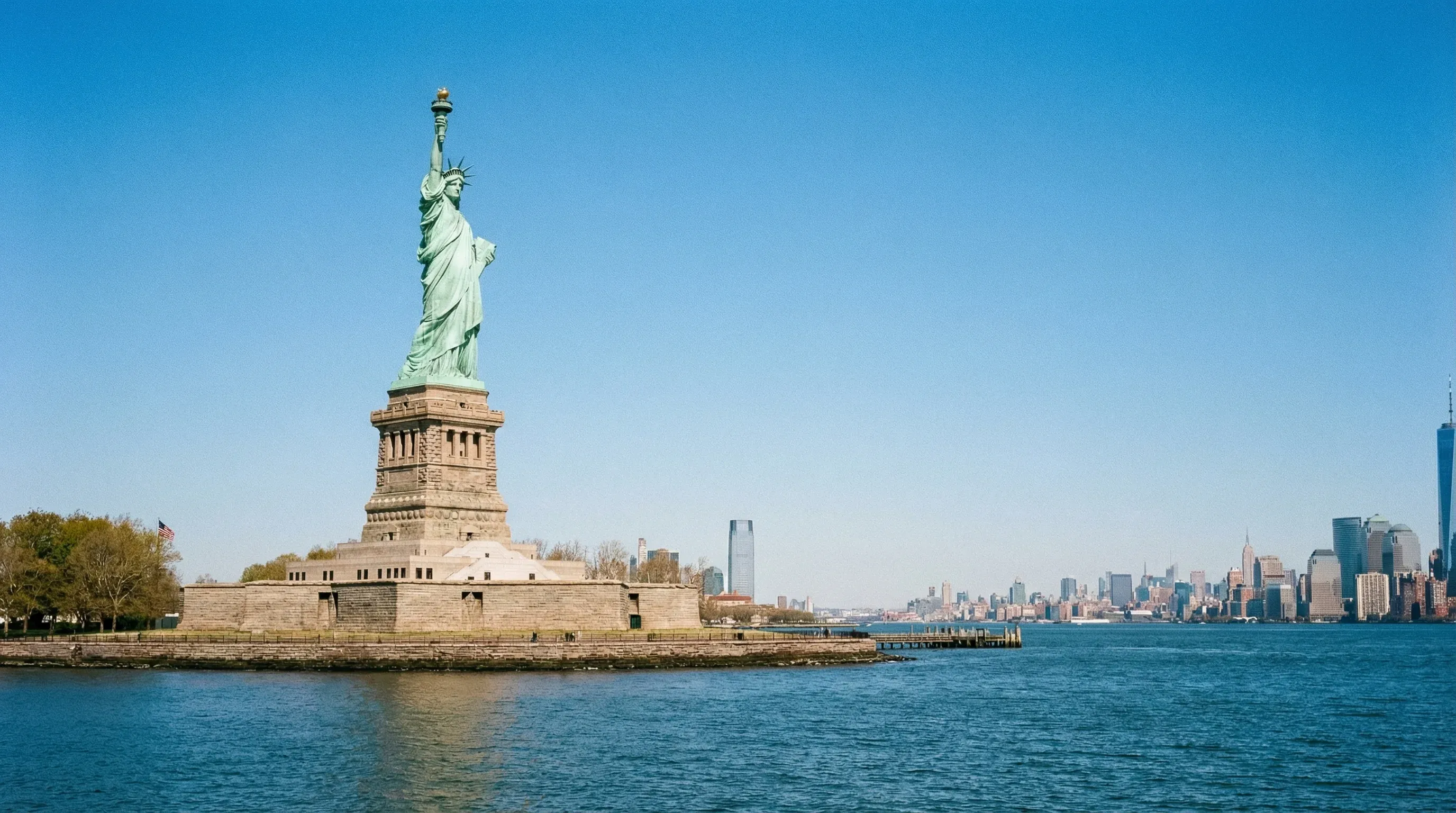
This region contains New York City and Washington D.C., two of the most visited cities on the planet by international tourists. Iconic landmarks such as the Statue of Liberty, the National Mall, and Times Square attract tens of millions of global visitors annually. It serves as the primary gateway to the United States and is a core component of the global tourism economy.

NYC and D.C. are among the most expensive cities in the world. Hotel rooms often average $250–450 (approx. €230–415 EUR / £200–360 GBP). However, D.C. balances this with free entry to all Smithsonian museums and the Zoo. Philadelphia is generally cheaper than its neighbors.

Getting Here & Around
Getting Here
- Airports – JFK and Newark (EWR) serve New York. Dulles (IAD) serves D.C. Philadelphia (PHL) is also a major hub.
- Train – Amtrak's Northeast Regional and Acela lines connect Boston, NYC, Philly, and D.C. efficiently.
Getting Around
- Public Transport – The subway in NYC and Metro in D.C. are the best ways to get around. Kids usually love the novelty of the trains.
- Walking – This is a walking region. Bring comfortable shoes. Walking the Brooklyn Bridge is a highlight.
- Car – Useful only if visiting Adirondack Park or rural Pennsylvania.
Nearby Airports (44 airports)
Lehigh Valley Intl
ABEAllentown
Atlantic City International
ACYAtlantic City
Albany International
ALBAlbany
Altoona Blair Co
AOOAltoona
Watertown International
ARTWatertown
Wilkes Barre Scranton Intl
AVPWilkes-Barre
Bradford Regional Airport
BFDBradford
Greater Binghamton Edwin A Link Fld
BGMBinghamton
Raleigh County Memorial Airport
BKWBeckley
Buffalo Niagara International
BUFBuffalo
Baltimore Washington International
BWIBaltimore
Harrison Marion Regional Airport
CKBClarksburg
Yeager
CRWCharleston
DuBois Regional Airport
DUJDubois
Elmira Corning Rgnl
ELMElmira
Erie Intl Tom Ridge Fld
ERIErie
Newark Liberty International
EWRNew York
Hagerstown Regional Richard A Henson Field
HGRHagerstown
Westchester Co
HPNWestchester County
Tri State Milton J Ferguson Field
HTSHuntington
Niagara Falls International
IAGNiagara Falls
New Castle Co
ILGWilmington
Williamsport Rgnl
IPTWilliamsport
Long Island Mac Arthur
ISPIslip
Ithaca Tompkins Regional Airport
ITHIthaca
John Murtha Johnstown-Cambria County Airport
JSTJohnstown
Arnold Palmer Regional Airport
LBELatrobe
Lancaster Airport
LNSLancaster
Greenbrier Valley Airport
LWBLewisburg
Harrisburg International
MDTMiddletown
Morgantown Muni Walter L Bill Hart Fld
MGWMorgantown
Massena International Richards Fld
MSSMassena
Plattsburgh International
PBGPlattsburgh
Philadelphia International Airport
PHLPhiladelphia
Pittsburgh Airport
PITPittsburgh
Mid-Ohio Valley Regional Airport
PKBParkersburg
Greater Rochester International
ROCRochester
Salisbury Ocean City Wicomico Rgnl
SBYSalisbury-Ocean City
State College/University Park
SCEState College
Adirondack Regional Airport
SLKSaranac Lake
Stewart International
SWFNewburgh
Syracuse Hancock International
SYRSyracuse
Teterboro
TEBTeterboro
Trenton Mercer
TTNTrenton
View full flight map for United States →
Official Links

Packing List
You will walk 15,000+ steps a day in NYC/DC; fashion sneakers will hurt.
Essential for carrying water/snacks while out all day in cities.
Public transport (subways) can be grimy; essential before street food.
Cities are loud; helps kids decompress on subways or busy streets.
Essential for road trips to keep drinks/snacks cold; most hotels provide free ice machines.
Restaurant portions are huge; carry leftovers or stash snacks for the kids easily.
Aggressive air-conditioning indoors and dry desert air in the West cause dry skin quickly.
Tap water is safe and free almost everywhere; fountains are common in parks and museums.
Still required for some parking meters and hotel laundry machines in rural areas.
Older motels often lack sufficient outlets for a family's worth of devices.

Activities & Best Times

Urban tourism, museums, historical sites, architecture
Home to world-leading cultural hubs like NYC and Washington D.C. with unparalleled museums, architecture, and dining. Peak visitation aligns with mild spring/fall weather and the festive December season; January and February are often avoided due to harsh urban slush and wind.

Hiking, wildlife, outdoor exploration, ecotourism
Diverse landscapes from the Adirondack wilderness to the Shenandoah Valley provide extensive hiking and wildlife observation. Peak season covers the warm summer months and the spectacular autumn foliage, while winter often renders trails inaccessible or muddy.

Learning experiences, scientific sites, historical education
The Smithsonian institutions and American Museum of Natural History are standalone travel motivators of global significance. While indoors, peak visitation follows the school calendar and general tourism highs, with winter being the quietest and least hospitable time for travel.

Sport tourism, fitness activities, active recreation
Excellent infrastructure for active families, including the Appalachian Trail for hiking and dedicated adventure parks for climbing. The region's facilities are most accessible and enjoyable from late spring through the autumn harvest season.

Amusement parks, family entertainment venues
Features internationally recognized parks like Hersheypark and Six Flags Great Adventure that offer world-class thrill rides and family entertainment. Parks operate primarily in the warmer months, with specific shoulder-season events for Halloween attracting significant crowds.

Beach resorts, marine activities: diving, snorkelling, kite surfing, wind surfing, sailing
Iconic coastal stretches like the Hamptons and Cape May offer high-end amenities and historic charm, though they lack the biodiversity of global benchmarks. Summer is the only viable period for swimming, with shoulder months offering pleasant walking conditions before winter cold sets in.

Events, celebrations, seasonal attractions
Host to globally televised events like the Macy's Thanksgiving Day Parade and the National Cherry Blossom Festival. Peak months are strictly tied to specific event windows, while mid-summer and mid-winter (post-NYE) see a significant lull in major international celebrations.

Scenic drives, countryside tours, route-based travel
Routes like PA Route 6 and the Adirondack Trail provide scenic drives through historic towns and diverse topography. October is a specialized peak for foliage, while summer offers the best driving conditions; winter travel is often hampered by snow and grey landscapes.

Winter sports, ski resorts, snow activities
Established resorts in upstate New York and Pennsylvania offer solid infrastructure and family-friendly terrain, though vertical drops and snow reliability trail the Rockies or Alps. The season is strictly limited to the core winter months when snowmaking is most effective.

Spa retreats, wellness centers, peaceful getaways
Historic thermal sites like Saratoga Springs offer authentic restorative experiences but lack the comprehensive infrastructure of dedicated European spa towns. Visitation is highly seasonal, peaking when the surrounding parklands and outdoor facilities are fully operational.

Attractions (62 total)



Public Holidays & Calendar Next 12 months
Public holidays, festivals, cultural celebrations, and seasonal natural phenomena coming up in Mid-Atlantic Corridor over the next 12 months.
Loading holidays and events...

Travel Advisory
The majority of international agencies classify the United States as a destination requiring standard safety awareness, though several highlight specific risks related to gun violence and terrorism.
Safety Topics
Traveller Advice (4 groups)

Legal protections and social acceptance for LGBTQ+ individuals can vary significantly between different states and regions. Research local attitudes before traveling.

Ensure you have comprehensive medical insurance that covers high costs in the U.S. healthcare system. Obtain necessary electronic entry permits like ESTA well in advance of departure.

Infrastructure and accessibility for travelers with disabilities are generally well-developed across public transport and tourist sites.

Maintain standard personal safety precautions as you would elsewhere. Be cautious when walking alone in unfamiliar urban areas after dark.
Agency Summaries
Due to concerns regarding terrorism, civil unrest, and a significantly higher rate of gun-related violent crime than New Zealand, an increased level of vigilance is recommended for all visitors.
The general safety environment is stable, but violent crime and gun-related incidents are more common than in Australia. Travelers should avoid areas of protest and stay informed of local safety drills.
Most trips are successful and safe. However, there is a persistent threat from terrorism and a higher incidence of violent crime, specifically gun crime, compared to the United Kingdom.
Citizens should secure appropriate entry authorization like ESTA before traveling. It is important to stay away from demonstrations and monitor local media for potential security updates.
While travel is generally safe, visitors should remain alert to the higher frequency of gun violence and mass shootings compared to Canada. Seasonal natural disasters like hurricanes and wildfires also pose risks.
Information is provided for general guidance only and does not constitute travel, safety, medical, or legal advice. Conditions may change. Users are responsible for independently verifying information before travel.