
Midwest & Great Lakes
Great Lakes, friendly faces, and heartland fun 🎡🍕🛶
Click a region to explore
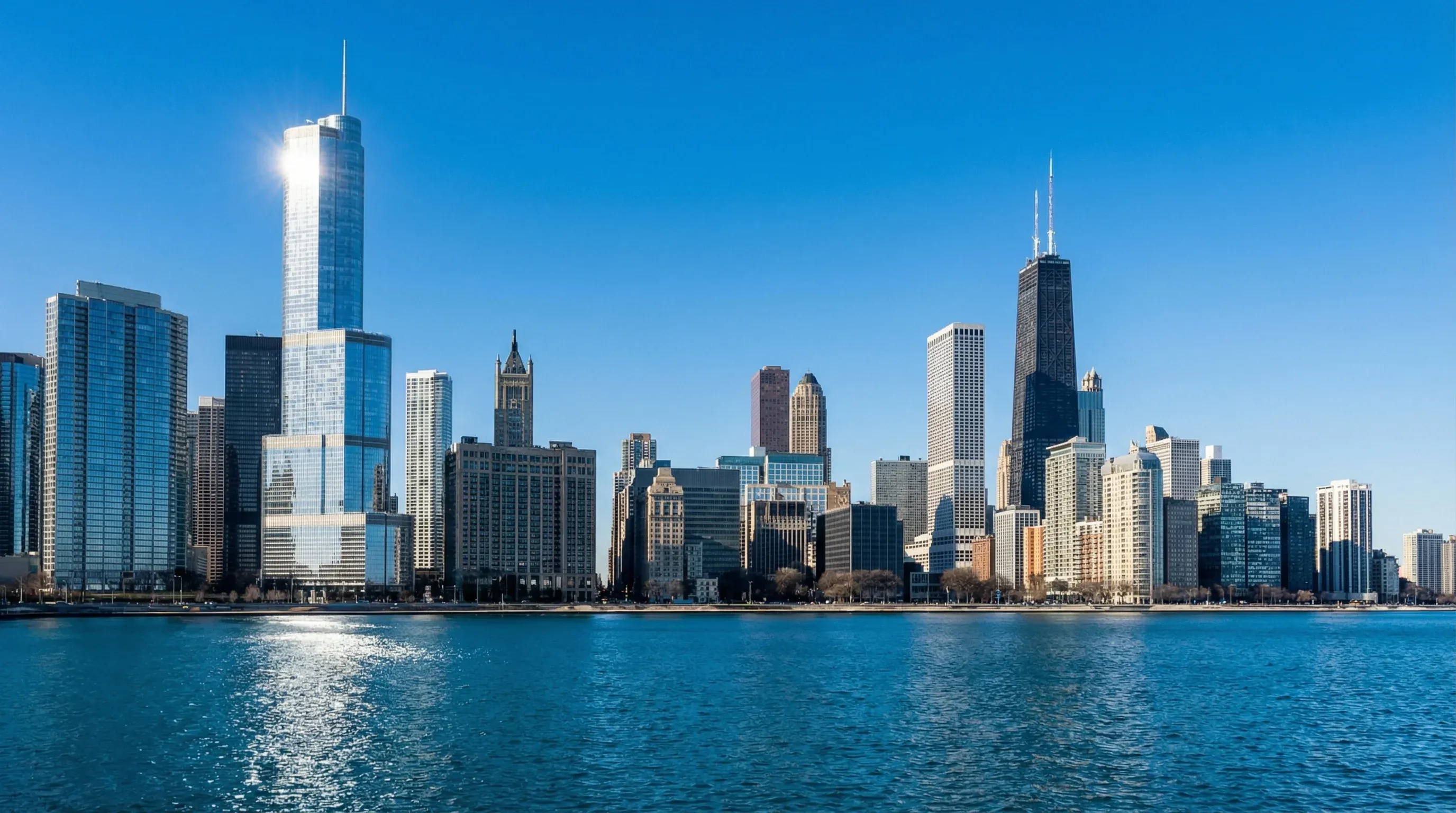
The Midwest is often called "The Heartland," and for good reason. It offers a wholesome, unpretentious, and surprisingly diverse vacation experience. The region is dominated by the Great Lakes, which look and behave like inland oceans—complete with sandy beaches, lighthouses, and shipwrecks, but without the salt or sharks. Chicago stands as the cultural capital, an architectural marvel that is cleaner and more manageable than New York, with a river running through it that begs for a boat tour.
Beyond the cities, the region is a patchwork of farms, forests, and small towns that host some of the country's best fairs and festivals. It is a fantastic destination for families on a budget, offering world-class museums and zoos at a fraction of the cost of the coasts. The people are famously friendly (the "Midwest Nice"), making travel with children less stressful. Seasons are distinct here: winters are snowy and harsh, summers are hot and festive, and autumn brings spectacular foliage.
Key Attractions
Chicago is the main draw. The Art Institute of Chicago is incredible, but for pure fun, families head to Navy Pier or the Field Museum of Natural History to see "Sue," the famous T. Rex. In St. Louis, the City Museum is less a museum and more a surreal, 10-story playground made of repurposed industrial objects—it is an absolute must-do for active kids. For coaster enthusiasts, Cedar Point in Ohio is known as the "Roller Coaster Capital of the World." Nature lovers should explore the Apostle Islands National Lakeshore in Wisconsin for kayaking around sea caves. The Columbus Zoo and Aquarium is another standout, consistently ranked among the best in the nation.
Practical Advice
Best time to visit: June to September for lake activities. Winters (December–March) are bitter cold but offer skiing and cosy cabin stays.
Logistics: Chicago has great transit, but the rest of the Midwest is car-dependent. Drives are easy on wide, flat interstates.
Food & Drink
Typical meal times: Lunch 11:30 am to 1:30 pm. Dinner 5:00 pm to 8:00 pm.
Typical meal costs: Affordable. Family dinner runs $50–80 (approx. €46–74 EUR / £40–64 GBP). Portions are generally large.
Dietary requirements: Meat and potatoes are staples, along with heavy cheese use. Cities like Chicago and Minneapolis have excellent diverse options, but rural areas are limited.
Signature dishes:
- Deep Dish Pizza – A Chicago icon. Thick, buttery crust filled with cheese and topped with chunky tomato sauce. Takes 45 mins to bake!
- Chicago Style Hot Dog – All-beef frank on a poppy seed bun with mustard, neon green relish, onions, tomato, pickle, and sport peppers. NO ketchup allowed.
- Cheese Curds – Fresh chunks of cheddar, often deep-fried. A squeaky, salty Wisconsin specialty.
- Cincinnati Chili – A unique, thin meat sauce spiced with cinnamon and chocolate, served over spaghetti.
Why this score?
Adventure in the Midwest is mostly focused on the Great Lakes, featuring activities like kayaking at Pictured Rocks or hiking in Cuyahoga Valley. The terrain is generally accessible and lacks significant elevation or extreme wilderness compared to the West. It offers excellent, safe outdoor recreation for families within a well-developed infrastructure that prioritizes ease of access.
Why this score?
The region is home to several of the world's most prestigious medical institutions, including the Mayo Clinic in Minnesota and the Cleveland Clinic in Ohio. These are premier global destinations for specialized medical care, ensuring that travelers have access to the absolute best healthcare available. Even in smaller cities, the hospital systems are highly advanced and well-integrated for international travelers.
Why this score?
Chicago serves as a major international hub with world-class museums and architecture, while the Great Lakes attract significant regional and growing international interest. Attractions like Cedar Point and the Mall of America are major draws that contribute to a steady flow of visitors. However, outside of Chicago, much of the tourism is domestic-focused compared to the coastal regions.

Chicago is pricey, similar to coastal cities, but the rest of the region is very affordable. Hotels in Ohio or Wisconsin might cost $100–150 (approx. €92–140 EUR / £80–120 GBP). Parking in Chicago is very expensive ($50+/night), so ditch the car if staying downtown.

Getting Here & Around
Getting Here
- Airports – Chicago O'Hare (ORD) is a global hub. Detroit (DTW) and Minneapolis (MSP) are also major international entry points.
- Train – Chicago is the hub of Amtrak, with trains radiating out to St. Louis, Detroit, and Milwaukee.
- Driving – Centrally located, it is a day's drive from many parts of the US via I-80, I-90, or I-94.
Getting Around
- Car – Necessary for reaching Cedar Point or the lakeshores.
- Public Transport – Chicago's 'L' train system is iconic and efficient. Other cities have limited bus systems.
- Ferry – Several ferries cross Lake Michigan, offering a shortcut between Michigan and Wisconsin to avoid Chicago traffic.
Nearby Airports (56 airports)
Alpena County Regional Airport
APNAlpena
Appleton
ATWAppleton
Kalamazoo
AZOKalamazoo
Bemidji Regional Airport
BJIBemidji
Scott Afb Midamerica
BLVBelleville
Central Illinois Rgnl
BMIBloomington
Brainerd Lakes Rgnl
BRDBrainerd
Akron Canton Regional Airport
CAKAkron
Sault Ste Marie
CIUSault Ste. Marie
Cleveland Hopkins International
CLECleveland
Port Columbus International
CMHColumbus
Champaign
CMIChampaign
Houghton County Memorial Airport
CMXHancock
Stevens Point/Wausau
CWAWausau
James M Cox Dayton International
DAYDayton
Decatur
DECDecatur
Duluth International
DLHDuluth
Detroit Metropolitan Airport
DTWDetroit
Chippewa Valley Regional Airport
EAUEau Claire
Delta County Airport
ESCEscanaba
Evansville Regional
EVVEvansville
Bishop International
FNTFlint
Fort Wayne
FWAFort Wayne
Austin Straubel International
GRBGreen Bay
Gerald R Ford International
GRRGrand Rapids
Chisholm Hibbing
HIBHibbing
Ford Airport
IMTIron Mountain
Indianapolis International Airport
INDIndianapolis
Gogebic Iron County Airport
IWDIronwood
Purude University Airport
LAFLafayette
Capital City
LANLansing
Rickenbacker International
LCKColumbus
La Crosse
LSELa Crosse
Manistee County-Blacker Airport
MBLManistee
Mbs Intl
MBSSaginaw
Chicago Midway International
MDWChicago
General Mitchell International
MKEMilwaukee
Muskegon County Airport
MKGMuskegon
Quad City Intl
MLIMoline
Sawyer International
MQTMarquette
Dane Co Rgnl Truax Fld
MSNMadison
Minneapolis St Paul International
MSPMinneapolis
Williamson Country Regional Airport
MWAMarion
Chicago O Hare International
ORDChicago
Peoria Regional
PIAPeoria
Pellston Regional Airport of Emmet County Airport
PLNPellston
Chicago Rockford International Airport
RFDRockford
Rhinelander Oneida County Airport
RHIRhinelander
Rochester
RSTRochester
South Bend Rgnl
SBNSouth Bend
Abraham Lincoln Capital
SPISpringfield
Saint Cloud Regional Airport
STCSaint Cloud
Toledo
TOLToledo
Cherry Capital Airport
TVCTraverse City
Thief River Falls
TVFThief River Falls
Quincy Regional Baldwin Field
UINQuincy
View full flight map for United States →
Official Links

Packing List
If visiting City Museum (St. Louis), you will be crawling through wire tunnels.
Even in spring/autumn, the wind off the Great Lakes is biting.
Essential for bringing home cheese curds or leftovers from huge portions.
Lakeside evenings in summer can be buggy.
Restaurant portions are huge; carry leftovers or stash snacks for the kids easily.
Aggressive air-conditioning indoors and dry desert air in the West cause dry skin quickly.
Tap water is safe and free almost everywhere; fountains are common in parks and museums.
Still required for some parking meters and hotel laundry machines in rural areas.
Older motels often lack sufficient outlets for a family's worth of devices.

Activities & Best Times

Hiking, wildlife, outdoor exploration, ecotourism
Boasting vast wilderness areas like the Great Lakes shorelines and significant wildlife centers, the region offers deep immersion in diverse ecosystems. Peak season spans the warm summer and early autumn, while harsh winters and spring mud seasons limit access to trails.

Urban tourism, museums, historical sites, architecture
Chicago and St. Louis offer world-class architecture, diverse neighborhoods, and premier cultural institutions like the Missouri Botanical Garden. Late spring and autumn provide ideal walking weather, whereas the extreme winter cold significantly detracts from the urban experience.

Learning experiences, scientific sites, historical education
Chicago hosts internationally significant facilities such as the Field Museum and Museum of Science and Industry that are destination-level draws for families. While indoor-focused, peak visitation aligns with school holiday windows in spring and summer.

Sport tourism, fitness activities, active recreation
Extensive trail systems like the Katy Trail and Superior Hiking Trail provide high-quality infrastructure for long-distance cycling and hiking. Optimal conditions occur in the temperate windows of late spring and early autumn, avoiding the peak summer humidity and winter snow.
Amusement parks, family entertainment venues
The region is a global hub for coaster enthusiasts, headlined by Cedar Point’s world-record-breaking attractions. Parks operate primarily in summer, with shoulder seasons offering themed events like Halloweekends before complete winter closures.

Beach resorts, marine activities: diving, snorkelling, kite surfing, wind surfing, sailing
The region features the unique 'inland seas' of the Great Lakes with massive dunes and clear waters at Pictured Rocks and Sleeping Bear. July and August are peak for swimmable water temperatures, while frigid lake conditions make most of the year unsuitable.

Scenic drives, countryside tours, route-based travel
Iconic routes like the North Shore Scenic Drive and the start of Route 66 offer spectacular lake views and historic Americana. Autumn is the premier season for fall foliage, while winter weather creates hazardous driving conditions on scenic byways.

Winter sports, ski resorts, snow activities
Home to reputable resorts like Lutsen and Boyne Mountain, the region provides dependable mid-winter conditions for skiing and snowboarding. January and February offer the most reliable snowpack, though the hills lack the verticality of major international alpine destinations.

Events, celebrations, seasonal attractions
Host to massive international events like Lollapalooza and Summerfest, attracting global music fans to the lakefronts. These events are strictly tied to the warm summer months, with very few internationally significant festivals occurring during the cold season.

Spa retreats, wellness centers, peaceful getaways
Features unique historic bathhouses like Chicago’s and Detroit’s traditional facilities, providing an authentic urban wellness experience. These indoor retreats are most appealing during the cold winter months but lack the scale of global spa destinations.

Attractions (57 total)



Public Holidays & Calendar Next 12 months
Public holidays, festivals, cultural celebrations, and seasonal natural phenomena coming up in Midwest & Great Lakes over the next 12 months.
Loading holidays and events...

Travel Advisory
The majority of international agencies classify the United States as a destination requiring standard safety awareness, though several highlight specific risks related to gun violence and terrorism.
Safety Topics
Traveller Advice (4 groups)

Legal protections and social acceptance for LGBTQ+ individuals can vary significantly between different states and regions. Research local attitudes before traveling.

Ensure you have comprehensive medical insurance that covers high costs in the U.S. healthcare system. Obtain necessary electronic entry permits like ESTA well in advance of departure.

Infrastructure and accessibility for travelers with disabilities are generally well-developed across public transport and tourist sites.

Maintain standard personal safety precautions as you would elsewhere. Be cautious when walking alone in unfamiliar urban areas after dark.
Agency Summaries
Due to concerns regarding terrorism, civil unrest, and a significantly higher rate of gun-related violent crime than New Zealand, an increased level of vigilance is recommended for all visitors.
The general safety environment is stable, but violent crime and gun-related incidents are more common than in Australia. Travelers should avoid areas of protest and stay informed of local safety drills.
Most trips are successful and safe. However, there is a persistent threat from terrorism and a higher incidence of violent crime, specifically gun crime, compared to the United Kingdom.
Citizens should secure appropriate entry authorization like ESTA before traveling. It is important to stay away from demonstrations and monitor local media for potential security updates.
While travel is generally safe, visitors should remain alert to the higher frequency of gun violence and mass shootings compared to Canada. Seasonal natural disasters like hurricanes and wildfires also pose risks.
Information is provided for general guidance only and does not constitute travel, safety, medical, or legal advice. Conditions may change. Users are responsible for independently verifying information before travel.