
Southwest Deserts & Canyonlands
Red rocks, neon lights, and ancient canyons 🌵🏜️🎰
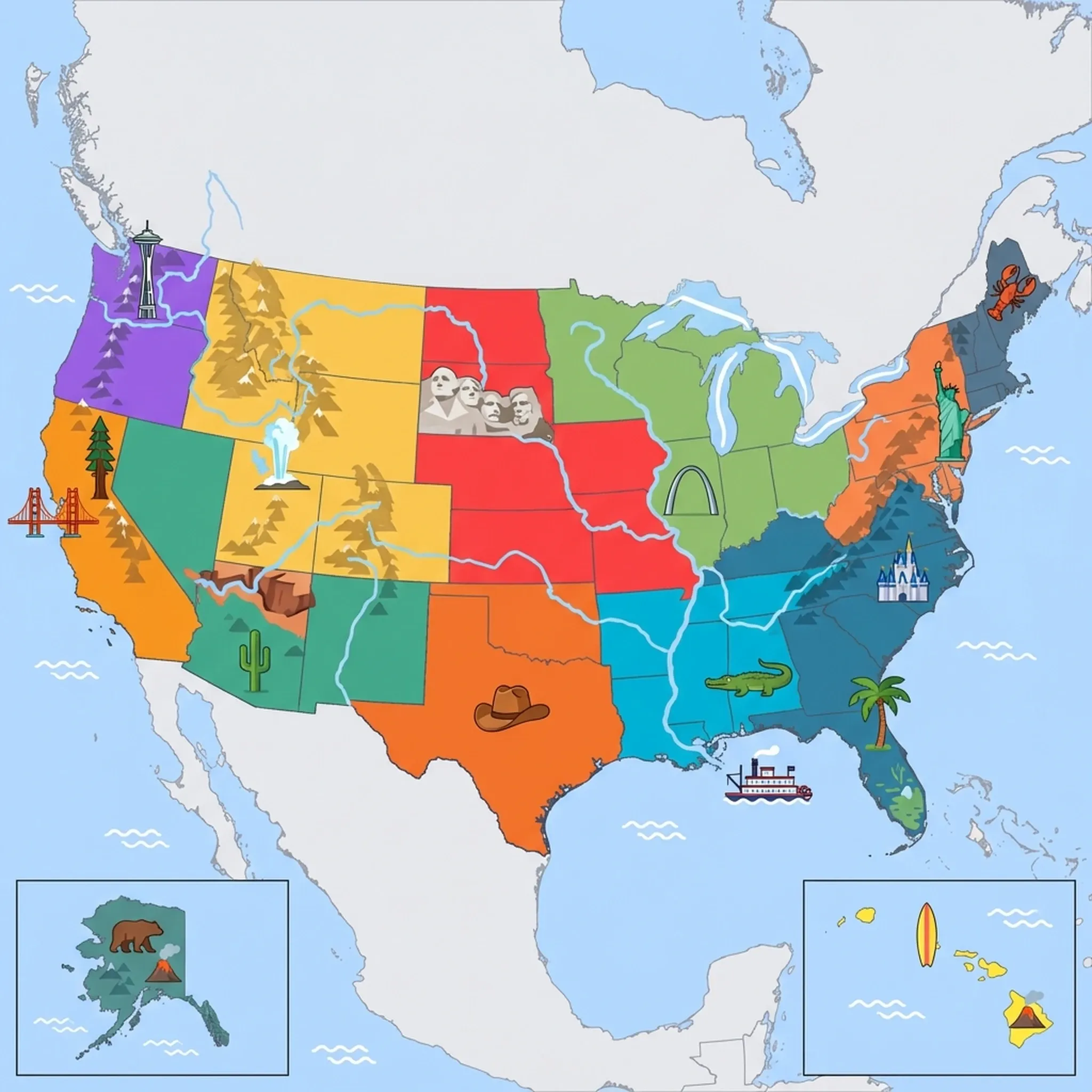
Click a region to explore
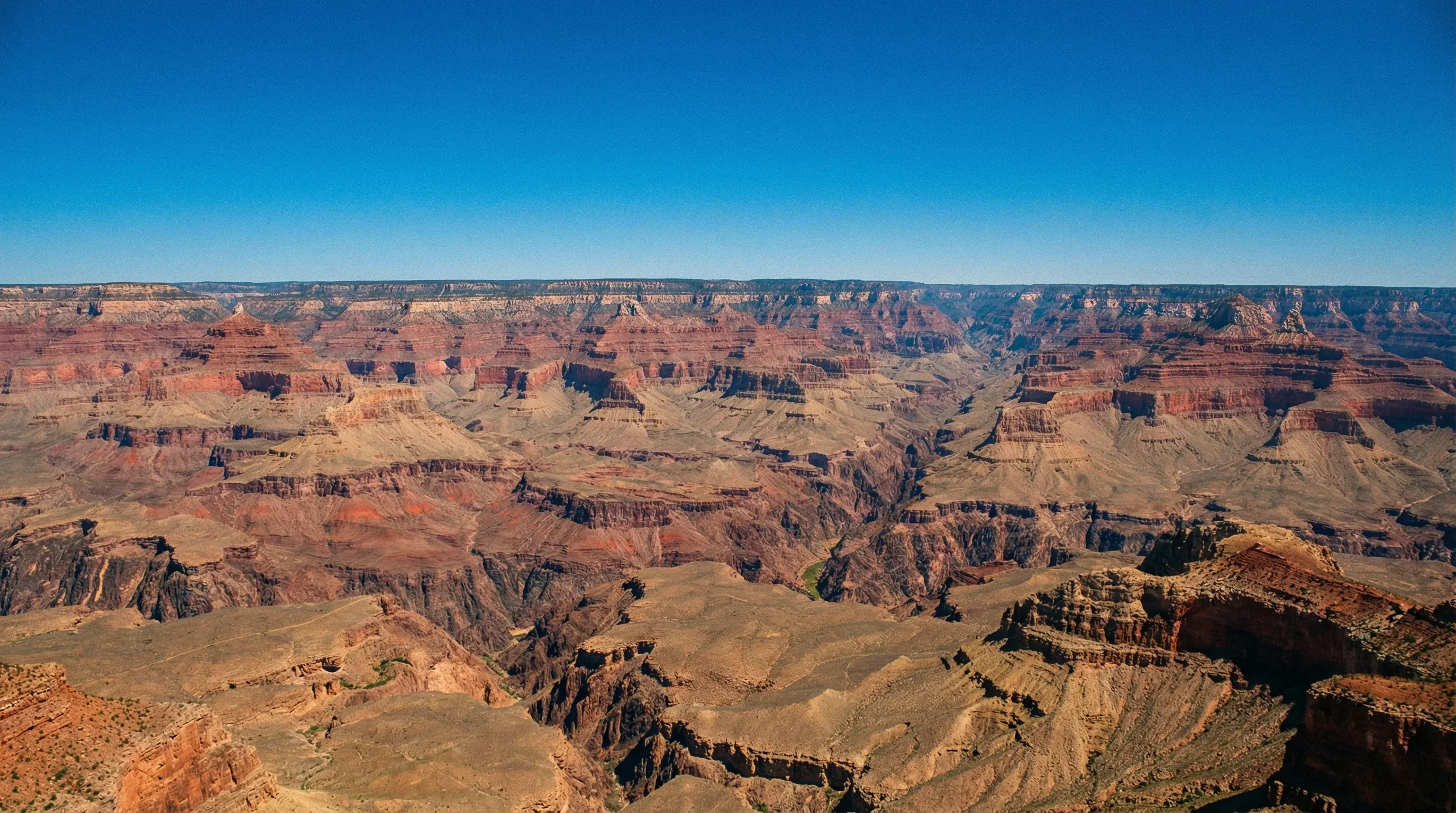
The American Southwest is visually arresting. It is the landscape of the Roadrunner cartoons come to life—mesas, cacti, and endless blue skies. For families, it offers a geology lesson on a grand scale. The Grand Canyon is the headline act, but the region is packed with other worldly sights, from the red rocks of Sedona to the white sands of New Mexico. It is also the best place in the US to learn about Indigenous cultures; the Navajo, Hopi, and Pueblo peoples have a visible and vibrant presence here, offering art, food, and history that predates European arrival by centuries.
Safety Advisory: The desert is unforgiving. Heat exhaustion is a real risk, especially in summer when temperatures regularly exceed 100°F (38°C). Hiking should be done at dawn. Carry more water than you think you need. Paradoxically, flash floods are also a risk in slot canyons during rain. Despite the harsh environment, resorts in Phoenix and Scottsdale offer incredible pools and luxury, while Las Vegas provides a neon-lit spectacle that, if managed right, can be fun for kids (think circuses and fountains).
Key Attractions
The Bright Angel Trail at the Grand Canyon offers a safe way to hike slightly into the canyon (remember: going down is optional, coming up is mandatory!). Antelope Canyon is a photographer's dream and easy for kids to walk through, though tours are mandatory. In Utah, Arches National Park (specifically the Delicate Arch) is an iconic hike. For a break from the heat, the Arizona Science Center in Phoenix is excellent. Las Vegas has the Adventuredome indoor theme park. History comes alive at Chaco Culture National Historical Park, a UNESCO site of ancient Puebloan ruins.
Practical Advice
Best time to visit: Spring (March–May) and Autumn (October–November). Summer is dangerously hot. Winter can bring snow to the high desert (Grand Canyon Rim).
Logistics: Distances are vast. A reliable car with working A/C is non-negotiable. Mobile reception is poor in remote areas; carry physical maps.
Food & Drink
Typical meal times: Lunch 11:30 am to 2:00 pm. Dinner 5:00 pm to 9:00 pm.
Typical meal costs: Moderate. Mexican food is great value. Family dinner: $50–90 (approx. €46–83 EUR / £40–72 GBP). Las Vegas can be very cheap or incredibly expensive.
Dietary requirements: Corn, beans, and squash are staples. Mexican food is everywhere and easily adapted for vegetarians. Spiciness levels can be high—ask first!
Signature dishes:
- Navajo Taco – Fry bread topped with chili, beans, lettuce, cheese, and tomato. A delicious, heavy meal.
- Chimichanga – A deep-fried burrito, allegedly invented in Arizona.
- Blue Corn Pancakes – Made with blue cornmeal, often served with pine nuts in New Mexico.
- Prickly Pear Cactus – Found in jams, candies, and margaritas (magenta colored and sweet).
Why this score?
This region offers significant adventure through canyon hiking, desert survival experiences, and off-road exploration. The terrain is often harsh and dry, presenting real physical challenges like heat management and steep vertical climbs in places like Zion or the Grand Canyon. While the main rim areas are developed, the vast majority of the canyonlands remain rugged and adventurous.
Why this score?
Phoenix and Las Vegas provide excellent, large-scale medical facilities and trauma centers that are very accustomed to treating tourists. While the main park areas have clinics, rural stretches across the desert and on tribal lands can be quite far from advanced medical care. Overall, the system is robust and English-speaking, with good emergency helicopter response for those in the National Parks' backcountry areas.
Why this score?
The Grand Canyon is one of the world's most famous natural wonders, drawing millions of international visitors annually to Arizona. Las Vegas serves as a massive global entertainment hub, and the 'Mighty 5' parks of Utah are increasingly prominent on international itineraries. The region’s unique red rock geology is a primary driver for global tourism in the American West.

National Park passes ($80 annual pass recommended) are the best investment. Hotels near the Grand Canyon are pricey ($200+) and sell out months ahead. Las Vegas offers cheap luxury hotels mid-week but charges high "resort fees." Native American guided tours (essential for Antelope Canyon) can be expensive ($60-100/person).

Getting Here & Around
Getting Here
- Airports – Phoenix Sky Harbor (PHX) and Las Vegas Harry Reid (LAS) are major entry points with many rental car options.
- Driving – Historic Route 66 cuts through Arizona, offering kitschy roadside stops.
Getting Around
- Car – The only way to see the parks. Scenic drives like Monument Valley are legendary.
- Shuttles – Grand Canyon and Zion National Parks require using their shuttle buses in peak season to reduce congestion.
Nearby Airports (23 airports)
Albuquerque International Sunport
ABQAlbuquerque
Angel Fire Airport
AXXAngel Fire
Phoenix–Mesa Gateway Airport
AZAMesa
Boulder City Municipal Airport
BLDBoulder City
Cavern City Air Terminal
CNMCarlsbad
Clovis Muni
CVNClovis
Elko Regional Airport
EKOElko
Flagstaff Pulliam Airport
FLGFlagstaff
Grand Canyon National Park Airport
GCNGrand Canyon
Grand Canyon West Airport
GCWPeach Springs
Gallup Muni
GUPGallup
Lea Co Rgnl
HOBHobbs
Harry Reid International Airport
LASLas Vegas
Las Cruces Intl
LRULas Cruces
Page Municipal Airport
PGAPage
Phoenix Sky Harbor International
PHXPhoenix
Ernest A Love Fld
PRCPrescott
Reno Tahoe International
RNOReno
Roswell Industrial Air Center
ROWRoswell
Santa Fe Muni
SAFSanta Fe
Show Low Regional Airport
SOWShow Low
Grant County Airport
SVCSilver City
Tucson International
TUSTucson
View full flight map for United States →
Official Links

Packing List
Cactus spines are everywhere; kids will inevitably touch a 'jumping cholla'.
Water isn't enough in 100°F heat; you need to replace salts to prevent exhaustion.
The desert sun is relentless and there is often zero shade on trails.
Wet these and wear them around the neck to keep body temperature down.
Essential for road trips to keep drinks/snacks cold; most hotels provide free ice machines.
Restaurant portions are huge; carry leftovers or stash snacks for the kids easily.
Aggressive air-conditioning indoors and dry desert air in the West cause dry skin quickly.
Tap water is safe and free almost everywhere; fountains are common in parks and museums.
Still required for some parking meters and hotel laundry machines in rural areas.
Older motels often lack sufficient outlets for a family's worth of devices.

Activities & Best Times

Hiking, wildlife, outdoor exploration, ecotourism
Home to globally iconic landscapes like the Grand Canyon and Zion, offering world-class hiking and geological wonder. Spring and autumn provide ideal temperatures for strenuous exploration, while summer heat and winter snow limit accessibility in certain zones.

Urban tourism, museums, historical sites, architecture
A rich tapestry of Indigenous heritage, Spanish colonial history, and vibrant modern art scenes in cities like Santa Fe and Phoenix. Spring and autumn offer the most comfortable climate for walking tours and outdoor botanical exhibits before the extreme summer heat arrives.

Learning experiences, scientific sites, historical education
Significant natural history museums and science centers provide deep dives into the region's unique geology, nuclear history, and desert ecosystems. These facilities offer reliable indoor learning environments year-round, though visitor traffic aligns with broader regional tourism peaks.

Sport tourism, fitness activities, active recreation
Renowned for legendary mountain biking trails and challenging canyon hiking that requires specific infrastructure and world-class trail maintenance. Prime conditions for these physically demanding sports are found in the mild temperatures of spring and autumn.

Amusement parks, family entertainment venues
Features world-class water parks and unique entertainment complexes in Las Vegas that offer high-production family experiences. Activity peaks during the summer months when water-based attractions are essential, and during spring break holidays.

Beach resorts, marine activities: diving, snorkelling, kite surfing, wind surfing, sailing
Unique desert-lake environments like Lake Powell offer red-rock coastal scenery and water activities unparalleled in North America. Peak summer months provide the necessary heat for water-based recreation, though winters are too cold for immersion.

Spa retreats, wellness centers, peaceful getaways
Established wellness hubs utilizing natural hot springs and high-end desert spa traditions focused on restorative health. Optimal visitation occurs during the temperate months when outdoor thermal bathing is most pleasant.

Scenic drives, countryside tours, route-based travel
Iconic routes like Scenic Byway 12 provide world-class driving experiences through dramatic canyon landscapes and high plateaus. Favorable driving conditions and peak scenery occur in spring and fall, avoiding winter road closures and summer heat haze.

Winter sports, ski resorts, snow activities
High-altitude resorts like Taos and Snowbowl offer unique desert-alpine skiing with significant vertical drops and authentic southwestern culture. The season is strictly limited to the winter months when snowpack is reliable and resort infrastructure is fully operational.

Events, celebrations, seasonal attractions
The Albuquerque International Balloon Fiesta is a globally recognized spectacle that draws international crowds for its unique scale. This specific event makes October the exclusive peak month, with surrounding months acting as a transition for related seasonal events.

Attractions (50 total)



Public Holidays & Calendar Next 12 months
Public holidays, festivals, cultural celebrations, and seasonal natural phenomena coming up in Southwest Deserts & Canyonlands over the next 12 months.
Loading holidays and events...

Travel Advisory
The majority of international agencies classify the United States as a destination requiring standard safety awareness, though several highlight specific risks related to gun violence and terrorism.
Safety Topics
Traveller Advice (4 groups)

Legal protections and social acceptance for LGBTQ+ individuals can vary significantly between different states and regions. Research local attitudes before traveling.

Ensure you have comprehensive medical insurance that covers high costs in the U.S. healthcare system. Obtain necessary electronic entry permits like ESTA well in advance of departure.

Infrastructure and accessibility for travelers with disabilities are generally well-developed across public transport and tourist sites.

Maintain standard personal safety precautions as you would elsewhere. Be cautious when walking alone in unfamiliar urban areas after dark.
Agency Summaries
Due to concerns regarding terrorism, civil unrest, and a significantly higher rate of gun-related violent crime than New Zealand, an increased level of vigilance is recommended for all visitors.
The general safety environment is stable, but violent crime and gun-related incidents are more common than in Australia. Travelers should avoid areas of protest and stay informed of local safety drills.
Most trips are successful and safe. However, there is a persistent threat from terrorism and a higher incidence of violent crime, specifically gun crime, compared to the United Kingdom.
Citizens should secure appropriate entry authorization like ESTA before traveling. It is important to stay away from demonstrations and monitor local media for potential security updates.
While travel is generally safe, visitors should remain alert to the higher frequency of gun violence and mass shootings compared to Canada. Seasonal natural disasters like hurricanes and wildfires also pose risks.
Information is provided for general guidance only and does not constitute travel, safety, medical, or legal advice. Conditions may change. Users are responsible for independently verifying information before travel.