
Texas & Southern Plains
Everything is bigger here, especially the adventures 🤠🚀🥩
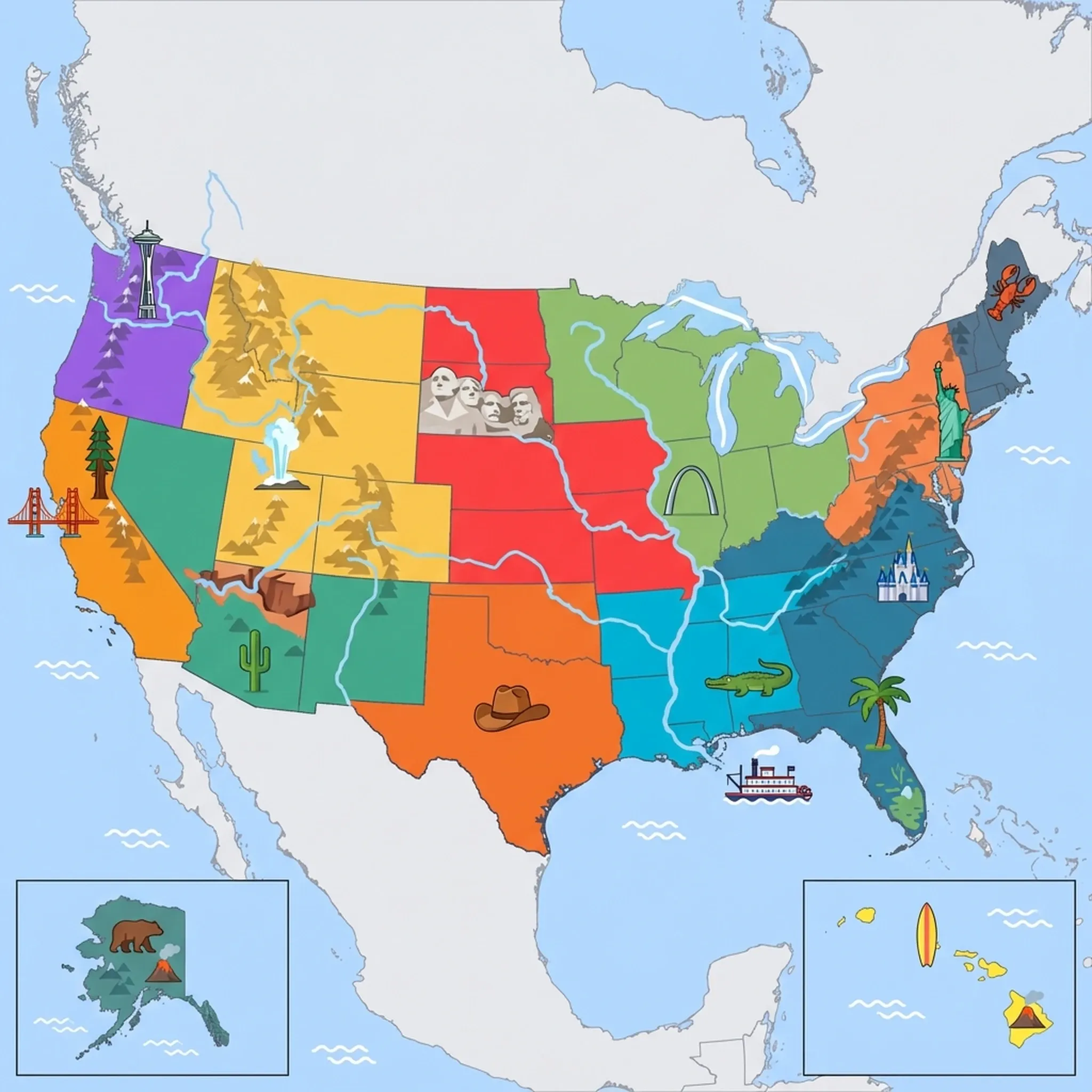
Click a region to explore
Texas is almost a country unto itself, with a distinct identity that blends Southern charm, Western grit, and Mexican heritage. The scale of the state is massive—driving across it takes longer than driving across France. For families, the "Texas Triangle" (Dallas/Fort Worth, Houston, Austin/San Antonio) holds the most accessible fun. You can learn about NASA's missions to the moon, watch a real rodeo, and float down a lazy river all in one trip. The state pride is palpable; you will see the Texas flag flying as high as the US flag everywhere.
The culture is incredibly family-centric. Children are welcomed everywhere, and restaurants are loud and lively. Weather Advisory: Summer heat is fierce. July and August often see strings of days over 100°F (38°C). Plan for indoor activities (museums are excellent and air-conditioned) or water parks during the midday blaze. The Spring (bluebonnet season) is particularly beautiful in the Hill Country.
Key Attractions
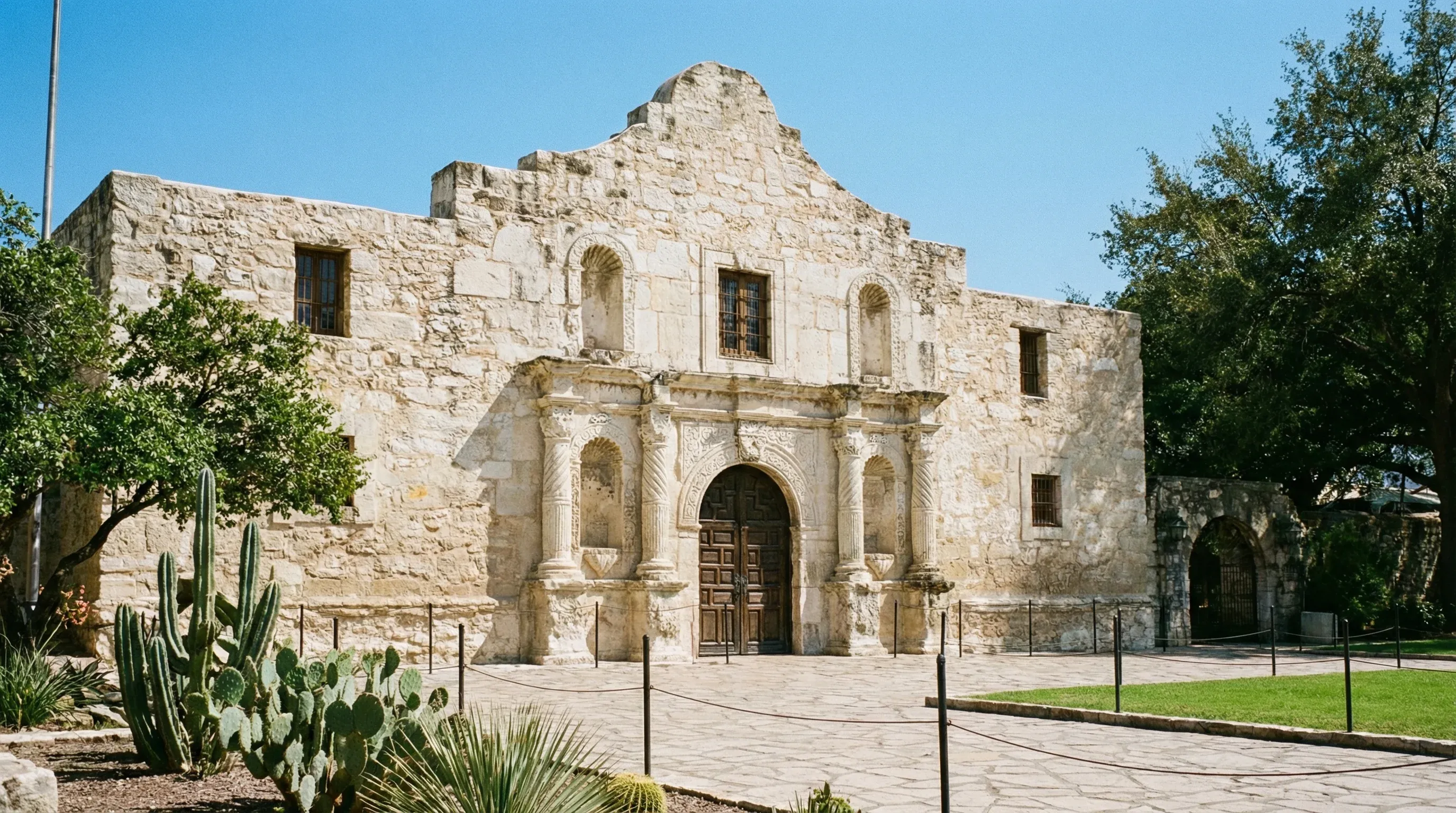
In Houston, the Houston Museum of Natural Science is a standout, especially its butterfly center. The Houston Zoo is also excellent. Moving north, the Fort Worth Stockyards allows families to see the world's only twice-daily cattle drive, a true cowboy experience. Dallas offers the Dallas Zoo and the beautiful Dallas Arboretum and Botanical Garden. For nature lovers willing to make the trek, Big Bend National Park on the Mexican border offers spectacular desert hiking and stargazing. In San Antonio, visiting the Alamo (not in table, but nearby attractions include Aquatica San Antonio) is a history lesson in Texas independence.
Practical Advice
Best time to visit: March–May (wildflowers) and October–November. Summers are suitable only if you love heat or swimming.
Logistics: You must have a car. Public transport is poor. Traffic in Houston and Austin is legendary; add 30 minutes to any ETA.
Food & Drink
Typical meal times: Lunch 11:30 am to 1:30 pm. Dinner 6:00 pm to 9:00 pm.
Typical meal costs: Very affordable. Texas BBQ is sold by weight, but a family meal is often $50–80 (approx. €46–74 EUR / £40–64 GBP). Tex-Mex is cheap and filling.
Dietary requirements: Beef is king. However, Austin is very progressive with vegan food. Tex-Mex offers plenty of bean/cheese options.
Signature dishes:
- Brisket – Beef breast, smoked low and slow for 12+ hours until it melts in your mouth. No sauce needed if it's good.
- Breakfast Tacos – Tortillas filled with eggs, cheese, potatoes, and chorizo. A morning staple.
- Kolache – A Czech pastry, filled with fruit (sweet) or sausage and cheese (savory - technically a klobasnek), popular on road trips.
- Queso – Warm, melted cheese dip with chiles, served with tortilla chips. The unofficial state appetizer.
Why this score?
While Big Bend National Park offers a score of 8 for ruggedness and isolation, the vast majority of the state consists of developed plains and urban centers. Adventure here is often centered on the Gulf Coast or the Texas Hill Country, offering moderate hiking and water activities. It is a very accessible region for families, providing manageable outdoor experiences within a highly commercialized framework.
Why this score?
Houston is home to the Texas Medical Center, the largest concentration of healthcare and research institutions in the world. This provides travelers with access to unparalleled medical expertise and international patient services. Throughout the 'Texas Triangle' of Dallas, Houston, and San Antonio, medical infrastructure is world-class, extremely dense, and fully equipped for any emergency or specialized need.
Why this score?
Texas has seen a massive rise in international profile, with Houston, Dallas, and Austin becoming major business and cultural destinations. Attractions like the NASA Johnson Space Center and the San Antonio River Walk draw millions of visitors, including a high volume of international travelers from Latin America and Europe. It is a major economic engine with a tourism sector that is increasingly global in reach.

Texas offers good value. Hotels are larger and cheaper than the national average ($100–160 / €92–148 / £80–128 per night). Gas is often cheaper here than anywhere else in the US. However, toll roads in places like Dallas and Houston can add up quickly, so check your rental car policy.

Getting Here & Around
Getting Here
- Airports – Dallas/Fort Worth (DFW) and Houston George Bush (IAH) are massive global hubs.
- Driving – I-35 and I-10 are the major interstates. Be prepared for construction and heavy trucks.
Getting Around
- Car – Essential. Everything is spread out. Parking is usually easy and plentiful (except downtown Austin).
- Walking – Only feasible in specific areas like the San Antonio River Walk or Fort Worth Stockyards.
Nearby Airports (29 airports)
Abilene Rgnl
ABIAbilene
Waco Rgnl
ACTWaco
Amarillo International
AMAAmarillo
Austin-Bergstrom International Airport
AUSAustin
Southeast Texas Rgnl
BPTBeaumont
Brownsville South Padre Island International
BROBrownsville
Easterwood Fld
CLLCollege Station
Corpus Christi International
CRPCorpus Christi
Dallas Love Fld
DALDallas
Dallas Fort Worth International
DFWDallas
El Paso International Airport
ELPEl Paso
East Texas Rgnl
GGGLongview
Robert Gray Aaf
GRKKilleen
William P. Hobby Airport
HOUHouston
Valley International
HRLHarlingen
George Bush Intcntl Houston
IAHHouston
Lawton-Fort Sill Regional Airport
LAWLawton
Lubbock International
LBBLubbock
Laredo International
LRDLaredo
Midland International
MAFMidland
Mc Allen Miller International
MFEMcAllen
Will Rogers World
OKCOklahoma City
San Antonio International
SATSan Antonio
San Angelo Rgnl Mathis Fld
SJTSan Angelo
Sheppard Afb Wichita Falls Muni
SPSWichita Falls
Searcy Field
SWOStillwater
Tulsa International
TULTulsa
Tyler Pounds Rgnl
TYRTyler
Victoria Regional Airport
VCTVictoria
View full flight map for United States →
Official Links

Packing List
Parking in the sun turns cars into ovens; steering wheels become too hot to touch.
Plastic bottles warm up in minutes in the Texas heat.
Fire ants are common in grass; sandals are risky in parks.
Texans blast air conditioning to freezing levels indoors to combat the heat.
Essential for road trips to keep drinks/snacks cold; most hotels provide free ice machines.
Restaurant portions are huge; carry leftovers or stash snacks for the kids easily.
Aggressive air-conditioning indoors and dry desert air in the West cause dry skin quickly.
Tap water is safe and free almost everywhere; fountains are common in parks and museums.
Still required for some parking meters and hotel laundry machines in rural areas.
Older motels often lack sufficient outlets for a family's worth of devices.

Activities & Best Times

Hiking, wildlife, outdoor exploration, ecotourism
Home to high-quality wilderness like Big Bend and world-class zoos in Houston and Fort Worth that offer sophisticated wildlife encounters. Peak months avoid the extreme desert heat and provide the most comfortable conditions for exploring the unique ecosystems of the Hill Country and Trans-Pecos.

Urban tourism, museums, historical sites, architecture
Offers a distinct blend of Spanish colonial heritage in San Antonio and modern urban sophistication in Austin and Dallas. Seasonal timing is dictated by the humid subtropical climate, where spring and autumn offer the ideal conditions for walking tours and outdoor botanical gardens.

Learning experiences, scientific sites, historical education
Anchored by Space Center Houston, a globally significant facility for scientific learning, alongside world-class aquariums and natural science museums. These indoor facilities are primary motivators during summer family travel windows, though they remain accessible year-round with indoor climate control.

Sport tourism, fitness activities, active recreation
Boasts unique infrastructure like the Olympic-tier Riversport OKC and Waco Surf, one of the world's premier artificial wave facilities. Best visited in transitional months when temperatures are optimal for high-intensity physical activity and water-based sport facilities are in full operation.
Amusement parks, family entertainment venues
Features internationally recognized waterparks like Schlitterbahn and major Six Flags parks that serve as significant family motivators. Peak season aligns with the traditional summer school holidays and spring break, when all aquatic facilities and entertainment venues are fully operational.

Beach resorts, marine activities: diving, snorkelling, kite surfing, wind surfing, sailing
Padre Island National Seashore offers extensive, authentic coastal wilderness, though it lacks the coral biodiversity of tropical benchmarks. The short peak season is defined by Gulf water temperatures reaching comfortable levels for swimming and coastal recreation.

Spa retreats, wellness centers, peaceful getaways
Features historic thermal bathhouses and natural hot springs that offer a unique restorative experience rooted in American frontier history. Summer months are classified as off-peak due to high ambient temperatures making thermal bathing less appealing for wellness travelers.

Scenic drives, countryside tours, route-based travel
Celebrated routes like El Camino del Rio provide spectacular desert landscapes and river views on well-maintained infrastructure. Avoids the summer for safety and visibility, with spring and autumn offering the most vibrant landscapes for scenic touring.

Events, celebrations, seasonal attractions
Anchored by South by Southwest (SXSW) and the Houston Rodeo, which are internationally significant but highly concentrated in March. Outside of these major windows and the State Fair in October, the region lacks the frequency of globally-appealing cultural events.

Attractions (51 total)



Public Holidays & Calendar Next 12 months
Public holidays, festivals, cultural celebrations, and seasonal natural phenomena coming up in Texas & Southern Plains over the next 12 months.
Loading holidays and events...

Travel Advisory
The majority of international agencies classify the United States as a destination requiring standard safety awareness, though several highlight specific risks related to gun violence and terrorism.
Safety Topics
Traveller Advice (4 groups)

Legal protections and social acceptance for LGBTQ+ individuals can vary significantly between different states and regions. Research local attitudes before traveling.

Ensure you have comprehensive medical insurance that covers high costs in the U.S. healthcare system. Obtain necessary electronic entry permits like ESTA well in advance of departure.

Infrastructure and accessibility for travelers with disabilities are generally well-developed across public transport and tourist sites.

Maintain standard personal safety precautions as you would elsewhere. Be cautious when walking alone in unfamiliar urban areas after dark.
Agency Summaries
Due to concerns regarding terrorism, civil unrest, and a significantly higher rate of gun-related violent crime than New Zealand, an increased level of vigilance is recommended for all visitors.
The general safety environment is stable, but violent crime and gun-related incidents are more common than in Australia. Travelers should avoid areas of protest and stay informed of local safety drills.
Most trips are successful and safe. However, there is a persistent threat from terrorism and a higher incidence of violent crime, specifically gun crime, compared to the United Kingdom.
Citizens should secure appropriate entry authorization like ESTA before traveling. It is important to stay away from demonstrations and monitor local media for potential security updates.
While travel is generally safe, visitors should remain alert to the higher frequency of gun violence and mass shootings compared to Canada. Seasonal natural disasters like hurricanes and wildfires also pose risks.
Information is provided for general guidance only and does not constitute travel, safety, medical, or legal advice. Conditions may change. Users are responsible for independently verifying information before travel.